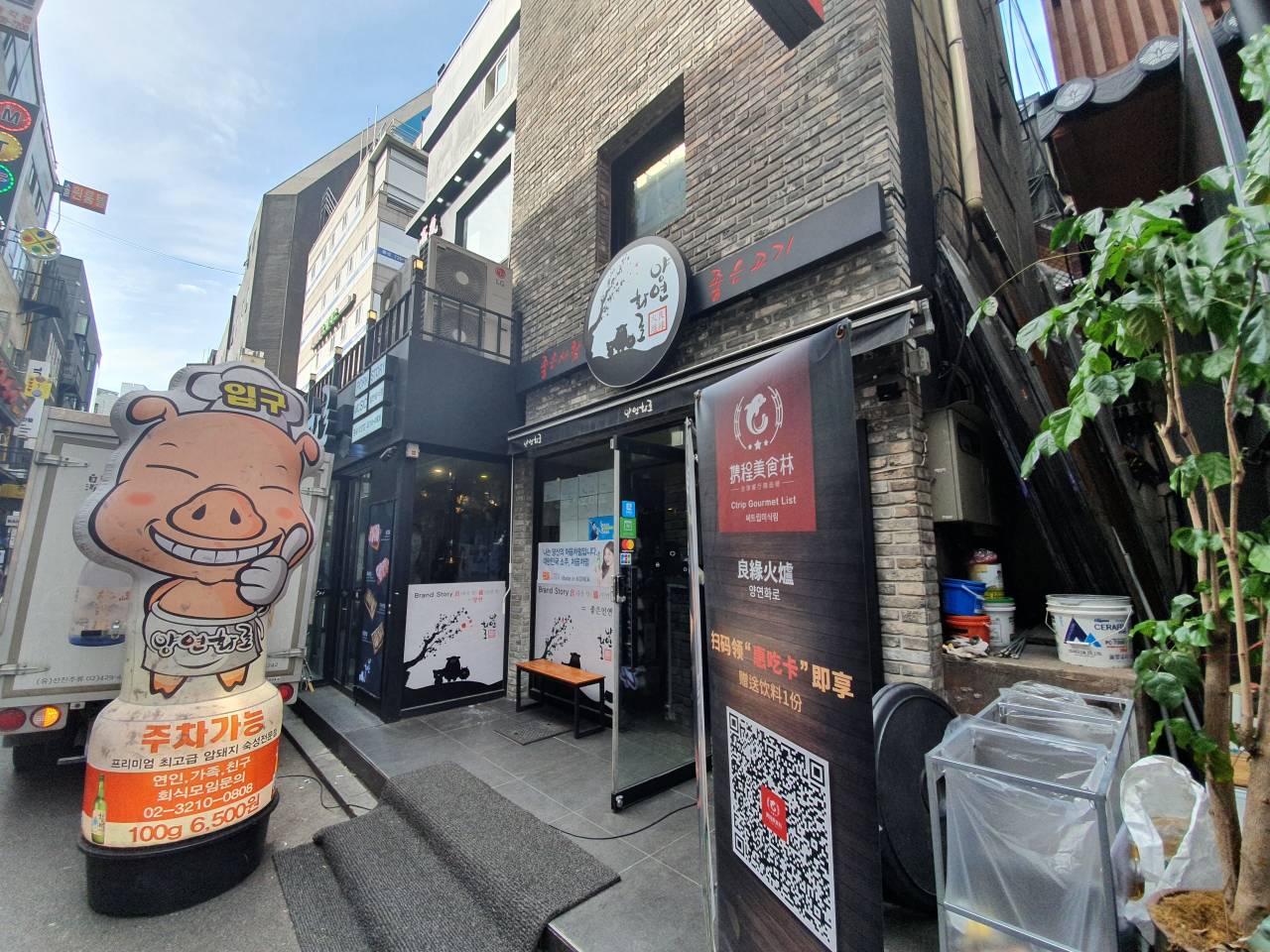
Yangyeon Hwaro (양연화로)
755.3M 2024-03-05
18 Samil-daero 17-gil, Jongno-gu, Seoul
+82-2-3210-0808
Yangyeon Hwaro is located in Jongno and is renowned for offering the essence of Korean-style barbecue. Its signature dish is the aged pork belly, grilled over charcoal, bursting with charcoal aroma and juiciness. Additionally, the menu includes various cuts of pork such as shoulder, thin skirt, and pork neck, as well as beef options like boneless short ribs and beef tartare. The staff personally grill the meat for the customers.

HANILKWAN - Gwanghwamun Branch (한일관 광화문)
759.0M 2024-03-18
50, Jong-ro 1-gil, Jongno-gu, Seoul
+82-2-722-7557
It is a store that has been operating with a long tradition since 1939. This Korean dishes restaurant is located in Jongno-gu, Seoul. The most famous menu is bulgogi.
Gangseo Myeonok (강서면옥)
764.4M 2020-04-17
35, Sejong-daero 11-gil, Jung-gu, Seoul
+82-2-752-1945
Gangseo Myeonok has been famous for over fifty years, having been the food of choice served to visiting dignitaries from North Korea at the time of the South-North Red Cross Conference. The restaurant has succeeded in carrying on the tradition of Pyeongyang-style naengmyeon. The native buckwheat from Gangwon-do mixed with starch makes for fine noodles, and the wonderful broth is made from beef brisket with white radish kimchi.
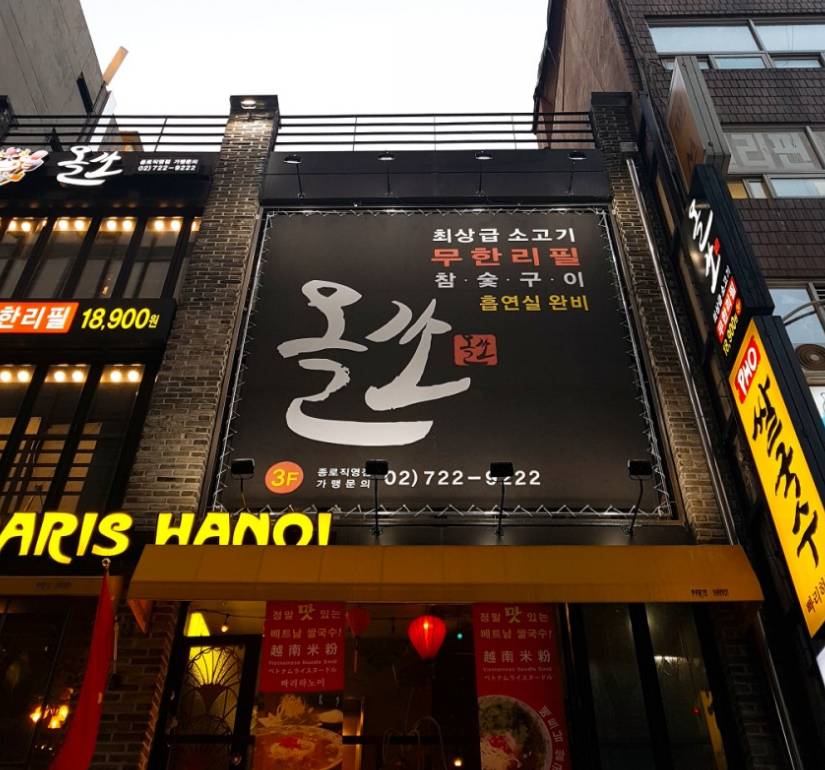
Allsso (올쏘)
767.0M 2021-08-26
30, Jong-ro, 14-gil, Jongno-gu, Seoul
+82-2-722-9222
A barbecue specialty restaurant located in Cheonggyecheon Stream, Seoul. A Korean BBQ restaurant. The most famous menu is grilled beef.
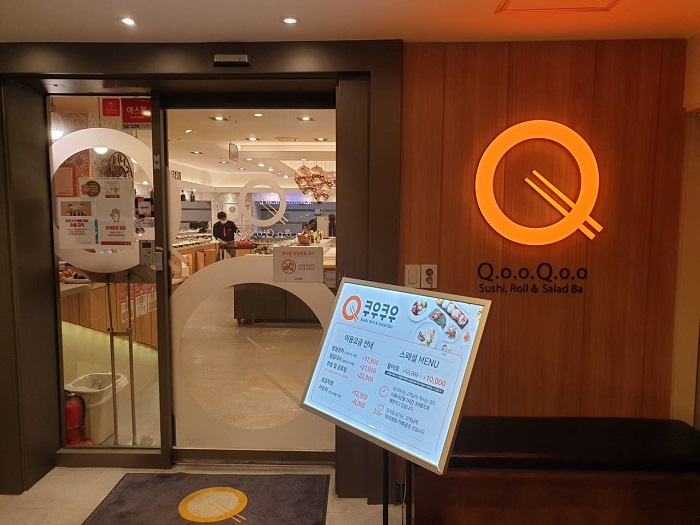
Kuukuu Myeong-dong(쿠우쿠우 명동)
767.0M 2020-11-25
55 Myeongdong-gil Jung-gu Seoul
+82-2-753-1230
This is a place that sells a variety of sushi and salads. The best menu at this restaurant is sushi. This Japanese (cuisine) restaurant is located in Jung-gu, Seoul.
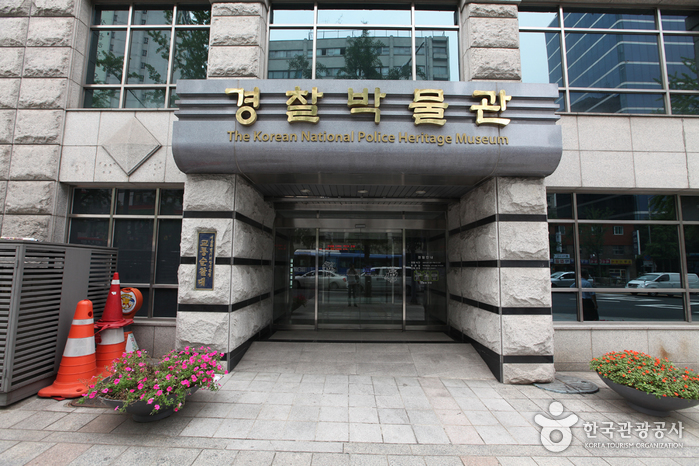
Korean National Police Heritage Museum (경찰박물관)
767.5M 2021-12-21
41, Saemunan-ro, Jongno-gu, Seoul
+82-2-3150-3681
The police museum opened on October 14, 2005 to give a better understanding of the job of the police and to offer a formal education to children who wish to become police officers in the future. The history hall of the museum is designed for visitors to learn about the history of Korean police at a glance, exhibiting information on the police force from the Joseon dynasty up until current times.
Visitors to the museum can pretend to be police officers by touching actual equipment and learning about an officer's daily tasks. Visitors can also get in patrol cars, wear a police uniform, experience shooting a gun through a simulation, and learn self-defense martial arts and arrest techniques. Visitors can also go to the museum jail.
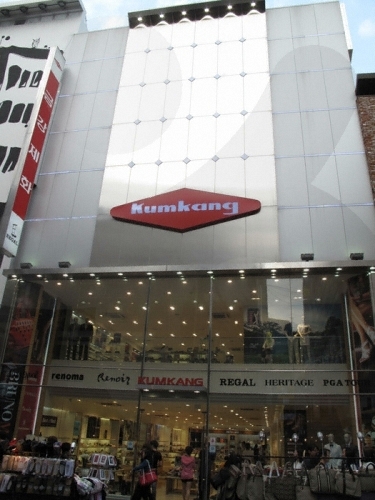
Kumkang - Myeongdong Main Branch (금강제화 명동본점)
770.1M 2022-12-29
7, Myeongdong 8-gil, Jung-gu, Seoul
+82-2-753-9411
Kumkang is a representative shoe brand of Korea (sneakers, casual shoes, etc.) that has been gradually expanding its product line to include accessories and clothing. Kumkang's main branch is located in Myeong-dong, frequented by international visitors. The brand offers plus-sized shoes and warranty service at the customer service center. Some of the bestsellers at the branch are Regal products, a sub-brand of Kumkang.
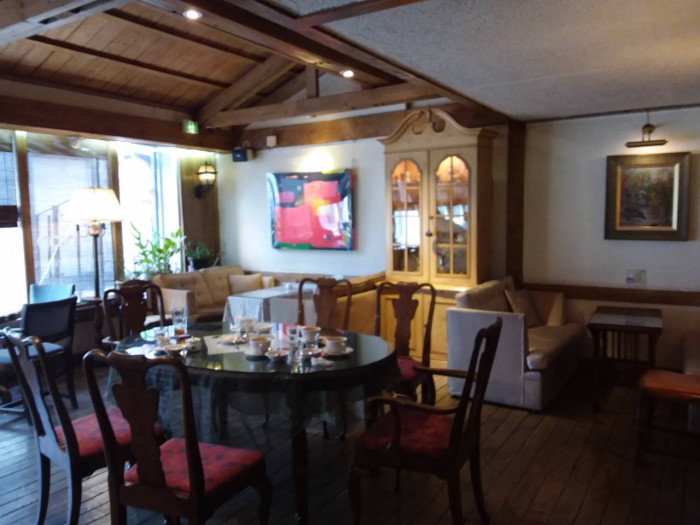
CAFE COIN (카페코인)
771.8M 2021-03-19
10, Myeongdong, 6-gil, Jung-gu, Seoul
+82-2-753-1667
A café featured in a popular Korean drama. This is a cafe located in Jung-gu, Seoul. The representative menu is tiramisu.
Nammun Tobang (남문토방)
778.0M 2019-05-07
73-5, Namdaemunsijang-gil, Jung-gu, Seoul
+82-2-778-6727
This restaurant offers customers loach soup in Gyeongsang-do style and fried loach. Smoked duck shabu shabu and vegetables, as well as Smoked duck casserole are also a good choice.
 English
 한국어
한국어 日本語
日本語 中文(简体)
 Deutsch
 Français
 Español
 Русский


