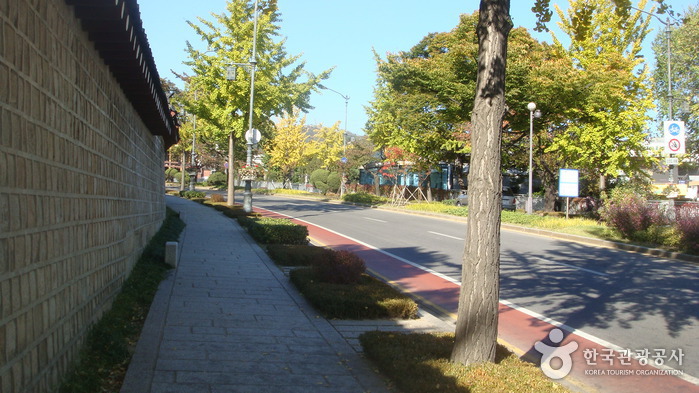
The Street in front of Cheongwadae (The Blue House) (청와대 앞길)
1.8Km 2025-08-20
Gungjeong-dong, Jongno-gu, Seoul
+82-2-120
The street in front of Cheongwadae (the Blue House) is open to the public and includes both Hyoja Samgeori (Hyoja three-way intersection) in Hyoja-dong and Palpan Samgeori (Palpan three-way inetersection) in Palpan-dong. When walking along Hyoja-ro Road from Gyeongbokgung Station, sights include a fountain, Mugunghwa Garden, Yeonmugwan Hall, and Daegogak & Yeongbingwan Hall.
Cheongwadae Sarangchae consists of one basement level and two above-ground levels, including Korean Culture Exhibition Hall, Planned Exhibition Hall, a gift shop, and rest area (Korean Food Promotion Hall, Café) on the first floor and Cheongwadae Hall and Haengboknuri Hall on the second floor. Daegogak Hall houses a book donated to former president, Kim Young-sam for expressing the past spirit of Sinmungo (Petitioner's drum from Korean History). Yeonmugwan Hall is a martial art and fitness center for guards. Mugunghwa Dongsan, formed after the ansa (Safe House) was demolished in 1993, includes a well, mock fortress, and rest area. Located behind Mugunghwa Dongsan is Apostolic Nunciature in Korea and Chilgung (Seven Palaces).
At the beginning of the street in front of Cheongwadae, dense trees and beautiful flower gardens decorating both sides of the road make it a nice place for taking a walk. The area from the north gate of Gyeongbokgung Palace, Chunchumun, to the main gate of Gyeongbokgung Palace, Geonchunmun, is Samcheongdong-gil Road. This road is home to many art galleries, including Kukje Gallery, Growrich Gallery, Gallery Hyundai, and Jin Art gallery, in the area of Hyoja-ro.
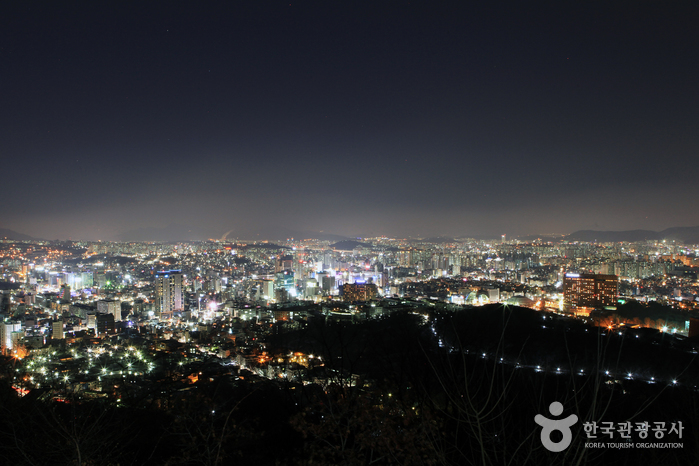
Seoul Namsan Park (남산공원(서울))
1.8Km 2024-03-18
231 Samil-daero, Jung-gu, Seoul
Namsan Mountain rises in the heart of Seoul at an altitude of 265 meters and has been a significant landmark since the Joseon dynasty (1392-1897), leaving behind several ruins. It was heavily damaged in the early 20th century, but was partially restored in 1968 with the creation of the park. Highlights include Namsan Tower and love locks left by numerous couples. Visitors can also easily reach the top by a cable car or bus.
![CheongKwanJang - Jongno 4(sa)-ga Branch [Tax Refund Shop] (정관장 종로4가)](http://tong.visitkorea.or.kr/cms/resource/92/2878192_image2_1.jpg)
CheongKwanJang - Jongno 4(sa)-ga Branch [Tax Refund Shop] (정관장 종로4가)
1.8Km 2024-04-22
Gwangnim Bldg., 195, Jong-ro, Jongno-gu, Seoul
-
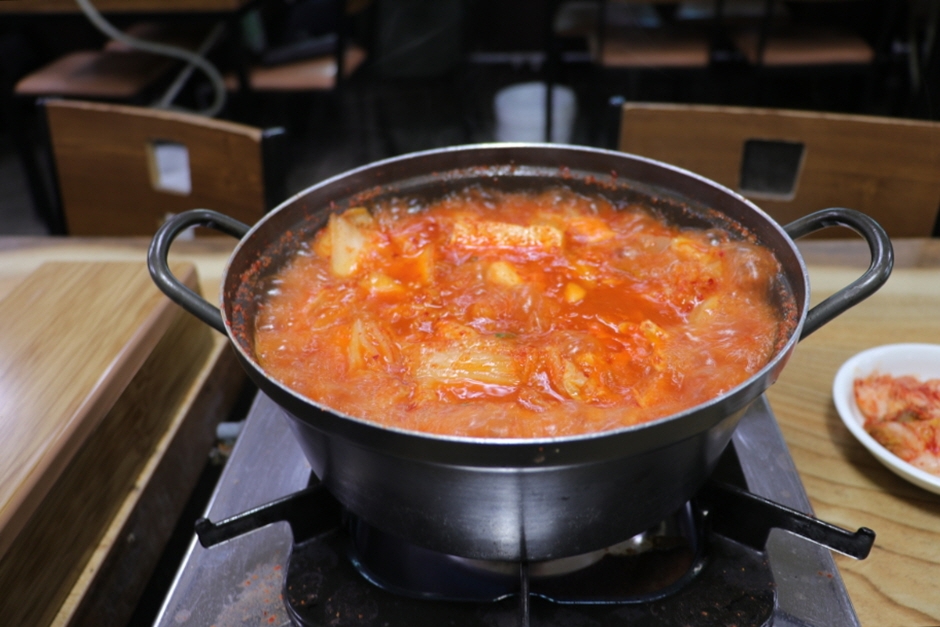
Eunjujeong (은주정)
1.8Km 2024-03-12
32, Changgyeonggung-ro 8-gil, Jung-gu, Seoul
+82-2-2265-4669
Situated near Gwangjang Market, Eunjujeong focuses on kimchi jjigae. Served wrapped in lettuce, it offers a unique delicacy. They also sell barbecued pork belly, which is grilled in the traditional Korean style. After finishig the meal, it's recommended to take a walk along Cheonggyecheon Stream right in front of the restaurant. Across Cheonggyecheon Stream is Gwangjang Market, which is also worth exploring, enriching the experience of the area.
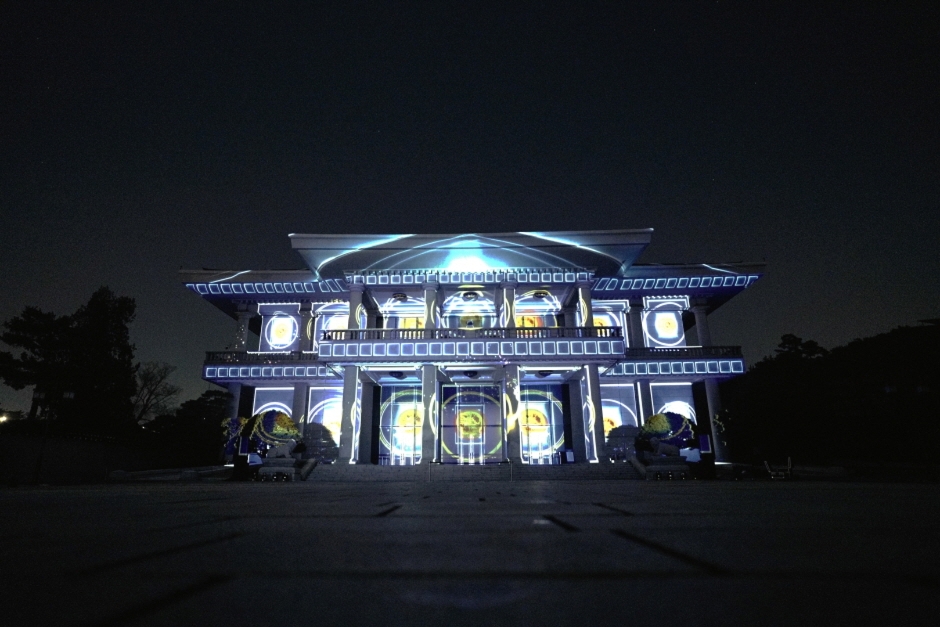
Cheong Wa Dae Media Display (청와대 국민과 함께 영상전시)
1.8Km 2025-08-20
1 Cheongwadae-ro, Jongno-gu, Seoul
박주원 학예연구사 02-3771-8636
Cheong Wa Dae Media Display brightens the night through a media facade display on Yeongbingwan Hall. The display shows the history of Cheong Wa Dae through the theme "Twelve Lights".
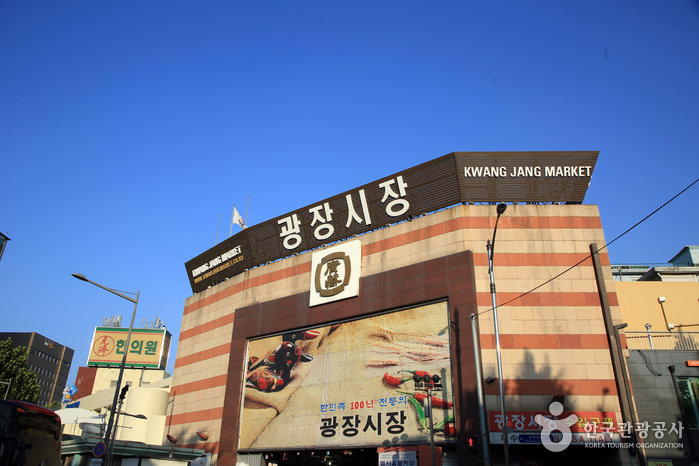
Gwangjang Market (광장시장)
1.8Km 2024-07-08
88, Changgyeonggung-ro, Jongno-gu, Seoul
+82-2-2267-0291
Gwangjang Market was the first permanent market in Korea and continues to thrive as a popular tourist destination today. The name Gwangjang means "to gather from afar and keep altogether." The market began as a small trading center that brought in goods from nearby regions, but has now grown into a large wholesale market selling a variety of goods, including upholstery, imported goods, groceries, dried fish, traditional goods, and more. The most popular section of the market is the food street connected to the East Gate, North Gate 2, and South Gate 1. The food street caters to a wide range of patrons due to the plethora of menus available. It is also one of the most recommended tourist attraction for international travelers.
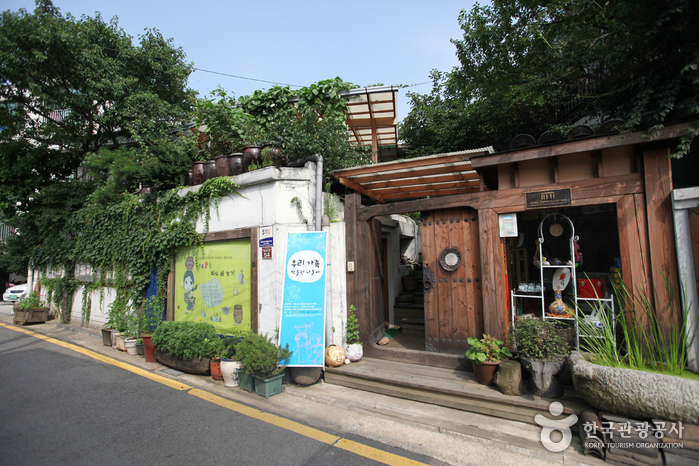
Bukchon Museum (북촌생활사박물관)
1.8Km 2022-08-30
90, Bukchon-ro 5na-gil, Jongno-gu, Seoul
+82-2-736-3957
The Bukchon Museum displays items that have been collected from Bukchon, a historical village that was once home to the nation’s nobility. The museum was founded to observe urban development that took place in the recent decades through collected and preserved veryday household items that were used by Bukchon residents. Visitors are even allowed to touch items on display to better be able to imagine life in Korea before industrialization.

Samcheong-dong Street (삼청동길)
1.9Km 2025-01-22
107 Samcheong-ro, Jongno-gu, Seoul
It is said that Samcheong-dong was named from the story about the three "cheong" (Chinese character meaning clean) of the area, namely the mountain, water, and people. Another theory is that the origin of the region's name came from Samcheongjeon Hall where three tablets called "Taecheong," "Sangcheong," and "Okcheong," were set up based on Taoism. Samcheong-dong Street features a mixture of old scenes of hanok buildings with traditional beauty and modern scenes of galleries and cafés, creating a unique atmosphere. Visitors can feel the abundant cultural mood at every corner of the street through the art galleries, museums, antique shops, and quiet pathways.
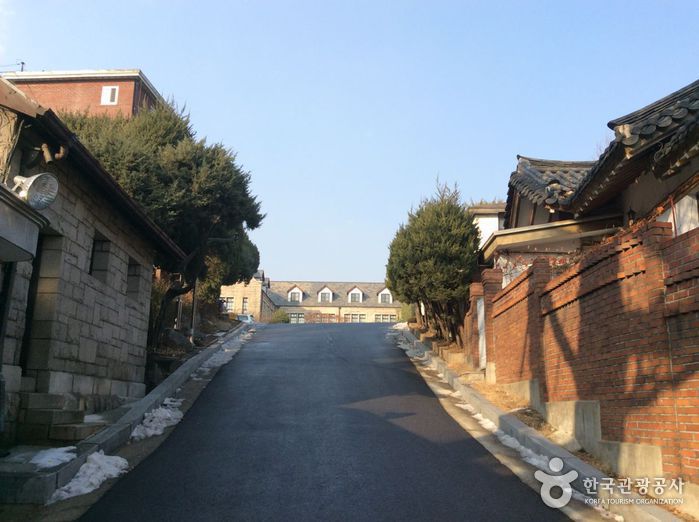
Choong Ang High School (중앙고등학교)
1.9Km 2025-10-23
164 Changdeokgung-gil, Jongno-gu, Seoul
+82-2-742-1321
Choong Ang High School is located in Jong-ro near Samcheongdong-gil. It was built to educate the public at the beginning of the 20th century. The school’s main building was reconstructed in 1937 after the original two-story brick house was destroyed in 1934. The main building situated in front of the main gate is a two-story H-shaped granite stone building in Gothic style, with a four-story tower in the middle.
The school holds historical significance because it was designed by Park Dong Jin, one of Korea's first modern architects and the designer of Korea University’s main building, library, and the Chosun Ilbo Newspaper Company building. The main building of Choong Ang High School is designated as Historic Site No. 281. Many national leaders were educated at the gothic building during the grim period when Korea was trying to escape Japanese colonial rule.
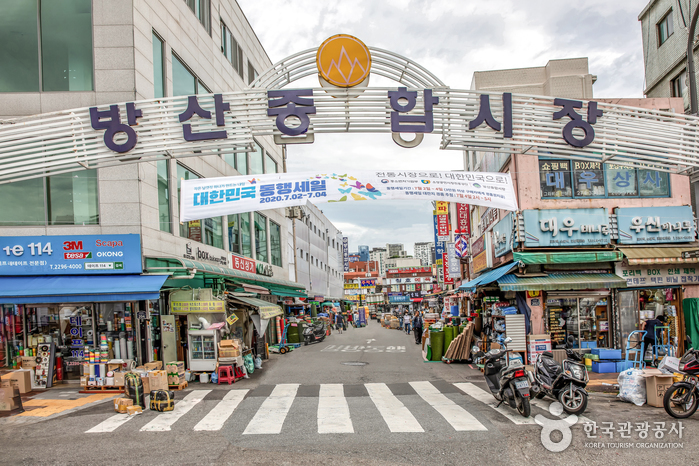
Bangsan Wholesale Market (방산 종합시장)
1.9Km 2025-10-23
20, Dongho-ro 37-gil, Jung-gu, Seoul
+82-2-2268-6691
Bangsan Market is a wholesale market with approximately 250 stores that sells packaging and promotional materials. The market was popular with patissiers in the past and is currently more famous for being a bakery street.
 English
 한국어
한국어 日本語
日本語 中文(简体)
 Deutsch
 Français
 Español
 Русский


