![DAHMSOJUNG[Korea Quality] / 담소정[한국관광 품질인증/Korea Quality]](http://tong.visitkorea.or.kr/cms/resource/92/2477092_image2_1.png)
DAHMSOJUNG[Korea Quality] / 담소정[한국관광 품질인증/Korea Quality]
1.5Km 2025-01-06
16-2, Bukchon-ro 9-gil, Jongno-gu, Seoul
010-3749-9550
Dahmsojung, meaning ‘a house full of laughs’, is a hanok guesthouse that provides sincere services and comfortable relaxation. Located in the middle of Seoul’s city center, this hanok hotel-class guesthouse was built using traditional hanok construction materials including the 200-years-old Korean land pine from Gyeongju, and clay for rooms. The owner originally bought the land to build the residential area for the family, but wishing to promote the charms of the hanok building to foreigners, it was opened as a guesthouse in October 2012. This hanok guesthouse with modern elements is decorated with refined interior items. It provides a special breakfast that consists of steamed rice wrapped in a lotus leaf and tasty side dishes without any artificial seasonings. All the vegetables used for the meals are organic and cultivated by the owner. It also uses refined objects including high quality tableware, bedding (cotton bedclothes with colored stripes), authentic ceramics, lacquered painting by an artisan, and artistic living items. It carries out a cleaning and disinfection process every day as well. In particular, Hinoki cypress with a subtle scent was used for the bathroom. The home bar was installed especially for foreign guests who find it difficult to sit on the floor in the kitchen. These detailed consideration and decorations have attracted many guests including foreign diplomats, VIPs, and so on.
It also operates a hands-on programs including ‘calligraphy’ and ‘making a fan’ that are held on the main floored room and are popular among foreign guests. Dahmsojung offers guests sophisticated services and comfortable facilities with a clean and traditional atmosphere that attracts many domestic and foreign guests.
World Pansori Festival (월드판소리페스티벌)
1.5Km 2025-07-30
28 Toegye-ro 34-gil, Jung-gu, Seoul
+82-2-904-2835
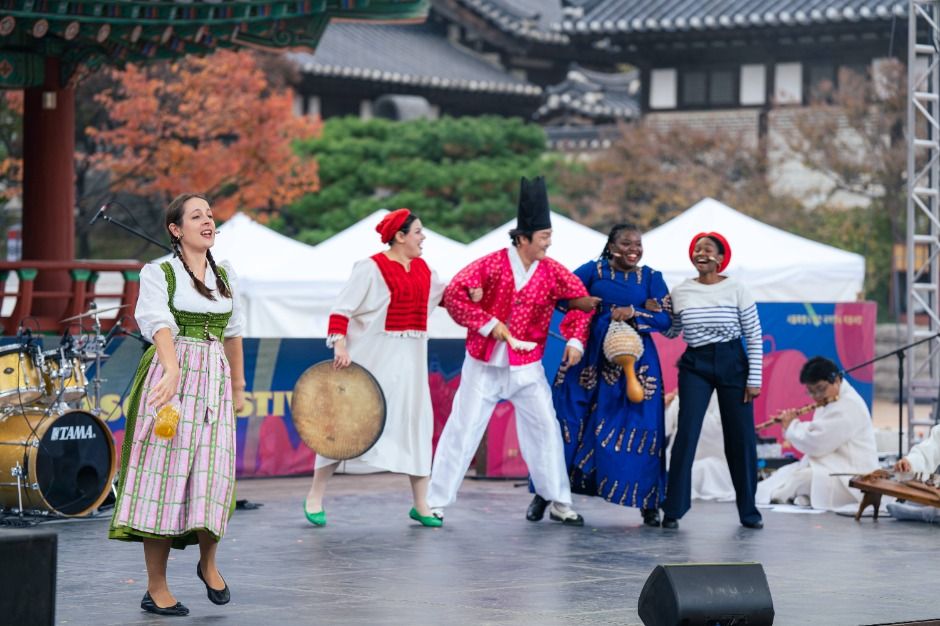
World Pansori Festival is an international music festival that aims to promote pansori, the traditional Korean epic chant, and its values. The festival consists of a variety of performances and concert programs based on its yearly theme. In addition, the festival also has interactive activities for the attendees, such as a free pansori lesson and arts-and-crafts, to make pansori and traditional Korean music more accessible to the public.
Cheolgil Tteokbokki (철길떡볶이)
1.6Km 2024-03-18
35-6 Chungjeong-ro, Seodaemun-gu, Seoul
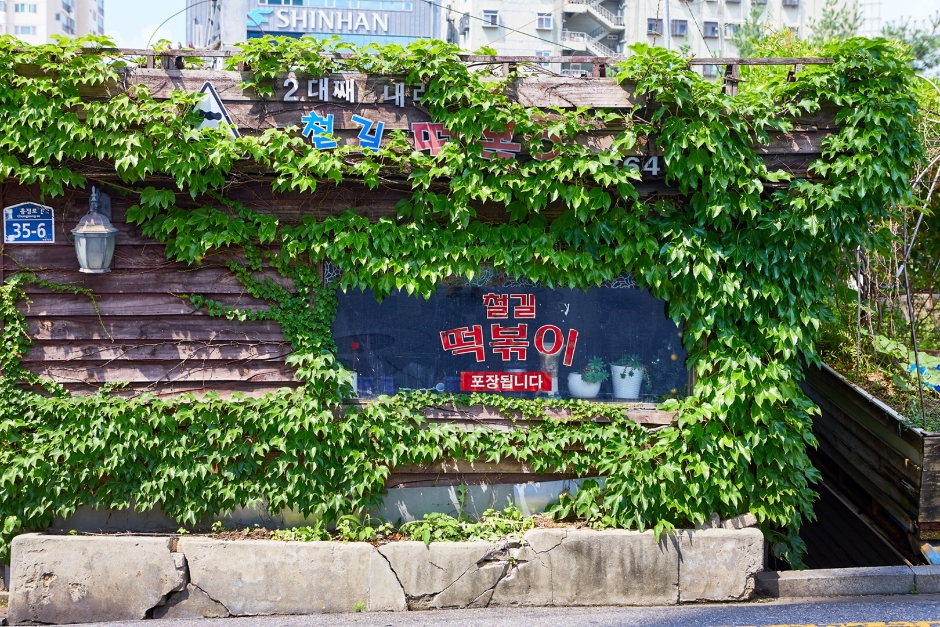
Cheolgil Tteokbokki is a famous pilgrimage site for tteokbokki lovers. As the name suggests, it is located next to the railroad (“cheolgil” in Korean) near Chungjeongno Station. There is a wide variety of Korean dishes available, from tteokbokki that will bring back childhood memories to gimbap, deep-fried dishes, and sundae. As the name suggests, it is located next to the railroad near Chungjeongno Station. The restaurant has been in operation for two generations while maintaining its original appearance. The old signboard and exterior have a nostalgic feeling. Unlike tteokbokki in soup, which is currently popular, this tteokbokki with chewy rice cakes is coated well with thick spicy sauce. It's very delicious when mixed with the restaurant’s deep-fried foods. Visitors are recommended to take the seat outdoors to enjoy the view of the railroad tracks while eating.
Gahoe Museum (가회민화박물관)
1.6Km 2025-10-31
52 Bukchon-ro, Jongno-gu, Seoul
+82-2-741-0466
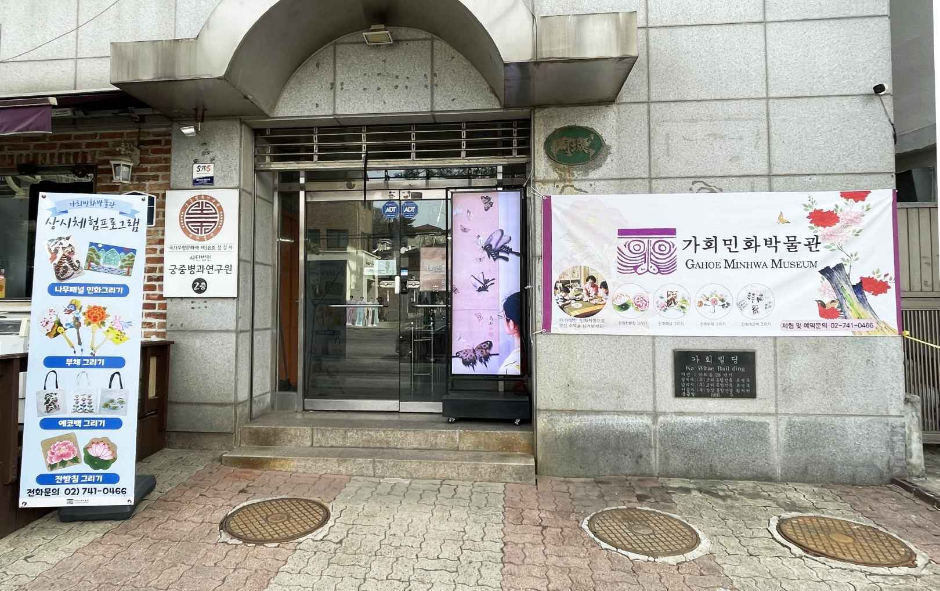
Opened in 2002, Gahoe Museum exhibits folk paintings and amulets reflecting the lifestyle and wishes of the Korean people from ancient times. Inside the Hanok gallery, visitors can immerse themselves in the traditions of Korea, including old paintings depicting people's lifestyle in the past and religious beliefs, and roof tiles in the shape of humans or goblins. Visitors will also find folding screens and religious objects used in the past that show skills and knowledge of Korean ancestors.
Changdeokgung Injeongmun Gate (창덕궁 인정문)
1.6Km 2025-01-14
99, Yulgok-ro, Jongno-gu, Seoul
+82-2-3668-2300
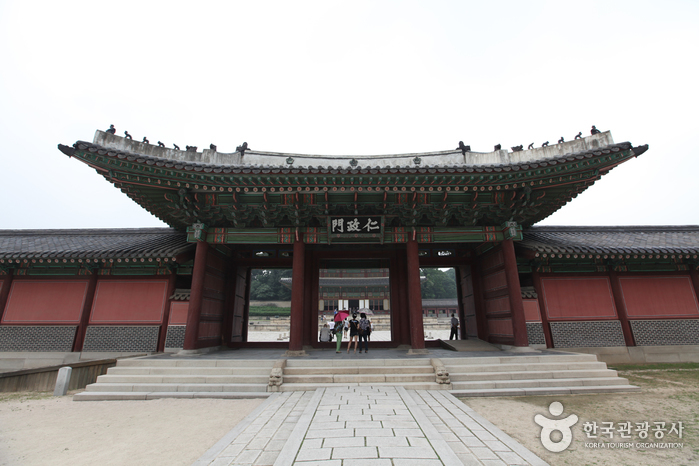
Serving as the main gate of Injeongjeon Hall, Injeongmun Gate was established in 1405 (5th year of King Taejo’s reign during the Joseon dynasty). Later on, the gate was destroyed by multiple fires during the Imjin War (Japanese invasion of Korea in 1592), therefore current form of the establishment displays designs that are more often seen in the late 19th century's. In addition, a lot
of subsidary marks and buildings are removed from the original places and relocated passing the time, however, still remains to represent prestigious ambience.
Injeongmun Gate served as the place for several coronation ceremonies of kings, prince's succession of throne, and many other national affairs celebrated by the royal members who gathered and aligned around this gate.
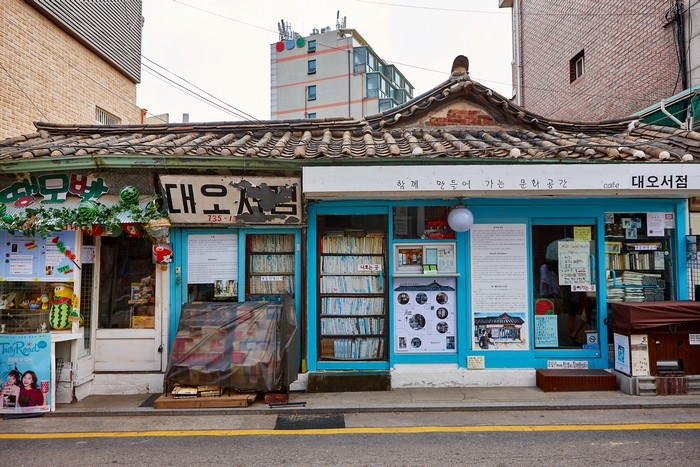
Daeo Bookstore (대오서점)
1.6Km 2025-11-05
55 Jahamun-ro 7-gil, Jongno-gu, Seoul
Daeo Bookstore is the oldest bookstore in Seoul that has been maintained in one place since it opened in 1951. Recently, it has been refurbished as a cultural space with a cafe, where one can enjoy coffee, exhibitions, and performances while looking at the yard. Visitors who just want to browse can purchase a souvenir postcard set for admission. Taking a closer look at books that feel the years and objects that have traces of use, they appear to come rather new.
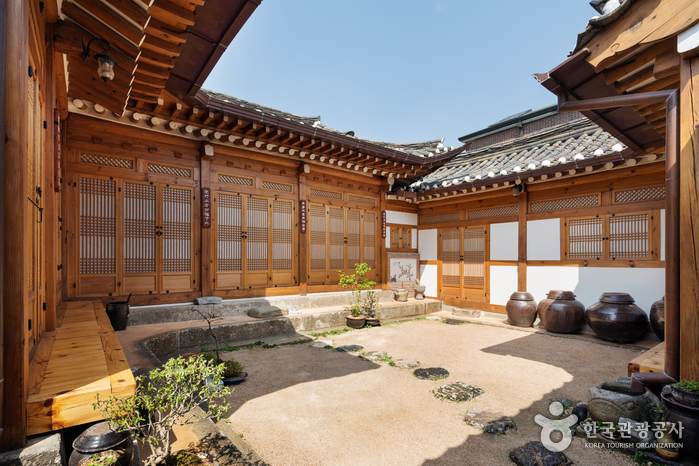
Hanok Guesthouse Dongchonchae (한옥 게스트하우스 동촌재)
1.6Km 2024-12-23
21-10 , Jahamun-ro 11-gil, Jongno-gu, Seoul
+82-10-8561-5227, +82-10-9127-5227
Dongchonjae is a hanok guesthouse in Seochon, Jongno, Seoul. The the Anchae(women's quarters) consists of four sleeping rooms and a cheongmaru lounge space, plus kitchen and toilet. (There are also shared toilets in the yard.) Cooking is not allowed, but guests are welcome to bring in prepared food. A free breakfast is provided. Guests can watch movies in the yard or main hall, and can use the refrigerator and washing machine. A guided night tour of Seoul City Wall is offered, as is a tea ceremony, and rice-cake making experience.
![SAINT JAMES SAMCHEONG[Korea Quality]/세인트 제임스 삼청[한국관광 품질인증]](http://tong.visitkorea.or.kr/cms/resource/08/2628608_image2_1.jpg)
SAINT JAMES SAMCHEONG[Korea Quality]/세인트 제임스 삼청[한국관광 품질인증]
1.6Km 2024-06-26
78 , Samcheong-ro, Jongno-gu, Seoul
+82-742-4628(extension number 207)
The Saint James Samcheong store opened in July 2016 in Samcheong-ro, Jongno-gu, Seoul. The store exemplifies the quiet yet bustling atmosphere of the Samcheong-dong district, and is well-known for its marine styling. It sells men’s, women's and children's wear, plus shoes, bags and fashion accessories. Featured brands include SAINT JAMES (France), BUDDY (Japan), VEJA (France), SOLUDOS (USA), and BRONTE (Netherlands).
![Saint James - Samcheong Branch [Tax Refund Shop] (세인트제임스 삼청)](http://tong.visitkorea.or.kr/cms/resource/56/2889656_image2_1.jpg)
Saint James - Samcheong Branch [Tax Refund Shop] (세인트제임스 삼청)
1.6Km 2024-04-23
B2F, 124, Singomae-ro, Giheung-gu, Yongin-si, Gyeonggi-do
-
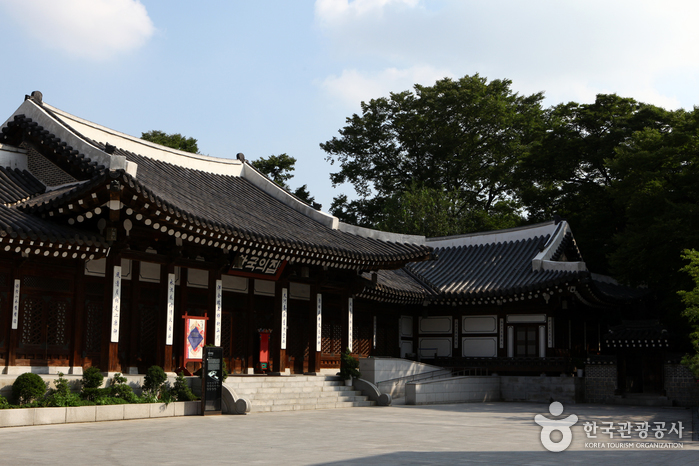
Korea House (한국의집)
1.6Km 2025-10-23
10, Toegye-ro 36-gil, Jung-gu, Seoul
The Korea House was opened in 1981. It is a traditional Korean building that introduces the culture and lifestyle of Koreans, where you can experience traditional architecture and a classical atmosphere. The building was built in the style of the Joseon Dynasty's Jagyeong-jeon building at the Gyeongbok Palace. It is the only building built in the traditional architectural style. You will feel its antiquity as you enter the building.
It is divided into the Haerin-gwan (a space for people to get acquainted with each other), the Traditional Theater, and three annex buildings (Munhyang-ru, Nokeum-jeong and Cheongwu-jeong). At Haerin-gwan, you can enjoy traditional music at Garak-dang and try traditional food at Sohwa-dang. In the square of Garak-dang you can view a traditional wedding (on the weekends) or people playing folk games. Also, at the Traditional Theater, about 156 seats are available, and in the afternoons Human Cultural Assets or members of the National Center for Korean Traditional Performing Arts and the National Corps members present traditional music and dances. Sinayui, Salpuri, Pansori, the Drum Dance and the Bongsan Mask Dance are the most popular programs for foreigners. The programs are all explained in English and Japanese.
In the Cultural Gift Shop you can view various crafts made by traditional craftsmen. It is always open and the crafts are for sale as well. There are pottery, ceramics, golden crafts, knots and embroidery etc; approximately 500 pieces of artwork made by craftsmen from 20 different fields. Next to the House of Korea is the Namsan-gol Hanok Village where visitors can explore traditional houses.
 English
 한국어
한국어 日本語
日本語 中文(简体)
 Deutsch
 Français
 Español
 Русский


