Suseongdonggyegok Valley (수성동계곡)
2.2Km 2023-08-17
185-3, Ogin-dong, Jongno-gu, Seoul 서울특별시 종로구 옥인동
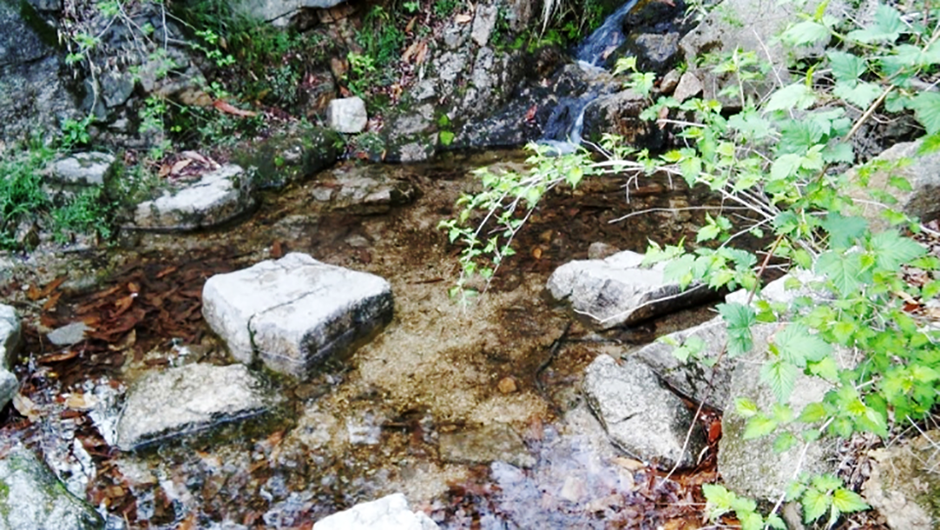
Suseong-dong Valley's stream runs down from Inwangsan Mountain and joins Cheonggyecheon Stream, and it is said that the name of the village was called Suseong-dong during the Joseon dynasty due to the loud and clear sound of the flowing water. It appears in the painting "Jangdong Palgyeongcheop," which is Jangdong Eight Scenic Views, that depicts the eight scenic views of Bugaksan Mountain and Inwangsan Mountain as well as in other historical books of the Joseon dynasty as a place of scenic beauty. The valley was so famous for its beauty, that Prince Anpyeong of the Joseon dynasty built his house "Bihaedang" to fully enjoy the view, and the valley and its stone bridge were designated as a cultural property of Seoul in 2010.
Olivine Spa (올리바인 스파)
2.2Km 2025-10-23
4-1 Tongil-ro 16-gil, Jongno-gu, Seoul
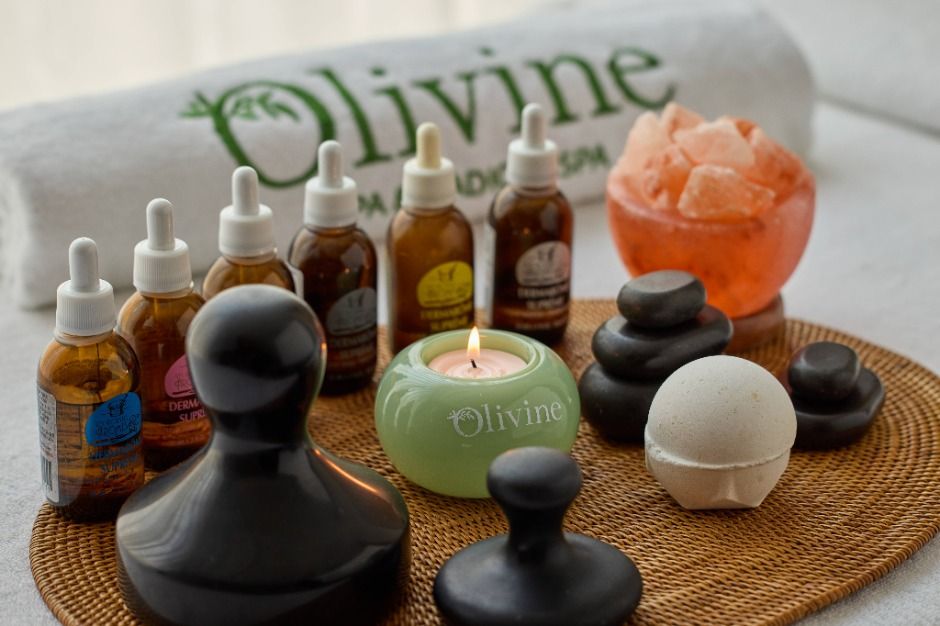
Chosen as one of the 25 recommended wellness tourist destinations by the Ministry of Culture, Sports and Tourism and the Korea Tourism Organization, Olivine Spa operates a luxury spa and a beauty & slimming center in downtown. The spa also provides professional pre-natal and post-natal massage, body shape care, and various beauty programs in partnership with Seran General Hospital and Olivium (a postpartum care center). Olivine Spa provides massages by top-tier therapists in the industry who will relieve fatigue and eliminate toxins accumulated through daily life. They will help your body become healthier and more balanced, ensuring customer satisfaction. Furthermore, Olivine Spa uses Swiss premium brands Les Nouvels Aroma and Darphin in their programs. Its beauty & slimming center provides customized consulting and various beauty-related medical programs in partnership with medical staff at Seran General Hospital.
Daraenamu Tree in Changdeokgung Palace (창덕궁 다래나무)
2.2Km 2025-01-13
99, Yulgok-ro, Jongno-gu, Seoul
+82-2-3668-2300
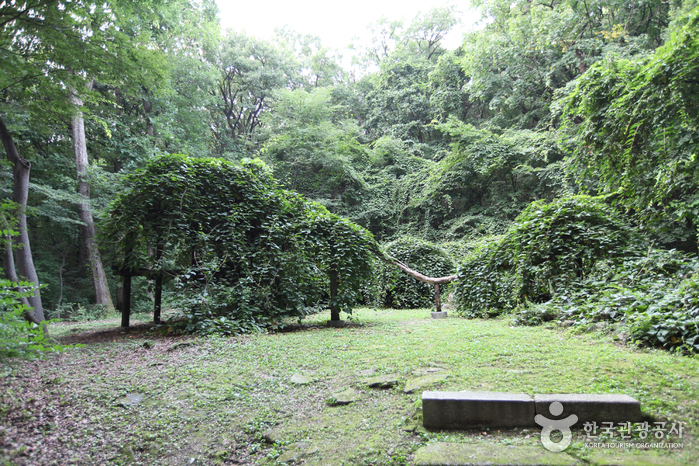
Daraenamu Tree in Changdeokgung Palace is estimated to be 600 years old, meaning it had likely been planted before the palace was built. The tree stands 19m in x_height, and has six separate trunks sprawling in all directions. It is the biggest and the oldest in Korea. It is designated and protected as a National Natural Monument.

Youngone Corporation [Tax Refund Shop] (주식회사 영원무역)
2.2Km 2024-04-19
159, Mallijae-ro, Jung-gu, Seoul
-
Cheonggyecheon Stream (청계천)
2.2Km 2024-05-16
Changsin-dong, Jongno-gu, Seoul
+82-2-2290-7111
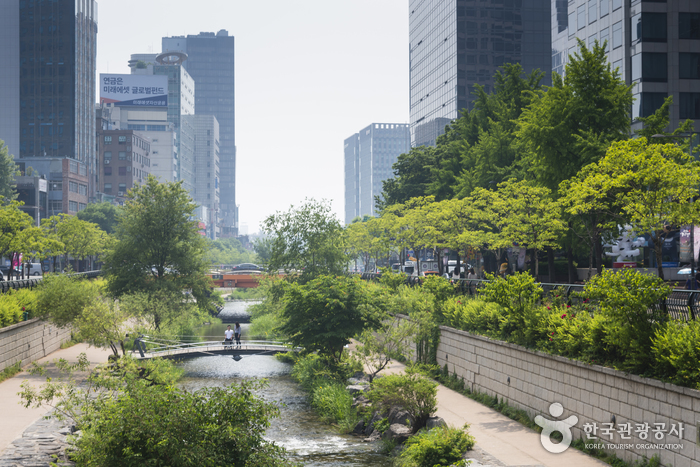
Cheonggye Plaza was built on Sejong-ro Street, where Cheonggyecheon Stream begins. It was built between Dong-A Ilbo, the starting point of the Cheonggyecheon Stream restoration, and Sindap Railroad Bridge, with a length of 160 meters, a x_width of 50 meters, and a total area of 6,962 meters squared. The plaza is decorated with fountains, waterfalls, and walking paths. It was created as a place for meetings, harmony, peace, and unification, to celebrate the significance of the restoration of Cheonggyecheon Stream. A miniaturized version of Cheonggyecheon Stream is displayed here, providing an overview of the restored stream. There are also interpretive panels about the 22 bridges that cross Cheonggyecheon stream. Fountains of various shapes create beautiful scenery. Cheonggyecheon Stream is accessible from the square through stairs on the left and Cheonggye Trail on the right. There is also an 18-meter tunnel on the Cheonggye Trail, providing a unique experience for citizens entering Cheonggyecheon Stream from the plaza. After constructing Cheonggyecheon Plaza, the Seoul Metropolitan Government made it a car-free street on public holidays so that the plaza, waterside area, and streets could be used as cultural spaces for citizens to relax. A spectacular sight is created by three-color lights illuminating the fountains and a two-tiered waterfall coming down from a x_height of four meters. Palseokdam, made of eight stones from eight provinces in Korea, was laid along the waterfall's sides.
Samcheong Park (삼청공원)
2.2Km 2024-03-18
44, Insadong-gil, Jongno-gu, Seoul
+82-2-2148-4150
Samcheong Park is a park that blooms in cherry blossoms in spring and fall colors in fall near Gyeongbokgung Palace. The park is home to a forest library and a café, and visitors can follow the trails to find acupressure trails, exercise equipment, badminton court, tennis court, playground, and a convenience store. The area surrounding the park is home to many galleries and restaurants, so it is a popular destination for walking among the people of Seoul.
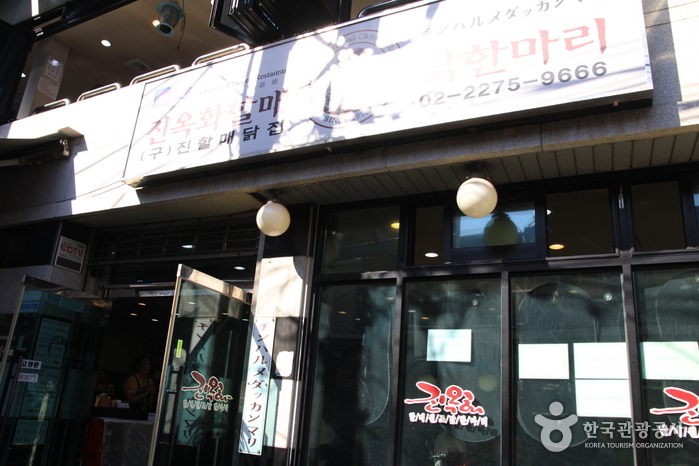
Jinokhwa Halmae Wonjo Dakhanmari (진옥화할매원조닭한마리)
2.3Km 2024-03-04
18 Jong-ro 40ga-gil, Jongno-gu, Seoul
+82-2-2275-9666
Jinokhwa Halmae Wonjo Dakhanmari is a renowned restaurant located in the alley of whole chicken soup near Dongdaemun Market, operating since 1978. Its specialty is dakhanmari (whole chicken soup), a whole chicken boiled in savory and rich broth. Adding finely chopped green onions enhances its refreshing flavor. The chewy rice cakes dipped in the seasoned sauce are also delightful. Additionally, it's customary to enjoy the remaining broth by mixing it with seasoning sauce and noodles, creating a delicious kalguksu (noodle soup).
![CheongKwanJang - Dongdaemun Market Branch [Tax Refund Shop] (정관장 동대문시장)](http://tong.visitkorea.or.kr/cms/resource/33/2878233_image2_1.jpg)
CheongKwanJang - Dongdaemun Market Branch [Tax Refund Shop] (정관장 동대문시장)
2.3Km 2024-04-19
252, Jong-ro, Jongno-gu, Seoul
-
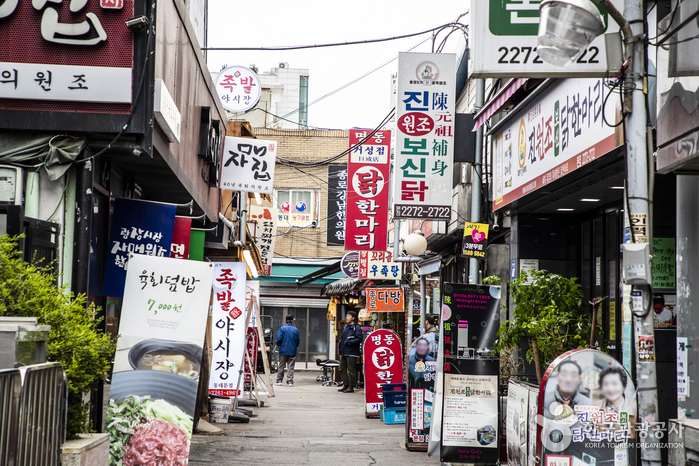
Dongdaemun Dak Hanmari Alley (서울 동대문 닭한마리 골목)
2.3Km 2024-03-04
37-7, Jongno 5(o)-ga, Jongno-gu, Seoul
+82-2-2236-9135
Located near the Dongdaemun Market, Dongdaemun Dak Hanmari Alley gets its name from the restaurants serving dak hanmari (whole chicken soup) that line the alley. Dak hanmari (whole chicken soup), literally “one whole chicken” in Korean, is a dish where a whole chicken is boiled in a soup and served with the alley’s special sauce. After the diners eat the meat, the broth is used to make kalguksu (noodle soup). Because the area is home to large-scale apparel and fashion material markets of the Dongdaemun Market, the district is always lively and bustling.
Seodaemun Prison History Museum (서대문형무소역사관)
2.3Km 2024-12-02
251 Tongil-ro, Seodaemun-gu, Seoul
Seodaemun Prison was built under the Japanese administration to imprison independence movement activists. It first opened on October 21, 1908 under the name Gyeongseong Prison. Eventually, so many activists were imprisoned that the building had to be expanded. At that time, the name changed to Seodaemun Prison on September 3, 1912. Eighty years later, the prison was turned into Seodaemun Independence Park on August 15, 1992 to commemorate the Korean patriots who were tortured in prison, giving their lives for freedom. Of the many buildings, only seven were preserved for their historical significance, among which three prison buildings and the execution site were designated as a Historic Site. In 1998, the park underwent another transformation into today's Seodaemun Prison History Hall to educate the public on the importance of Korea's independence and the sacrifices of those who fought to achieve it.
 English
 한국어
한국어 日本語
日本語 中文(简体)
 Deutsch
 Français
 Español
 Русский


