
Yangbandeck (양반댁)
1.6Km 2024-03-18
19-18 Insadong-gil, Jongno-gu, Seoul
+82-2-733-5507, +82-2-730-1112
Yangbandeck is a traditional Korean house in Insa-dong, serving ganjang gejang (soy sauce marinated crab) and bori gulbi (barley-aged dried yellow croaker). Theganjang gejang is made from crabs filled with roe, matured in soy sauce. The taste of barley-aged dried yellow croaker, made from dried yellow croaker matured in sea breeze and served on top of rice, is exceptional. Each meal comes with a hot pot rice, and side dishes such as soybean paste jjigae, pancakes, kimchi, and japchae are served as standard.
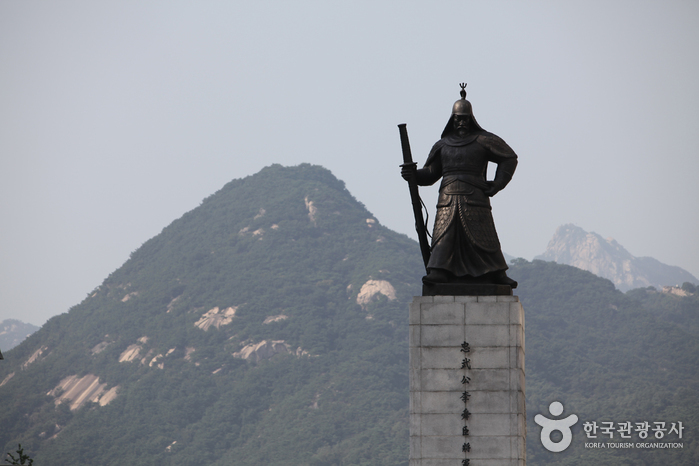
Statue of Admiral Yi Sun-Shin (충무공 이순신 동상)
1.6Km 2024-03-04
175, Sejong-daero, Jongno-gu, Seoul
The Statue of Admiral Yi Sun-Shin can be found at Gwanghwamun Square in Seoul. Admiral Yi Sun-shin (1545-1598) was a naval commander who served during the Japanese invasion of Korea (also known as Imjin War: 1592-1598). The undefeated admiral achieved 23 victories against the Japanese navy using innovative tactics, and he is thus considered as one of the greatest generals in the history of Korea. Admiral Yi’s likeness can be found on the 100 won coin.
Lloyd - Daehangno Branch [Tax Refund Shop] (로이드 대학로)
1.6Km 2024-04-17
1F, 31, Daemyeong-gil, Jongno-gu, Seoul
-
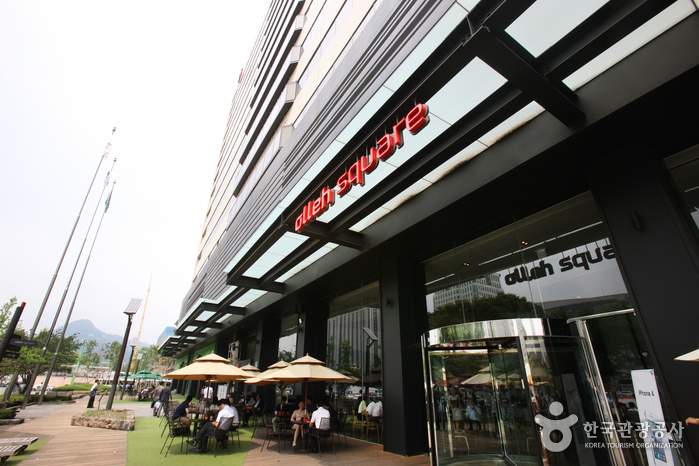
KT Square (KT스퀘어)
1.6Km 2021-07-08
178, Sejong-daero, Jongno-gu, Seoul
+82-1577-5599
KT Square is a multi-complex that offers various cultural performances as well as hands-on experiences of the latest in IT technology. Gallery 130 showcases the history of KT Corp.
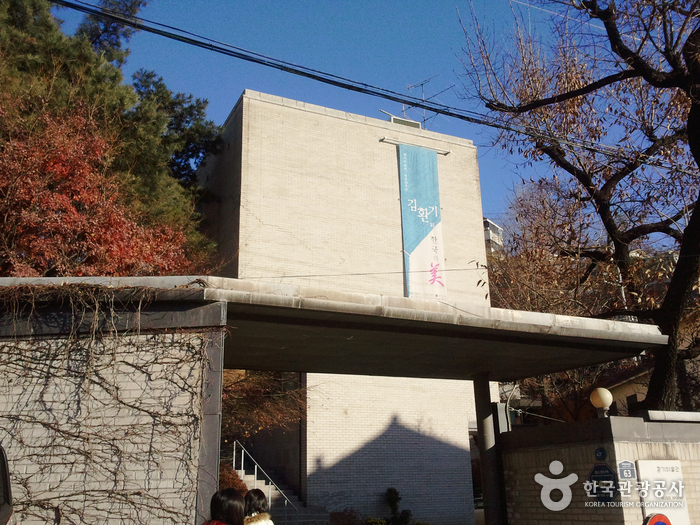
Whanki Art Museum (환기미술관)
1.6Km 2024-03-04
63, Jahamun-ro 40-gil, Jongno-gu, Seoul
+82-2-391-7701
Whanki Art Museum exhibits the works of Kim Whanki (1913-1974), the pioneer of Korean abstract art. Kim was inspired by traditional features such as Korean mountains and streams, the sky, moons and clouds, the white porcelain and traditional patterns, and worked to express them in abstract forms through points, lines, and surfaces. The main collection features nearly 300 works by Kim. One can also find an art shop and a café.
![Lush Korea - Daehangno Branch [Tax Refund Shop] (㈜러쉬코리아 대학로점)](http://tong.visitkorea.or.kr/cms/resource/83/2878183_image2_1.jpg)
Lush Korea - Daehangno Branch [Tax Refund Shop] (㈜러쉬코리아 대학로점)
1.7Km 2024-04-22
27, Daemyeong-gil, Jongno-gu, Seoul
-
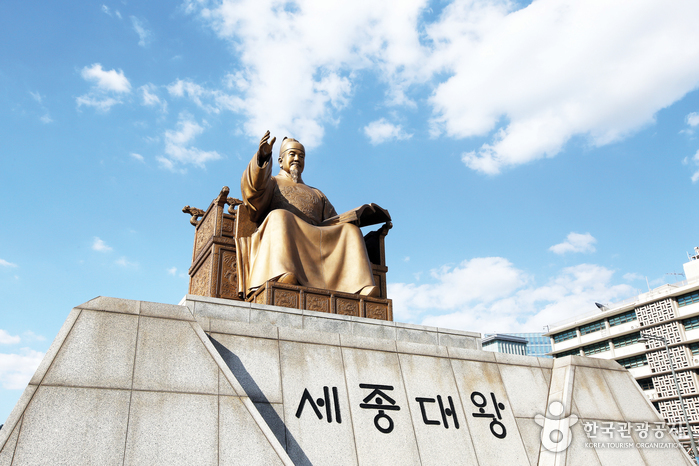
King Sejong Statue (세종대왕 동상)
1.7Km 2024-03-04
175, Sejong-daero, Jongno-gu, Seoul
+82-2-2133-7713
King Sejong Statue can be found at Seoul’s Gwanghawmun Square. The statue commemorates King Sejong the Great (1397-1450, reign 1418-1450), the fourth king of Joseon (1392-1897). He is thought to be the greatest king in Korean history, for he is credited with great developments in science and technology, expansion of Joseon’s territory, and the creation of the Korean script, [Hangeul]. King Sejong’s likeness can be found on the 10,000 won bill as well.
Artbox - Daehangno Branch [Tax Refund Shop] (아트박스 대학로)
1.7Km 2024-04-22
22, Daemyeong-gil, Jongno-gu, Seoul
-
![CheongKwanJang - Gwanghwamun Branch [Tax Refund Shop] (정관장 광화문)](http://tong.visitkorea.or.kr/cms/resource/93/2889693_image2_1.jpg)
CheongKwanJang - Gwanghwamun Branch [Tax Refund Shop] (정관장 광화문)
1.7Km 2024-04-22
20, Sajik-ro 8-gil, Jongno-gu, Seoul
-
The Story of King Sejong (세종이야기)
1.7Km 2022-09-13
jiha 175, Sejong-daero, Jongno-gu, Seoul
+82-2-399-1000
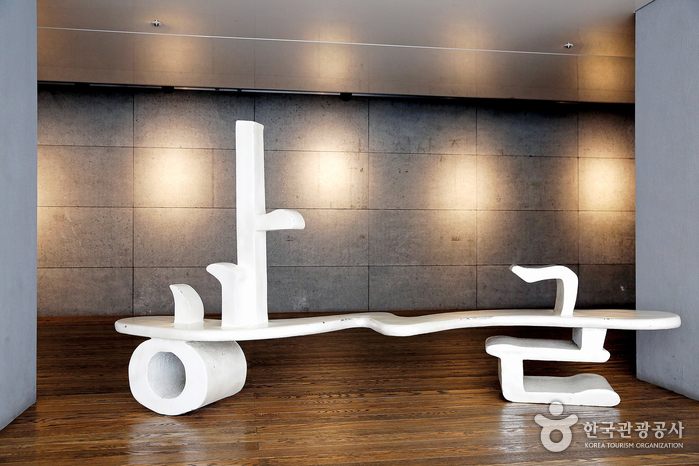
The Story of King Sejong comprises six different sections with a total area of 3,200 square meters. The museum consists of exhibition zones, an event space, video room, shop and more to display King Sejong’s scientific, artistic, military, and political contributions, including the theory of Minbon, which recognized the people as the base of politics. King Sejong, the 4th king of the Joseon dynasty (1397-1450, reigning from 1418-1450) was responsible for some of the most brilliant achievements in the history of Korea, including the creation of Hangeul (Korean alphabet) and great advancements in the areas of science, culture, art and politics.
 English
 한국어
한국어 日本語
日本語 中文(简体)
 Deutsch
 Français
 Español
 Русский


