Daehangno (University Street) (대학로)
1.7Km 2021-03-25
104, Daehak-ro, Jongno-gu, Seoul
+82-2-2148-1114
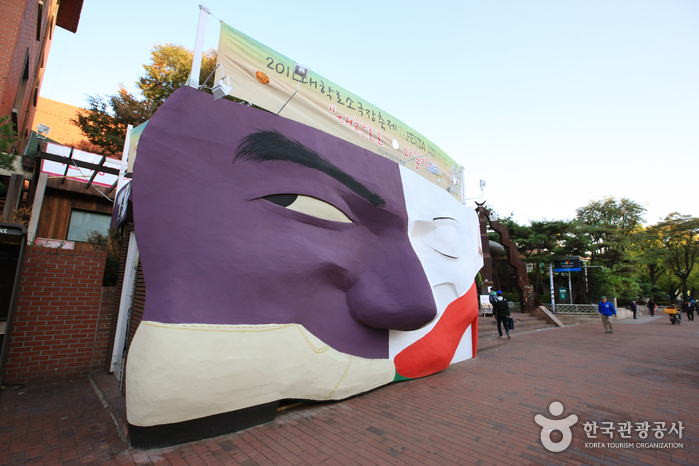
Daehangno is an artistic neighborhood that stretches 1.1 kilometers from Jongno 5-ga Intersection to Hyehwa-dong Rotary. The area is filled with culture and performing arts facilities, with the center of all this being Marronnier Park. Visitors can find performances taking play every day at the many theaters large and small, as well as restaurants serving a range of cuisines. The area is especially active on weekends and during the street festival period.
James Cheese Deunggalbi Myeongdong (제임스치즈등갈비 명동)
1.7Km 2024-03-11
13, Myeongdong 10-gil, Jung-gu, Seoul
+82-2-318-0192
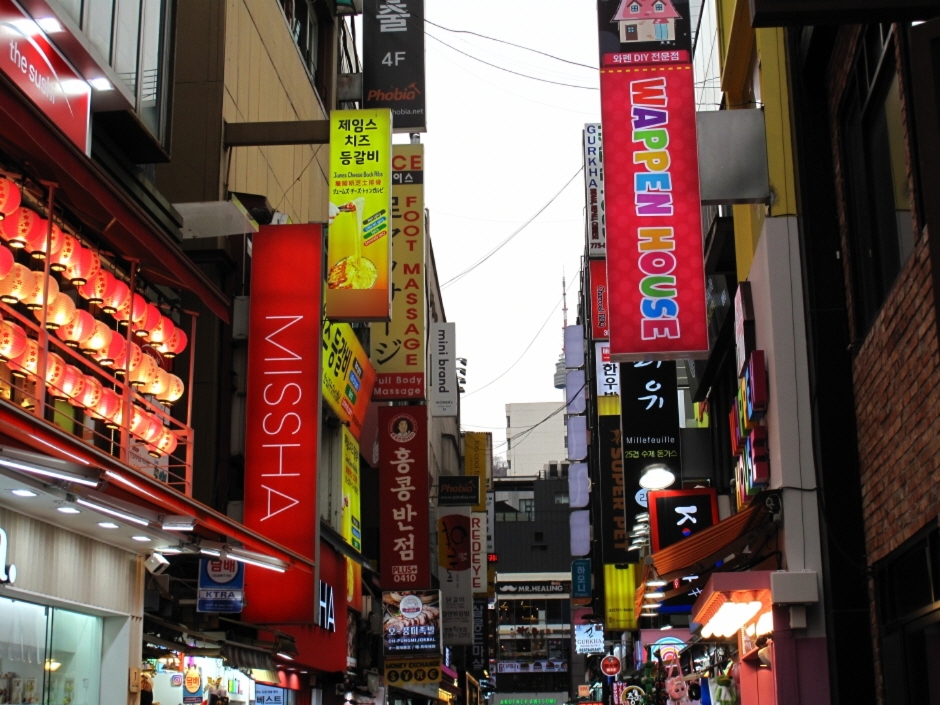
Situated on Myeongdong Street, James Cheese Deunggalbi specializes in deunggalbi (grilled pork galbi). The main dish here is grilled back ribs with cheese, which is characterized by the harmonious combination of Korean food and cheese. Served with bokkeum bap (fried rice) and gyeran jjim (steamed eggs) riceballs, the dish has a richer flavor with less spiciness. The best part is that customers can choose the amount of cheese and the spiciness of the dish, so they can personalize it to their liking.

PAIK's NOODLE Myeongdong (홍콩반점0410(명동점))
1.7Km 2024-03-08
13, Myeongdong 10-gil, Jung-gu, Seoul
02-778-0410
Located in Myeongdong Street, PAIK's NOODLE is a Chinese restaurant that serves Korean-style Chinese cuisine. The price is affordable so that both Koreans and foreigners can easily enjoy chinese dishes. The restaurant focus on jjajang myeon (black bean sauce noodles) and jjamppong (Spicy seafood noodle soup). It's a great place to grab a bite to eat when you're hungry while sightseeing in Myeongdong.
![Homeplus Express - Myeongnyun Branch (No. 2) [Tax Refund Shop] (홈플러스익스프레스 명륜2호)](http://tong.visitkorea.or.kr/cms/resource/80/2878180_image2_1.jpg)
Homeplus Express - Myeongnyun Branch (No. 2) [Tax Refund Shop] (홈플러스익스프레스 명륜2호)
1.7Km 2024-04-18
5, Hyehwa-ro 3-gil, Jongno-gu, Seoul
-
Olive Young - Myeongdong Branch [Tax Refund Shop] (올리브영 명동점)
1.8Km 2024-06-26
14, Myeongdong 8-gil, Jung-gu, Seoul
-
ARKO Art Center (아르코미술관)
1.8Km 2025-06-05
3, Dongsung-gil, Jongno-gu, Seoul
+82-2-760-4850
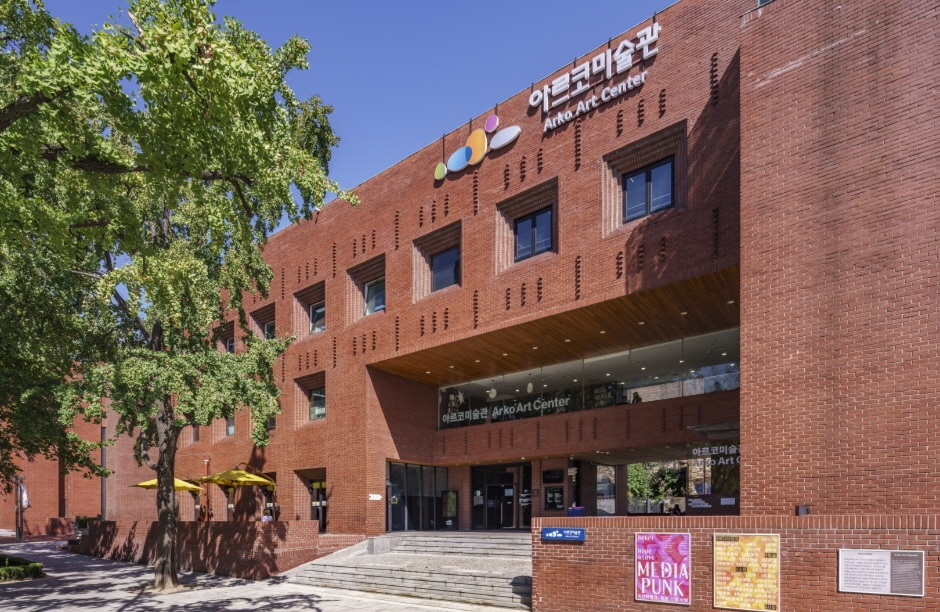
ARKO Art Center was founded in 1974 as Misulhoegwan in a building of former Deoksu Hospital in Gwanhun-dong, Jongno-gu to offer much-needed exhibition space for artists and arts groups. In 1979, Misulhoegwan moved to its present building, designed by preeminent Korean architect Kim Swoo-geun (1931-1986) and located in Marronnier Park, the former site of Seoul National University. The two neighboring brick buildings accommodating ARKO Art Center and ARKO Arts Theater are the major landmarks of the district of Daehakro.
As more public and private museums and commercial galleries came into the art scene in the 1990s, Misulhoegwan shifted to curating and presenting its own exhibitions. Renamed as Marronnier Art Center in 2002, ARKO Art Center assumed a full-fledged art museum system and played an increasingly prominent role as a public arts organization leading the contemporary art paradigm. When The Korea Culture and Arts Foundation was reborn as Arts Council Korea, Marronnier Art Center became ARKO Art Center named after the abbreviation for Arts Council Korea in 2005.
ARKO Art Center is committed to working as a platform where research, production, exhibitions and the exchange of creative activities grow and develop in connection with one another in addition to having a diversity of programs including thematic exhibitions addressing social agenda and public programs widely promoting various discourses in art.
Inwangsan Mountain (인왕산)
1.8Km 2024-03-04
San 2-1, Muak-dong, Jongno-gu, Seoul
+82-2-2148-2834
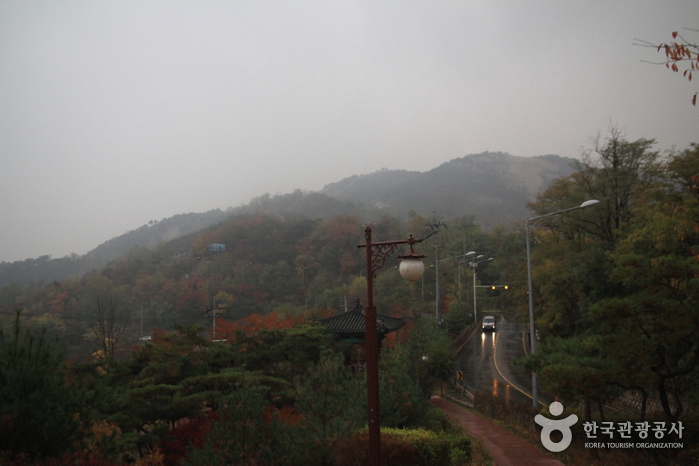
Inwangsan Mountain is a rocky mountain located to the northwestern side of Seoul. It stands 338m tall. The Seoul City Wall is built along its ridge, connecting to the Baegak Mountain Trail. From the summit, one can see the three mountains of Naksan Mountain, Namsan Mountain, and the Bugaksan Mountain surrounding the historical center of Hanyang, the historical name for Seoul in Joseon period, with the Gyeongbokgung Palace at the center. There are five hiking trails, all taking about two hours to complete. It takes about three hours if you want to visit all the peaks of the mountain.
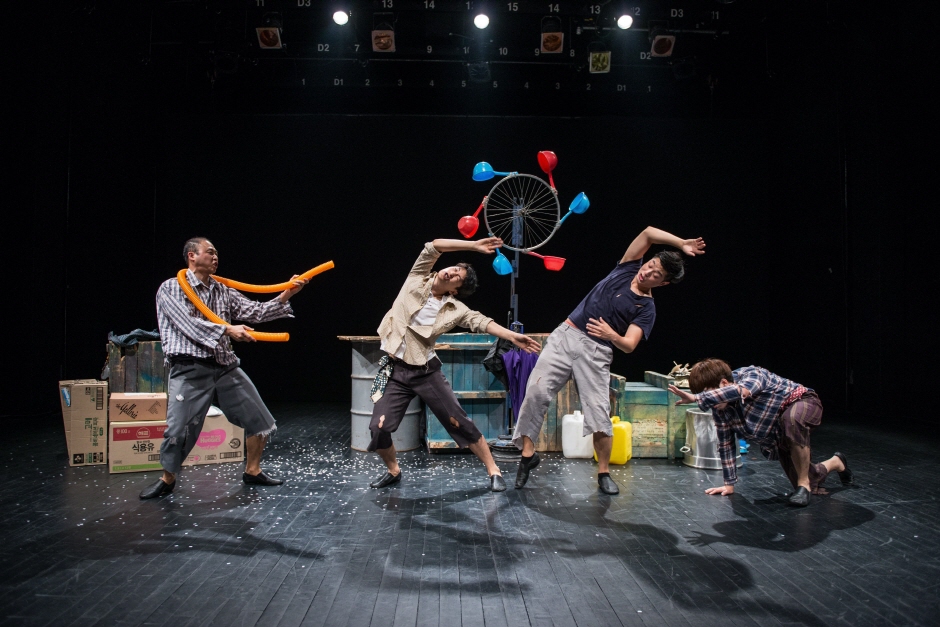
D. Festa: Daehakro Street Performance Festival (대학로 거리공연축제)
1.8Km 2025-06-16
1, Daehak-ro 8-gil, Jongno-gu, Seoul
• 1330 Travel Hotline: +82-2-1330 (Korean, English, Japanese, Chinese) • For more info: +82-2-741-4188
Started in 2015, Daehakro Street Performance Festival provides various performances including plays, dances, mimes and more. The festival aims to provide hope and changes in daily life through diverse performances.
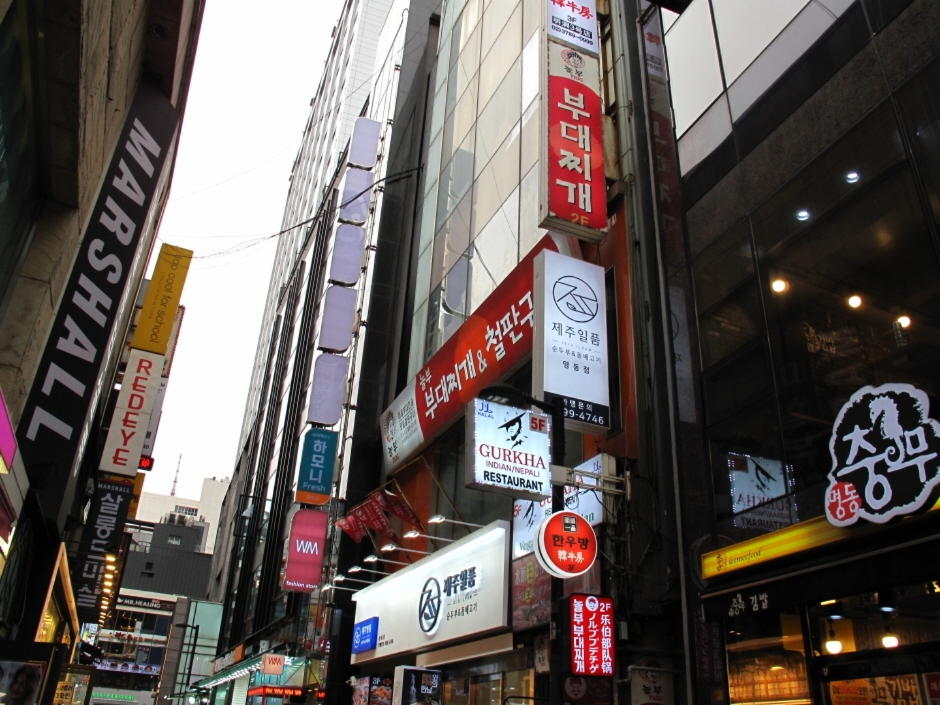
Nolbu Budaejjigae Myeongdong (놀부부대찌개 명동)
1.8Km 2024-03-11
16-1, Myeongdong, 10-gil, Jung-gu, Seoul
+82-2-3789-0110
Situated in Myeongdong, Nolbu Budaejjigae in Myeongdong is exclusively dedicated to budae jjigae (sausage jjigae). Budae jjigae is a typical Korean fusion food consisting of ham, sausage, kimchi, extra instant noodles, tiny rice cakes, glass noodles, and spicy seasonings. They use selected ham and sausage in a bone broth, and fresh noodles that are not fried, giving the dish a light and refreshing flavor. Patrons have the option to spicy stir-fried small intestine and shrimp hot pot. The seasoned spicy stir-fried webfoot octopus or spicy stir-fried chicken cooked on an iron plate is also a must-try.
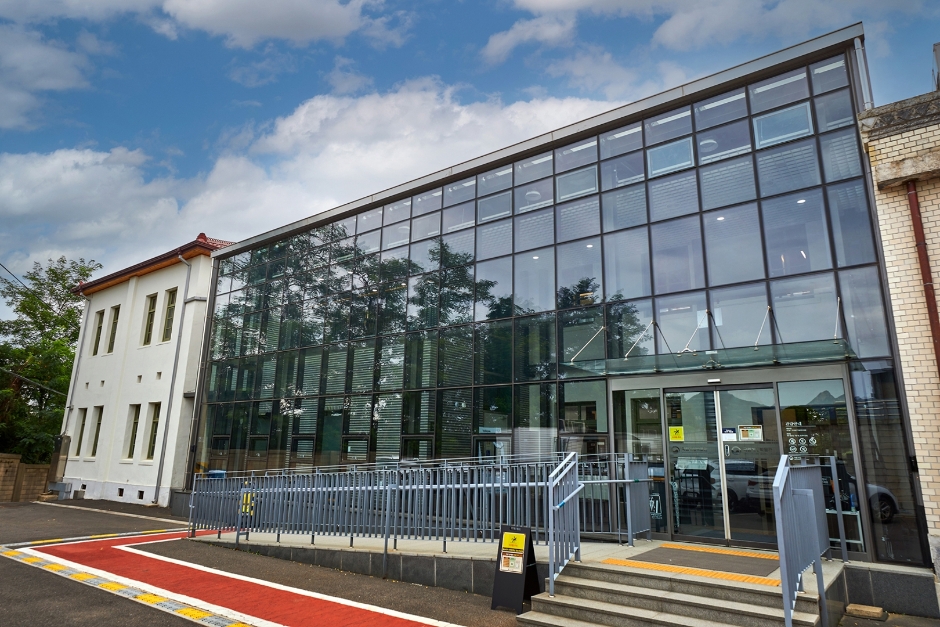
National Meteorological Museum of Korea (국립기상박물관)
1.8Km 2024-03-26
52 Songwol-gil, Jongno-gu, Seoul
A museum where one can look at Korea's meteorological observation history and technological development through exhibitions. The museum has the world's first rain gauge, invented in 1441, in the early Joseon dynasty. The museum operates approximately 350 meteorological observatories across Korea and focuses on promoting the uniqueness and excellence of Korea's meteorological science. There are permanent collections and special exhibitions. The permanent collections focus on the history of meteorological science in Korea. At the same time, the special exhibitions take a closer look at the history and information about meteorological science and natural disasters (e.g., earthquakes) that occurred in various regions of Korea. There are experience programs related to meteorological science, such as making a rain gauge or learning about rain gauges.
 English
 한국어
한국어 日本語
日本語 中文(简体)
 Deutsch
 Français
 Español
 Русский


