
Artbox - Ewha Womans Univ. Branch [Tax Refund Shop] (아트박스이대점)
3.6Km 2024-04-19
7, Ewhayeodae-gil, Seodaemun-gu, Seoul
-
Artbox - Ewha Womans Univ. Branch [Tax Refund Shop] (아트박스 이대)
3.6Km 2024-04-17
7, Ewhayeodae-gil, Seodaemun-gu, Seoul
-
Soon Chun Hyang University Hospital Seoul (순천향대학교 부속 서울병원)
3.6Km 2025-10-23
59 Daesagwan-ro, Yongsan-gu, Seoul
Soonchunhyang University Hospital Seoul has established a systematic and dedicated system for international patients covering all stages from pre-entry processes to departure and aftercare. Based on the medical records provided by the patient, we consult with the medical staff of each specialty to come up with an estimated treatment plan and costs to help patients prepare for their treatment in Korea. Our dedicated outpatient and inpatient teams provide expert medical interpretation, guidance, and integrated appointment management to ensure prompt and organized medical care for international patients throughout their stay. Complete with spacious and comfortable rooms, the International Ward is staffed by coordinators and a nursing team reserved for international patients. Multidisciplinary care with organized systems, state-of-the-art medical equipment, and top-notch medical staff ensure accurate diagnosis and the best treatment outcomes possible.
![Innisfree - Ewha Womans Univ. Station Exit No. 1 Branch [Tax Refund Shop] (이니스프리 이대역1번출구)](http://tong.visitkorea.or.kr/cms/resource/85/2888885_image2_1.jpg)
Innisfree - Ewha Womans Univ. Station Exit No. 1 Branch [Tax Refund Shop] (이니스프리 이대역1번출구)
3.6Km 2024-04-22
1F, 175, Sinchon-ro, Seodaemun-gu, Seoul
-
![Nature Republic - Gongdeok Station Branch [Tax Refund Shop] (네이처리퍼블릭 공덕역점)](http://tong.visitkorea.or.kr/cms/resource/92/2878392_image2_1.jpg)
Nature Republic - Gongdeok Station Branch [Tax Refund Shop] (네이처리퍼블릭 공덕역점)
3.6Km 2024-04-22
Store #626-138, B200 Baekbeom-ro, Mapo-gu, Seoul
-
CU - Sungin Dongyang Paraville Branch [Tax Refund Shop] (cu숭인파라빌점)
3.6Km 2024-06-26
1F, #104, 251, Nangye-ro, Jongno-gu, Seoul
-
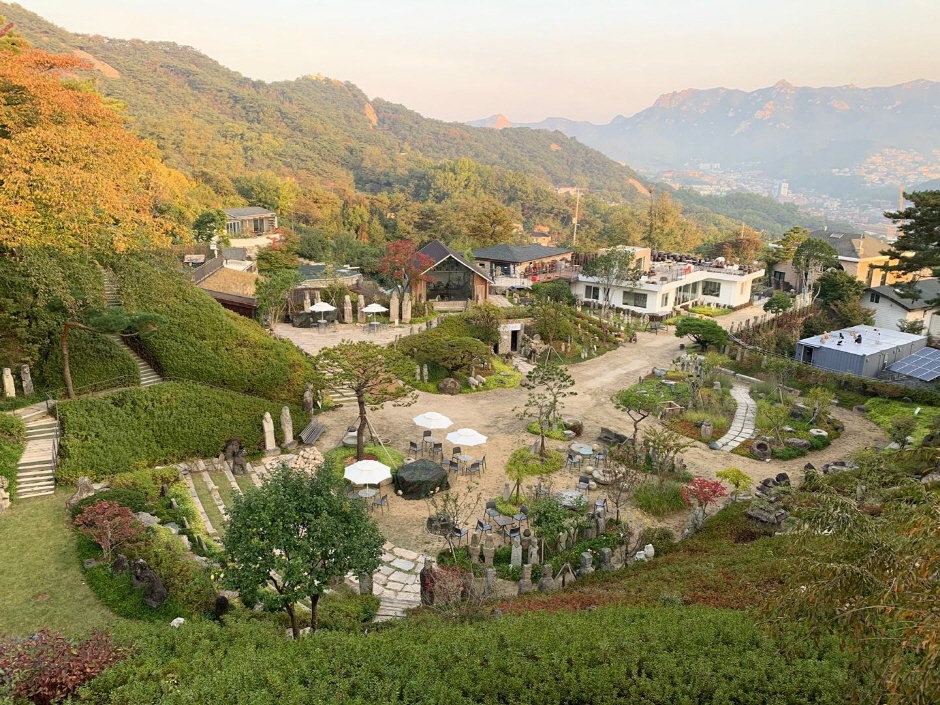
Mok In Museum Mok Seok Won (목인박물관 목석원)
3.6Km 2021-09-01
46-1, Changuimun-ro 5-gil, Jongno-gu, Seoul
+82-2-722-5066
Mok In Museum Mok Seok Won relocated in 2019 from Insa-dong to Buam-dong. Six exhibition halls offer visitors a look at wooden figures from around the world. Mokin refers to traditional wooden sculptures carved in shapes of human figures or various animals. The museum holds around 12,000 wooden folk sculptures including those used to decorate funeral carriages and temples mostly from the Joseon dynasty up to modern times. The museum also has an outdoor exhibition hall that harmonizes the sculptures with nature.
CheongKwanJang - Ewha Womans Univ. Station Branch [Tax Refund Shop] (정관장 이대역)
3.6Km 2024-04-22
1F, 173, Sinchon-ro, Seodaemun-gu, Seoul
-
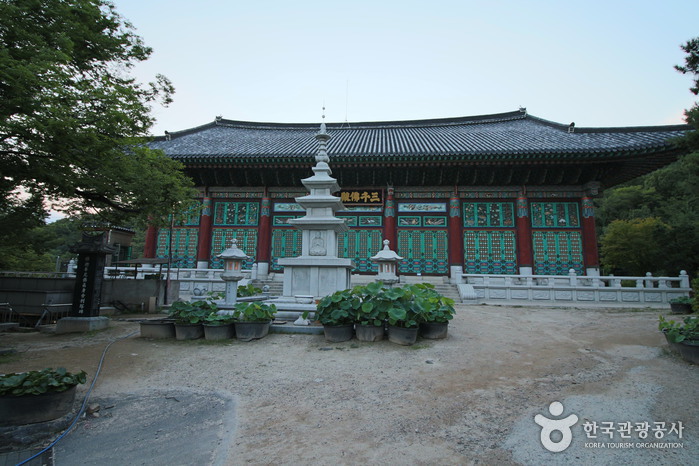
Bongwonsa Temple (봉원사)
3.6Km 2023-03-13
120, Bongwonsa-gil, Seodaemun-gu, Seoul
+82-2-392-3007
Located on the outskirts of Ansan Mountain in Bongwon-dong, Seodaemun-gu, Seoul, Bongwonsa Temple, as the center of Korean Buddhism Taego, is a thousand-year-old temple with a long history and tradition. In 889 (3rd year of Shilla Queen Jinseong’s reign), Monk Doseon founded it at the ground of Yeonhui Palace (now Yonsei Univ.) and named it Banyasa temple. It was destroyed during the Imjin War in 1592, and later in 1748 (the 24th year of Joseon King Yeongjo’s reign), it was rebuilt and renamed “Bongwonsa” by two Buddhist monks, Chanjeup and Jeungam.
“Yeongsanjae,” one of the Buddhist rituals and also a National Intangible Cultural Property, takes place at Bongwonsa on June 6 every year wishing for world peace and the reunification of North and South Korea. It was designated as one of the Intangible Cultural Heritage of Humanity by UNESCO in 2009. During Yeongsanjae, visitors can enjoy the Buddhist arts such as Beompae (Buddhist temple music for rituals) and dancing. Also, during summertime, Seoul Lotus Flower Culture Festival takes place, where visitors can enjoy the beautiful lotus flowers which are a symbol of Buddhism.
Cheongun Literature Library (청운문학도서관)
3.6Km 2023-08-16
40 , Jahamun-ro 36-gil, Jongno-gu, Seoul
Cheongun Literature Library is located at the foot of Inwangsan Mountain and can be reached by following the mountain's walking trail starting from Changuimun Gate along the fortress wall. This public hanok library is designed in consideration of the sloped topography and the natural scenery of Inwangsan Mountain. The library consists of two floors: an underground floor and a ground floor. While the ground floor is designed as a traditional hanok, the underground floor is made of concrete to support the hanok building and the spacious outdoor yard. By implementing the natural slope in the library's design, the underground southern entrance is exposed, allowing sunlight to enter. The underground floor features a wide collection of books while the ground floor serves as a place for reading. The natural environment surrounding the library adds to the hanok building's traditional and peaceful charms.
 English
 한국어
한국어 日本語
日本語 中文(简体)
 Deutsch
 Français
 Español
 Русский


