
Miduem Optics [Tax Refund Shop] (믿음안경)
1.4Km 2024-06-27
33-1, Namdaemunsijang 4-gil, Jung-gu, Seoul
-
![Yeonwoohouse [Korea Quality] / 연우하우스 [한국관광 품질인증]](http://tong.visitkorea.or.kr/cms/resource/52/3009452_image2_1.jpg)
Yeonwoohouse [Korea Quality] / 연우하우스 [한국관광 품질인증]
1.5Km 2023-09-12
5-13 , Bukchon-ro 12-gil, Jongno-gu, Seoul
+82-2-742-1115
Yeonoo House is a quiet and cozy traditional hanok in Bukchon Hanok Village, Jongno, Seoul. There are two small rooms, each with its own bathroom. Residents can access a superb panoramic view of Bukchon Hanok Village by mounting a ladder up to the roof. As Yeonoo is an old building, careful attention is paid to hygiene management. Gyeongbokgung Palace, Cheonggyeonggung Palace, and Changdeokgung Palace are all nearby.
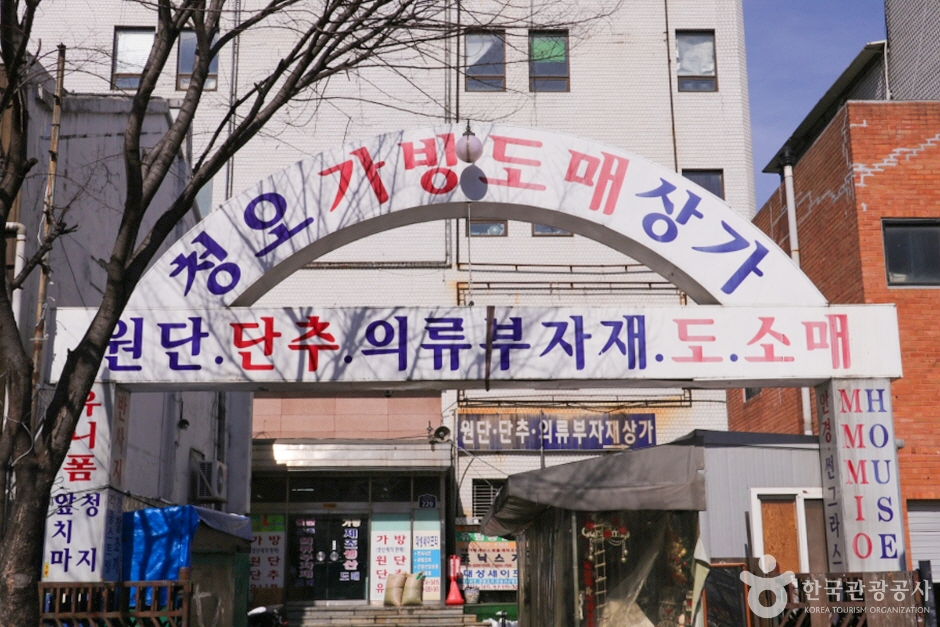
Cheonggye 5-ga Bag Wholesale Shopping Center / Cheong'o Bag Shopping Center (청계5가 가방도매상가 / 청오가방상가)
1.5Km 2024-03-18
229 Cheonggyecheon-ro, Jongno-gu, Seoul
Cheonggye 5-ga Bag Wholesale Shopping Center is a place where you can purchase various types of bags at affordable prices. They offer a diverse range of items including handbags, briefcases, suitcases, and school bags. Selling unique models produced directly from their own factory, the prices are reasonable, and the quality is excellent. The shopping center also houses wholesale stores for clothing and bag accessories.
Choeun Optical - Hoehyeon Branch [Tax Refund Shop] (조은안경 회현)
1.5Km 2024-04-22
Joeun Eyewear, 42, Namdaemunsijang 4-gil, Jung-gu, Seoul
-
Choeun Optical [Tax Refund Shop] (조은안경)
1.5Km 2024-06-27
42, Namdaemunsijang 4-gil, Jung-gu, Seoul
-
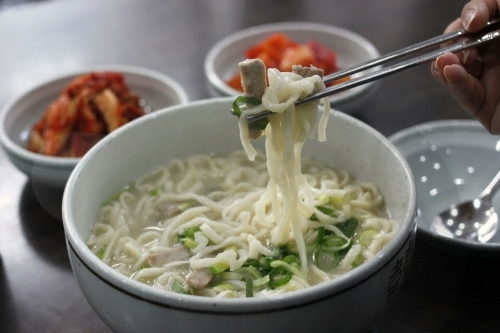
Jeongdong Guksi (정동국시)
1.5Km 2024-06-19
5 Jeongdong-gil, Jung-gu, Seoul
02-732-0114
Jeongdong Guksi features a rich soup with a clean taste, created by carefully removing the oil dozens of times while boiling Korean beef bones for 15 hours. The restaurant uses this same beef bone broth in their mandutguk (dumpling soup), something not many restaurants do. The rich flavor of the broth combined with the soft dumplings, made in-house daily, is a must-try. The restaurant is also surrounded by many cultural and artistic spaces, making it a great addition to tours in the area.
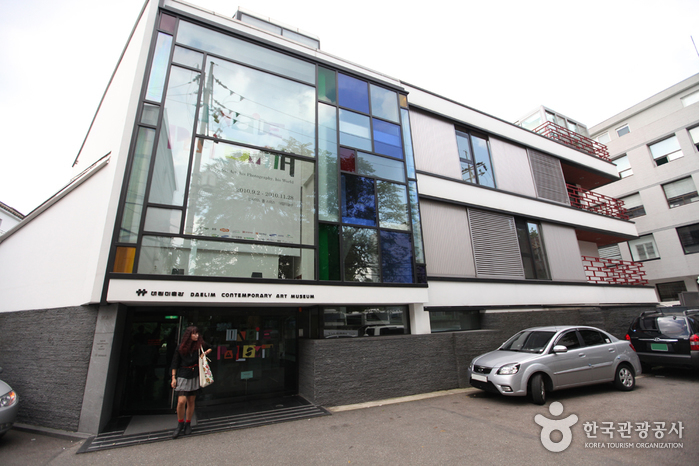
Daelim Museum (대림미술관)
1.5Km 2022-07-29
21, Jahamun-ro 4-gil, Jongno-gu, Seoul
+82-2-720-0667
The Daelim Museum, built by the Daelim Group, was first established in Daejeon in 1996 and later moved to Jongno, Seoul in 2002. The art gallery studies, analyzes, and presents modern art through the lens of photography and holds exhibitions centered around photo media.
The museum is located in the residential area of Tongui-dong, near the time-honored Gyeongbokgung Palace. The museum, which was designed by French architect, Vincent Cornu, and built by the Daelim Corporation, opened its door to the public in late May 2002.
On the first floor, there is a garden, parking lot, reception desk, storage area, and conference room. On the second and third floor are offices and exhibition hall approximately 595 m² in size, consisting of small and large rooms, a long gallery, and a special high-ceilinged exhibition space. On the fourth floor, there is a seminar room that can seat up to 120 guests and a balcony with a beautiful view. From the balcony of the seminar room, Visitors can also enjoy a wide open view of Inwangsan Mountain and Bukhansan Mountain. The stained glass panels (designed to reflect the beauty of traditional Korean wrapping cloth) and the scenic lounges on the 2nd and 3rd floors of the building add to the overall charm.
Above all else, the museum was designed with consideration of the photos, which are very sensitive to humidity, light, and temperature.
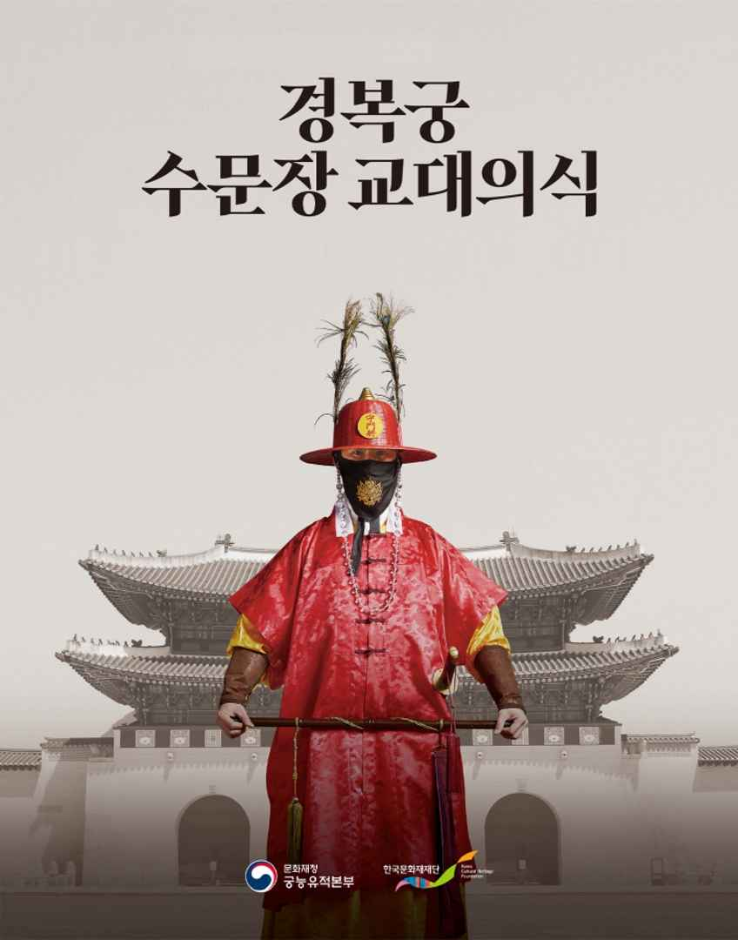
Palace Royal Guard Changing Ceremony (수문장 교대의식)
1.5Km 2025-07-11
161 Sajik-ro, Jongno-gu, Seoul
+82-2-3210-1645
In the Joseon dynasty, the royal guards of the palace were gatekeepers who were responsible for guarding the the main gates of Gyeongbokgung Palace as well as the main gates of the city such as Heunginjimun Gate and Sungnyemun Gate. The royal guards worked in shift duties and were in charge of opening and closing Gwanghwamun Gate. Before the royal guard system was enforced in 1469, the palace gates were protected by soldiers of the central army. The Palace Royal Guard Changing Ceremony held at Gyeongbokgung Palace and the Gwanghwamun area reenacts the guard-changing procedure that took place during the Joseon dynasty, along with the reproduction of costumes and weapons, based on historical records.
![Hanaro Optics [Tax Refund Shop] (하나로안경원)](http://tong.visitkorea.or.kr/cms/resource/80/2878580_image2_1.jpg)
Hanaro Optics [Tax Refund Shop] (하나로안경원)
1.5Km 2024-04-19
48, Namdaemunsijang 4-gil, Jung-gu, Seoul
-
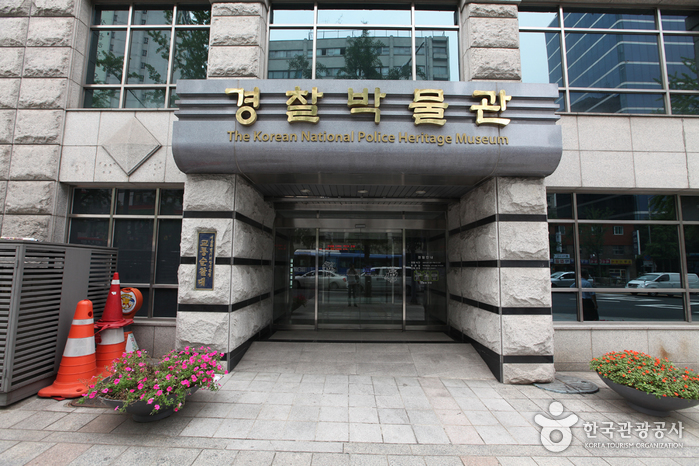
Korean National Police Heritage Museum (경찰박물관)
1.5Km 2021-12-21
41, Saemunan-ro, Jongno-gu, Seoul
+82-2-3150-3681
The police museum opened on October 14, 2005 to give a better understanding of the job of the police and to offer a formal education to children who wish to become police officers in the future. The history hall of the museum is designed for visitors to learn about the history of Korean police at a glance, exhibiting information on the police force from the Joseon dynasty up until current times.
Visitors to the museum can pretend to be police officers by touching actual equipment and learning about an officer's daily tasks. Visitors can also get in patrol cars, wear a police uniform, experience shooting a gun through a simulation, and learn self-defense martial arts and arrest techniques. Visitors can also go to the museum jail.
 English
 한국어
한국어 日本語
日本語 中文(简体)
 Deutsch
 Français
 Español
 Русский


