
Samcheong Park (삼청공원)
2.7Km 2024-03-18
44, Insadong-gil, Jongno-gu, Seoul
+82-2-2148-4150
Samcheong Park is a park that blooms in cherry blossoms in spring and fall colors in fall near Gyeongbokgung Palace. The park is home to a forest library and a café, and visitors can follow the trails to find acupressure trails, exercise equipment, badminton court, tennis court, playground, and a convenience store. The area surrounding the park is home to many galleries and restaurants, so it is a popular destination for walking among the people of Seoul.
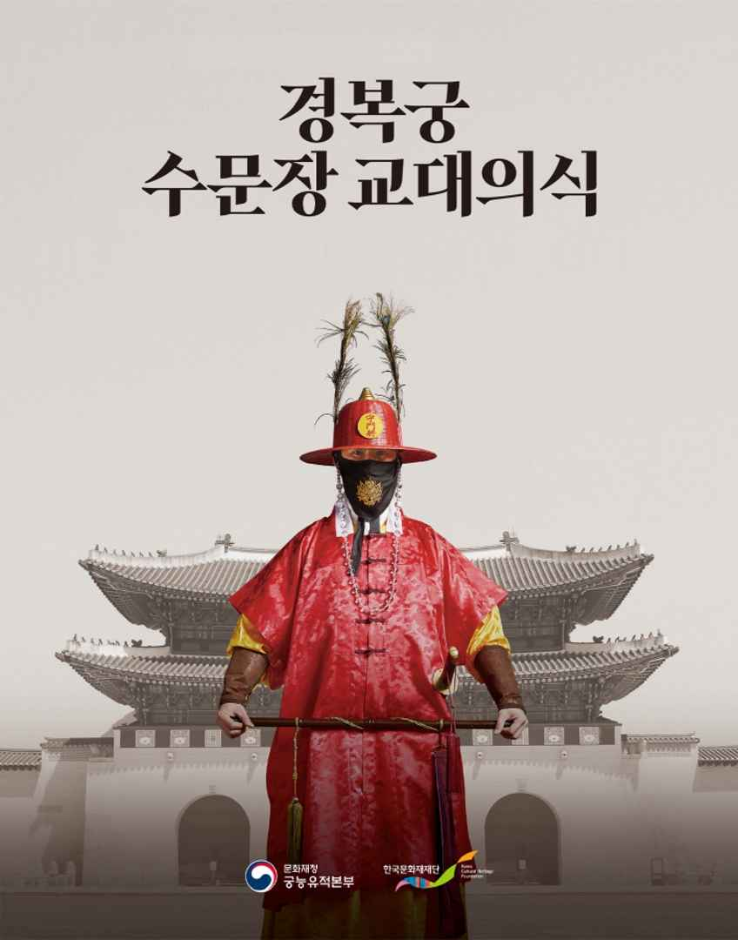
Palace Royal Guard Changing Ceremony (수문장 교대의식)
2.7Km 2025-07-11
161 Sajik-ro, Jongno-gu, Seoul
+82-2-3210-1645
In the Joseon dynasty, the royal guards of the palace were gatekeepers who were responsible for guarding the the main gates of Gyeongbokgung Palace as well as the main gates of the city such as Heunginjimun Gate and Sungnyemun Gate. The royal guards worked in shift duties and were in charge of opening and closing Gwanghwamun Gate. Before the royal guard system was enforced in 1469, the palace gates were protected by soldiers of the central army. The Palace Royal Guard Changing Ceremony held at Gyeongbokgung Palace and the Gwanghwamun area reenacts the guard-changing procedure that took place during the Joseon dynasty, along with the reproduction of costumes and weapons, based on historical records.
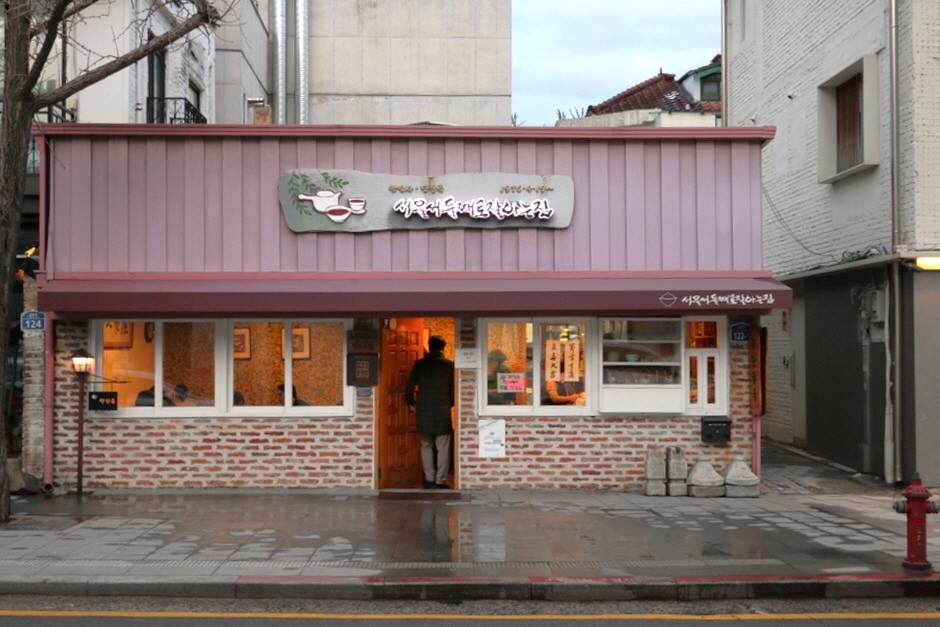
Seoureseo Duljjaero Jalhaneunjip (서울서둘째로잘하는집)
2.7Km 2024-03-15
122-1 Samcheong-ro, Jongno-gu, Seoul
+82-2-734-5302
Seoureseo Duljjaero Jalhaneunjip is a sweet red bean porridge and traditional tea house near Gyeongbokgung Palace. Sweet red bean porridge is a sweet and smooth dish typically containing chewy rice cakes and chestnuts. In Korea, it's a traditional food eaten during dongji (the shortest day and longest night of the year). They also offer traditional teas like ssanghwatang (herbal tonic tea), which contains seven medicinal herbs, sujeonggwa (cinnamon punch) with a blend of cinnamon and ginger flavors, and sikhye (sweet rice punch), a drink known for aiding digestion.
![Miduem Eyewear - Hoehyeon Branch [Tax Refund Shop] (믿음안경 회현)](http://tong.visitkorea.or.kr/cms/resource/82/2878582_image2_1.jpg)
Miduem Eyewear - Hoehyeon Branch [Tax Refund Shop] (믿음안경 회현)
2.7Km 2024-04-18
33-1, Namdaemunsijang 4-gil, Jung-gu, Seoul
-
Miduem Optics [Tax Refund Shop] (믿음안경)
2.7Km 2024-06-27
33-1, Namdaemunsijang 4-gil, Jung-gu, Seoul
-
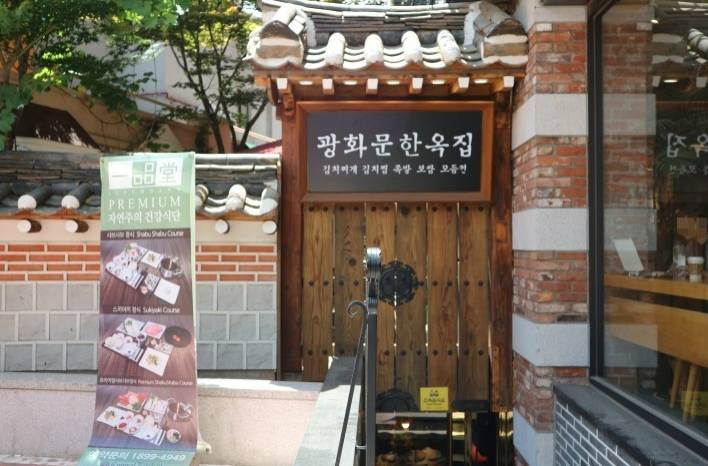
Gwanghwamun Hanokjip (광화문한옥집)
2.7Km 2024-10-15
7, Saemunanro5ga-gil, Jongro-gu, Seoul
+82-2-731-2500
A store with rooms reproducing a traditional kitchen. The best menu at this restaurant is napa wraps with pork. This is a Korean cuisine located in Gwanghwamun Gate, Seoul.
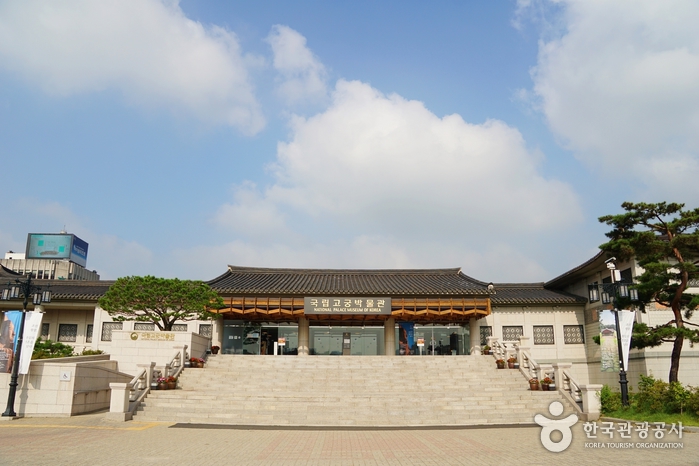
National Palace Museum of Korea (국립고궁박물관)
2.7Km 2023-03-24
12, Hyoja-ro, Jongno-gu, Seoul
+82-2-3701-7500
The National Palace Museum of Korea displays over 40,000 relics from the Joseon dynasty. With various treasures on exhibit, the museum continues to provide information on the dignity of royal culture and the creativity of royal cultural assets.
Regal Optical [Tax Refund Shop] (리갈안경)
2.7Km 2024-04-19
Store #123, Section Ra-3 of Myeongdong Underground Shopping Center, 2, Namdaemun-ro, Jung-gu, Seoul
-
Namdaemun Daeho Optic [Tax Refund Shop] (남대문대호안경)
2.7Km 2024-06-27
B1, #7, 32, Namdaemunsijang 4-gil, Jung-gu, Seoul
-
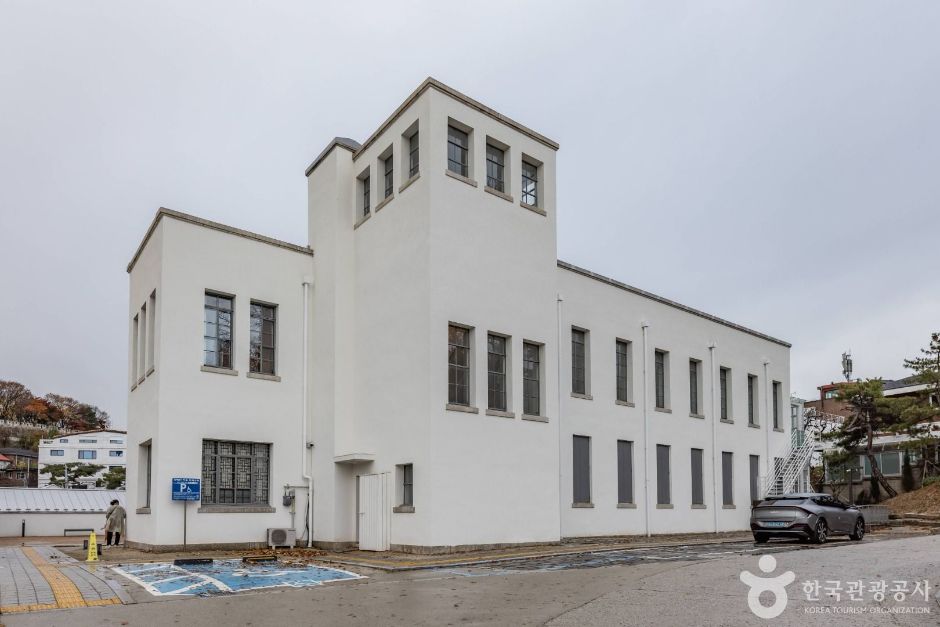
Kansong Art Museum (간송미술관(서울 보화각))
2.7Km 2025-06-30
102-11 Seongbuk-ro, Seongbuk-gu, Seoul
Kansong Art Museum was the first private art museum in Korea, opened as Bohwagak in 1938 by Kansong Jeon Hyeong-pil. The name was changed to the current Kansong Art Museum in 1966. Bohwagak was designated as National Registered Cultural Heritage No. 768 on December 30, 2019. Jeon Hyeong-pil dedicated his life to preserving and researching Korea’s representative relics that were devaluated and purposefully obliterated during the Japanese colonial era, as well as to acknowledging their cultural excellence and beauty. The museum houses 11 national treasures and 24 treasures.
 English
 한국어
한국어 日本語
日本語 中文(简体)
 Deutsch
 Français
 Español
 Русский


