
CU - Cheongdam Samhwan Branch [Tax Refund Shop] (cu청담삼환점)
5.4Km 2024-06-27
1F, #102 and #103, 49, Hakdong-ro 77-gil, Gangnam-gu, Seoul
-
![Etude House - Sejong Univ. Branch [Tax Refund Shop] (에뛰드하우스 세종대)](http://tong.visitkorea.or.kr/cms/resource/97/2878797_image2_1.jpg)
Etude House - Sejong Univ. Branch [Tax Refund Shop] (에뛰드하우스 세종대)
5.4Km 2024-04-18
Store #101, Hui Bldg., 390, Gwangnaru-ro, Gwangjin-gu, Seoul
-
![Olive Young - Aeogae Station Branch [Tax Refund Shop] (올리브영 애오개역)](http://tong.visitkorea.or.kr/cms/resource/85/2888685_image2_1.jpg)
Olive Young - Aeogae Station Branch [Tax Refund Shop] (올리브영 애오개역)
5.4Km 2024-04-16
#107, and #108, 201, Mapo-daero, Mapo-gu, Seoul
-
Dongnimmun Gate (독립문)
5.4Km 2022-12-15
251, Tongil-ro, Seodaemun-gu, Seoul
Dongnimmun stands at the location originally known as Yeongeun, where envoys were once treated. When a Chinese envoy visited, the King would go out through this door to greet. In 1898, to announce the independence from Japan, Dongnimun was constructed with the fund collected by the citizens. The traces of the past still remain on Dongnimmun with two pillars in front of Dongnimmun being the remains of Yeongeunmun.
The Arc de Triomphe in France can be recalled in comparison to Dongnimmun. Dongnimmun was built using granite with a passageway x_height of 14.28 meters. On the top it is written ‘Dongnimmun’ in Korean with the national flag drawn on each side. On the inner-left side there are stone stairs leading to the attic. The national flower Mugunghwa are planted around Dongnimmun. Now it is surrounded by roads and it is eye-catching to view when passing by.
Seodaemun Prison History Museum (서대문형무소역사관)
5.4Km 2024-12-02
251 Tongil-ro, Seodaemun-gu, Seoul
Seodaemun Prison was built under the Japanese administration to imprison independence movement activists. It first opened on October 21, 1908 under the name Gyeongseong Prison. Eventually, so many activists were imprisoned that the building had to be expanded. At that time, the name changed to Seodaemun Prison on September 3, 1912. Eighty years later, the prison was turned into Seodaemun Independence Park on August 15, 1992 to commemorate the Korean patriots who were tortured in prison, giving their lives for freedom. Of the many buildings, only seven were preserved for their historical significance, among which three prison buildings and the execution site were designated as a Historic Site. In 1998, the park underwent another transformation into today's Seodaemun Prison History Hall to educate the public on the importance of Korea's independence and the sacrifices of those who fought to achieve it.
Maehwa Banjeom (매화반점)
5.4Km 2024-03-19
96 Dongil-ro 18-gil, Gwangjin-gu, Seoul
+82-2-498-1939
Maehwa Banjeom offers a fusion of Lamb skewers, lamb chops, and traditional Chinese cuisine. Fresh vegetables and sauces are used daily to prepare dishes upon order. While yangkkochi (lamb skewers) and guobaorou (sweet and sour pork in sweet rice batter) are signature dishes, gaji bokkeum (stir-fried eggplant) and cream saeu (shrimp with cream sauce) are also popular choices. Located within the alley of Lamb Skewers Street, just 300 meters from Exit 5 of Konkuk University Station.
CU - Hankuk University of Foreign Studies Branch [Tax Refund Shop] (cu한국외국어대학교점)
5.4Km 2024-06-27
107, Imun-ro, Dongdaemun-gu, Seoul
-
Jinmi Sikdang (진미식당)
5.5Km 2024-02-27
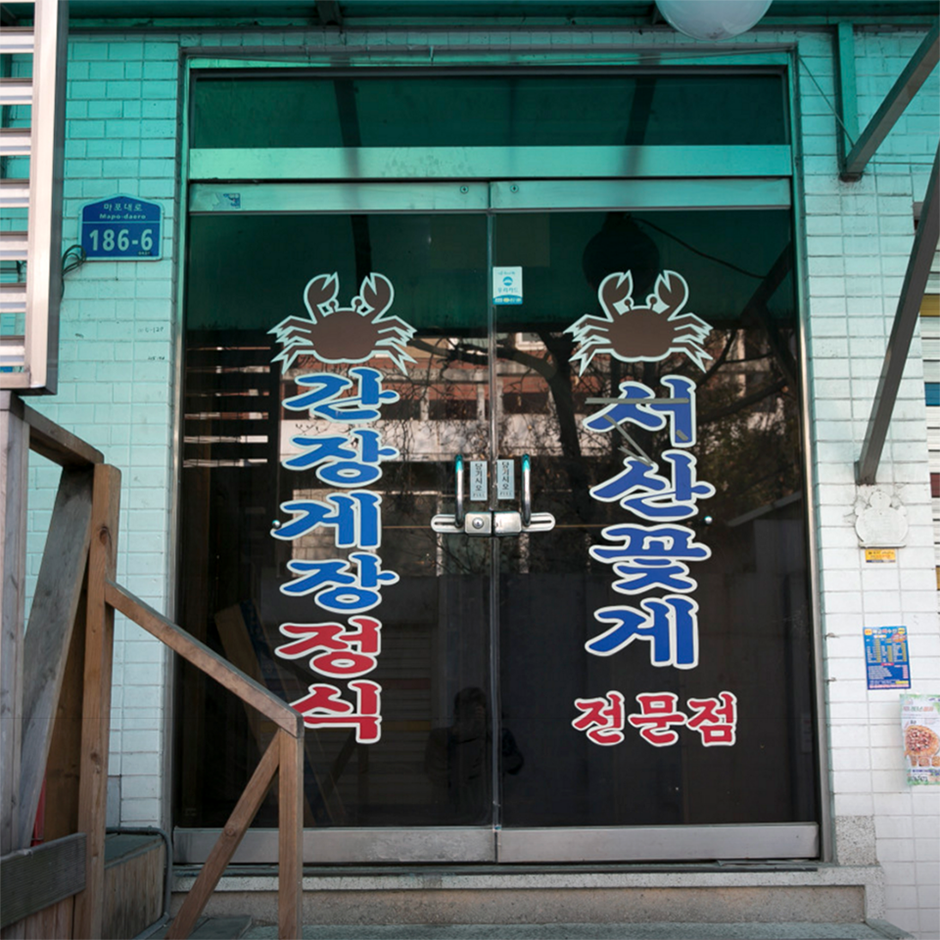
186-6 Mapo-daero, Mapo-gu, Seoul
Jinmi Sikdang is a specialty restaurant known for its exclusive focus on gejang (marinated crab), using only the finest blue crabs from the Seohae Coast. The restaurant prides itself on preparing only the amount of crab needed for the day, ensuring freshness, so it's advisable to make reservations before visiting, especially during peak hours. Known for its consistent quality and unwavering taste, Jinmi Sikdang continues to receive steady love from its customers.
Jaha Sonmandu (자하손만두)
5.5Km 2024-03-06
12 Baekseokdong-gil, Jongno-gu, Seoul
+82-2-379-2648
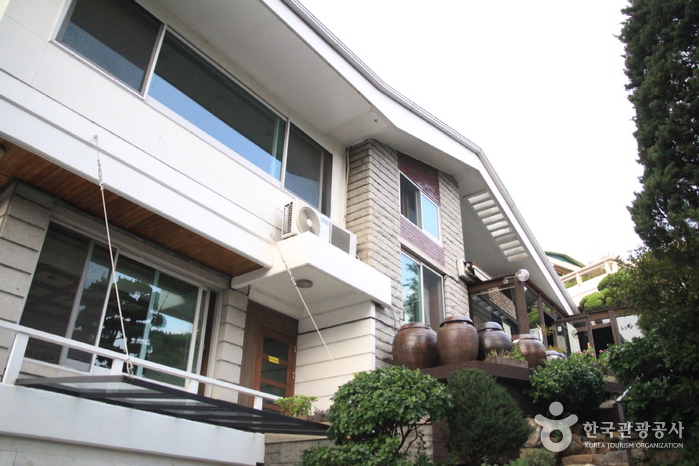
Jaha Sonmandu is a mandu specialty restaurant located in Buam-dong. Their signature dish is mandu guk (mandu soup), which features dumplings filled with beef, pork, mung beans, and bean curd, boiled in a clear broth. The chewy mandu skin and the clean-tasting broth, flavored with homemade soy sauce, are highlights of the dish. Housed in a renovated residential building, the restaurant offers a refined yet homey atmosphere for dining. Through the windows, diners can enjoy a refreshing view of Inwangsan Mountain.
 English
 한국어
한국어 日本語
日本語 中文(简体)
 Deutsch
 Français
 Español
 Русский


