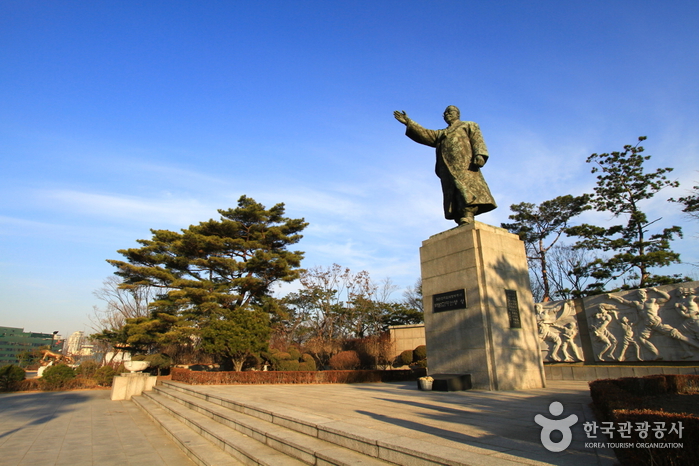
Baekbeom Kim Koo Statue (Baekbeom Plaza) (백범김구선생상(백범 광장))
3.3Km 2025-10-23
Hoehyeon-dong, Jung-gu, Seoul
Baekbeom Kim Koo Statue is located in Baekbeom Plaza in Namsan Park, Seoul. Erected in August 1969, the statue stands at a x_height of 10 meters. It commemorates the patriotic spirit of Kim Koo, who was both an independence activist and a politician in South Korea. During the Japanese colonial period, he actively participated in anti-Japanese movements, and after liberation, he played a leading role in the establishment of the government of the Republic of Korea.
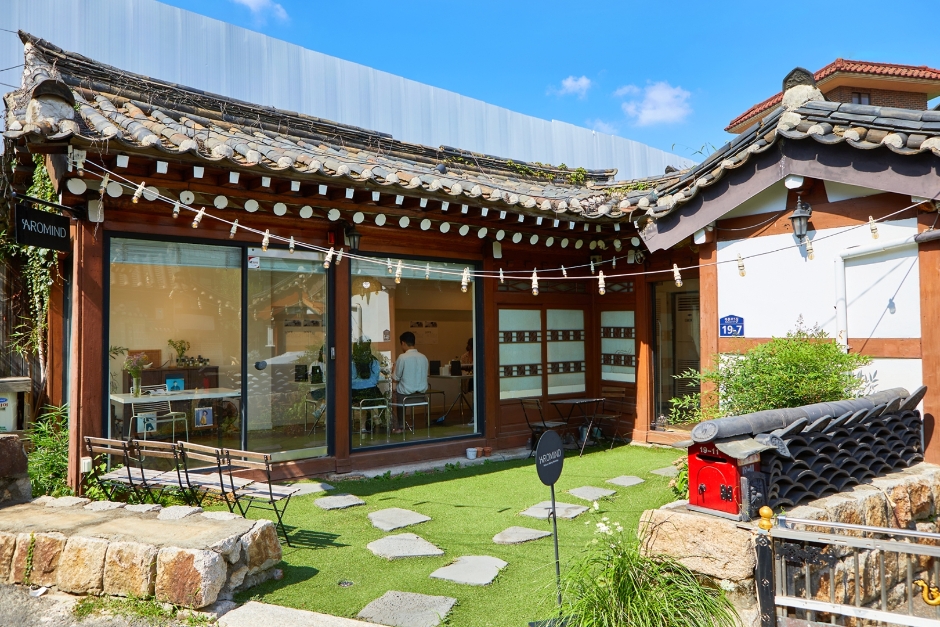
Aromind (아로마인드)
3.3Km 2024-01-30
19-7 Bukchon-ro 5-gil, Jongno-gu, Seoul
Aromind is a perfume workshop that offers a perfume-making experience with a professional perfumer in a quiet hanok building. Visitors can create their own one-of-a-kind perfume by choosing three out of 30 different scent options that change on a seasonal basis. A perfume one-day class is held for one to eight people for one to one and a half hours. The fee for the experience includes a 50 ml product and a 10 ml sample. They also offer the class in Korean with English interpretation when there non-Korean speaking participants. Aromind is the perfect place to create your own scent to associate your memory of Korea.
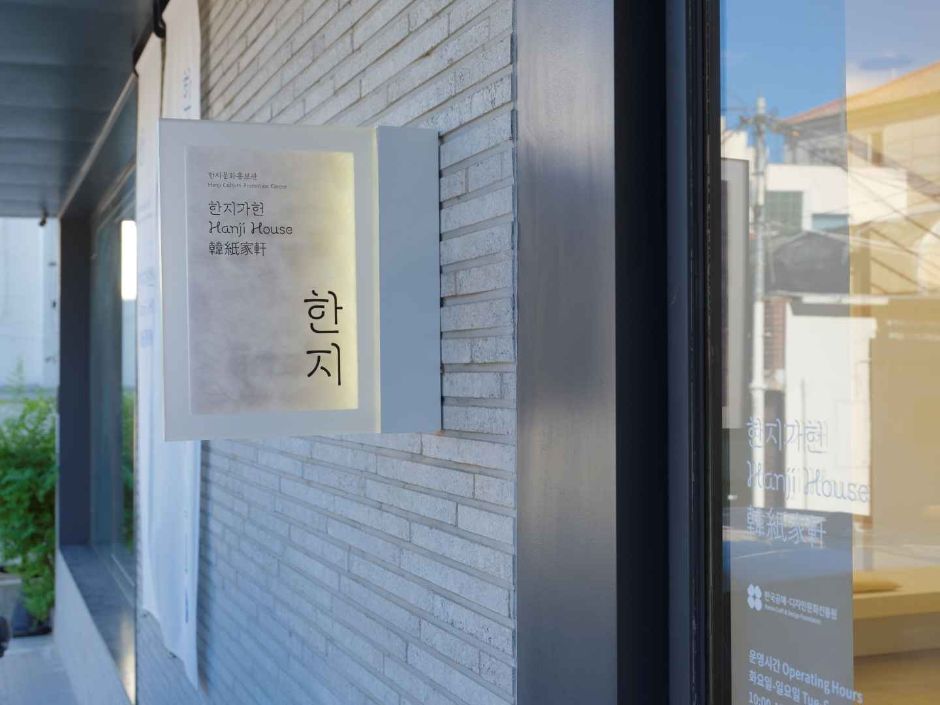
Hanji House (한지가헌)
3.3Km 2025-07-25
31-9 Bukchon-ro, Jongno-gu, Seoul
Hanji House was founded to pass on the cultural heritage of hanji, traditional Korean paper, as well as to promote its excellence and uses in everyday life. The center is operated by Korea Craft & Design Foundation, and offers a variety of programs that consist of exhibitions, hands-on activities, classes, and marketing hanji products. On the first floor is Hanji Showroom, where various exhibitions take place to showcase hanji of the past and the present. The basement floor comprises Hanji Open Archive, Hanji Print Studio, and Hanji Workroom, where most of the hands-on activities and classes are held. Hanji House also offers a docent program for exploring the whole area.
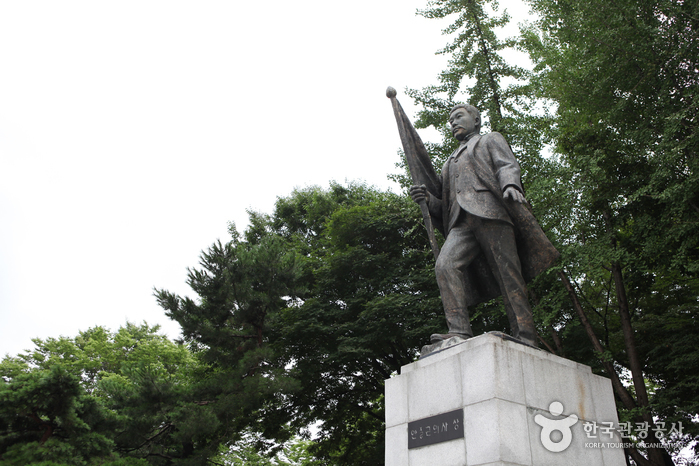
Ahn Junggeun Memorial Museum (안중근의사기념관)
3.3Km 2024-03-06
91, Sowol-ro, Jung-gu, Seoul
82-2-3789-1016
The Ahn Junggeun Memorial Museum honors the memory of Ahn Junggeun (1879-1910), an independence activist and soldier who advocated for Korean independence and peace in Asia. He fought against the Japanese to defend the Korean Empire (1897-1910). He was executed in 1910 for assassinating Hirobumi Ito, the Japanese who led the invasion of Korea in 1909, in Harbin, China.

Cheonggye Pharmacy - Cheonggyecheon Branch [Tax Refund Shop] (청계약국 청계천)
3.3Km 2024-04-17
14, Cheonggyecheon-ro, Jung-gu, Seoul
-
Seoul Metropolitan Library (서울도서관)
3.3Km 2022-12-14
110, Sejong-daero, Jung-gu, Seoul
+82-2-2133-0300
Seoul Library provides access to a wide range of documents and materials about Seoul Metropolitan City. Visitors will find diverse resources related to the city including history, culture, urban planning, transportation, environmental issues, administration, reports on outbound visitors, research documents, video clips, and e-data.
Seoul Plaza (서울광장)
3.3Km 2024-06-19
110 Sejong-daero, Jung-gu, Seoul
+82-2-2133-5640
Seoul Plaza in front of Seoul City Hall is a historic site where the March 1, 1919 (Samil) Independence Movement and the pro-democracy movement in June 1987 were held. It is also a well-known place where tens of thousands of Korean soccer fans gathered together to watch the 2002 World Cup Games. Being located within the center of the city and surrounded by many historic attractions, including Deoksugung Palace, Seoul Plaza has become a representative attraction of Seoul.
![Inwoohouse [Korea Quality] / 인우하우스 [한국관광 품질인증]](http://tong.visitkorea.or.kr/cms/resource/56/3009456_image2_1.jpg)
Inwoohouse [Korea Quality] / 인우하우스 [한국관광 품질인증]
3.3Km 2023-09-12
1-9 , Gyedong 6-gil, Jongno-gu, Seoul
+82-2-742-1115
Inwoo House is a traditional hanok down an alley in Gye-dong, Jongno, Seoul. There is a swallow's nest under the eaves, and the pride of this house is that the swallow family returns every spring. Each room in the house has a private bathroom. Residents can sample Korean culture by taking part in traditional paper crafts, knot bracelet making, and fan decorating. The location is convenient for restaurants, cafes, and convenience stores, and Gyeongbokgung Palace, Changdeokgung Palace, Insadong, and Samcheong-dong are all within walking distance.
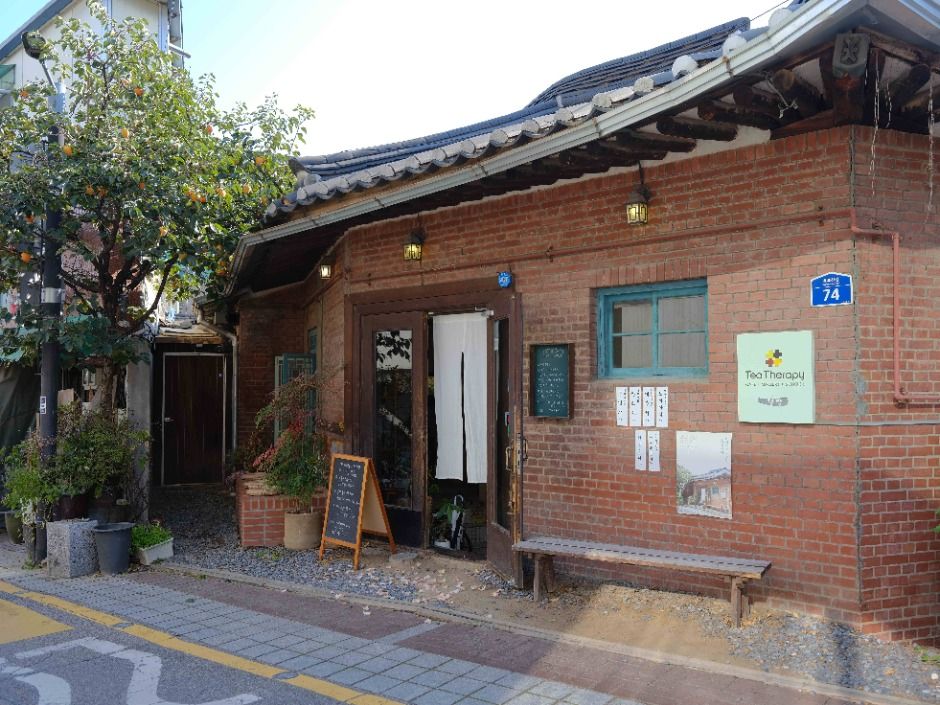
Tea Therapy (티테라피)
3.3Km 2025-10-23
74 Yunboseon-gil, Jongno-gu, Seoul
+82-2-730-7507
Located in Jongno-gu, Seoul, Tea Therapy can be of help to those who chronically feel unwell even though they do not have any serious diseases that need to be treated. It is a place where medicinal herbal teas, which once seemed difficult to enjoy, can be enjoyed without hassle and in a unique way. The teas found at Tea Therapy can be brewed within three minutes, similar to herbal teas found in other countries, and are both delicious and good for your health. Tea Therapy recommends tea through testing so even novices can have fun selecting teas that suit them. Tea products are sold here as well, allowing you to enjoy the same flavors at home.
![Uniqlo - Gwanghwamun D Tower Branch [Tax Refund Shop] (유니클로 광화문D타워)](http://tong.visitkorea.or.kr/cms/resource/15/2878215_image2_1.jpg)
Uniqlo - Gwanghwamun D Tower Branch [Tax Refund Shop] (유니클로 광화문D타워)
3.3Km 2024-04-17
17, Jong-ro 3-gil, Jongno-gu, Seoul
-
 English
 한국어
한국어 日本語
日本語 中文(简体)
 Deutsch
 Français
 Español
 Русский


