
Gyeonggi Janggyeongsa Temple (장경사(경기))
19.0Km 2025-01-14
676, Namhansanseong-ro, Gwangju-si, Gyeonggi-do
+82-31-743-6548
Janggyeongsa Temple is located in Namhansanseong Fortress. Namhansanseong Fortress, which protected Seoul along with Bukhansanseong Fortress, was built at the same time as Janggyeongsa Temple in 1638, during the 16th year of King Injo. Warrior monks from all eight provinces throughout the country helped with the construction. Janggyeongsa Temple is the only remaining temple among nine such temples where military groups made up of monks stayed for trainings.
Dongpyun Korean Medicine Clinic (동편부부한의원)
19.1Km 2025-11-28
#202, 2nd Floor, 188 Burim-ro, Dongan-gu, Anyang-si, Gyeonggi-do
Dongpyeon Korean Medicine Clinic focuses on restoring body balance through holistic treatments.
Specialized in detox care, weight control, skin improvement, and pre/postnatal therapy,
it helps the body recover naturally by addressing root causes, not just symptoms.
Chunghyeon Museum (충현박물관)
19.2Km 2021-08-02
5-6, Ori-ro 347beon-gil, Gwangmyeong-si, Gyeonggi-do
+82-2-898-0505
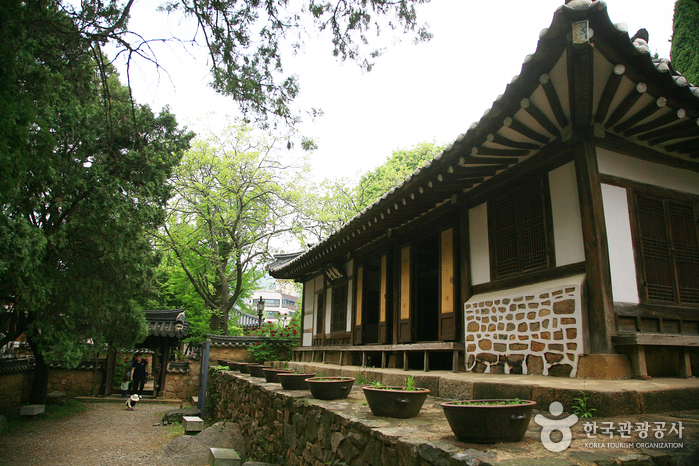
The Chunghyeon Museum preserves the legacy of the respected scholar Ori Lee Wonik. The museum's logo is inspired by the scholar's signature on a letter that he wrote four years before his death, addressed to his son Lee Uijeon, grandson Lee Suyak, and successive descendants. Visitors can see various artifacts and ruins related to Lee Wonik.
Pureun Arboretum & Hang-dong Railroad (푸른수목원&항동철길)
19.4Km 2025-01-17
240 Yeondong-ro, Guro-gu, Seoul
Pureun Arboretum is a botanical garden boasting well-established ecological parks and scenic walking trails. It encompasses diverse themed gardens, including the Wildflower Garden, Hydrangea Garden, Conifer Garden, Broadleaf Tree Garden, Bulbous Plant Garden, Wetland Garden, and Rose Garden, complemented by an Visitor Center. The Forest Learning School, functioning as a greenhouse, showcases plants from various corners of the globe and hosts educational programs. Visitors can avail themselves of facilities like the book café, a café, and a library. Additionally, the arboretum is intersected by the abandoned railroad tracks of Hang-dong.
Bucheon U-ri General Hospital (부천우리병원)
19.4Km 2025-10-23
(Wonjong-dong), 726 Sosa-ro, Ojeong-gu, Bucheon-si, Gyeonggi-do
Bucheon U-RI General Hospital is a general hospital with an advanced medical system that is in line with the rapidly changing medical environment. The hospital won “excellent” ratings across all health checkup areas and in the Accreditation Program for Healthcare Organizations by the Ministry of Health and Welfare. With outstanding medical staff, ambitious investments in hospital facilities, and ceaseless training, we continue to grow. We maintain specialized centers across various fields, including the Gastroenterology Center, Spine & Joint Center, and the Cerebral Neurology Center, and our medical departments include internal medicine, neurology, orthopedics, spine surgery, general surgery, urology, gynecology, and dentistry. We also offer an integrated nursing care service that allows patients to be admitted without a caregiver. Our Comprehensive Health Checkup Center operates on 1,652 ㎡ under agreements with numerous public institutions and businesses. Checkup visitors can receive an early diagnosis of diseases and follow-up care from each medical department. Our strengths not only include its high-end medical facilities but also its convenient location near Incheon and Gimpo Airports. We will continue to expand our infrastructure to offer the best experience for overseas patients who want to benefit from Korea’s outstanding medical services.
Chung-Ang University Gwangmyeong Hospital (중앙대학교광명병원)
19.5Km 2025-11-06
110 Deokan-ro (Iljik-dong), Gwangmyeong-si, Gyeonggi-do
Chung-Ang University Gwangmyeong Hospital is a general medical institution with approximately 700 beds. Opened in March 2022, the hospital has a total floor area of 97,000㎡ and consists of 14 floors above ground and 8 floors underground.
The hospital operates around six specialized clusters for critical care: Cancer Hospital, Cardiovascular & Cerebrovascular Hospital, Respiratory & Allergy Center, Digestive Disease Center, Spine Center, and Joint Center. With leading specialists in each field and state-of-the-art medical equipment, it provides advanced treatments and multidisciplinary care.
Recognized as a “hospital specializing in surgery,” Chung-Ang University Gwangmyeong Hospital plays a central role in the metropolitan critical care system. It leads the digital transformation of healthcare by harmonizing digital healthcare with public health services, strengthening its position as a highly competitive medical institution. Moving forward, the hospital will continue to pursue patient-centered medical innovation and strive to become a next-generation hospital that represents not only the Seoul metropolitan area but also the Republic of Korea.
Tomb of General Gwon Yul (권율장군묘)
19.5Km 2024-02-07
223 Gwonyul-ro, Jangheung-myeon, Yangju-si, Gyeonggi-do
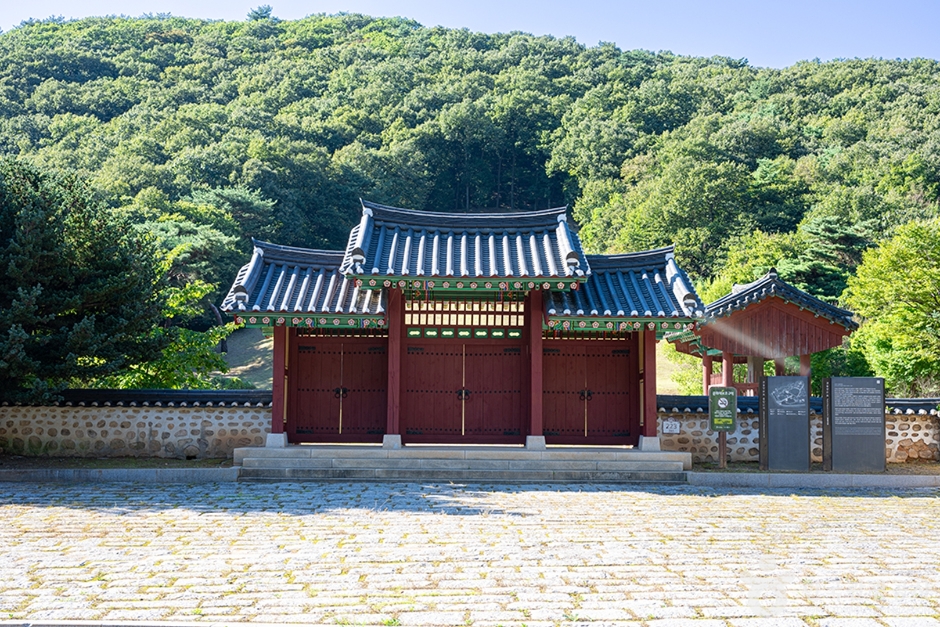
General Gwon Yul (1537-1599) is a historic figure from the Joseon dynasty. He is celebrated for repelling the invading Japanese forces at Haengjusanseong Fortress and other locations near Seoul during the Japanese Invasion of Korea (1592-1598). In front of the tomb stands a tombstone, flanked by pairs of stone statues. These pairs consist of Sangseok, Hyangnoseok, Dongjaseok, Muninseok, and Mangjuseok, with one statue from each pair positioned on the left and the other on the right, respectively. The site also includes the tombs of his father and older brother. His descendants continue to visit and commemorate him to this day.
Jeongtong Budaegogi (정통부대고기)
19.7Km 2024-12-23
경기도 의정부시 호국로 1102
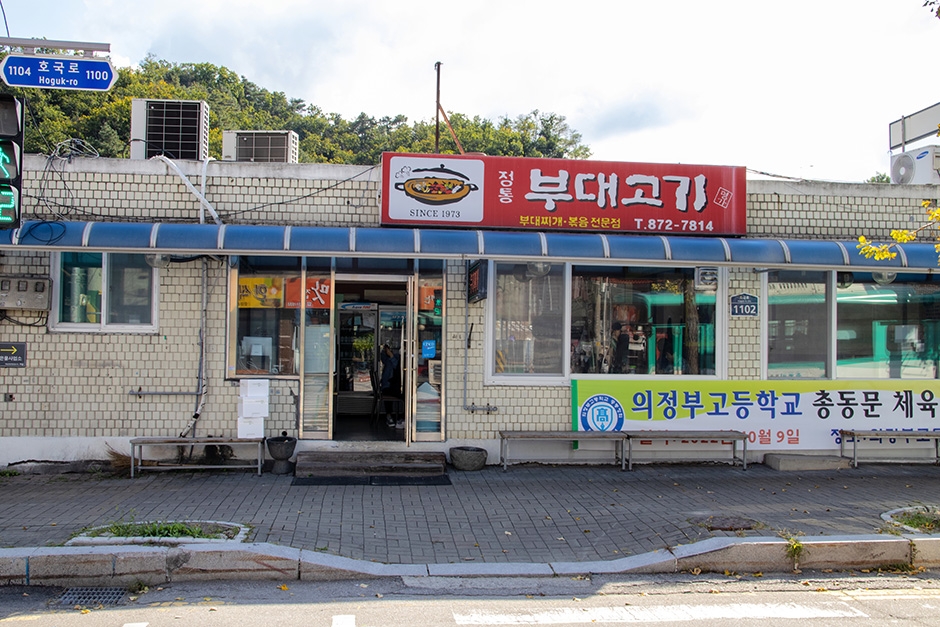
Opened in 1973, this budaejjigae (Sausage Jjigae) restaurant is known for its exceptional flavor, achieved through spicy kimchi and a carefully crafted broth. Another popular menu item is budaebokkeum, a stir-fried, soupless version of the classic jjigae.
Anyangcheon Stream (안양천)
19.7Km 2025-01-13
Seoksu-ro, Manan-gu, Anyang-si, Gyeonggi-do
+82-31-8045-7000
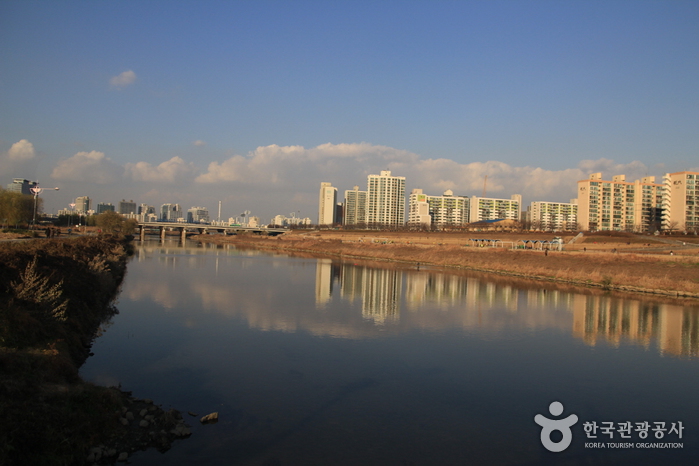
Anyangcheon Stream flows through seven cities in Gyeonggi-do as well as 7 districts of Seoul. The stream starts from the valley, south of Cheonggyesan Mountain, in Uiwang, Gyeonggi-do and flows 35.1 kilometers to the Hanggang River between Yeongdeungpo-gu and Yangcheon-gu. Various types of birds enjoy the stream making it an ecology stream in the middle of the city as well as provide citizens with leisure including bicycle path, bridges, rest area, sports facilities and more.
Silbi Sikdang (실비식당)
19.7Km 2025-01-22
12 Hoguk-ro 1123beon-gil, Uijeongbu-si, Gyeonggi-do
Opened in 1965, Silbi Sikdang uses its unique sauce to create special budaejjigae (Sausage Jjigae) and budaebokkeum.
 English
 한국어
한국어 日本語
日本語 中文(简体)
 Deutsch
 Français
 Español
 Русский


