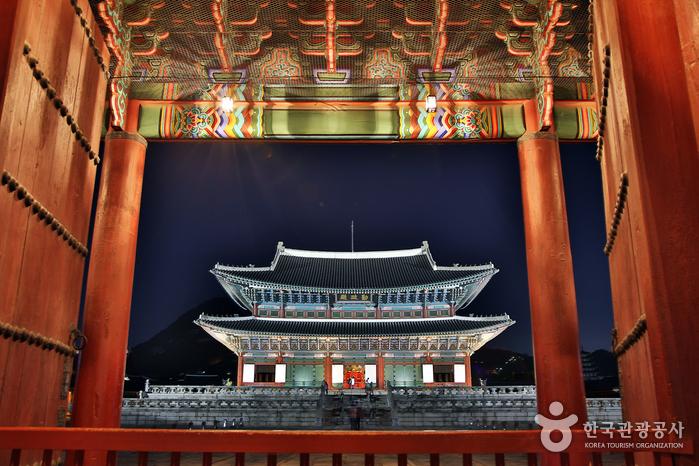
Jongno Cheonggye Special Tourist Zone (종로 청계 관광특구)
7.7Km 2021-12-30
99, Yulgok-ro, Jongno-gu, Seoul
+82-2-2148-1861
Jongno Cheonggye Special Tourist Zone stretches from Seorin-dong to Changsin-dong between Cheonggyecheon Stream and Jong-ro. It includes Youth Street, Gwangjang Market, Sewoon Electronics Department Store, lighting stores, pharmacy & medical device stores, badge stores, Stamp Street, Stationery · Toy Market, Aquarium Street, Shoes Market, and other markets totalling to approximately 14,000 shops. Nearby attractions include modern high-story buildings as well as Gyeongbokgung, Changdeokgung, Changgyeonggung, Deoksugung, and Unhyeongung Palaces, Jongmyo Shrine, and Insa-dong, merging traditions, modernism, culture, and markets alike.
Thought to be at the heart of Seoul, Cheonggyecheon Stream is located in the dense cultural area of Seoul where various press networks, organizations, bookstores and other major corporations are situated. Walking along Cheonggyecheon Stream is a famous activity for tourists. Also, the area is the venue for the Seoul Lantern Festival every winter. Keeping its traditional scene including narrow alleys, old-fashioned hanok buildings and various stores still fully intact, the tourist zone has enough fun places for sightseeing as well as tasty restaurants in every corner for a more enjoyable visit.
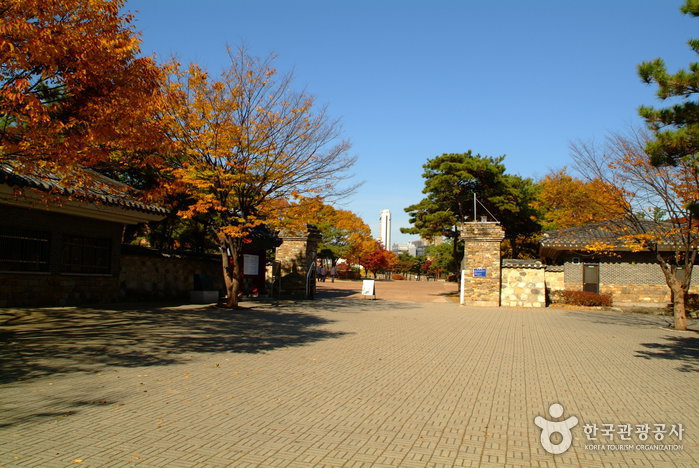
Seoul Seokchon-dong Ancient Tombs (서울 석촌동 고분군)
7.7Km 2021-02-26
21, Garak-ro 7-gil, Songpa-gu, Seoul
+82-2-421-0970
The Ancient Tombs in Seokchon-dong were found and investigated as part of the city development project in Jamsil district. It was impossible to determine the full scale of the ancient tombs in this area due to the severity of destruction. The largest tomb, the third tomb, measures 49.6 meters from east to west, 43.7 meters from south to north, and 4 meters in x_height. The tomb features three layers of stones topped by a smooth mound, which is a tomb style originating from the Goguryeo dynasty (37 BC-AD 668). The tombs are presumed to belong to one of the earliest leaders of the Baekje dynasty (18 BC-AD 660), which was founded by the people of Goguryeo who had come down southwards to establish a new kingdom around the Hangang River basin.
The square-shaped fourth tomb features a structure similar to the third tomb. Many pieces of earthenware from the early Baekje era were found in the fourth tomb. Also excavated around this site was a gold spangle earring. The third and fourth tombs have been registered as Historic Site No. 243. The tomb site offers valuable information concerning the culture and customs of the Baekje dynasty in its golden age around the 4th century, as well as the relations between the three ancient kingdoms (Goguryeo, Baekje, and Silla) around that time.
![CheongKwanJang - Gwanghwamun Branch [Tax Refund Shop] (정관장 광화문)](http://tong.visitkorea.or.kr/cms/resource/93/2889693_image2_1.jpg)
CheongKwanJang - Gwanghwamun Branch [Tax Refund Shop] (정관장 광화문)
7.7Km 2024-04-22
20, Sajik-ro 8-gil, Jongno-gu, Seoul
-
![Olive Young - Daeheung Station Branch [Tax Refund Shop] (올리브영 대흥역)](http://tong.visitkorea.or.kr/cms/resource/34/2888034_image2_1.jpg)
Olive Young - Daeheung Station Branch [Tax Refund Shop] (올리브영 대흥역)
7.7Km 2024-04-16
91, Baekbeom-ro, Mapo-gu, Seoul
-

Olive Young - Dongnimmun Branch [Tax Refund Shop] (올리브영 독립문)
7.7Km 2024-04-18
99, Songwol-gil, Jongno-gu, Seoul
-
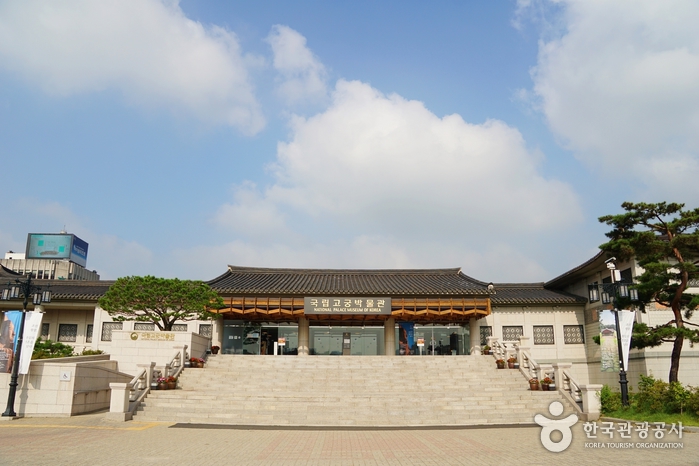
National Palace Museum of Korea (국립고궁박물관)
7.7Km 2023-03-24
12, Hyoja-ro, Jongno-gu, Seoul
+82-2-3701-7500
The National Palace Museum of Korea displays over 40,000 relics from the Joseon dynasty. With various treasures on exhibit, the museum continues to provide information on the dignity of royal culture and the creativity of royal cultural assets.
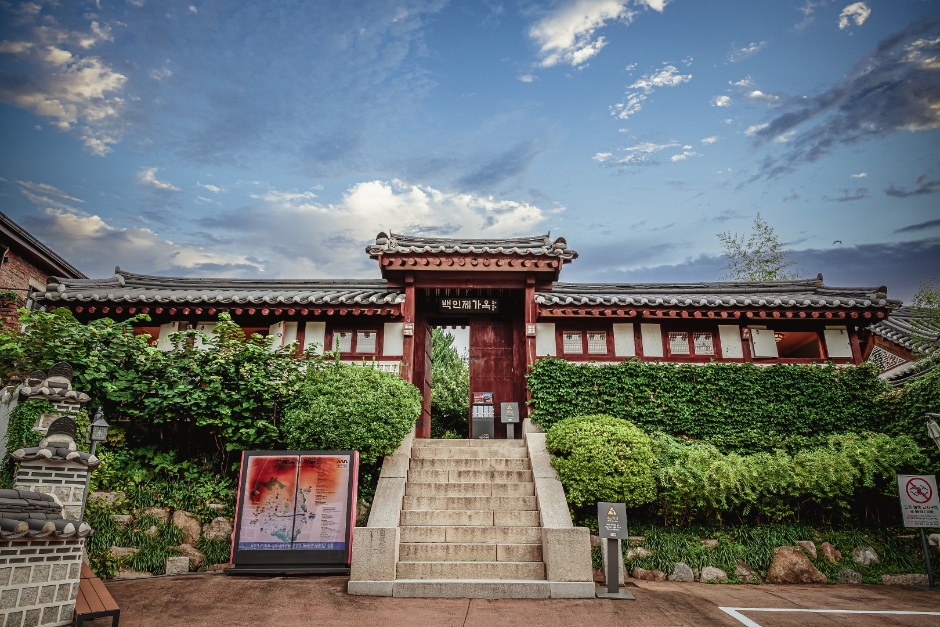
Baek In-je House (백인제가옥)
7.7Km 2025-10-24
16 Bukchon-ro 7-gil, Jongno-gu, Seoul
+82-2-724-0200
Baek In-je House, located in Bukchon Hanok Village, is a hanok built during the Japanese administration period that portrays modern hanok features. The structure consists of a main room offering a good view of the whole village, spacious bedrooms, a large garden, and annex buildings. As it maintains the beauty of a traditional hanok while incorporating the modern trend of its time, Baek In-je House is considered to be highly valuable in means of both architecture and history, representing the Bukchon Hanok Village together with Yun Bo-seon House.
Baek In-je House was built from black pine, which was first introduced in Seoul during the Gyeongseong Expo in 1907, distinguishing itself from other upper-class houses of its time. Unlike other traditional hanok designs that separate the main building from the other rooms, Baek In-je House connects the two with a hallway, allowing convenient access between the two structures. The house also consists of a Japanese-style hallway and floor mat rooms, reflecting the interior trends of that period. Baek In-je House is also unique in that the main room is partially built as a two-story structure, a style that was never seen in any traditional hanok built during the Joseon period.
![LG Best Shop - Songpa Branch [Tax Refund Shop] (엘지베스트샵 송파점)](http://tong.visitkorea.or.kr/cms/resource/25/2879325_image2_1.jpg)
LG Best Shop - Songpa Branch [Tax Refund Shop] (엘지베스트샵 송파점)
7.7Km 2024-04-18
476, Songpa-daero, Songpa-gu, Seoul
-
Philkyungjae (필경재)
7.7Km 2024-03-07
205, Gwangpyeong-ro, Gangnam-gu, Seoul
+82-2-445-2115
Philkyungjae is a restaurant serving traditional Korean cuisine served in the royal courts of Joseon. Its course menu includes jeonbokjuk (abalone porridge), bossam (napa wraps with pork), sogogi japchae (beef japchae), tteokgalbi (grilled galbi patties), and hanu yukhoe (Korean beef tartare). There are five courses on offer. All five courses are available during lunch, while dinnertime limits the selection to three. The restaurant is housed in a traditional house and garden dating back to the Joseon Dynasty (1392-1910), so guests can enjoy the architectural beauty of Korea with Korean flavors. Reservations can be placed through telephone.
 English
 한국어
한국어 日本語
日本語 中文(简体)
 Deutsch
 Français
 Español
 Русский


