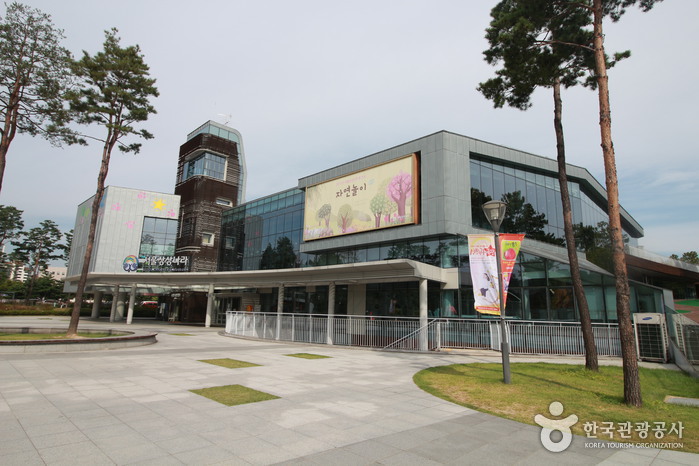
Seoul Children's Museum (서울상상나라)
10.8Km 2024-03-07
216 Neungdong-ro, Gwangjin-gu, Seoul
+82-2-6450-9500
Seoul Children's Museum is a multifaceted cultural space established in 2013 to foster children's creativity and imagination. Spanning from the basement floor to the third floor, it boasts over a hundred interactive exhibits. These exhibits cover a wide range of areas including art, imagination, thought, and physical play, organized into ten distinct zones. It's a popular destination where children can learn and expand their imagination through play. Advanced booking is required, and reservations can be made through the website.
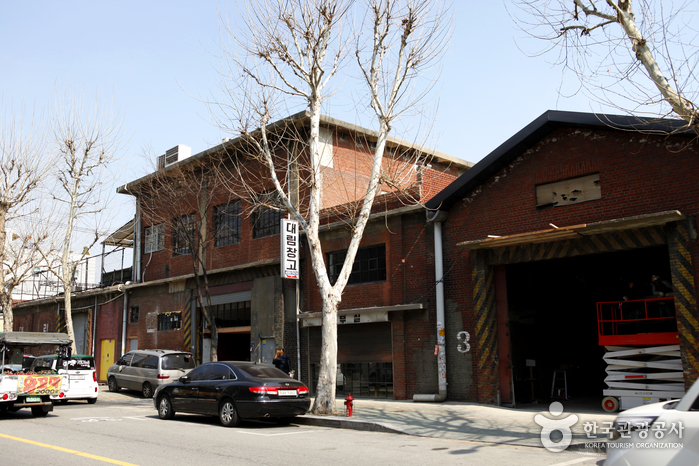
Daelim Changgo Gallery (성수동 대림창고 갤러리)
10.8Km 2025-03-18
78 Seongsui-ro, Seongdong-gu, Seoul
Daelim Changgo Gallery, which is a landmark in Seongsu-dong, is a red-brick building that was once used as a rice mill in the 1970s. It is now a cafe and art gellery that preserves as much of the original rice mill atmosphere as possible so it exudes fascinatingly vintage vibes, widely loved by young couples.
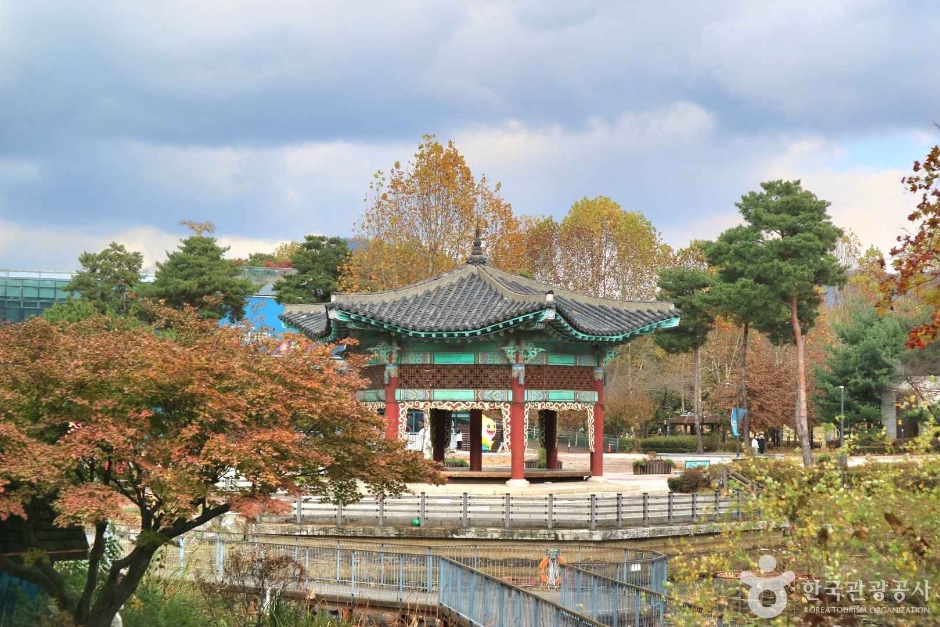
Seoul Children's Grand Park (서울어린이대공원)
10.8Km 2024-11-28
216 Neungdong-ro, Gwangjin-gu, Seoul
Opened in May 1973, Seoul Children’s Grand Park is a theme park situated among green forests and fields with a total area of 56,552㎡. It contains a zoo, arboretum, amusement park, and performance venues. Seoul Children’s Grand Park has been a beloved part of Seoul, a paradise for children and a living venue for education. For grown-ups, it functions as an area of refuge and culture within the city. The Grand Park offers facilities that everyone in the family can enjoy, so everyone can find their own fun in the Grand Park.
![Lush Korea - Gyeongnidangil Spa Branch [Tax Refund Shop] (㈜러쉬코리아 경리단길 스파)](http://tong.visitkorea.or.kr/cms/resource/49/2890649_image2_1.jpg)
Lush Korea - Gyeongnidangil Spa Branch [Tax Refund Shop] (㈜러쉬코리아 경리단길 스파)
10.8Km 2024-04-23
2F, 10, Hoenamu-ro 42-gil, Yongsan-gu, Seoul
-
![Lush Korea - Gyeongnidangil Branch [Tax Refund Shop] (㈜러쉬코리아 경리단길점)](http://tong.visitkorea.or.kr/cms/resource/01/2890701_image2_1.jpg)
Lush Korea - Gyeongnidangil Branch [Tax Refund Shop] (㈜러쉬코리아 경리단길점)
10.8Km 2024-04-19
1F, 10, Hoenamu-ro 42-gil, Yongsan-gu, Seoul
-
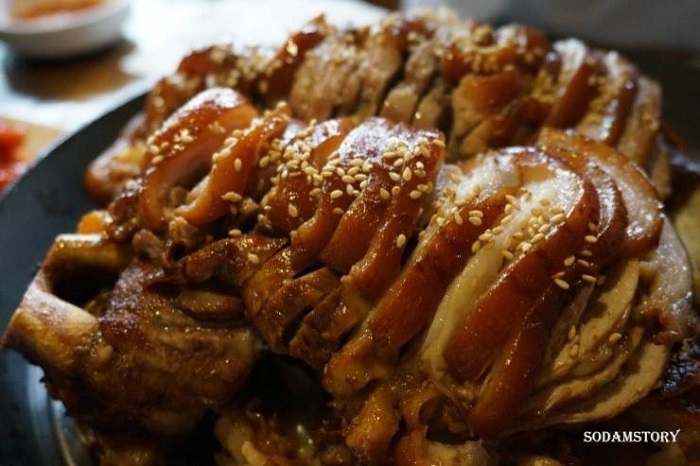
Madang Jokbal (마당족발)
10.8Km 2024-10-15
175, Neungdong-ro, Gwangjin-gu, Seoul
+82-2-468-3030
It is a restaurant with an outdoor terrace. This Korean dishes restaurant is located in Gwangjin-gu, Seoul. The most famous menu is braised pigs' feet.

Hangang River (한강)
10.9Km 2024-10-29
257 Gangbyeonbuk-ro, Seongdong-gu, Seoul
+82-2-120
The Hangang River is a iconic river in Korea that crosses Seoul from north to south. Various parks and cultural facilities are located along the river, attracting numerous people to enjoy leisure and relaxation. Many people enjoy walking, biking, and jogging along the river. Water sports such as fishing, kayaking, and sailing are also popular, and the night view of the river from a cruise ship makes it even more beautiful. Events such as concerts, drone festivals, and fireworks displays are also a must-see.
Damdaheon / 담다헌 체험교육관
10.9Km 2023-10-26
98, Songsan-ro 939beon-gil, Uijeongbu-si, Gyeonggi-do
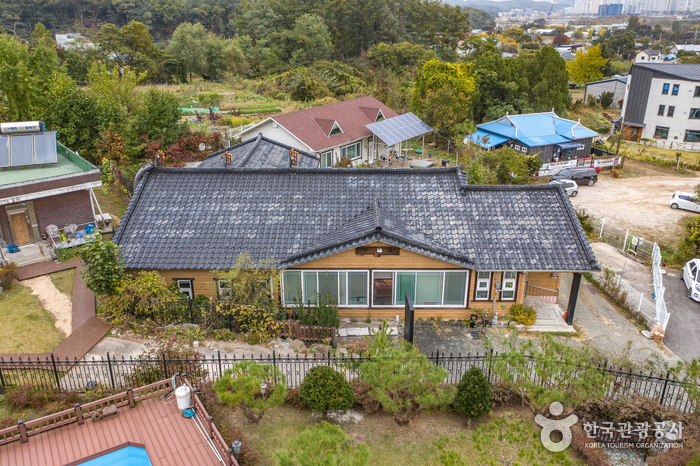
Damdaheon is an experience center dedicated to the art of making rice cakes, situated in Geomundol (black stone) Village in Sangok-dong, Uijeongbu. It was opened on October 23, 2009, under Park Gyeong-ae, recognized as a master artisan by Gyeonggi-do. The center offers experience programs like rice cake-making, sweet red bean jelly-making, fermented soybean and sauce-making, kimchi-making, and bean curd-making, as well as weekend farms (offered on a yearly basis). It strives to promote the traditional healthy foods of Korea through hands-on experiences to children and young people, who tend to gravitate toward instant and Western food, and to encourage them to make their own rice cakes at home with Damdaheon’s easy rice cake recipes.
Musinsa Standard Seongsu (무신사 스탠다드 성수)
10.9Km 2025-11-06
83 Yeonmujang-gil, Seongdong-gu, Seoul
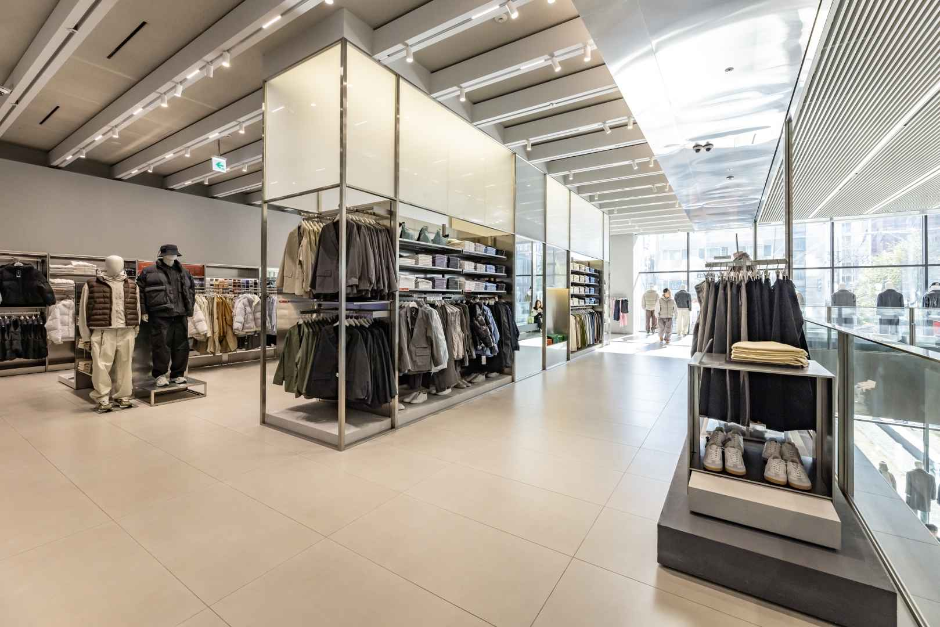
Located near Seongsu-dong Café Street, this is the physical store of the online editorial shop MUSINSA. The store offers affordable, high-quality clothing aimed at young adults in their 20s, with neutral colors and minimalist designs popular among Koreans. It’s also a favorite indoor date spot for couples, providing a quick overview of the latest fashion trends.
The Hyoosik Croissant Hotel Guri (더휴식 크로와상호텔 구리점)
10.9Km 2025-04-08
148 Cheyukgwan-ro, Guri-si, Gyeonggi-do
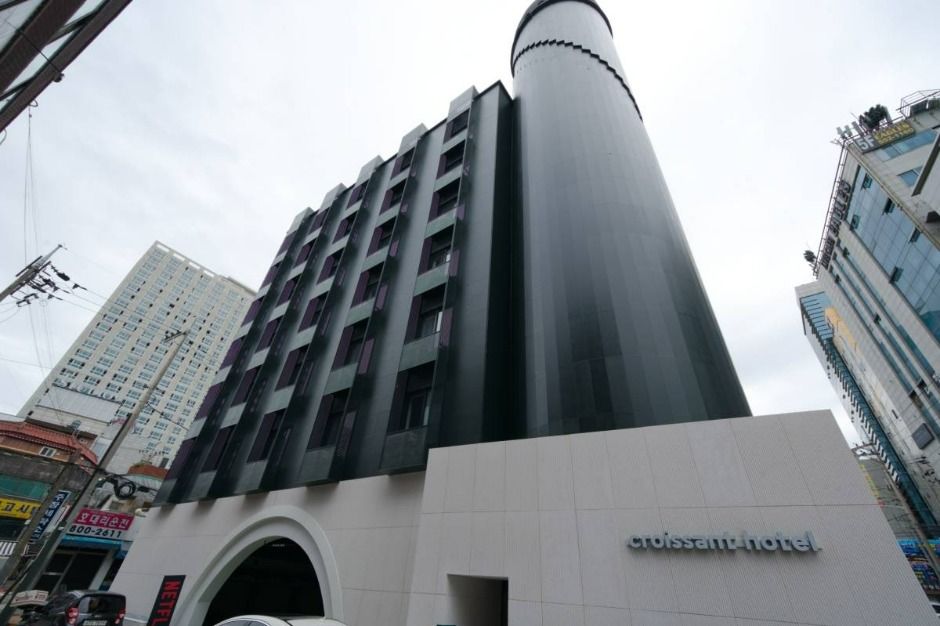
The Hyoosik Croissant Hotel Guri offers a variety of theme-based room types for both leisure and relaxation, such as a standard music room with blutooth speakers, a deluxe home-training room with yoga equipment, a deluxe couple room with high-end gaming PC, a deluxe healing room with a lounge chair, a twin bedroom, a game suite room with Playstation 4 Pro, a movie suite room with a beam projector, a sing suite room with noraebang equipment and soundproof walls, and a party suite room with a kitchenette. The hotel also has a parking lot, guest lounge, rooftop area, and coin laundry.
 English
 한국어
한국어 日本語
日本語 中文(简体)
 Deutsch
 Français
 Español
 Русский


