Nanji Hangang Park (난지한강공원)
16.8Km 2025-01-07
162 Hangangnanji-ro, Mapo-gu, Seoul
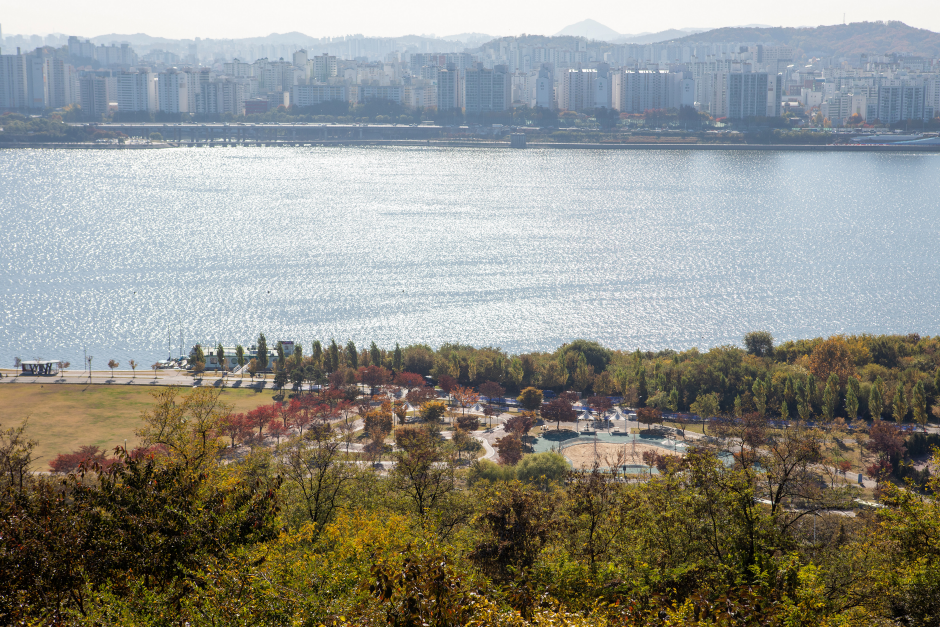
Nanji Hangang Park, situated north of the Hangang River near World Cup Park, provides a riverside space for leisure and recreation. The park offers Campgrounds, Water Leisure Sports Facilities, Bike Lane, Waterside Plaza, Mirror Fountain, Riverside Pool, a convenience store, and an information center. The Mirror Fountain emits a rainbow-like light with each water spray. The campgrounds are popular for their proximity to the city and affordable fees. Visitors can enjoy activities such as motorboating, water skiing, and wakeboarding on the Hangang River.
Nanji Hangang Park MTB Course Site (난지한강공원 MTB코스장)
16.8Km 2022-10-26
162, Hangangnanji-ro, Mapo-gu, Seoul
+82-2-3780-0611
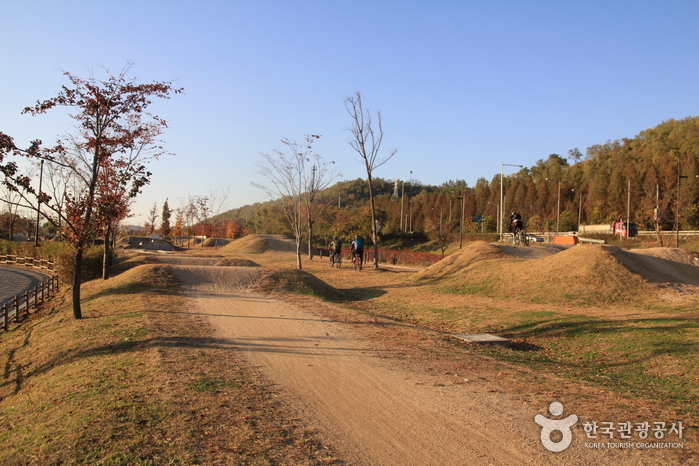
Situated in Nanji Hangang Park, the MTB Course Site is perfect for MTB lovers as well as beginners who wish to enter the world of extreme biking with safety. The MTB Course Site is the nation's first MTB course site, established on a flatland, reproducing perfectly realistic mountain ridges and slopes.
Bukhansan National Park (Seoul District) (북한산국립공원(서울))
16.9Km 2024-11-27
262 Bogungmun-ro, Seongbuk-gu, Seoul
+82-2-909-0497
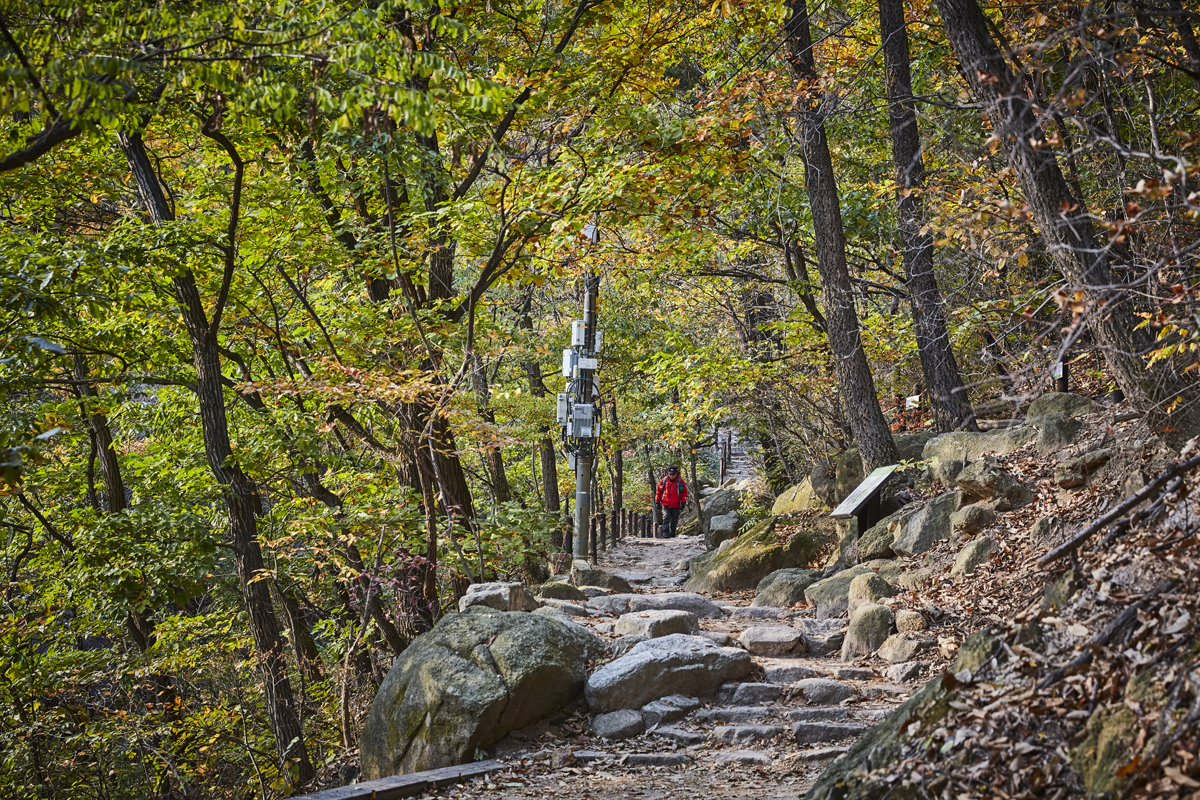
Bukhansan Mountain was officially designated as a national park in 1983. Bukhansan National Park covers both Bukhansan and Dobongsan Mountains, and spans a total area of 80.699 ㎢. At the top of Bukhansan Mountain are Baegundae Terrace (835.6 m), Insubong Peak (810.5 m) and Mangyeongdae Terrace (799.5 m), which gave the mountain the nickname "Samgaksan" or the "three-horned mountain." The mountain had other names: Sambongsan (mountain with three peaks), Hwasan (flower mountain), and Buaak (mountain shaped like a person giving a baby a piggyback ride). The current name, Bukhansan, was given after the Bukhansanseong Fortress was built under King Sukjong of the Joseon dynasty.
So All Too Bakery (소올투베이커리)
17.0Km 2024-04-08
6-6 Gahak-ro 85beon-gil, Gwangmyeong-si, Gyeonggi-do
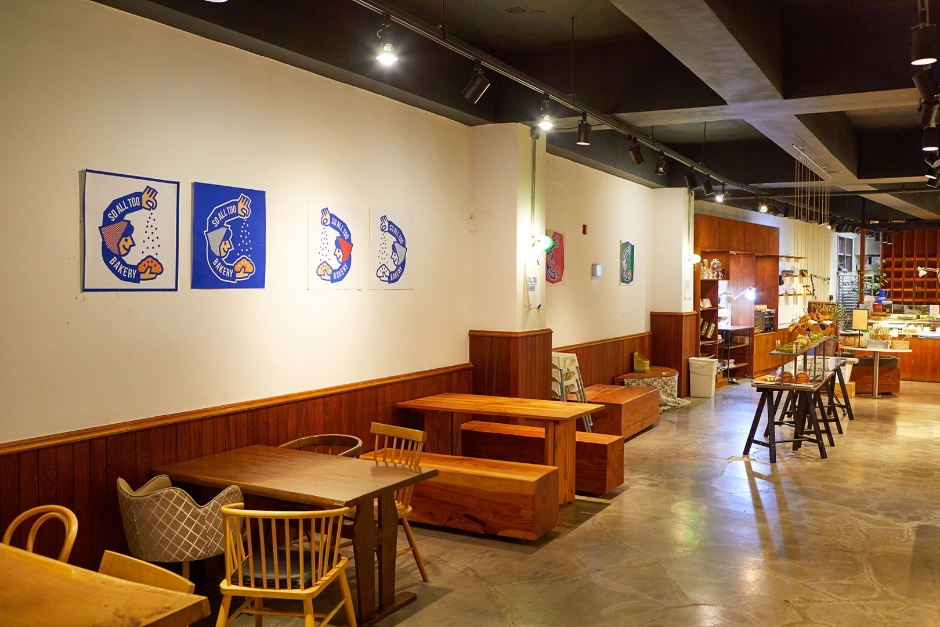
So All Too Bakery is a large bakery and cafe located by the entrance to Gwangmyeong Cave. The venue offers many indoor and outdoor seatings along with a conveniently spacious parking lot. Travelers are greeted with the cafe's signature salt bread, which comes in various flavors with healthy toppings, including honeycomb, ink, button mushrooms, hot sausages, bacon, basil, and green onion. In addition, bagels, croissants, scones, sandwiches, and madeleines are also available.
![Olive Young - Mia Station Branch [Tax Refund Shop] (올리브영 미아역)](http://tong.visitkorea.or.kr/cms/resource/20/2889020_image2_1.jpg)
Olive Young - Mia Station Branch [Tax Refund Shop] (올리브영 미아역)
17.0Km 2024-04-18
188, Dobong-ro, Gangbuk-gu, Seoul
-
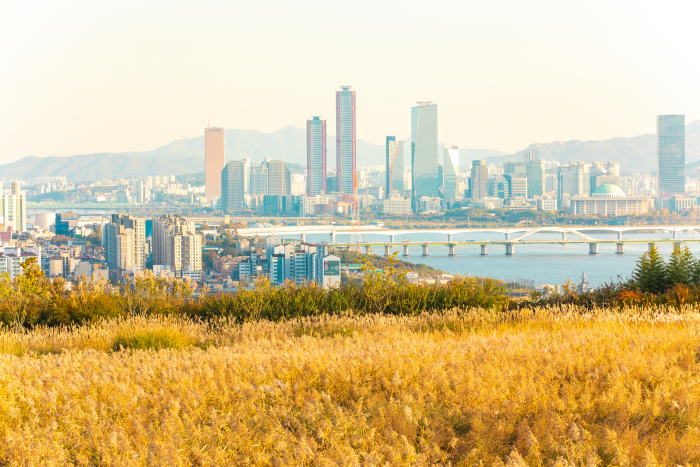
Haneul Park (하늘공원)
17.1Km 2024-11-28
95 Haneulgongwon-ro, Mapo-gu, Seoul
Haneul Park is one of five parks that make up World Cup Park, together with Peace Park, Nanjicheon Park, Nanji Hangang Park, and Noeul Park. It was established for the purpose of restoring the ecological environment so operates its facilities by using natural energy. It features a silver grass field, mixed grassland, rock garden, sunflower field, observatory rest area, and wind power generator. Among the various parts of the World Cup Park, it is located the closest to the sky and shows the transformation from a barren landfill restored to nature. In fall, silver grass forms a spectacle, and, here, visitors can get a clear, panoramic view of Seoul including Bukhansan Mountain and the Hangang River. It is also known as a place for beautiful sunsets and nightscapes.
![Clinup Dermatology Clinic - Hanam Misa Branch [Tax Refund Shop] (클린업피부과의원 하남미사)](http://tong.visitkorea.or.kr/cms/resource/77/3313177_image2_1.jpg)
Clinup Dermatology Clinic - Hanam Misa Branch [Tax Refund Shop] (클린업피부과의원 하남미사)
17.1Km 2024-06-27
100-1, Misagangbyeondong-ro, Hanam-si, Gyeonggi-do
-
![CheongKwanJang - Oryu Branch [Tax Refund Shop] (정관장 오류)](http://tong.visitkorea.or.kr/cms/resource/86/2880186_image2_1.jpg)
CheongKwanJang - Oryu Branch [Tax Refund Shop] (정관장 오류)
17.2Km 2024-04-18
228, Gyeongin-ro, Guro-gu, Seoul
-

E-Mart - Wolgye Branch [Tax Refund Shop] (이마트 월계)
17.2Km 2024-04-22
15, Madeul-ro 3-gil, Nowon-gu, Seoul
-
Gaeul Terrace (개울테라스)
17.2Km 2025-01-09
212-5, Namhansanseong-ro, Namhansanseong-myeon, Gwangju-si, Gyeonggi-do
Gaeul terrace is a cozy forest café nestled beside a stream in the valley. Its interior features full-length glass walls, providing panoramic views of the natural scenery throughout all four seasons. A pathway from the café leads directly to the valley. Popular menu items include aromatic Espresso, sweet Ttalgi latte (Strawberry latte), and tender Croffles rich in buttery flavor. The outdoor seating area offers a serene ambiance, complemented by the soothing sound of the flowing water from the nearby stream.
 English
 한국어
한국어 日本語
日本語 中文(简体)
 Deutsch
 Français
 Español
 Русский


