
Sejong Village Food Street (세종마을 음식문화거리)
8.4Km 2025-06-17
Chebu-dong, Jongno-gu, Seoul
Previously known as Geumcheongyo Market, it was officially named Sejong Village Food Street in 2011, as King Sejong was born in this village. The street is full of lively energy and features both long-standing restaurants, also known as nopo in Korean, and recently established trendy eateries. Its convenient location and inviting atmosphere make it a popular place to visit.
Yukjeon Hoekwan (역전회관)
8.4Km 2024-03-19
47, Tojeong-ro 37-gil, Mapo-gu, Seoul
+82-2-703-0019
Located in Mapo, Yukjeon Hoekwan is a Korean restaurant that has been selected for the Michelin Guide Seoul 2023. It has kept its original taste through four generations. The signature dish is the Bassak bulgogi (thin-sliced bulgogi), which is served without soup and has a moist juiciness, tender texture, and not-too-sweet seasoning. Patrons have the option to other dishes including yukhoe bibimbap (beef tartare bibimbap), nakji bokkeum (stir-fried octopus), bossam (kimchi cabbage wraps with pork), and samhap (skate, pork, and kimchi combo). In addition, the handcrafted makgeolli (unrefined rice wine) made in their own brewery is a must-try.
![Innisfree - Noryangjin Branch [Tax Refund Shop] (이니스프리 노량진)](http://tong.visitkorea.or.kr/cms/resource/20/2880020_image2_1.jpg)
Innisfree - Noryangjin Branch [Tax Refund Shop] (이니스프리 노량진)
8.4Km 2024-04-22
162, Noryangjin-ro, Dongjak-gu, Seoul
-
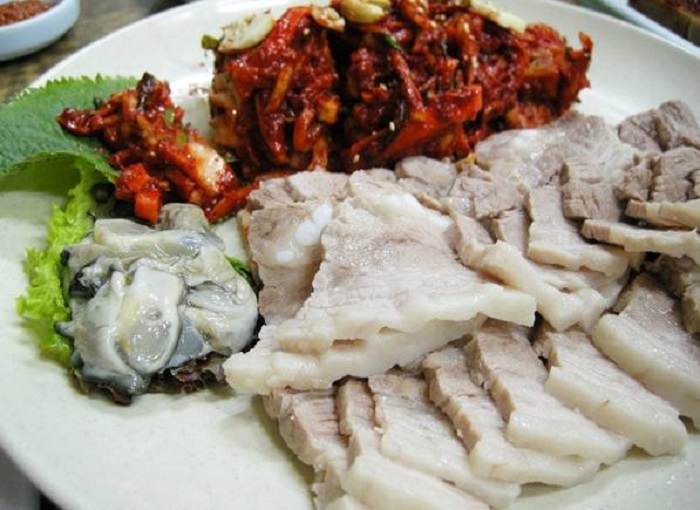
Jangchung Jokbal (장충족발)
8.4Km 2024-10-15
31, Noryangjin-ro 16-gil, Dongjak-gu, Seoul
+82-2-816-9824
Jokbal (pig’s feet) is a representative food loved by Koreans. The best menu at this restaurant is braised pigs' feet. This Korean dishes restaurant is located in Dongjak-gu, Seoul.
The Children’s Museum of the National Folk Museum of Korea (국립민속박물관&국립민속박물관 어린이박물관)
8.4Km 2025-06-19
37 Samcheong-ro, Jongno-gu, Seoul
The Children’s Museum of the National Folk Museum of Korea, located within Gyeongbokgung Palace, showcases artifacts related to Korean traditional culture. This interactive museum allows children to experience and learn about various aspects of Korean traditional clothing, food, society, culture, and games firsthand. Especially catering to children from Asian countries, there is a service for renting items, and reservations are required for admission.
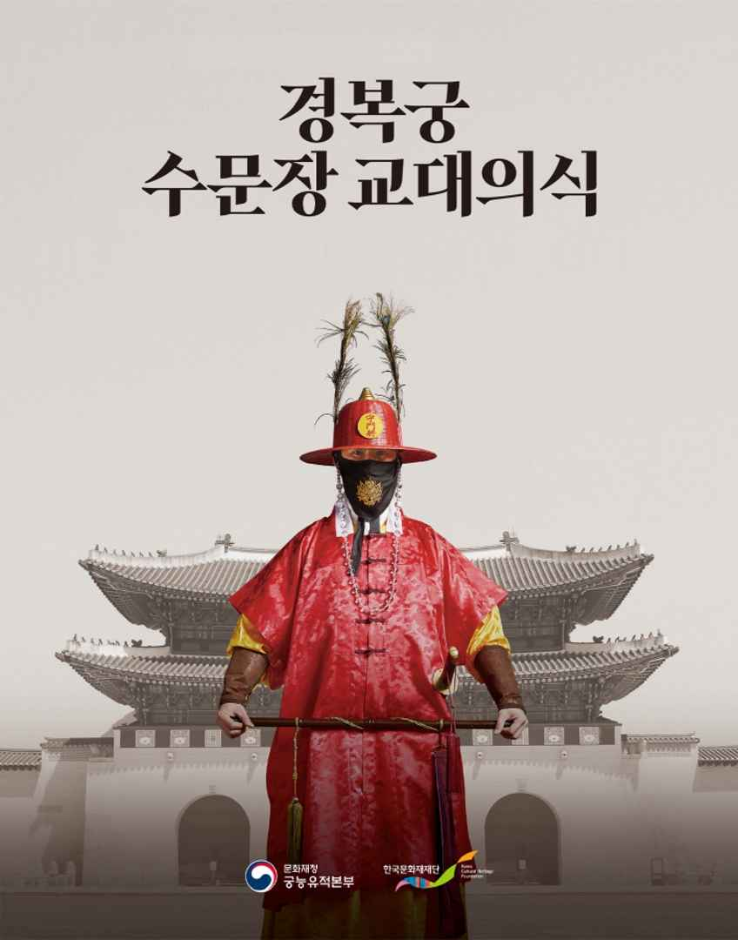
Palace Royal Guard Changing Ceremony (수문장 교대의식)
8.4Km 2025-07-11
161 Sajik-ro, Jongno-gu, Seoul
+82-2-3210-1645
In the Joseon dynasty, the royal guards of the palace were gatekeepers who were responsible for guarding the the main gates of Gyeongbokgung Palace as well as the main gates of the city such as Heunginjimun Gate and Sungnyemun Gate. The royal guards worked in shift duties and were in charge of opening and closing Gwanghwamun Gate. Before the royal guard system was enforced in 1469, the palace gates were protected by soldiers of the central army. The Palace Royal Guard Changing Ceremony held at Gyeongbokgung Palace and the Gwanghwamun area reenacts the guard-changing procedure that took place during the Joseon dynasty, along with the reproduction of costumes and weapons, based on historical records.
![Rogatis - Munjeong Branch [Tax Refund Shop] (로가디스 문정점)](http://tong.visitkorea.or.kr/cms/resource/70/2879470_image2_1.jpg)
Rogatis - Munjeong Branch [Tax Refund Shop] (로가디스 문정점)
8.4Km 2024-04-23
109, Dongnam-ro, Songpa-gu, Seoul
-
![Olens - Hankuk Univ. of Foreign Studies Branch [Tax Refund Shop] (오렌즈 외대)](http://tong.visitkorea.or.kr/cms/resource/14/2888114_image2_1.jpg)
Olens - Hankuk Univ. of Foreign Studies Branch [Tax Refund Shop] (오렌즈 외대)
8.4Km 2024-04-22
1F, 16, Hwigyeong-ro, Dongdaemun-gu, Seoul
-
![Aritaum - Hankuk Univ. of Foreign Studies Station Branch [Tax Refund Shop] (아리따움 외대역)](http://tong.visitkorea.or.kr/cms/resource/60/2889660_image2_1.jpg)
Aritaum - Hankuk Univ. of Foreign Studies Station Branch [Tax Refund Shop] (아리따움 외대역)
8.4Km 2024-04-18
25, Hwigyeong-ro, Dongdaemun-gu, Seoul
-
Cheongsujeong (청수정)
8.4Km 2024-03-18
91 Samcheong-ro, Jongno-gu, Seoul
Cheongsujeong is a traditional Korean restaurant specializing in mussel dishes near Gyeongbokgung Palace. Mussel rice is a traditional dish from Ulleungdo Island. The signature menu is the honghapbap jeongsik (mussel rice set menu), which includes mussel-infused rice served with soybean paste jjigae, various side dishes such as salads, acorn jelly, kimchi, grilled fish, and more. Additionally, they offer dishes like bulgogi deopbap (stir-fried bulgogi with rice), jeyukbokkeum (spicy stir-fried pork), and ojingeo bokkeum (stir-fried squid).
 English
 한국어
한국어 日本語
日本語 中文(简体)
 Deutsch
 Français
 Español
 Русский


