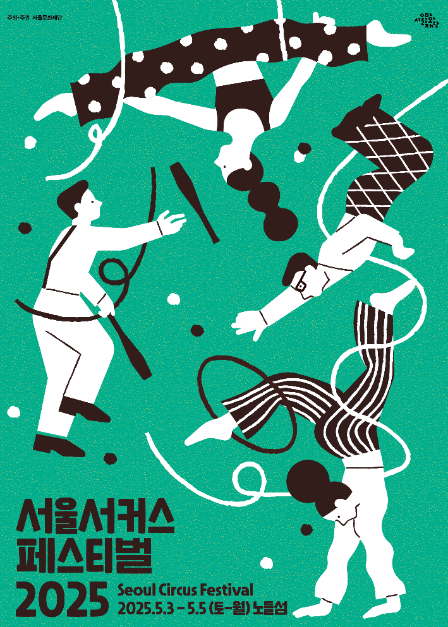
Seoul Circus Festival (서울서커스페스티벌)
7.8Km 2025-04-23
445 Yangnyeong-ro, Yongsan-gu, Seoul
+82-2-758-2036
Seoul Circus Festival is Korea's only circus festival. During the fun-filled weekend, performers from all over the world come to showcase their talents and provide fun experiences for the whole family to enjoy. In addition to the circus acts, guests can enjoy movies, exhibitions, and a flea market.
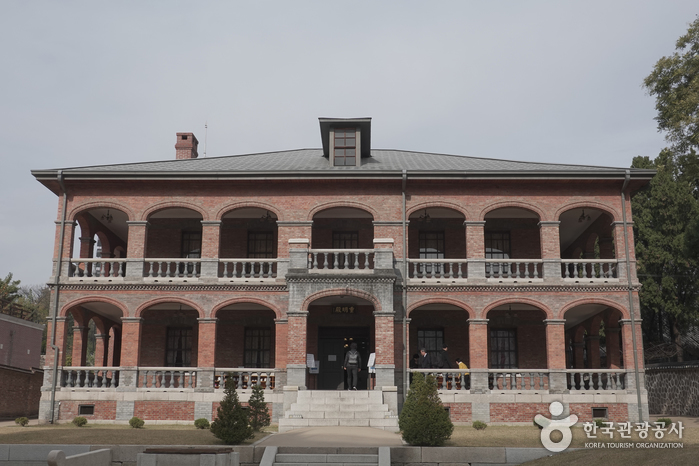
Jungmyeongjeon Hall (중명전)
7.8Km 2025-01-09
41-11, Jeongdong-gil, Jung-gu, Seoul
+82-2-752-7525
Located near Deoksugung Palace, Jungmyeongjeon Hall is a red-brick modern Western-style building. It was built in 1899 as the imperial library of the Korean Empire. After Deoksugung Palace caught on fire in 1904, the place became the temporary residence of Emperor Gojong. It also witnessed the tragic part of history in which the infamous Eulsa Treaty (Japan-Korea Protectorate Treaty), an illegal treaty forced by Japan, was signed in 1905. Its exhibition hall serves as a place for historical education.

Olive Young - Sejong-ro Branch [Tax Refund Shop] (올리브영 세종로)
7.8Km 2024-04-16
161, Sejong-daero, Jongno-gu, Seoul
-
![Uniqlo - Sadang Branch [Tax Refund Shop] (유니클로 사당)](http://tong.visitkorea.or.kr/cms/resource/08/2889108_image2_1.jpg)
Uniqlo - Sadang Branch [Tax Refund Shop] (유니클로 사당)
7.8Km 2024-04-18
B1 of Pastel City Sadang, 11, Bangbaecheon-ro, Seocho-gu, Seoul
-
![JDX - Gangdong Station Branch [Tax Refund Shop] (강동역점JDX)](http://tong.visitkorea.or.kr/cms/resource/91/2878891_image2_1.jpg)
JDX - Gangdong Station Branch [Tax Refund Shop] (강동역점JDX)
7.8Km 2024-04-22
1084, Cheonho-daero, Gangdong-gu, Seoul
-
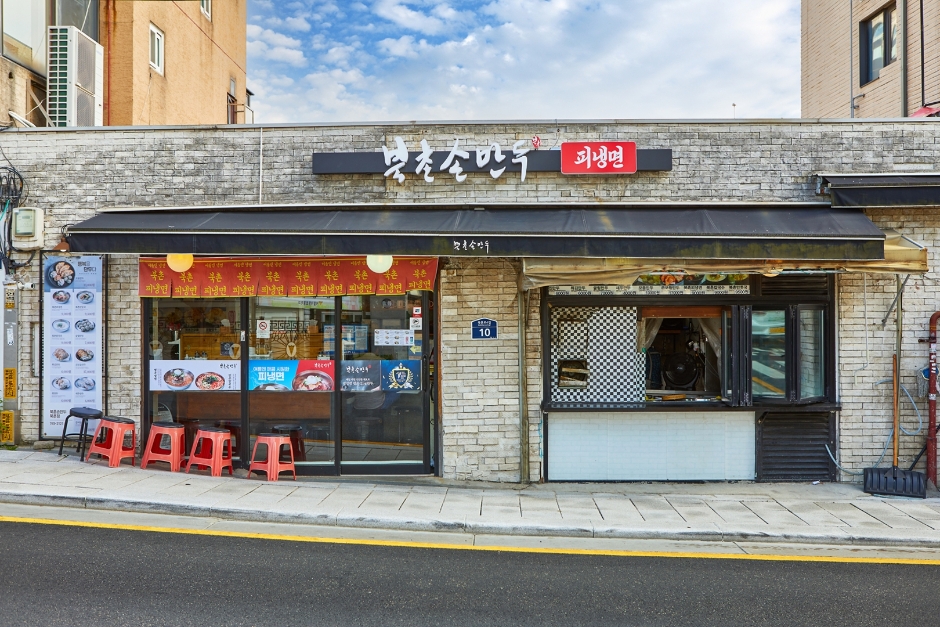
Bukchon Son Mandu Bukchon Branch (북촌손만두 북촌점)
7.8Km 2024-12-10
This third-generation family-owned handmade mandu restaurant has been in business since 1953. Its handmade mandu bears the tradition of nearly 70 years. This restaurant distinguishes itself above others with its unique expertise in the art of mandu-making and fresh ingredients, capturing deep flavors with care in each mandu. A full spread of mandu is available here, from steamed mandu to thin-skin mandu, deep-fried mandu, shrimp mandu, and galbi mandu, which can be ordered in individual pieces or as an assorted package. Mandu and noodles go perfectly together, and here, visitors can enjoy mandu with cold buckwheat noodles or noodle soup. The most recommended menu is the noodle soup, which serves thick, plump noodles in warm broth. But that does not mean that the cold buckwheat noodles are lacking: cold buckwheat noodles are served in a cool, red kimchi broth.
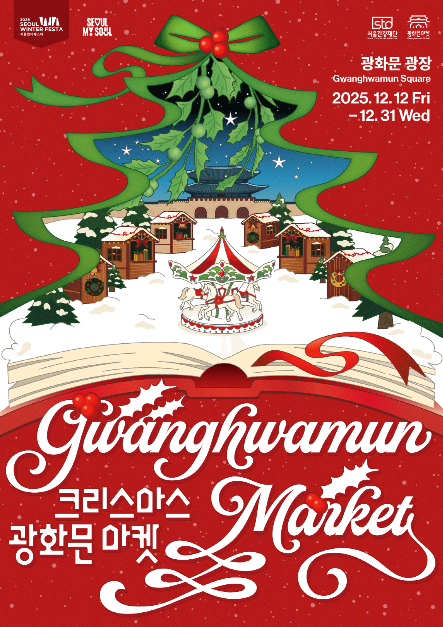
Gwanghwamun Market (광화문 마켓)
7.8Km 2025-12-05
B172 Sejong-daero, Jongno-gu, Seoul
+82-2-337-3692
Gwanghwamun Market takes place along with the Seoul Lantern Festival to support local small businesses and promote Seoul night tourism. The market features local store owners and businesses that exhibit and sell seasonal decor, handcrafted items, and winter snacks.
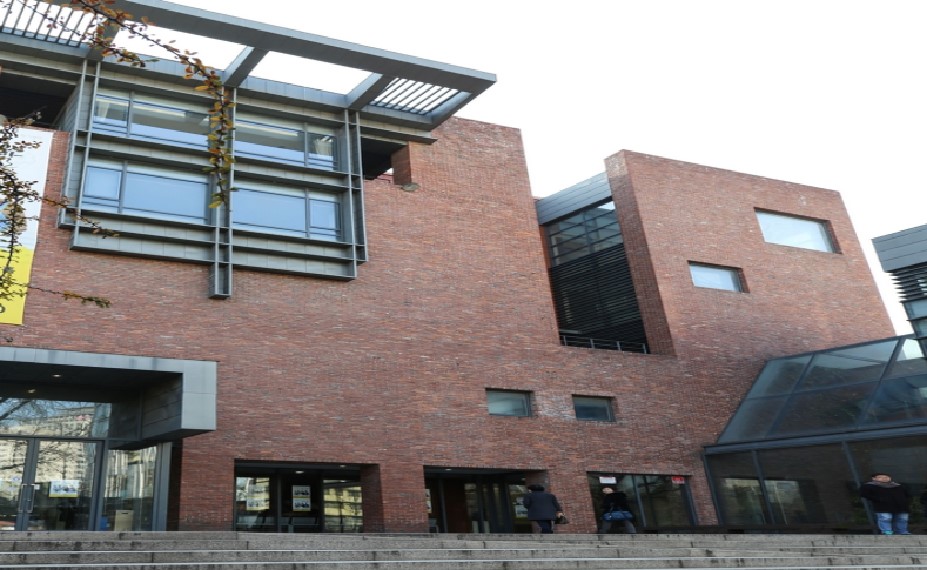
Ewha Centennial Hall (이화여고100주년기념관)
7.8Km 2024-02-20
26 Jeongdong-gil, Jung-gu, Seoul
Ewha Centennial Hall is a multimedia education center located next to Ewha Girls' High School. Spanning underground and five above-ground floors, it features a gallery, a cafe, music rooms, individual practice rooms, and audio-visual rooms. The Hwaham Hall on the first and second floors is utilized for performances such as musicals and concerts, as well as educational events.
CU - Hankuk University of Foreign Studies Branch [Tax Refund Shop] (cu한국외국어대학교점)
7.8Km 2024-06-27
107, Imun-ro, Dongdaemun-gu, Seoul
-
The Story of King Sejong (세종이야기)
7.8Km 2022-09-13
jiha 175, Sejong-daero, Jongno-gu, Seoul
+82-2-399-1000
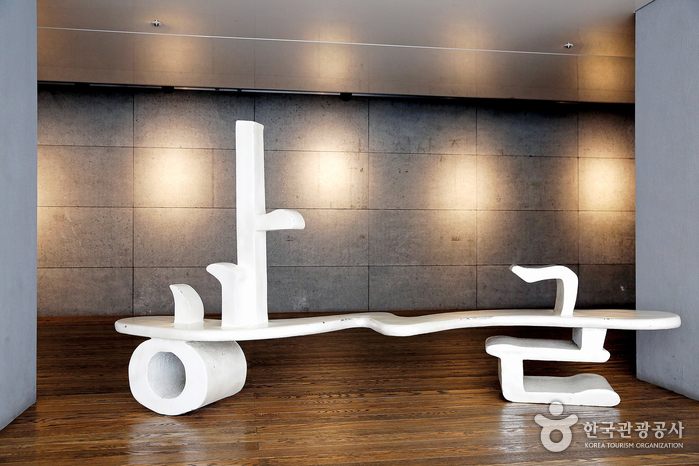
The Story of King Sejong comprises six different sections with a total area of 3,200 square meters. The museum consists of exhibition zones, an event space, video room, shop and more to display King Sejong’s scientific, artistic, military, and political contributions, including the theory of Minbon, which recognized the people as the base of politics. King Sejong, the 4th king of the Joseon dynasty (1397-1450, reigning from 1418-1450) was responsible for some of the most brilliant achievements in the history of Korea, including the creation of Hangeul (Korean alphabet) and great advancements in the areas of science, culture, art and politics.
 English
 한국어
한국어 日本語
日本語 中文(简体)
 Deutsch
 Français
 Español
 Русский


