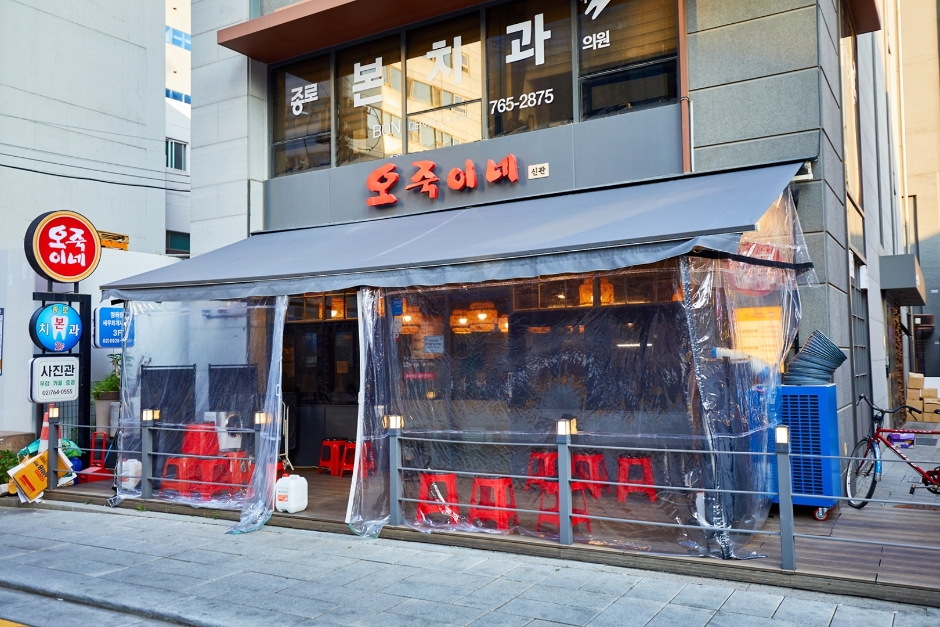
Ojugine (오죽이네)
7.1Km 2024-12-10
Ojugine is a restaurant that specializes in dak maeuntang, a spicy chicken stew that is different from dak bokkeumtang (spicy braised chicken), as the former has more soup than the latter. The stew is served whilst boiling, so one just needs to let it sit for a bit on the table before digging in. The spicy sauce and chicken are a match made in heaven, and the same goes for this dish. Interestingly, Ojugine uses smaller chickens to prepare their dishes, so the flesh braises in the stock faster. The resulting combination is sure to offer a memorable meal. Any remaining soup can be reused as a sauce for fried rice after the main meal, so visitors are advised to leave some space in their stomach.
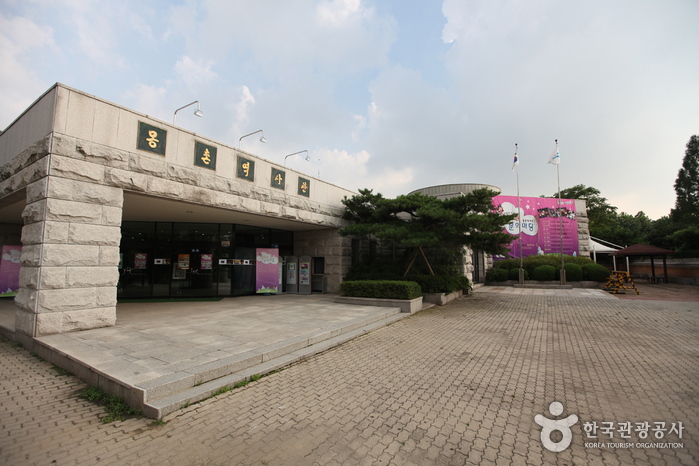
Mongchon Museum of History (몽촌역사관)
7.1Km 2021-08-13
424, Olympic-ro, Songpa-gu, Seoul
+82-2-2152-5900
The Mongchon Museum of History, located within Olympic Park, displays artifacts from the excavations of Mongchontoseong Fortress, such as earthen fortifications as well as other artifacts of the Baekje Kingdom period, offering a glimpse into Baekje culture. A model of a Baekje dugout hut site reveals ancient dwelling patterns. Also, the facility displays a perfectly preserved model of ancient houses and tombs, giving visitors the feel of traveling back to prehistoric ages.
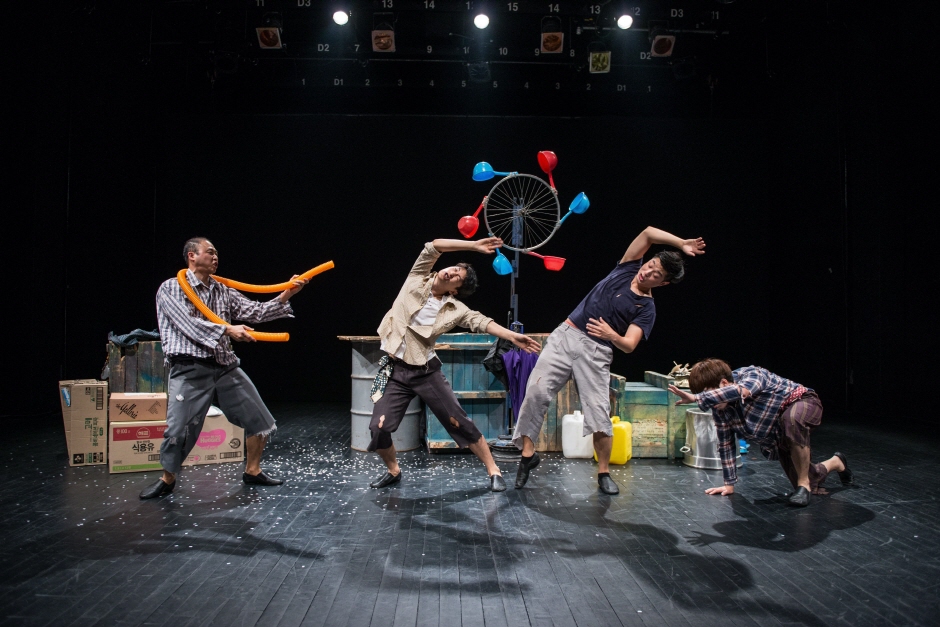
D. Festa: Daehakro Street Performance Festival (대학로 거리공연축제)
7.1Km 2025-06-16
1, Daehak-ro 8-gil, Jongno-gu, Seoul
• 1330 Travel Hotline: +82-2-1330 (Korean, English, Japanese, Chinese) • For more info: +82-2-741-4188
Started in 2015, Daehakro Street Performance Festival provides various performances including plays, dances, mimes and more. The festival aims to provide hope and changes in daily life through diverse performances.

![Kumkang Land Rover - Jongno Branch [Tax Refund Shop] (CL종로지점(금강 랜드로바))](http://tong.visitkorea.or.kr/cms/resource/95/3313995_image2_1.jpg)
Kumkang Land Rover - Jongno Branch [Tax Refund Shop] (CL종로지점(금강 랜드로바))
7.1Km 2024-06-27
81, Jongro, Jongno-gu, Seoul
-
![SAERAN OPTICAL[Korea Quality]/세란안경[한국관광 품질인증]](http://tong.visitkorea.or.kr/cms/resource/23/2498023_image2_1.JPG)
SAERAN OPTICAL[Korea Quality]/세란안경[한국관광 품질인증]
7.1Km 2024-06-25
30 , Eulji-ro, Jung-gu, Seoul
+82-10-8746-2715
Seran Optical Center is a specialty eyewear store on the 1st basement floor of the Lotte Hotel in Jung-gu, Seoul, and opened in 1979 along with the Lotte Department Store and Hotel in Myeong-dong. Drawing on long-standing expertise, Seran optometrists offer a 1:1 customer-centered service, providing high-quality glasses and precision processing to suit customers’ lifestyle. There is also post-tax exemption for foreigners, and thorough post-sales support. Featured brands include LINDBERG, Cartier, CHROME HEARTS, and Berlin.
Fendi - Lotte Main Branch [Tax Refund Shop] (펜디 롯데 본점)
7.1Km 2024-04-18
81, Namdaemun-ro, Jung-gu, Seoul
-
![Sulwhasoo SPA - Lotte Hotel Seoul Branch [Tax Refund Shop] (설화수스파롯데호텔서울점)](http://tong.visitkorea.or.kr/cms/resource/38/3314438_image2_1.jpg)
Sulwhasoo SPA - Lotte Hotel Seoul Branch [Tax Refund Shop] (설화수스파롯데호텔서울점)
7.1Km 2024-06-27
30, Eulji-ro, Jung-gu, Seoul
-
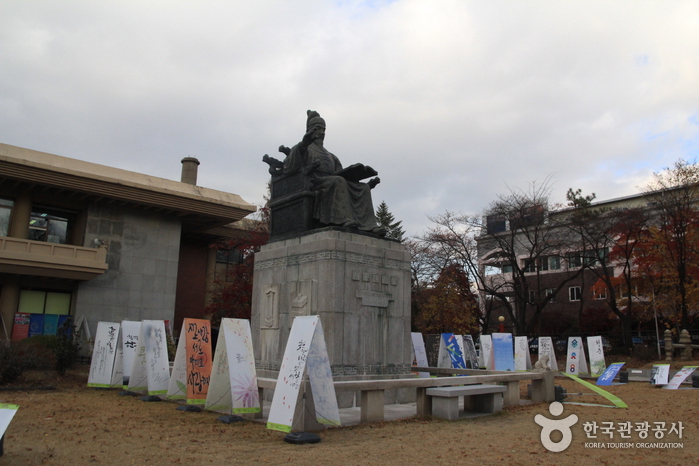
King Sejong The Great Museum (세종대왕박물관)
7.1Km 2024-03-08
56, Hoegi-ro, Dongdaemun-gu, Seoul
+82-2-969-8851
King Sejong The Great Museum is a cultural complex located in the heart of Seoul, near Gwanghwamun Plaza.The Hangeul Room exhibits documents published during the reign of King Sejong, the Science Room displays Cheugugi and celestial planisphere, and the Korean Traditional Music Room showcases various traditional Korean musical instruments. The Biography Room features Portrait of King Sejong and paintings depicting scenes from his life. Outdoors, there are statues of King Sejong, the scahe sundial, the clepsydra, and Cheugugi.
 English
 한국어
한국어 日本語
日本語 中文(简体)
 Deutsch
 Français
 Español
 Русский


