
Seoul Upcycling Plaza (서울새활용플라자)
9.7Km 2024-01-05
49 Jadongchasijang-gil, Seongdong-gu, Seoul
Saehwaryong is a Korean term for upcycling, a process of redesigning or recycling discarded resources or materials to give them a new value or purpose. Seoul Upcycling Plaza operates upcycling-related exhibitions, upcycling practice education and experience programs, design studios, upcycling stores, workshops, and more. It is a great place to look around for ideas and inspirations on how to use products for longer periods of time. The plaza demonstrates the first step to creating a resource-recycling society.
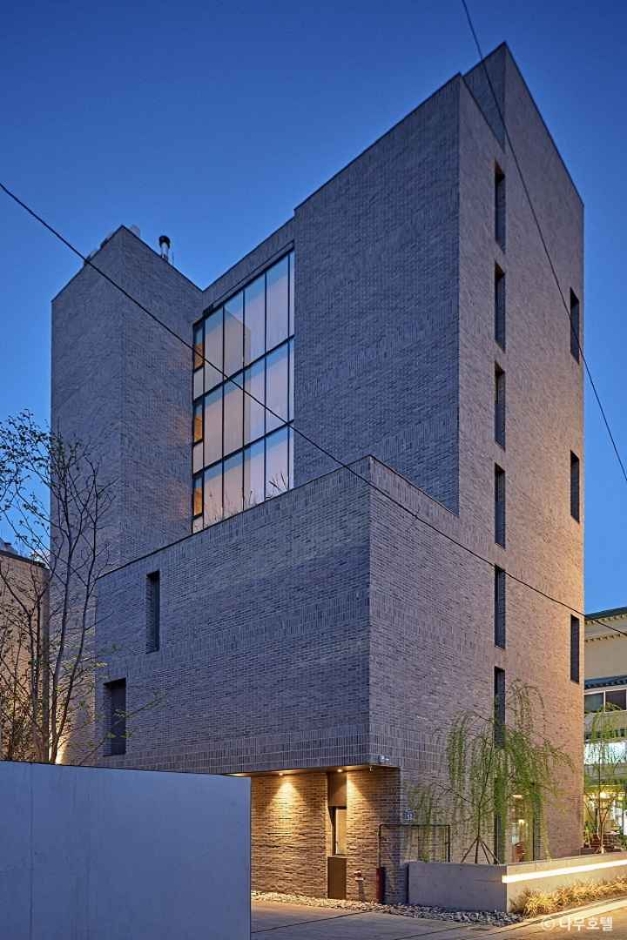
Namu Hotel (나무호텔)
9.7Km 2024-06-04
9 Achasan-ro 76ga-gil, Gwangjin-gu, Seoul
+82-2-456-3271
Namu Hotel, which received the Institute of Architects Award, is a hotel with a distictive design. Rather than having the main entrance on a main road, the hotel must be entered through the alley. Each room has its own unique style in terms of structure and furniture arrangement. Most rooms also feature a blacony that allows guests to be one with nature while also being protected from outside forces. Enjoy a soak in the outdoor bathtub to relax.
Olive Young - Pangyo Library Branch [Tax Refund Shop] (올리브영 판교도서관점)
9.7Km 2024-06-27
1F, 9 Pangyogongwon-ro 2-gil, Bundang-gu, Seongnam-si, Gyeonggi-do
-
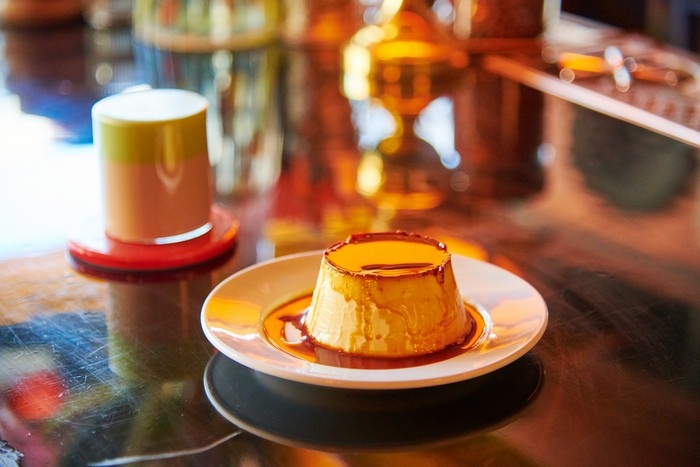
HILLS & EUROPA (힐즈앤유로파)
9.7Km 2025-11-05
35 Sinheung-ro, Yongsan-gu, Seoul
Haebangchon's Hot Place
Singer Lee Hyori's OTT entertainment program 'Seoul Check-in' was filmed, and you can enjoy the atmosphere of Haebangchon properly. The low wooden ceiling and walls filled with unique objects and LPs from all over the world create a unique and cozy atmosphere. It is always full of customers as you can enjoy great visual cocktails and delicious dishes against the backdrop of various genres of music. During the day, it is good to enjoy coffee and dessert like a cafe. It is famous for its delicious cream caramel pudding, along with coffee that makes use of the taste of coffee beans from each region of origin. There are also various types of signature cocktails, but we recommend the unique visual 'Cigar in a Glass' that Lee Hyori and Park Narae drank.
![Olive Young - Hanyang Univ. Branch [Tax Refund Shop] (올리브영 한양대)](http://tong.visitkorea.or.kr/cms/resource/72/2878772_image2_1.jpg)
Olive Young - Hanyang Univ. Branch [Tax Refund Shop] (올리브영 한양대)
9.7Km 2024-04-17
11, Majo-ro, Seongdong-gu, Seoul
-
![Olive Young - Gunja Station Branch [Tax Refund Shop] (올리브영 군자역)](http://tong.visitkorea.or.kr/cms/resource/96/2878796_image2_1.jpg)
Olive Young - Gunja Station Branch [Tax Refund Shop] (올리브영 군자역)
9.7Km 2024-04-23
548, Cheonho-daero, Gwangjin-gu, Seoul
-
![Kumkang Optical - Hyundai Pangyo Branch [Tax Refund Shop] (금강안경 현대판교 [사후면세점])](http://tong.visitkorea.or.kr/cms/resource/51/2881651_image2_1.jpg)
Kumkang Optical - Hyundai Pangyo Branch [Tax Refund Shop] (금강안경 현대판교 [사후면세점])
9.8Km 2024-04-19
8F Hyundai Department Store Pangyo Branch, 180, Pangyoyeok-ro, Bundang-gu, Seongnam-si, Gyeonggi-do
-
![Gucci - Hyundai Pangyo Branch [Tax Refund Shop] (구찌 현대 판교점)](http://tong.visitkorea.or.kr/cms/resource/89/2881689_image2_1.jpg)
Gucci - Hyundai Pangyo Branch [Tax Refund Shop] (구찌 현대 판교점)
9.8Km 2024-04-23
1F, 180, Pangyoyeok-ro, Bundang-gu, Seongnam-si, Gyeonggi-do
-
Junggok-dong Furniture Street (중곡동 가구거리)
9.8Km 2025-03-17
Cheonho-daero, Gwangjin-gu, Seoul
010-5508-0089
Junggok-dong Furniture Street stretches between Achasan Subway Station and Gunjagyo Bridge, hosting a concentration of furniture stores on either side of the main road. This area accommodates a diverse range of furniture stores, featuring well-known domestic and international brands alongside smaller and medium-sized furniture shops. It serves as a convenient destination for customers to compare and purchase various furniture items, including beds, sofas, dining tables, wardrobes, chairs, and interior accessories, all within close proximity. The accessibility to Gunja Subway Station makes it easily reachable via public transportation.
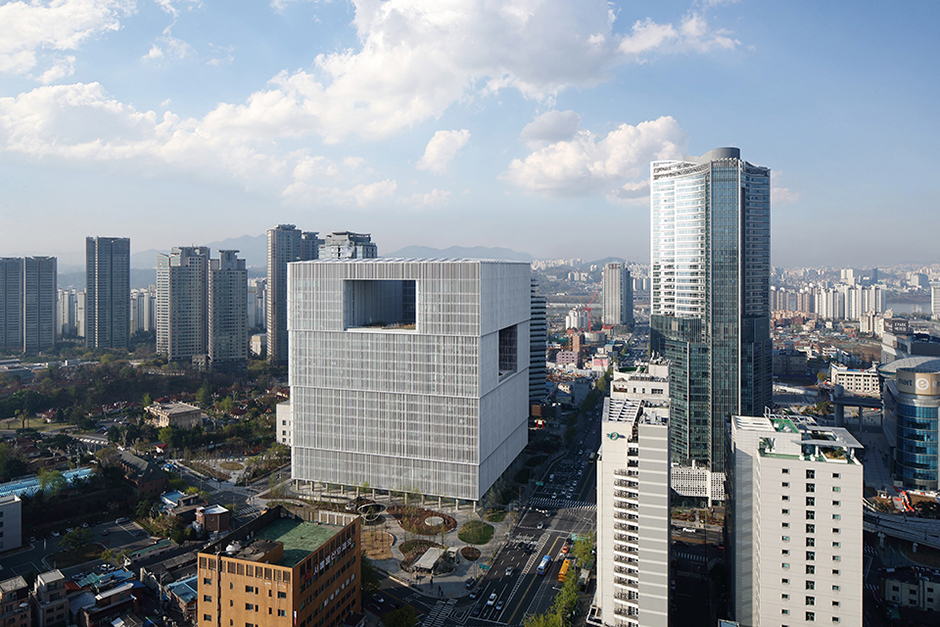
Amorepacific Museum of Art (아모레퍼시픽미술관)
9.8Km 2024-12-31
100 Hangang-daero, Yongsan-gu, Seoul
Amorepacific Museum of Art, located in Yongsan-gu, Seoul, was originally a museum exhibiting artworks collected by the late Seo Seong-hwan, the founder of Amorepacific, but later changed its name to Amorepacific Museum of Art, or APMA, in 2009 and has since been operating as an art exhibition hall. The mission upon its foundation was seeking to be "a space where beauty in the midst of daily lives is discovered" and communicating with the public. In accordance with this objective, the museum collects, researches, and exhibits Korean ancient art and both Korean and international contemporary art while, also, aiding researchers, scholars, and young artists. The underground exhibition hall hosts diverse exhibits encompassing ancient art, contemporary art, and Korean art. The 1st floor of the "Atrium," an enormous space that continues from the 1st to 3rd floors, features the museum lobby, a museum shop, an exhibition space called "APMA Cabinet" and apLAP, which is a library of art exhibition brochures from around the world. The art museum is located on the 1st floor of the new Amorepacific headquarters building, a famous work of architectural beauty of Yongsan designed after white porcelain.
 English
 한국어
한국어 日本語
日本語 中文(简体)
 Deutsch
 Français
 Español
 Русский


