
Korea Medical Association Co,ltd. (주식회사 한국의료협회)
1.1Km 2025-12-17
(B1-415), 375 Achasan-ro, Gwangjin-gu, Seoul
The Korea Medical Association (KMA) continuously receives patients through a global network of Korean expatriates, numerous contracted agencies in various countries, and partnerships with hospitals, clinics, and healthcare platforms.
Following the footsteps of well-established countries in attracting international patients, such as Thailand and Singapore, other regions like Malaysia, Costa Rica, and Taiwan, known for providing high-quality domestic medical services, are now focusing on attracting international patients through major hospitals.
In this competitive international landscape, KMA is introducing patient-centered services like optimal matching, telehealth care service, My Health Data service, and medical dispute legal systems, to highlight the advantages of Korean healthcare and maintain high service quality.
KMA has contracts with all types of medical institutions in Korea, including general hospitals, specialized hospitals, and clinics. The association aims to provide the best hospital selection and healthcare services tailored to each patient's condition and budget.
The North Face - Guui Branch [Tax Refund Shop] (노스페이스구의점)
1.1Km 2024-04-19
81, Jayang-ro, Gwangjin-gu, Seoul
-
Olive Young - Guui Station Branch [Tax Refund Shop] (올리브영 구의역점)
1.2Km 2024-06-27
1F, 378, Achasan-ro, Gwangjin-gu, Seoul
-
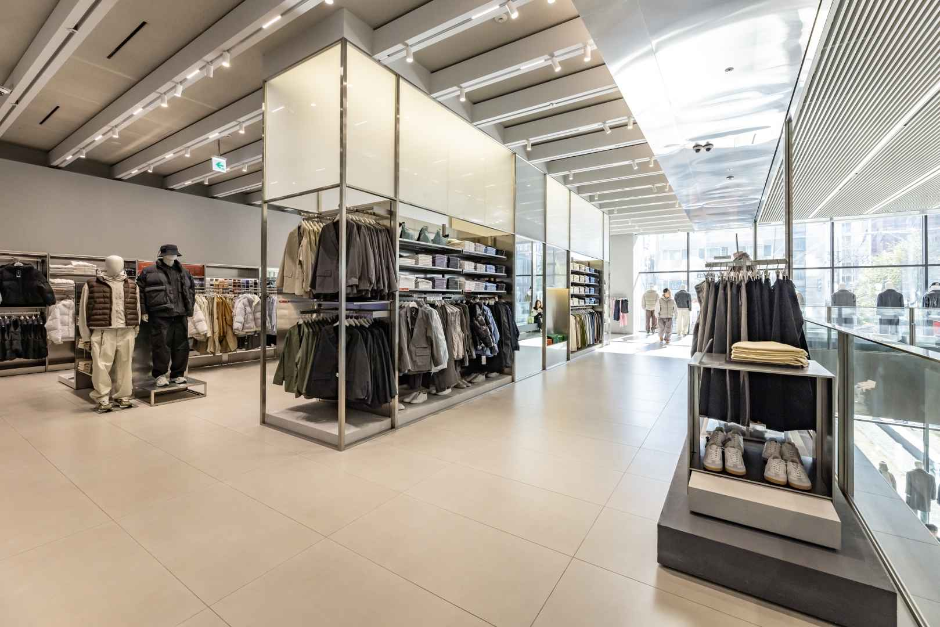
Musinsa Standard Seongsu (무신사 스탠다드 성수)
1.2Km 2025-11-06
83 Yeonmujang-gil, Seongdong-gu, Seoul
Located near Seongsu-dong Café Street, this is the physical store of the online editorial shop MUSINSA. The store offers affordable, high-quality clothing aimed at young adults in their 20s, with neutral colors and minimalist designs popular among Koreans. It’s also a favorite indoor date spot for couples, providing a quick overview of the latest fashion trends.
Exprive (주식회사 엑스프리베)
1.2Km 2025-10-23
#705, 38 Ttukseom-ro 13-gil (Seongsu-dong 2-ga, Sangsang Planet), Seongdong-gu, Seoul
Exprive Medical is a certified international patient attraction agency that safely connects overseas patients with Korea’s high-quality medical services. Our main services include discovering and consulting with international patients, coordinating customized hospital connections, and providing interpretation and convenience support. Through personalized services tailored to each patient, we contribute to enhancing the value of Korea’s medical tourism.
Amore Seongsu (아모레 성수)
1.3Km 2024-01-05
7 Achasan-ro 11-gil, Seongdong-gu, Seoul
Amore Seongsu is an experiential store presented by the cosmetics brand Amorepacific Corporation. The building was renovated from an old car repair shop and presents a unique vibe. Visitors can test products on their skin and purchase products from over 30 brands released by Amorepacific Corporation. Recommended items include the Puzzlewood Hand Cream and Vegan Brush, made using a vegan recipe and a certified-vegan. A pop-up store is operated every month in collaboration with brands from various fields worldwide, providing trendy and extraordinary experiences such as exhibitions and product testing.
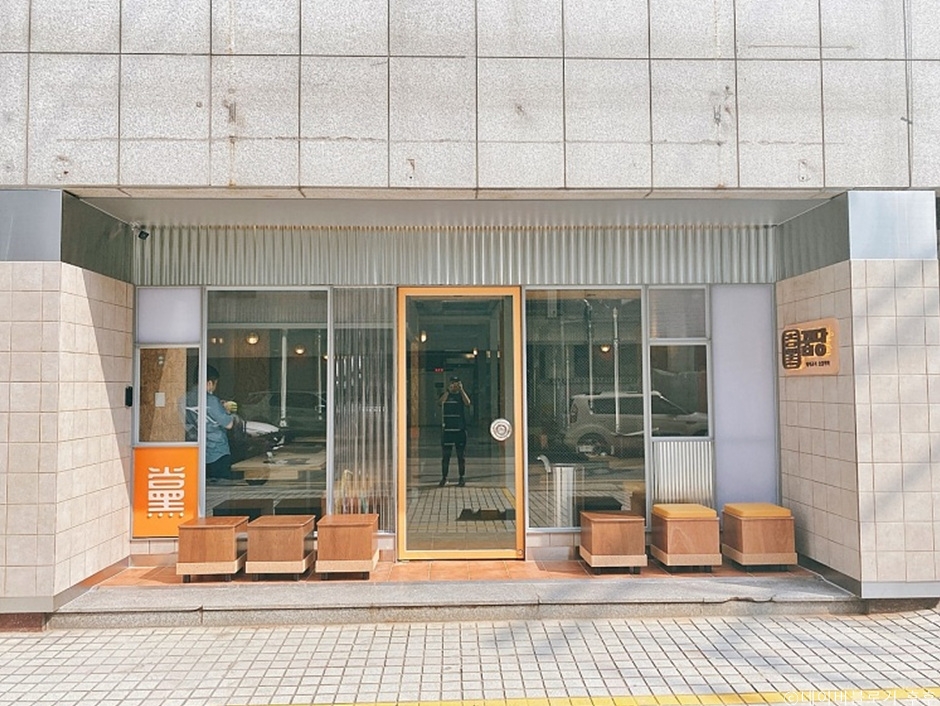
Kkupdang Seongsu Main Store (꿉당 성수점)
1.4Km 2024-02-22
1F, 615 Gangnam-daero, Seocho-gu, Seoul
Kkupdang is a pork neck specialty restaurant located near Sinsa Station. Here, you can taste meat quickly grilled on an aluminum grill that is developed in-house and charcoal briquettes. The signature dish is the moksal (grilled pork shoulder) aged for 15 days, and they also offer options like ogyeopsal (grilled skin-on pork belly) and galmaegisal (grilled thin skirt). Renowned for its rich juiciness and tender fat, it's a sought-after dining spot for many.
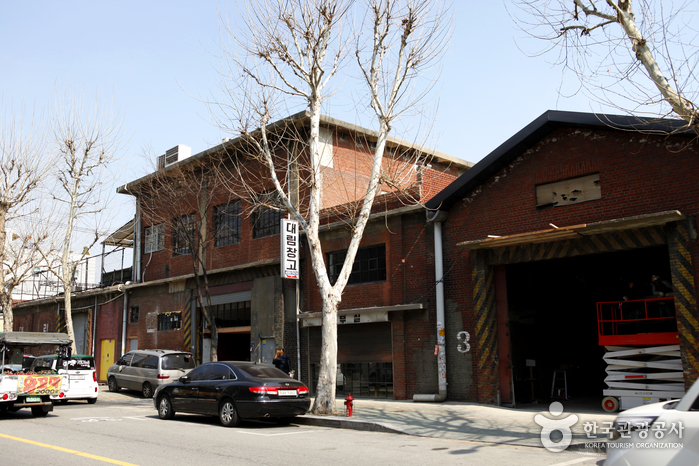
Daelim Changgo Gallery (성수동 대림창고 갤러리)
1.4Km 2025-03-18
78 Seongsui-ro, Seongdong-gu, Seoul
Daelim Changgo Gallery, which is a landmark in Seongsu-dong, is a red-brick building that was once used as a rice mill in the 1970s. It is now a cafe and art gellery that preserves as much of the original rice mill atmosphere as possible so it exudes fascinatingly vintage vibes, widely loved by young couples.
Seongsu-dong Cafe Street (성수동 카페거리)
1.4Km 2024-10-28
Seongsu-dong, Seongdong-gu, Seoul
Yeonmujang-gil in Seongsu-dong, known for old factories and a shoe workshop street, has been reborn as a place of trendy cafes and culture. The energy of car repair shops, printing factories, and handmade shoes street still exist today but, as global restaurant brands, select shops, and cafes have set up amidst busily operating factories, an atmosphere unique to Seongsu-dong has been created. "Daerim Warehouse" led to the change in the Seongsu-dong streets and can be said to be the originator of all warehouse-style cafes that are popular throughout Cafe Street today. The red-brick structure, antique signboards, and a vast indoor space of an old warehouse have been maintained and, with the addition of a sensuous interior design, it has become a space suitable for fashion shows and exhibits, thus showing new potential for old Seongsu-dong architecture. Every day, new cafes, bakeries, restaurants, and cultural complexes open their doors and are busy welcoming visitors.
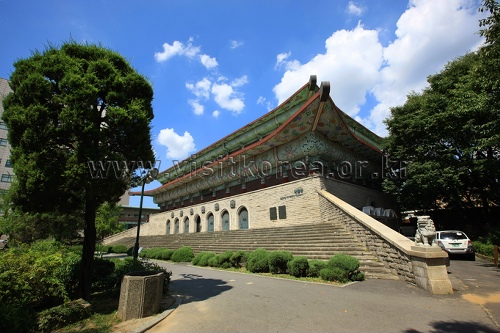
Sejong University Museum (세종대학교 박물관)
1.5Km 2022-09-16
209, Neungdong-ro, Gwangjin-gu, Seoul
+82-2-3408-3876
Sejong University Museum exhibits folk art, wooden crafts, clothing, accessories, pottery, paintings and calligraphy collected for over 40 years by the couple who founded the present day Sejong University, Dr. Ju Young-ha and Dr. Choi Ok-ja. This museum has its origins in the Soodo Gallery, which was built in Chungmuro, the campus’ original location, in 1959. Needing more space to house additional artifacts, the museum moved to its current location, which first opened on May 5, 1973 in a four-story concrete building inspired by traditonal tower design from the Baekje era. This building was later expanded on May 20, 1977.
After the university’s name was changed to Sejong University in 1979, the museum was also renamed the Sejong University Museum. The museum showcases unique artifacts to both scholars and students from home and abroad in contribution to the research of Korea’s culture, arts, and archeology.
 English
 한국어
한국어 日本語
日本語 中文(简体)
 Deutsch
 Français
 Español
 Русский


