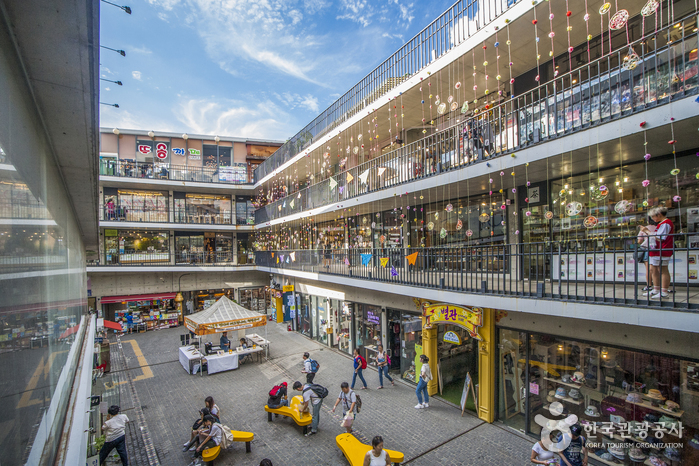
Insa-dong (인사동)
11.3Km 2024-05-17
62, Insadong-gil, Jongno-gu, Seoul
+82-2-734-0222
Insa-dong, located in the heart of the city, is an important place where old but precious traditional goods are on display. There is one main road in Insa-dong with alleys on each side. Within these alleys are galleries, traditional restaurants, teahouses, and cafes.
The galleries are the heartbeat of Insa-dong. There are about 100 galleries in the area offering every example of traditional Korean fine art from paintings to sculptures. The most famous galleries are Hakgojae Gallery, which functions as the center of folk art, Gana Art Gallery, which promotes many promising artists, and Gana Art Center.
The teahouses and restaurants are the perfect complement to the galleries. They are hidden deep within the twisting alleyways, making it feel like a treasure hunt. The shops in Insa-dong are very popular among all age groups, because each one is unique.
Every Saturday from 14:00 to 22:00 and Sunday from 10:00 to 22:00, the main street is blocked to vehicular traffic and it becomes a cultural space. Stores set up booths outside and Korean candy merchants and fortune teller stalls can easily be found; there are traditional performances and exhibits as well. Insa-dong is especially popular among international tourists. This is where they can experience and see traditional Korean culture first-hand, and also purchase pieces of fine art.
![Uniqlo - Gwanghwamun D Tower Branch [Tax Refund Shop] (유니클로 광화문D타워)](http://tong.visitkorea.or.kr/cms/resource/15/2878215_image2_1.jpg)
Uniqlo - Gwanghwamun D Tower Branch [Tax Refund Shop] (유니클로 광화문D타워)
11.3Km 2024-04-17
17, Jong-ro 3-gil, Jongno-gu, Seoul
-
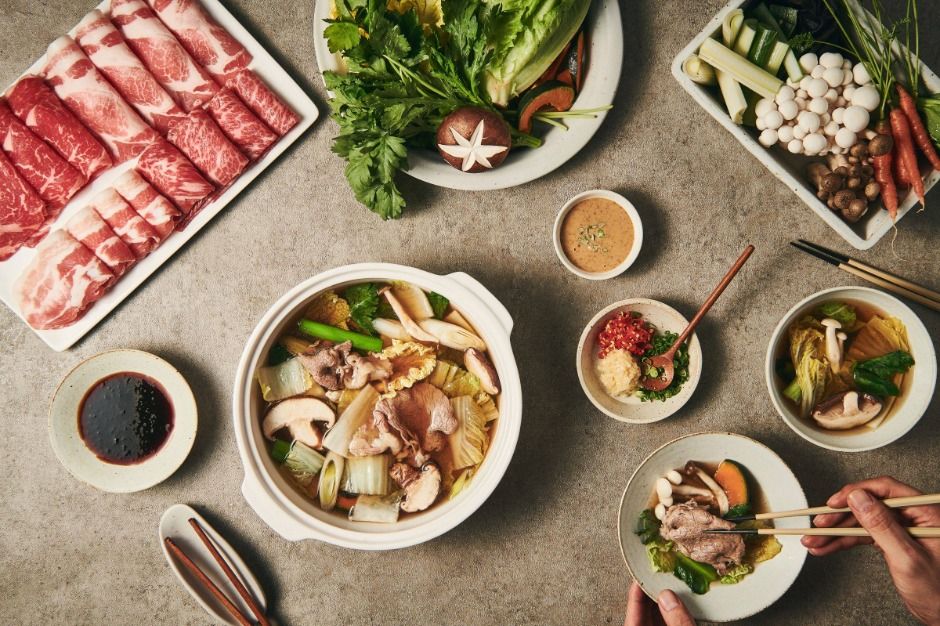
Modern Shabu House Gwanghwamun D Tower Branch (모던샤브하우스 광화문D타워점)
11.3Km 2025-12-02
17 Jong-ro 3-gil, Jongno-gu, Seoul
Located in Jongno-gu, Modern Shabu House Gwanghwamun D Tower Branch offers a selection of specialty broths to enjoy unlimited beef, pork, and vegetables. The restaurant serves four cuts of pork and beef in every course. The interior is designed with natural materials like earth, stone, and wood, inspired by the fluid process of cooking ingredients like meat and vegetables in a pot. The design reflects the natural movement and flow of ingredients as they cook together. The restaurant also has a range of private rooms, making it a popular choice for families with children and for gatherings, providing a comfortable dining experience.
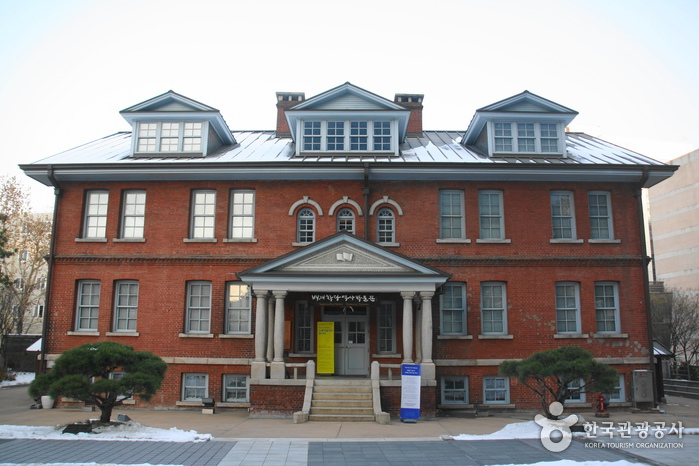
Appenzeller Noble Memorial Museum (배재학당 역사 박물관)
11.3Km 2022-10-14
19, Seosomun-ro 11-gil, Jung-gu, Seoul
+82-2-319-5578
The Appenzeller Noble Memorial Museum is dedicated to Henry Gerhart Appenzeller, the missionary who opened the first Western-style educational institution in Korea in 1885. The school started with English and core subjects, but expanded into the Pai Chai University, Pai Chai High School, and Pai Chai Middle School and has many famous alumni, including Rhee Syng-man. The memorial hall opened in 2008 in the east wing of the original school building, which was built in 1916 and designated as a Seoul Monument. With dynamically arranged permanent exhibitions, annual special exhibitions and special lectures, the museum offers a unique learning experience to visitors and people with an interest in the history of education in Korea.
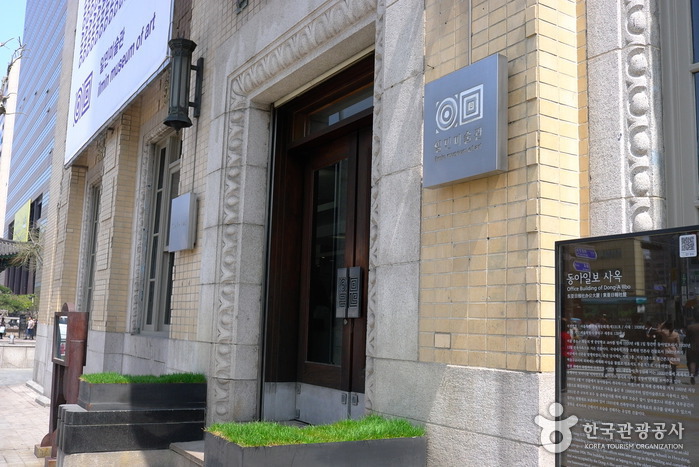
Ilmin Art Museum (일민미술관)
11.3Km 2022-09-27
152, Sejong-daero, Jongno-gu, Seoul
The Ilmin Art Museum located in former Dong-A Newspaper Building, was formed in honor of their honorable and late CEO Kim Sang-man. The museum was established in December of 1996, and with a full renovation in 2001, large exhibition hall and Ilmin collection was placed in. Through the renovation, the combination of glass and steel made Artrium aimed to become one of the best comtemporary museum, connecting the museum to the streets of Gwanghwamun.
This museum boasts a large Ilmin collection. There are 430 pieces of Ilmin collection from Goryeo dynasty (918-1392) to present, 1,200 pieces in the Donga Newspaper's collection of art, and 100 pieces of art owned by Hyundai Corporation. The Ilmin Collection mostly consists of pieces that Kim Sang-man collected from ceramics to aesthetic paintings. The Dongah Newspaper's collection has time-relevant pieces that are important in history.
Ononsa Guesthouse (온온사)
11.3Km 2023-07-17
58 Gwanaksan-gil, Gwacheon-si, Gyeonggi-do
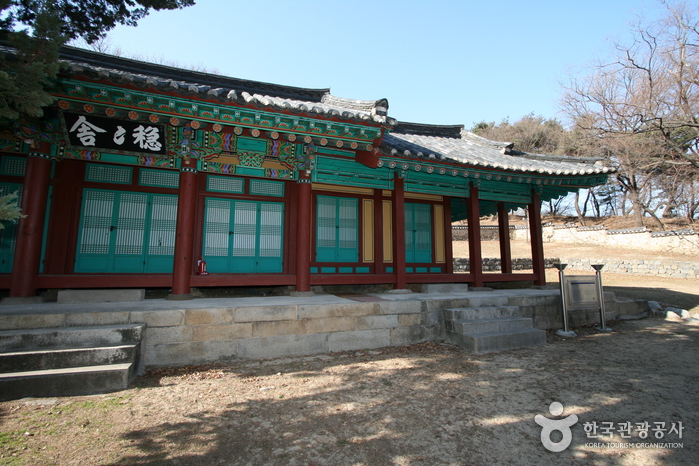
Though Ononsa, which was a guesthouse in Gwacheon, was constructed in the 27th year of King Injo's reign in the Joseon dynasty (1649), the name, "Ononsa," was given to this area during the reign of King Jeongjo. On February 11, 1790 during his royal procession to the tomb of his father, Crown Prince Sado, stayed at an inn in Gwacheon and, as he felt that it "has nice views and provides a comfortable stay," he bestowed upon the place plaques that he wrote himself - "Ononsa" to Seoheon and "Burimheon," which was the old nickname of Gwacheon, to Dongheon. This is how this place began to be called Ononsa.
It was designated as a Tangible Cultural Heritage of Gyeonggi-do on June 2, 1980, and it was restored on December 2, 1986 after being torn down.
Matthew Chang Anguk (메튜장 안국)
11.3Km 2025-07-14
33 Yulgok-ro, Jongno-gu, Seoul
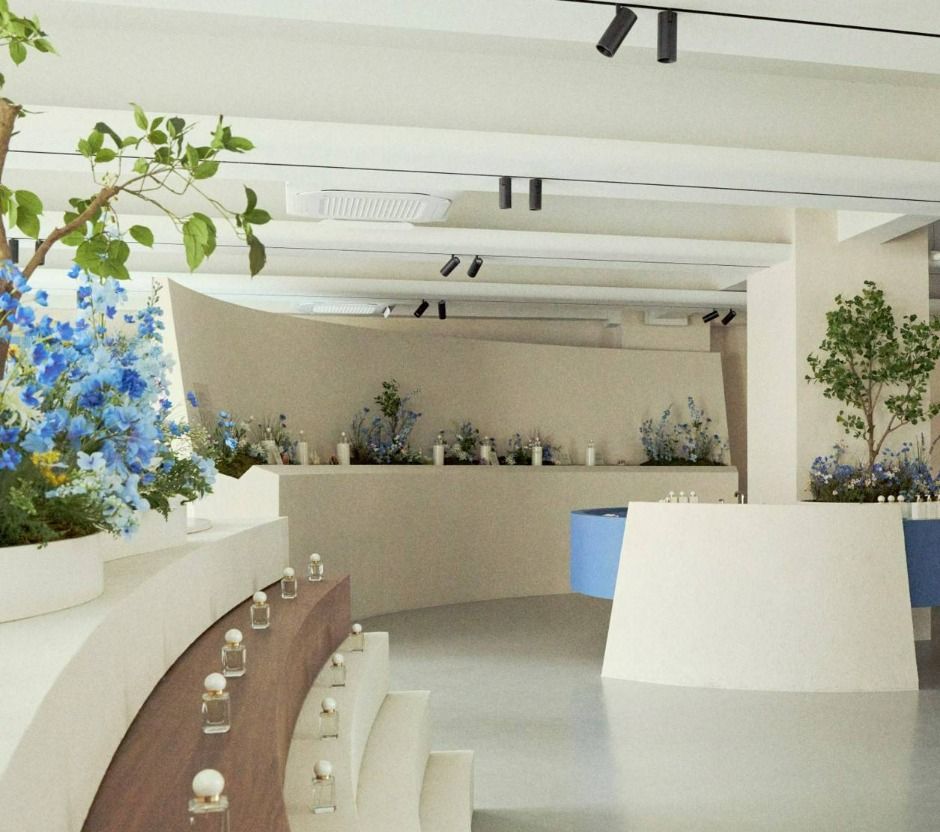
Matthew Chang Anguk flagship store uses the whole space to bring the brand's philosophy to life through fragrance. Located in Anguk, the heart of Korea's tradition and aesthetics, the store's tranquil atmosphere sets the mood for visitors to try on and experiment with the brand's carefully selected perfume collection. The staff provides assistance in recommending the perfect scent according to visitor's preference, mood, and nostalgia. The store also has a section dedicated to body care products, such as hand wash and body lotion.
Luii (루이)
11.3Km 2024-07-17
40, Sejong-daero 21-gil, Jung-gu, Seoul
+82-2-736-8889
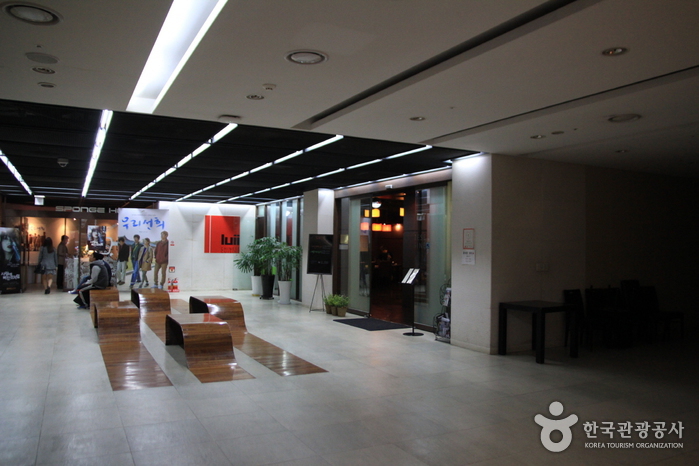
Luii is a Chinese restaurant operated by a veteran chef with extensive experience in Chinese cuisine. The restaurant has several rooms of different sizes to accommodate various events. It also has a VIP room for more private gatherings.
Public Hanok Night Out (공공한옥 밤마실)
11.3Km 2025-06-10
37 Gyedong-gil, Jongno-gu, Seoul
+82-2-741-1033
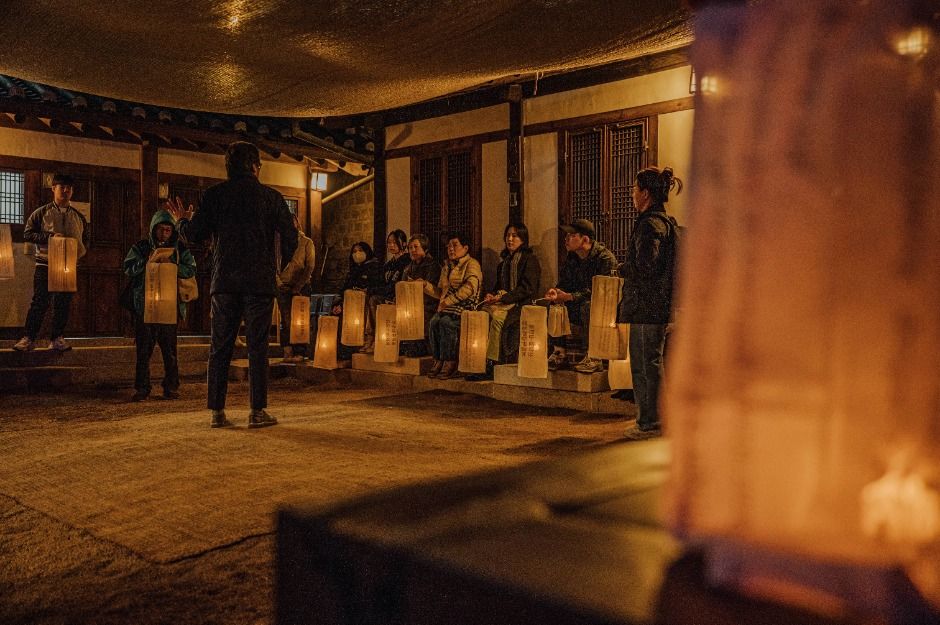
Public Hanok Night Out is a special evening event that allows limited access to the nine public hanok buildings, including the Bukchon Culture Center, after sundown. The event is carefully prepared to make the hanok buildings accessible as much as possible. In addition, the event also offers a variety of programs to entertain the visitors. The event aims to raise awareness about embracing differences and diverse values during this time of ever-changing global society, as well as expand the the cultural values of hanok as something more unique.
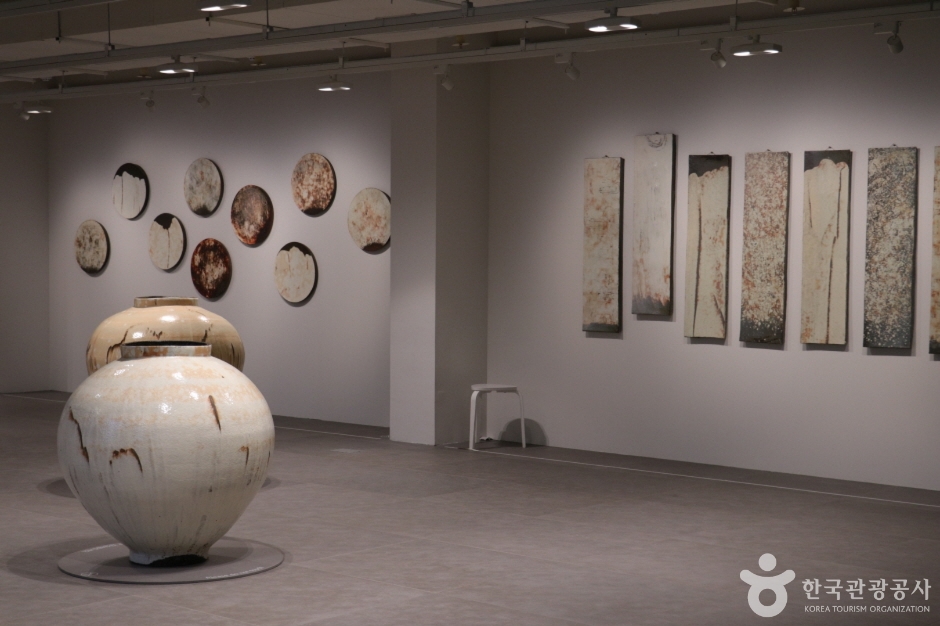
Seoul Museum of Craft Art (SeMoCA) (서울공예박물관)
11.3Km 2025-06-19
4 Yulgok-ro 3-gil, Jongno-gu, Seoul
The Seoul Museum of Craft Art (SeMoCA), the first public museum of craft art in Korea, opened its doors in Anguk-dong, Jongno-gu, in July 2021 after renovating five buildings of the former Pungmoon Girls’ High School. SeMoCA studies and shares not only works, but also information, records, people, and environment related to craft art with the goal of becoming a dynamic platform for experiencing the technical, practical, artistic, and cultural values of craft.
SeMoCA holds a collection that comprises various crafts and craft materials covering multiple fields and eras from the traditional to the present. SeMoCA also holds exhibitions that feature the history of craft from traditional to contemporary art as well as local and children’s crafts, along with programs that utilize the museum’s craft installations, craft archives, craft library, and craft resource management system.
The site of the museum has deep historical roots as it is also the Andong Secondary Palace Site, where a detached palace was constructed as a royal residence for King Sejong’s son Prince Yeongeung, and served as a venue for royal celebrations, such as the wedding of King Sunjong. The site is also at the center of Jongno-gu, where Joseon-era master artisans (“gyeonggongjang”) of the royal palace produced and delivered craft works.
 English
 한국어
한국어 日本語
日本語 中文(简体)
 Deutsch
 Français
 Español
 Русский


