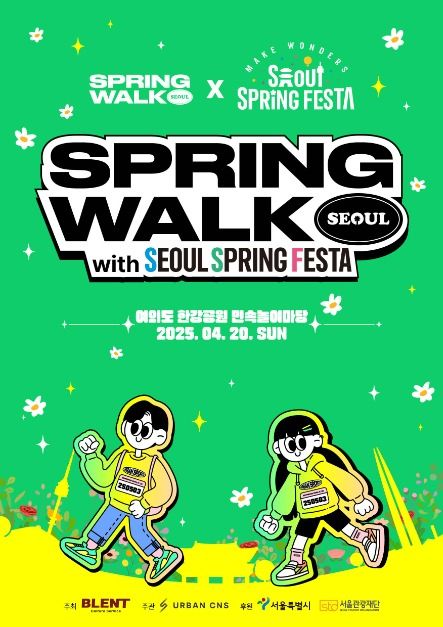
Spring Walk Seoul (스프링워크서울)
13.1Km 2025-03-18
330 Yeouidong-ro, Yeongdeungpo-gu, Seoul
+82-70-4705-2008
Spring Week Seoul is a simple and easy walking event open to anyone. Taking place at Yeouido Hangang Park, walkers can enjoy the spring flowers and breeze along the course.

Olive Young - Ewha Womans Univ. Jungang Branch [Tax Refund Shop] (올리브영 이대중앙)
13.1Km 2024-04-18
43, Ewhayeodae-gil, Seodaemun-gu, Seoul
-
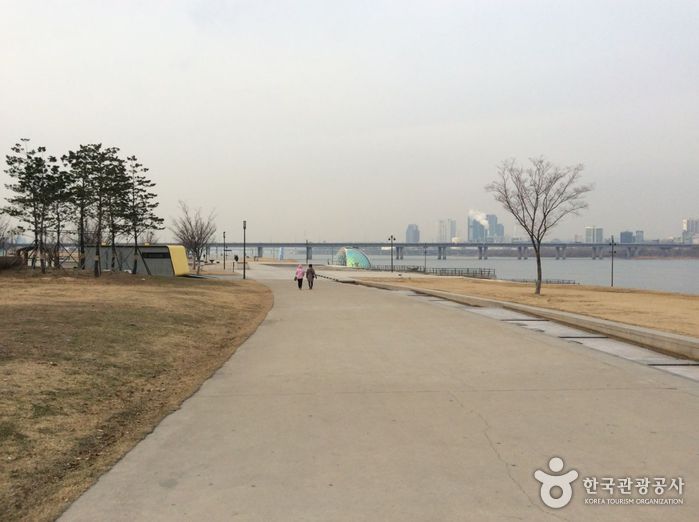
Seoul Color Park (서울색공원)
13.1Km 2021-06-23
330, Yeouidong-ro, Yeongdeungpo-gu, Seoul
+82-2-3780-0561
The Seoul Color Park spans over 9,000 ㎡ of land next to the Hangang River under Mapodaegyo Bridge. It features a large wave-shaped sculpture, as well as bar code graphics and benches painted with 10 different colors that have been designed as the Colors of Seoul. The streetscape is designed with images and Colors of Seoul that includes “Dancheong” red, “Kkotdam” red brown, “Namsan” green and more. Sculptures and art works using the Colors of Seoul can also be seen at Seoul Museum of Art and Seoul History Museum.
![Muji - Pangyo Branch [Tax Refund Shop] (MUJI 판교)](http://tong.visitkorea.or.kr/cms/resource/67/2881667_image2_1.jpg)
Muji - Pangyo Branch [Tax Refund Shop] (MUJI 판교)
13.1Km 2024-04-19
Store #204, 2F, 117, Bundangnaegok-ro, Bundang-gu, Seongnam-si, Gyeonggi-do
-
Olive Young - Seopangyo Branch [Tax Refund Shop] (올리브영 서판교점)
13.1Km 2024-06-27
120, Unjung-ro, Bundang-gu, Seongnam-si, Gyeonggi-do
-
Ewha Womans University (이화여자대학교)
13.1Km 2023-07-04
52, Ewhayeodae-gil, Seodaemun-gu, Seoul
+82-2-3277-2114
Ewha Womans University is Korea's first women's university founded in 1886 by American Methodist missionary Mary Scranton. Ewha Womans University is also the most famous women's university in Korea and its name originates from Ehwa Hakdang, a name given by Empress Myeongseong in 1887. Ewha Womans University created a four-year university course in 1910, and in 1943, the name of Ewha was taken away during the Japanese colonial period and downgraded to a one-year school. In October 1945, the year of Korea's independence from Japan, it regained the name of Ewha and was promoted to a university with eight departments. Currently, it consists of 15 graduate schools, 11 colleges, and 67 departments, and there are 8 affiliated research institutes.
The street in front of Ewha Womans University is famous for shopping. This place is full of clothing stores and neat food that boast a popping sensation to suit the tastes of female college students. The shopping street in front of Ewha Womans University is a straight road that lies ahead of Exits 2 and 3 of Seoul Subway Line 2. Alleyways stretch out like branches around this street and are filled with various accessory shops, clothing stores, shoe stores, restaurants, cafes, and beauty salons.
Korea Institute of Radiological & Medical Sciences, Korea Cancer Center Hospital (한국원자력의학원 원자력병원)
13.2Km 2025-11-28
75 Nowon-ro, Nowon-gu, Seoul
KCCH (Korea Cancer Center Hospital) is a leading institution specializing in cancer diagnosis, treatment, and research using radiation. It has established an efficient collaborative care system and an integrated multidisciplinary approach to treatment. In addition to cancer care, the hospital operates a hospice palliative care center, offering holistic care to patients. As a government-funded organization, it actively conducts molecular cancer research and studies on the effects of radiation on the human body. With the introduction of PET/MRI diagnostics, KCCH develops more precise treatment plans and leads international clinical research, continuously improving cancer treatment outcomes through advanced research.
Seodaemun Prison History Museum (서대문형무소역사관)
13.2Km 2024-12-02
251 Tongil-ro, Seodaemun-gu, Seoul
Seodaemun Prison was built under the Japanese administration to imprison independence movement activists. It first opened on October 21, 1908 under the name Gyeongseong Prison. Eventually, so many activists were imprisoned that the building had to be expanded. At that time, the name changed to Seodaemun Prison on September 3, 1912. Eighty years later, the prison was turned into Seodaemun Independence Park on August 15, 1992 to commemorate the Korean patriots who were tortured in prison, giving their lives for freedom. Of the many buildings, only seven were preserved for their historical significance, among which three prison buildings and the execution site were designated as a Historic Site. In 1998, the park underwent another transformation into today's Seodaemun Prison History Hall to educate the public on the importance of Korea's independence and the sacrifices of those who fought to achieve it.
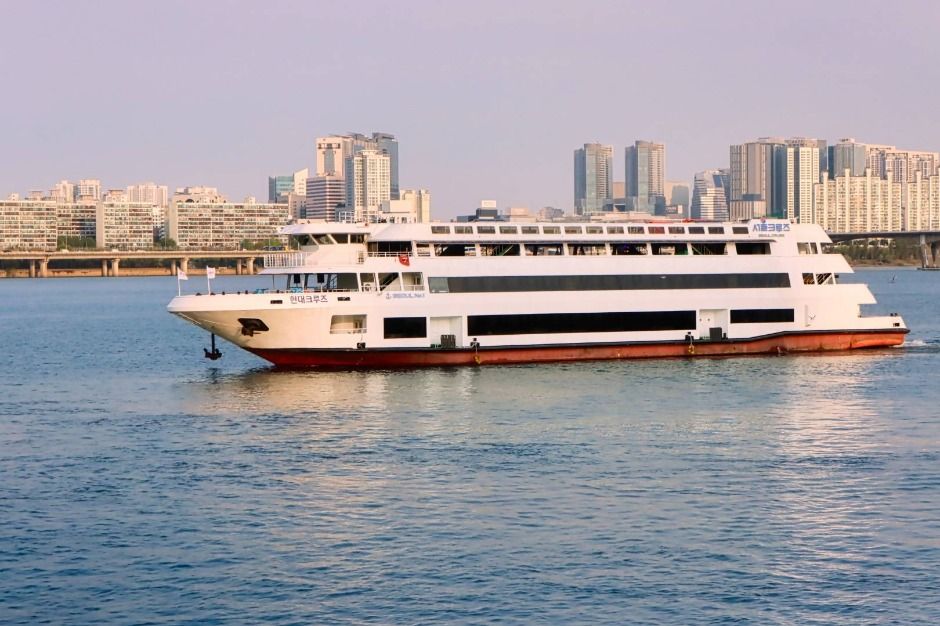
Seoul Cruise (서울크루즈)
13.2Km 2025-12-04
231 Yeouidohanganggongwon-gil, Yeongdeungpo-gu, Seoul
Hyundai Cruise Line, Korea's first marine tourism cruise operator, was founded in 1983 and renamed Seoul Cruise after building a new terminal in Yeouido. With Yeouido Ferry Terminal as its base, Seoul Cruise is the only passenger cruise operator that can travel from the Hangang River to the West Sea, passing through the Ara West Sea Lock. The company currently operates from two terminals: Yeouido Ferry Terminal and Ara Gimpo Terminal. In addition to offering tours that showcase the scenic beauty of the Hangang River, Seoul Cruise also provides other options, such as the Dinner Fireworks Cruise, which lets passengers enjoy a fireworks show along the Ara Waterway in Gimpo.
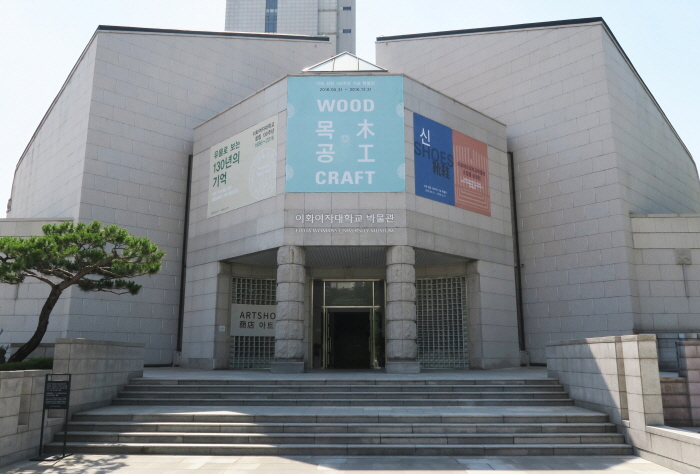
Ewha Womans University Museum (이화여자대학교박물관)
13.2Km 2022-09-14
52, Ewhayeodae-gil, Seodaemun-gu, Seoul
+82-2-3277-3152
The Ewha Womans University Museum was established in 1935 with the goal of preserving the cultural heritage of Korea. Originally, items related to folk art, traditional woodwork, and pottery were put on display in the hall of the main university to keep them from being confiscated during the Japanese occupation. This later led to the opening of the museum to display and store the growing collection.
Regular exhibitions of the museum’s collection have been taking place annually from 1972. Since 1996, the museum also held special exhibitions that focus on other themes related to cultural heritage. Additional small-scale exhibitions are also held frequently to promote Korea's traditional culture and art.
A ceramics research facility as well as a more traditional museum, a large portion of the museum’s efforts is focused on the research and excavation of kilns. To this aim, excavation teams from the museum have traveled to various parts of the country to conduct studies on historic sites and assess the value of artifacts. Through the publication of books and reports on its discoveries, the museum has contributed to raising knowledge and awareness of Korean cultural heritage in academia and among the public.
 English
 한국어
한국어 日本語
日本語 中文(简体)
 Deutsch
 Français
 Español
 Русский


