![Mega Mart - Cheonan Branch [Tax Refund Shop] (메가마트 천안점)](http://tong.visitkorea.or.kr/cms/resource/85/2883185_image2_1.jpg)
Mega Mart - Cheonan Branch [Tax Refund Shop] (메가마트 천안점)
8.6Km 2024-04-22
1348, Cheonan-daero, Seobuk-gu, Cheonan-si, Chungcheongnam-do
-
![ET Land - Cheonan Mega Mart Branch [Tax Refund Shop] (전자랜드천안메가마트점 [사후면세점])](http://tong.visitkorea.or.kr/cms/resource/89/2883189_image2_1.jpg)
ET Land - Cheonan Mega Mart Branch [Tax Refund Shop] (전자랜드천안메가마트점 [사후면세점])
8.6Km 2024-04-22
1F Mega Mart Cheonan Branch, 1348, Cheonan-daero, Seobuk-gu, Cheonan-si, Chungcheongnam-do
-
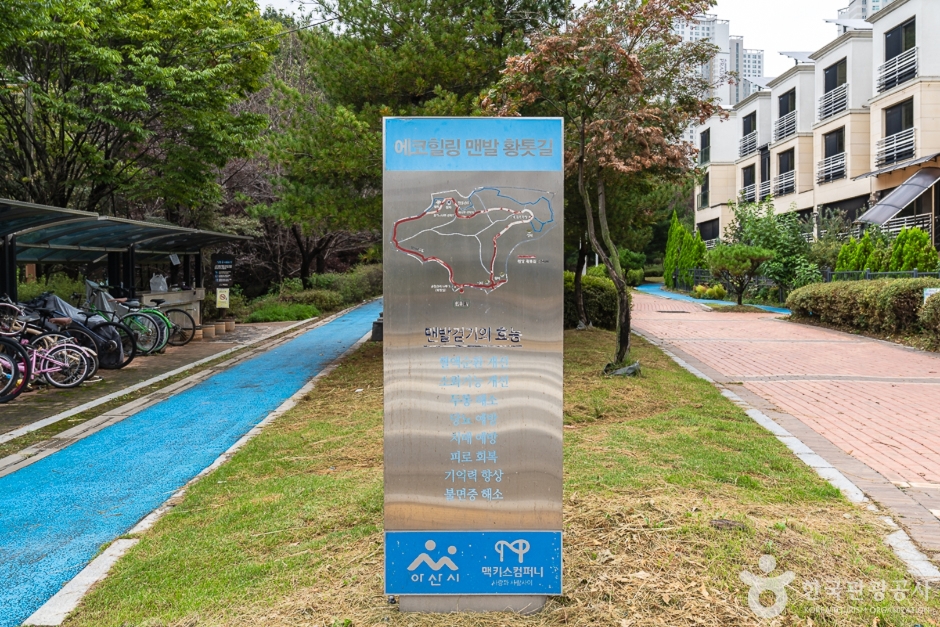
Eco Healing Red Clay Trail (에코힐링 황톳길)
8.9Km 2024-02-22
159 Gongwon-ro, Seobuk-gu, Cheonan-si, Chungcheongnam-do
The Eco Healing Red Clay Trail is located along the border of Cheonan and Asan. This 2.5km walking path is intended for barefoot hiking, featuring both mats and red clay surfaces. It links to conventional hiking trails that ascend into the mountains. The surrounding forest offers opportunities for forest bathing, with the chance to spot small wildlife among the trees. For relaxation, pavilions and chairs are dispersed along the trail, and facilities for foot washing are available at the end of the trail.

Cheonghwajip (청화집)
9.7Km 2024-02-22
1749, Chungjeol-ro, Byeongcheon-myeon, Dongnam-gu, Cheonan-si, Chungcheongnam-do
Cheonghwajip is said to be the oldest sundae restaurant in Byeongcheon Sundae Street, having opened in 1968. There are only two items on offer: sundae gukbap (sundae and rice soup) and modeum sundae (assorted sundae). Sundae gukbap (sundae and rice soup) is a milky soup with tender sundae and meat, delivering refreshing and deep flavors. Modeum sundae (assorted sundae) has a variety of sundae and meat parts plated together.
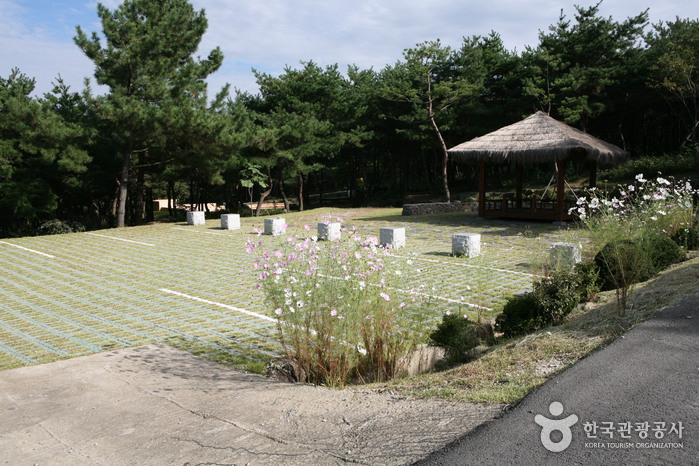
Taehaksan Recreational Forest (태학산자연휴양림)
11.5Km 2021-06-15
188, Donmaru 1-gil, Dongnam-gu, Cheonan-si, Chungcheongnam-do
+82-41-529-5108
Taehaksan Mountain is located south of the borders of Sucheol-ri, Asan; Samtae-ri, and Maedang-ri in Cheonan. The mountain is known for the Rock-carved Standing Buddha (Treasure No. 407), which displays typical patterns of Buddha statues from the Goryeo era. The mountain gets its name from its shape that resemble a dancing crane. Native flowers and trees are scattered throughout the mountain, and the park's dense pine forest makes this park a great family vacation destination.
Asan Mediterranean Village (지중해마을)
12.1Km 2024-02-22
55-7, Tangjeongmyeon-ro 8beon-gil, Tangjeong-myeon, Asan-si, Chungcheongnam-do
Asan Mediterranean Village, also called Blue Crystal Village, is made up of buildings reminiscent of those found in a Mediterranean village. It is particularly interesting because it is housed in the heart of a modern city. The village is divided into two sections, one taking after the Provence in southern France and the other resembling Santorini in Greece. Famous sights include the photo areas of angel’s wings and a lighthouse-shaped red postbox, along with cafés and stores.
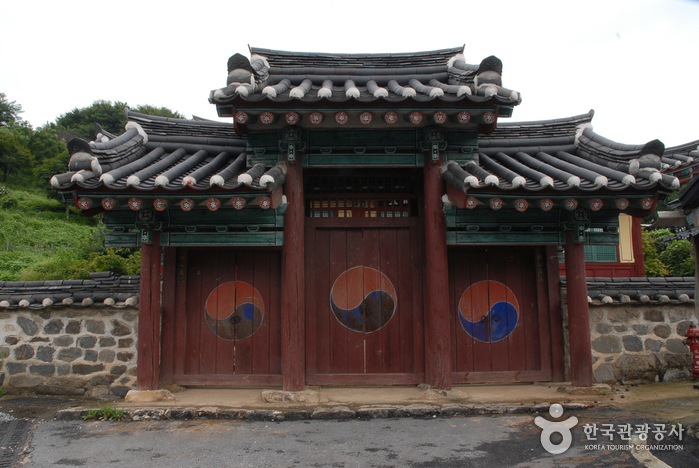
Jeonuihyanggyo Confucian School (전의향교)
12.5Km 2025-05-20
5-18, Bukchon 1-gil, Sejong-si
+82-44-211-4022
Jeonuihyanggyo Confucian School is thought to have been built in 1413 during the 13th year of King Taejong’s reign. The school features a simple spatial arrangement with only Myeongnyundang and Daeseongjeon Study Halls, each with three gates in the front. Outside the western wall of Myeongnyundang Hall is Sujiksa Temple.
Several books - Jaeimnok, Seonan, several texts on rituals, and Eojeyuneum (1782-1783), which was published in 1782 (6th year of King Jeongjo’s reign) and 1783, have been found at Jeonui Hyanggyo.
Unjusanseong Fortress (운주산성)
12.8Km 2021-08-31
Migok-ri, Sejong-si
+82-44-300-3423
Unjusanseong Fortress, also known as Gosansanseong Fortress, is a cultural heritage of the Baekje dynasty. This is a mountain fortress built along the surrounding three mountain peaks in the westernmost and southernmost parts of Unjusan Mountain. The stone fortress wall, which borders three villages in Jeondong-myeon and two villages in Jeonui-myeon, is 3,210 meters long and two meters wide with a x_height that ranges from two to eight meters. The walls follow the natural geographical features of the mountain range, with the southern walls surrounding the mountain's peak.
Remnants of a village can still be observed within the fortress walls, such as the fortress gate and a ritual site. Pieces of earthenware from the Baekje period, porcelain from the Goryeo and Joseon periods, and broken tiles from the Baekje, Goryeo and Joseon periods have been discovered around the site as well.
CU - Nam Seoul University Student Union Hall Branch [Tax Refund Shop] (cu남서울대학생회관점)
13.9Km 2024-06-26
B1F, 91, Daehak-ro, Seonghwan-eup, Seobuk-gu, Cheonan-si, Chungcheongnam-do
-
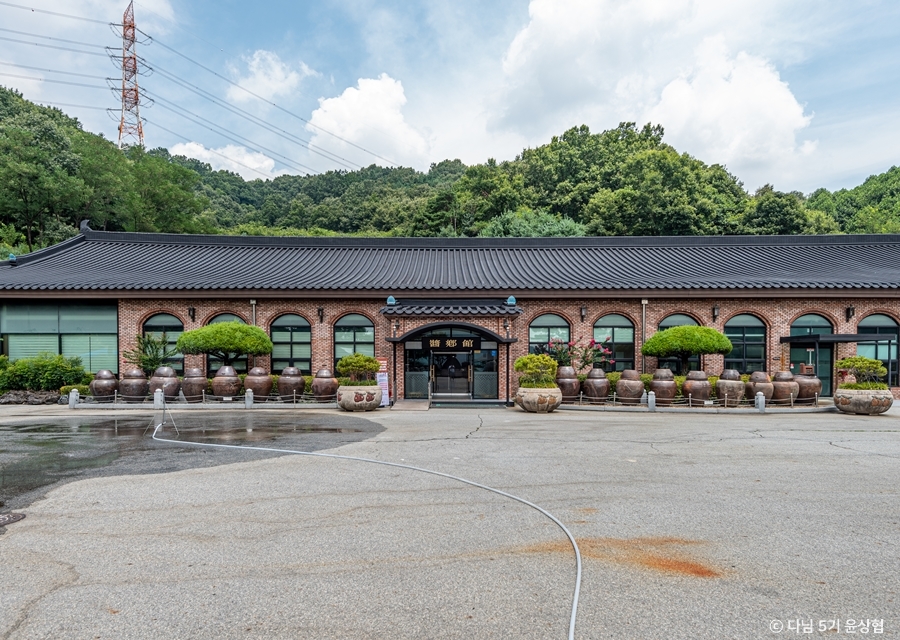
Sejong Traditional Paste Museum (세종전통장류박물관)
14.1Km 2025-05-20
90-43 Baeil-gil, Jeondong-myeon, Sejong-si
The Sejong Traditional Paste Museum highlights Korea’s traditional sauce culture, featuring staples like soybean paste, red chili paste, and soy sauce. Its garden, with over 1,000 pots, is a standout attraction. The museum includes indoor exhibition halls, an outdoor exhibit area, a fermentation experience center, a Korean restaurant specializing in fermented sauces, and a paste shop. Visitors can participate in activities such as making grain soap shaped like meju (fermented soybean blocks) or creating their own fermented pastes. In November, visitors can also observe the process of making soybean paste and red chili paste.
 English
 한국어
한국어 日本語
日本語 中文(简体)
 Deutsch
 Français
 Español
 Русский


