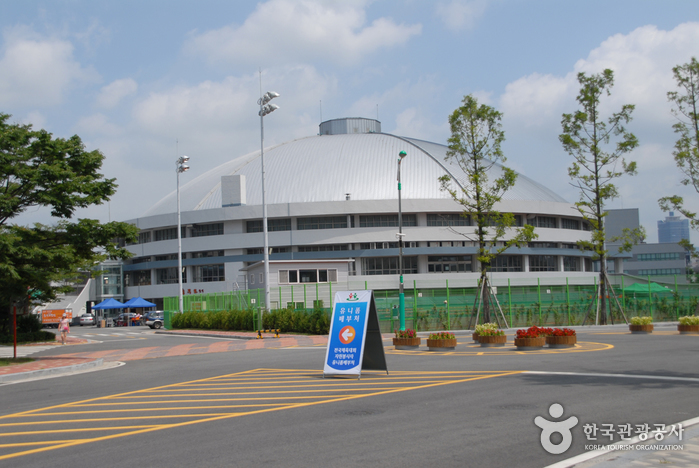
Hanbat Sports Complex (한밭종합운동장)
10.0Km 2021-04-09
373, Daejong-ro, Jung-gu, Daejeon
+82-42-610-4900
Hanbat Sports Complex consists of a main stadium, indoor arena, tennis court, field-and-track practice stadium, and gateball court. The main stadium has a capacity to hold 26,000 spectators and has a soccer field and 400-meter eight lane track for various sports events. Other indoor arenas provide space for sports including basketball, volleyball, and badminton as well as promotional events.
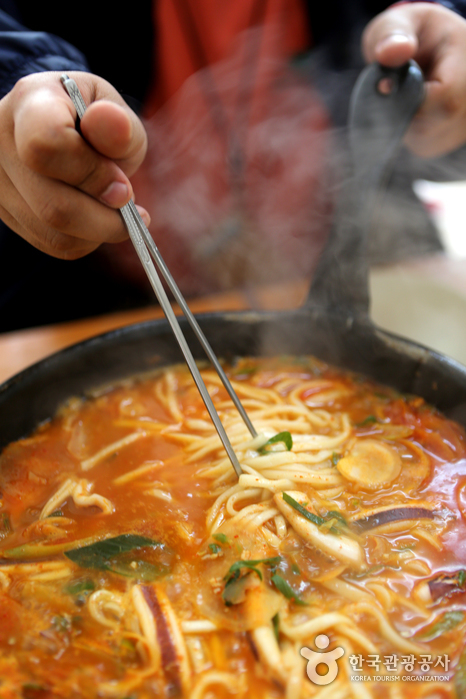
Sonamujip (소나무집)
10.0Km 2024-12-02
대전광역시 중구 대종로460번길 59
042-256-1464
The signature dish here is ojingeo jjigae (squid stew) made by adding whole radish and water to spicy stir-fried squid and simmering it into a hearty stew. However, most visitors who visit Sonamujip add noodles to their ojingeo jjigae, turning it into what’s known as ojingeo kalguksu (noodle soup with squid). Ojingeo jjigae is a great example of how people in Daejeon enjoy adding their own twist on kalguksu.
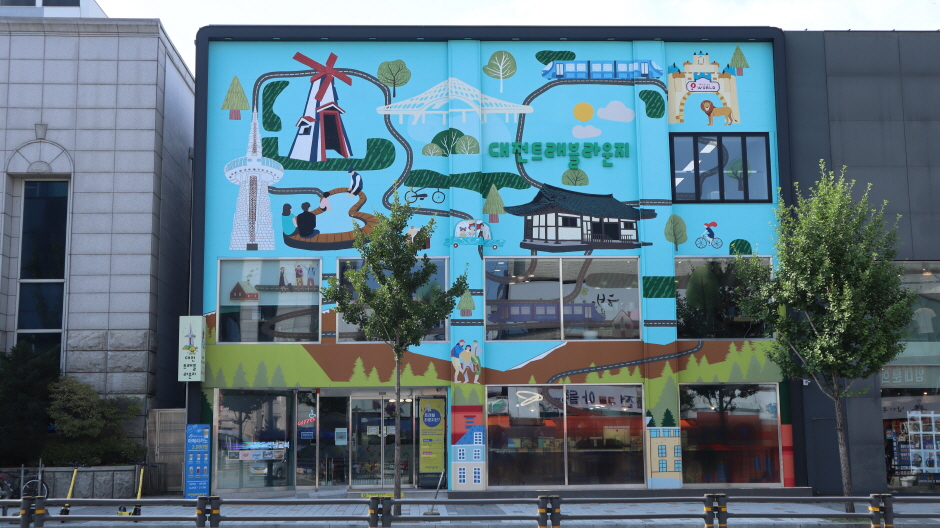
Daejeon Travel Lounge (대전트래블라운지)
10.0Km 2023-02-08
187-1, Jungang-ro, Dong-gu, Daejeon
Daejeon Travel Lounge is a cultural complex that provides tourist information and relaxation for those visiting Daejeon. Daejeon Travel Lounge offers a variety of experiences such as old school uniforms, Enlightenment Era clothing, DIY and culture concerts, and also features an unmanned cafe, souvenir shop, Wi-Fi, tourist information search kiosk, and many other convenience facilities.
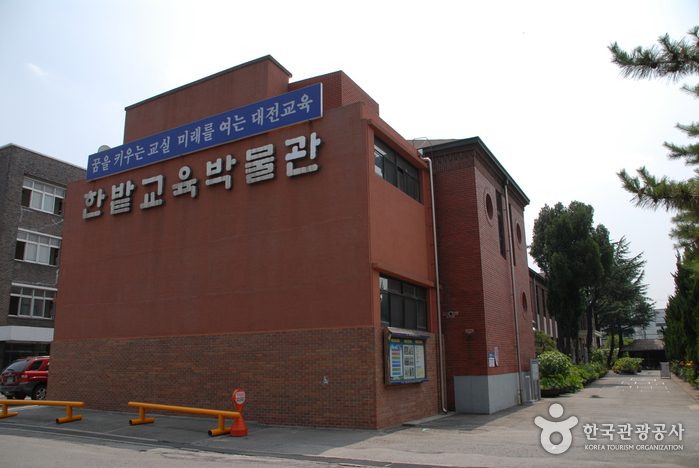
Hanbat Museum of Education (한밭교육박물관)
10.1Km 2021-04-09
96, Uam-ro, Dong-gu, Daejeon
+82-42-670-2200
Hanbat Museum of Education, opened on July 10, 1992, is home to 9 exhibition halls, 3 smaller exhibition areas, and outdoor exhibit areas displaying a total of 27,000 education-related items such as old school textbooks, educational books, student files, stationery, and more. The museum is particularly popular as a fieldtrip destination for local students.
Exhibition chambers at the museum house documents and items that bear witness to the history of education from the olden days (i.e. village Confucian schools) to the present. Also on display are folk materials on the ancient educational institutions of the past and the daily lives of students. Thanks to the extent and variety of its documents, the museum is a great educational institution that not only preserves the history of education in Korea, but also sheds light on hundreds of years of life, tradition, and culture.
The museum building, built on June 8, 1938, is the oldest one in the city. Used as a school and later a military base for the U.N. Peace Corps and North Korean soldiers during the Korean War, the building has never been renovated and still bears the bullet holes and other marks of its tumultuous history. In recognition of its historical importance as a local structure, the museum was designated Cultural Property Material No. 50.
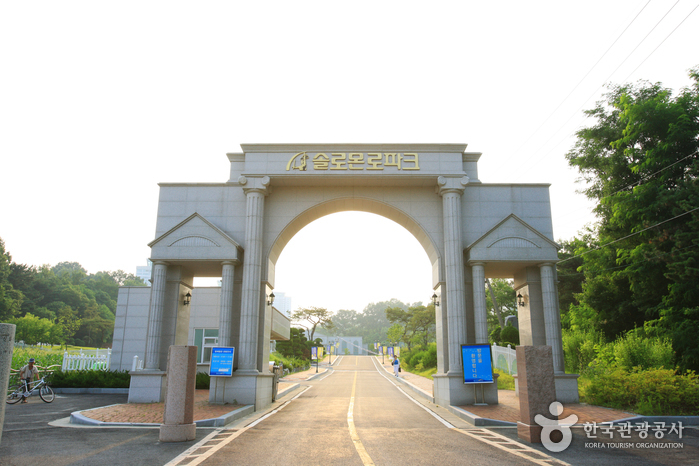
Solomon Law Park (솔로몬로파크)
10.1Km 2024-04-23
219-39 Expo-ro, Yuseong-gu, Daejeon
+82-42-323-8800
Solomon Law Park is a theme park operated by the Ministry of Justice, offering an experiential legal education. Visitors can learn about and experience the law in an easy and entertaining way. The Law Experience Center provides opportunities to experience legislation, investigation, courtrooms, and prisons. The park includes a Law Playground, as well as amenities like a leisure area and a convenience store.
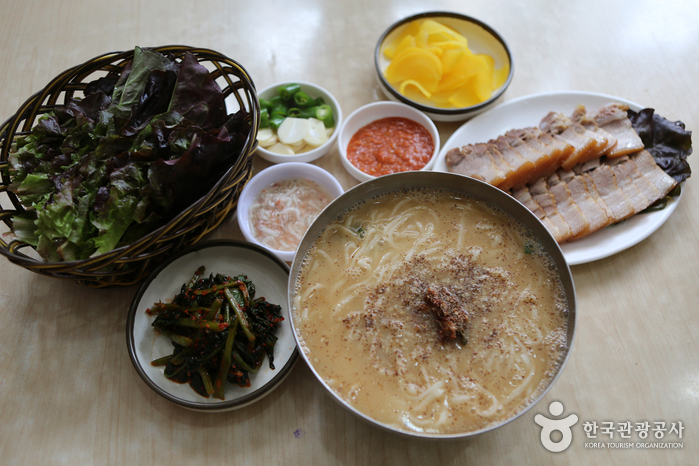
Sindo Kalguksu Main Store (신도칼국수 본점)
10.2Km 2024-12-24
대전광역시 동구 대전로825번길 11
042-253-6799
Established in 1961, this restaurant is still regarded as one of the best places for kalguksu in the Daejeon area. The broth, made from beef bones and anchovies, is enriched with perilla seed powder, creating a rich and nutty flavor. For the full experience, try pairing it with suyuk (boiled pork slices) or dubu duruchigi (stir-fried bean crud).
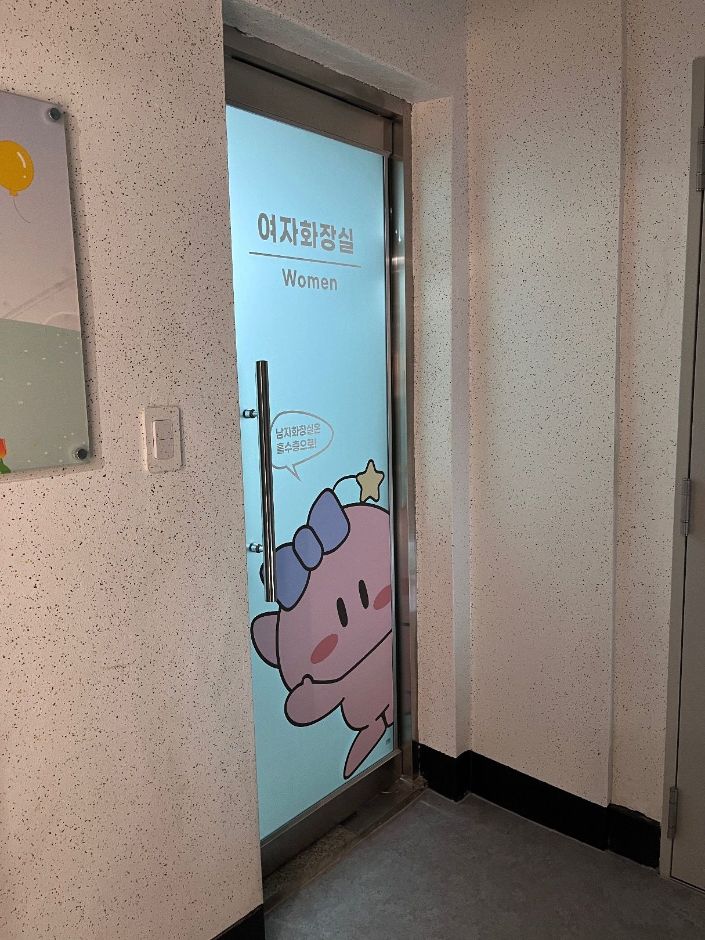
Kkumdori House (꿈돌이 하우스)
10.2Km 2025-10-23
3 Jungang-ro 203beon-gil, Dong-gu, Daejeon
Located near Daejeon Station, Kkumdori House promotes the city's tourist attractions and sells souvenirs. The first floor offers a variety of merchandise featuring "The Kkum Family," the symbol of Daejeon. On the second floor, visitors can enjoy a VR drive through Daejeon. The third floor showcases photos and media art of major attractions, such as the Daejeon Observatory and Sangso-dong Forest Park.
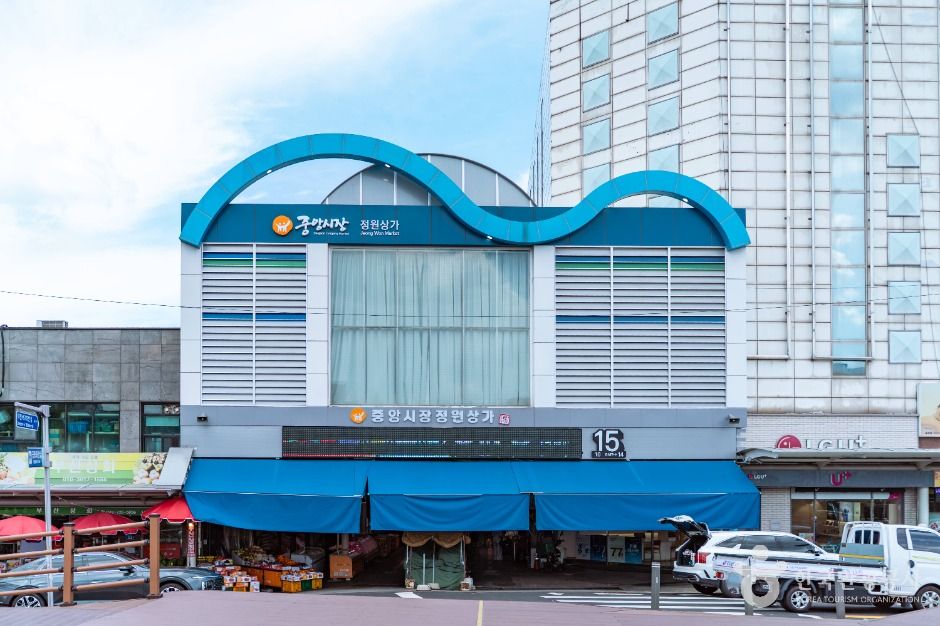
Daejeon Jungang Market (대전 중앙시장)
10.3Km 2025-10-23
783 Daejeon-ro, Dong-gu, Daejeon
+82-2-226-0319
Daejeon Jungang Market is a large comprehensive market consisting of many smaller markets including the Jungang Comprehensive Market, Jungang Arcade Market, Jayu Wholesale Market, New Jungang Market, and Jungang Wholesale Market. Daejeon Jungang Market is located in downtown Dong-gu and is one of the most famous traditional markets in the city. The market has many different sections (dried seafood street, hardware street, fish street, herbal medicine street, hanbok street, delicacy street, etc.) which stretch all the way from Daejeon Station to the banks of the Daejeoncheon Stream.
Soje-dong Cafe Street (소제동 카페 거리)
10.8Km 2025-10-23
53 Suhyang-gil, Dong-gu, Daejeon
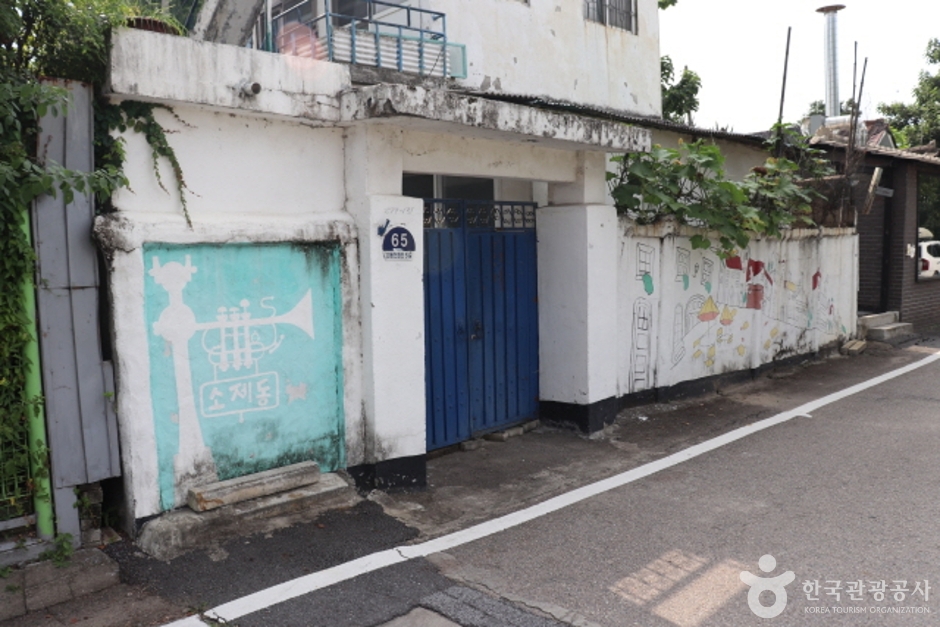
Soje-dong Cafe Street is a cafe village located in Daejeon. This area has long been neglected and underdeveloped. However, recently, various shops have opened, adding a youthful touch to the old buildings, from Italian restaurants remodeled from old buildings to unique cafes and restaurants converted from over 70-year-old buildings. With a retro sentiment that evokes nostalgia for middle-aged and older generations, it has transformed into a cafe street, attracting diverse visitors. While it's nice to choose a cafe in Soje-dong Cafe Street to enjoy tea or visit a gallery to appreciate artworks, another way to enjoy this place is to take an alley tour in Soje-dong and stroll through the cafe street to admire the murals painted on the walls. Soje-dong Cafe Street is conveniently located near Daejeon Station, making it easy for visitors to reach.
Railway Residency Village (Sollangsiul-gil) (철도관사촌(솔랑시울길))
10.9Km 2025-10-23
Soje-dong, Dong-gu, Daejeon
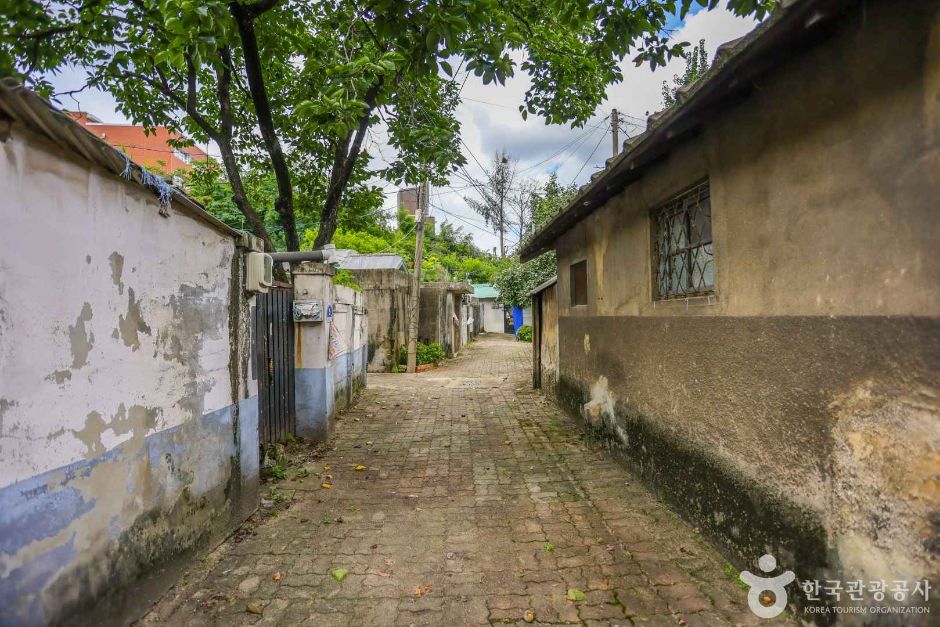
Railway Residency Village, located near Daejeon Station, retains much of its old charm, offering visitors the feeling of stepping back in time. Daejeon’s modern history is closely tied to the development of its railroads. With the opening of the Gyeongbu Line in 1905 and the Honam Line in 1911, the city emerged as a major transportation hub. As traditional villages began to disappear, people flocked to Daejeon, transforming it into a growing metropolis. During the Japanese occupation in the 1930s, the area housed many Japanese railway engineers, which is why Japanese-style architecture can still be found today. At the time, there were over 100 government buildings, though only about 40 have survived. Several of these have been recognized as Registered Cultural Properties for their historical significance. Among them, Building No. 42 now serves as a cultural space that occasionally hosts exhibitions. A stroll along the quiet Solangseoul-gil offers visitors a chance to admire charming murals adorning the walls, adding to the nostalgic atmosphere of the village.
 English
 한국어
한국어 日本語
日本語 中文(简体)
 Deutsch
 Français
 Español
 Русский


