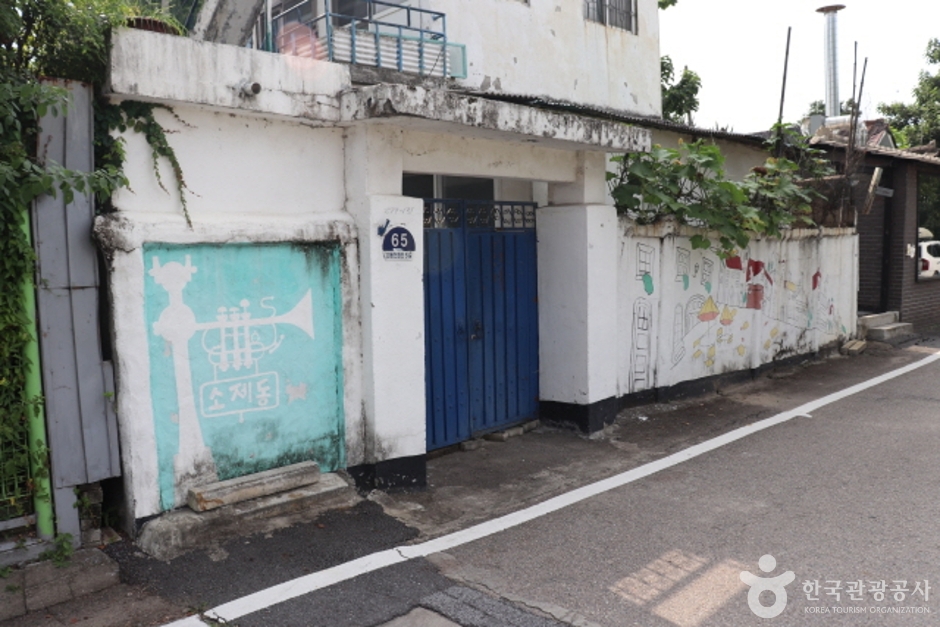
Soje-dong Cafe Street (소제동 카페 거리)
8.1Km 2025-10-23
53 Suhyang-gil, Dong-gu, Daejeon
Soje-dong Cafe Street is a cafe village located in Daejeon. This area has long been neglected and underdeveloped. However, recently, various shops have opened, adding a youthful touch to the old buildings, from Italian restaurants remodeled from old buildings to unique cafes and restaurants converted from over 70-year-old buildings. With a retro sentiment that evokes nostalgia for middle-aged and older generations, it has transformed into a cafe street, attracting diverse visitors. While it's nice to choose a cafe in Soje-dong Cafe Street to enjoy tea or visit a gallery to appreciate artworks, another way to enjoy this place is to take an alley tour in Soje-dong and stroll through the cafe street to admire the murals painted on the walls. Soje-dong Cafe Street is conveniently located near Daejeon Station, making it easy for visitors to reach.
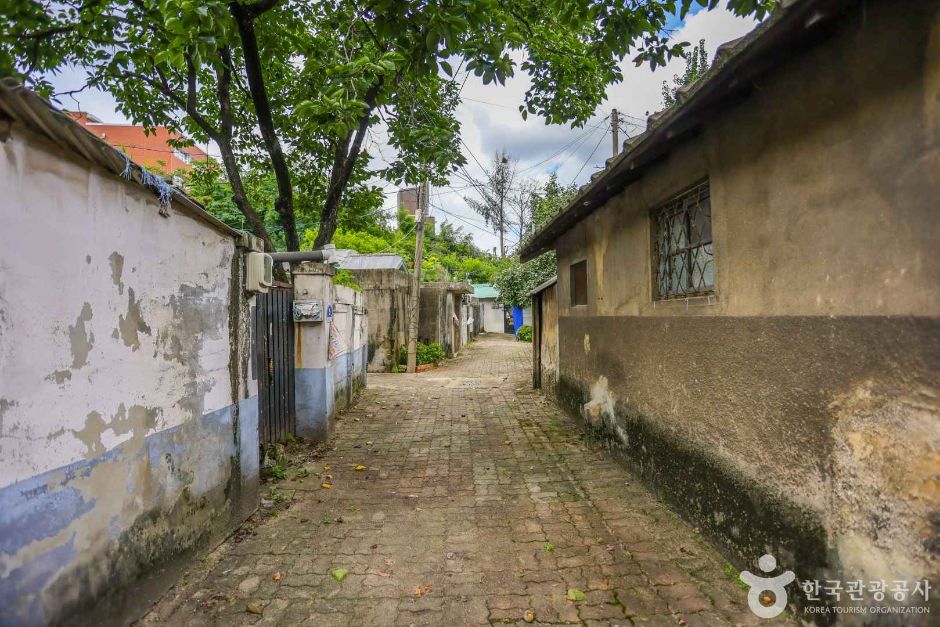
Railway Residency Village (Sollangsiul-gil) (철도관사촌(솔랑시울길))
8.2Km 2025-10-23
Soje-dong, Dong-gu, Daejeon
Railway Residency Village, located near Daejeon Station, retains much of its old charm, offering visitors the feeling of stepping back in time. Daejeon’s modern history is closely tied to the development of its railroads. With the opening of the Gyeongbu Line in 1905 and the Honam Line in 1911, the city emerged as a major transportation hub. As traditional villages began to disappear, people flocked to Daejeon, transforming it into a growing metropolis. During the Japanese occupation in the 1930s, the area housed many Japanese railway engineers, which is why Japanese-style architecture can still be found today. At the time, there were over 100 government buildings, though only about 40 have survived. Several of these have been recognized as Registered Cultural Properties for their historical significance. Among them, Building No. 42 now serves as a cultural space that occasionally hosts exhibitions. A stroll along the quiet Solangseoul-gil offers visitors a chance to admire charming murals adorning the walls, adding to the nostalgic atmosphere of the village.
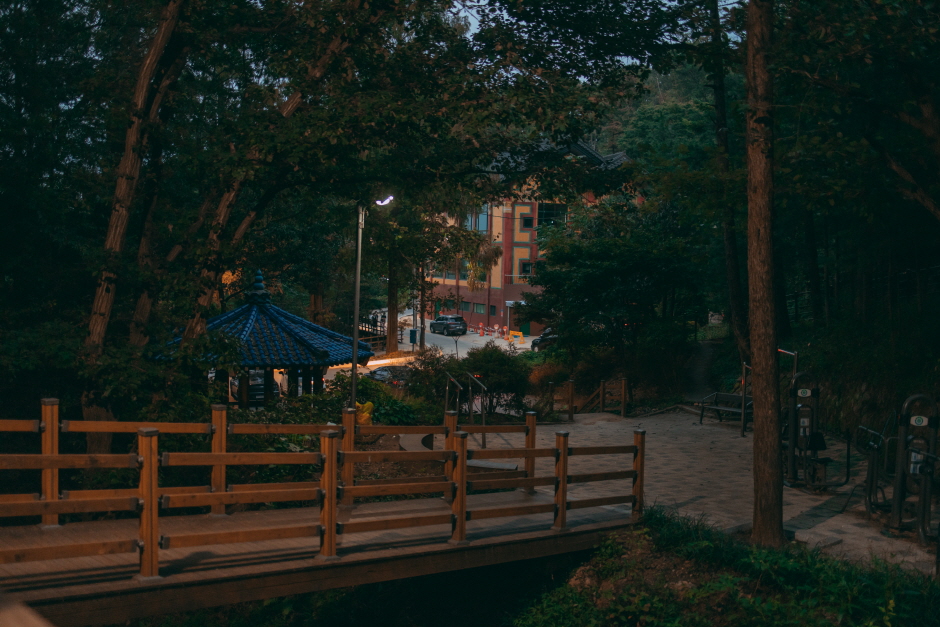
Bomunsan Forest Trail (보문산 행복 숲 둘레길)
8.3Km 2021-12-24
197-208, Daesa-dong, Jung-gu, Daejeon
+82-42-581-3516
Jung-gu is the heart of Daejeon Metropolitan City and is home to Bomunsan Mountain and Banghwasan Mountain. Bomunsan Mountain is located in the southern part of the city and was once called "Bomulsan" meaning "treasure mountain" because it was believed that treasure was buried in the mountain. Bomunsan Mountain was designated as a park in 1965. There are many mineral springs and the azaleas and cherry blossoms that bloom in spring. In autumn, the leaves change to a beautiful color in the maple forest. This park has the Bomunsanseong Fortress and Bomunsa Temple Site, an outdoor music hall, an observatory, amusement facilities, a cable car, and about 10 hiking trails, making it a great place to exercise. There are also recreational facilities such as mountain climbing as well as leisure facilities including an indoor roller skating rink in Sajeong Park, soccer field, outdoor music hall, Greenland, and Youth Square.
The Bomunsan Forest Trail is a 13-kilometer walking trail that circles Bomunsan Mountain. The dense forest along the trail creats a cool shade to walk under and boasts beautiful fall foliage in autumn.
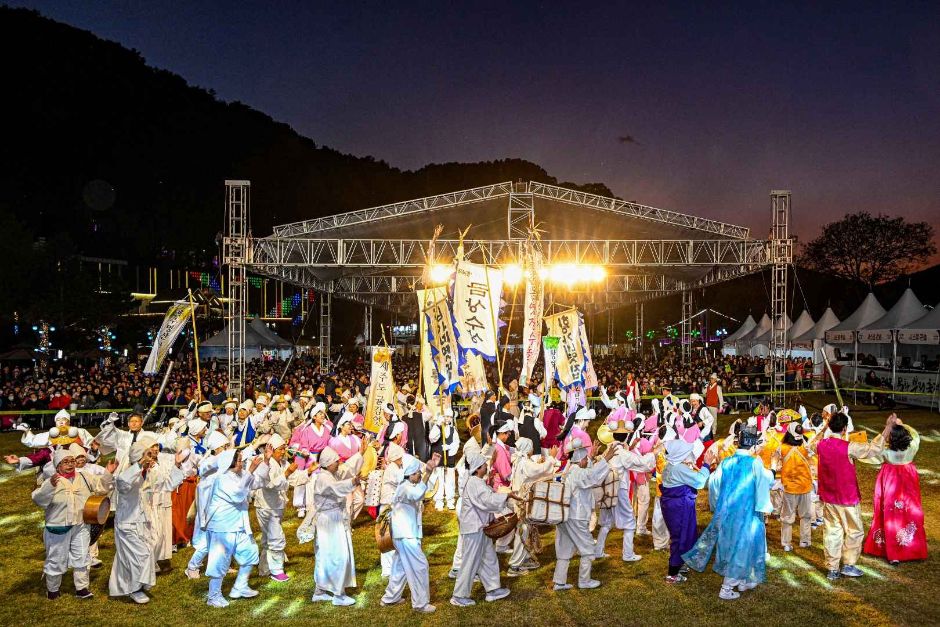
Hyo Culture Ppuri Festival (대전효문화뿌리축제)
8.3Km 2025-07-11
47 Ppurigongwon-ro, Jung-gu, Daejeon
+82-42-606-6290
Held at the nation’s only filial duty-themed park, the Ppuri Park, the Daejeon K-Hyo Festa is a traditional cultural event dedicated to finding the roots of the ancestry of unique family clans and learning traditional filial piety. The festival features various experiences related to surnames and filial duty, along with popular flea markets and food zones. In 2022, it received a Special Award at the Korea Festival Contents Awards.
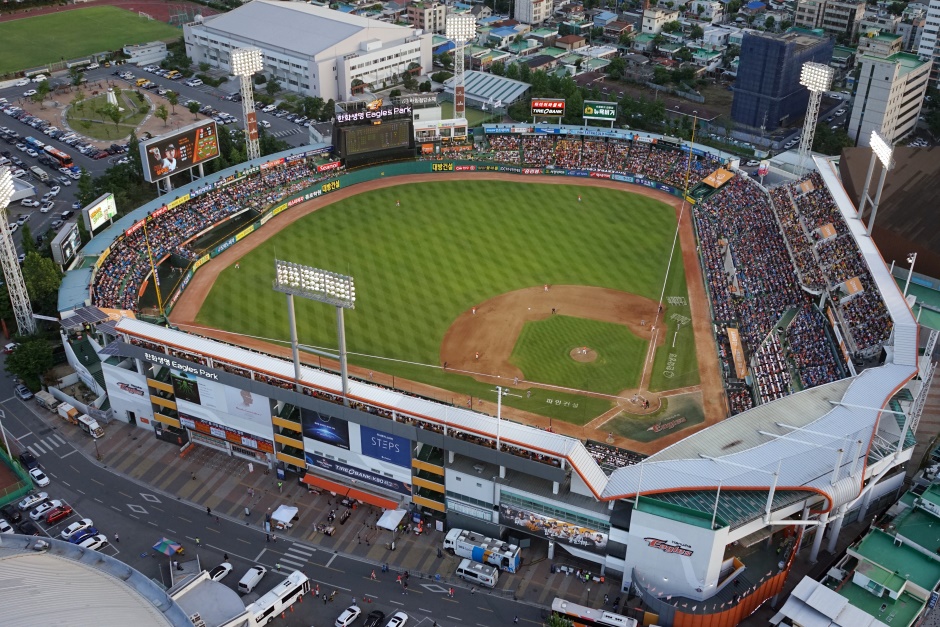
Daejeon Hanhwa Life Ballpark (대전 한화생명 볼파크)
8.4Km 2025-10-23
373 Daejong-ro, Jung-gu, Daejeon
Hanwha Life Ballpark, located in Daejeon, is a KBO League professional baseball stadium. During baseball season, the park attracts a large number of visitors. The stadium's food and beverage outlets are located in the third base and outfield, center field, and first base and outfield.
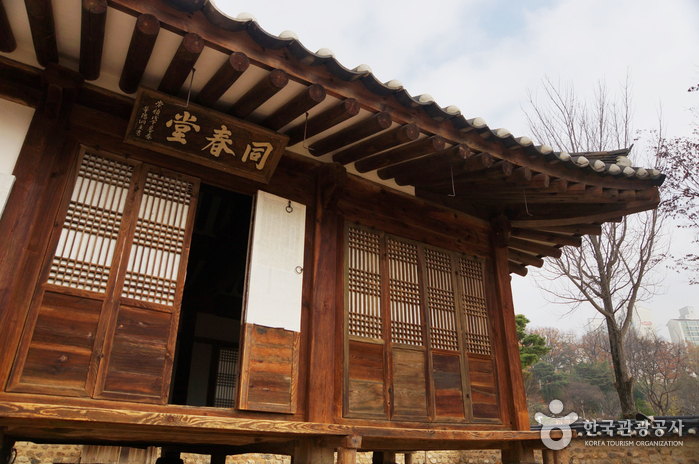
Daejeon Hoedeok Dongchundang Park (대전 회덕 동춘당 공원)
8.4Km 2022-12-26
80, Dongchundang-ro, Daedeok-gu, Daejeon
+82-42-608-6574
Dongchundang Park was once the residence of Song Jung-gil, a noted scholar during the Joseon dynasty. Dongchundang Residential Compound (Treasure) has kept some of its original features including its three ponds, pavilions, old swings, and the nameplate written by Uam Song Si-yeol in 1678 in honor of Song Jung-gil. Today, the park is the main venue of the annual Dongchundang Culture Festival along with other local festivals.

Ppuri Park (뿌리공원)
8.5Km 2021-08-18
79, Ppurigongwon-ro, Jung-gu, Daejeon
+82-42-288-8310
Ppuri Park was created under the theme of filial piety, one of the overriding values of Korean society. Opened on November 1, 1997, the park occupies a plot of land measuring 109,091 m² and is filled with unique sculptures and art pieces that remind visitors of their family ties. Other main points of interest at Ppuri Park include the Deep-rooted Spring (symbolizing the 12 jisin/gods of the earth), a waterfront stage, grass square, observation deck, and recreational forest. Another must-visit attraction is the Samnam Memorial Tower, which represents the harmony and cooperation between the Honam and Yeongnam regions of Korea.
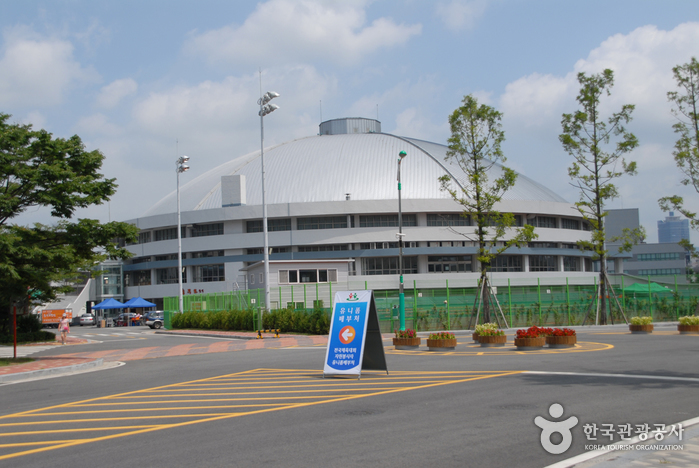
Hanbat Sports Complex (한밭종합운동장)
8.6Km 2021-04-09
373, Daejong-ro, Jung-gu, Daejeon
+82-42-610-4900
Hanbat Sports Complex consists of a main stadium, indoor arena, tennis court, field-and-track practice stadium, and gateball court. The main stadium has a capacity to hold 26,000 spectators and has a soccer field and 400-meter eight lane track for various sports events. Other indoor arenas provide space for sports including basketball, volleyball, and badminton as well as promotional events.
Shanghai Yangkkochi (상하이양꼬치)
8.7Km 2024-03-28
72-9 Gwandeul 2-gil, Yuseong-gu, Daejeon
Shanghai Yangkkochi specializes in yang kkochi (lamb skewers). The restaurant's signature yang kkochi is grilled over charcoal, offering the delightful experience of cooking and eating them one by one. Another unique delicacy is unpeeled maneul kkochi (garlic skewers). The restaurant also features tender and savory yang galbi (lamb chops), as well as spicy and pungent mala tang (mala soup). Each order is accompanied by a gochu ganjang sauce (chili pepper and soy sauce) and roasted peanuts as standard.
Daejeon O-World (대전오월드)
8.8Km 2022-12-27
70, Sajeonggongwon-ro, Jung-gu, Daejeon
+82-42-580-4820
Daejeon O-World was established when the Daejeon Zoo and Joy Land, an amusement park, were integrated under the supervision of the Daejeon City Corporation. The project cost a whopping 40 billion won and resulted in the construction of Flower Land (100,000㎡) in addition to the renamed Zoo Land and the preexisting Joy Land. It opened on May 1, 2009 to the public.
The three main sections of Daejeon O-World are Zoo Land, Joy Land, and Flower Land. Zoo Land is currently home to a total of 600 animals of 130 different species including American black bears, Bengal tigers, lions, elephants, giraffes, zebras, and ostriches. Amusement rides, waterslides, and four-season sledding are housed at Joy Land. Flower Land boasts a number of smaller sections such as Rose Garden, Four Season Garden, Herb Garden, and Maze Garden and is home to a total of 150,000 tress of 100 different species and 200,000 flowers of 85 different species. An outdoor stage and concert hall are also located in the area.
There are plenty of things to see and enjoy in every corner of Daejeon O-World. Just beyond Festival Street, visitors will find a large (3,000㎡) pond with a fountain.
 English
 한국어
한국어 日本語
日本語 中文(简体)
 Deutsch
 Français
 Español
 Русский


