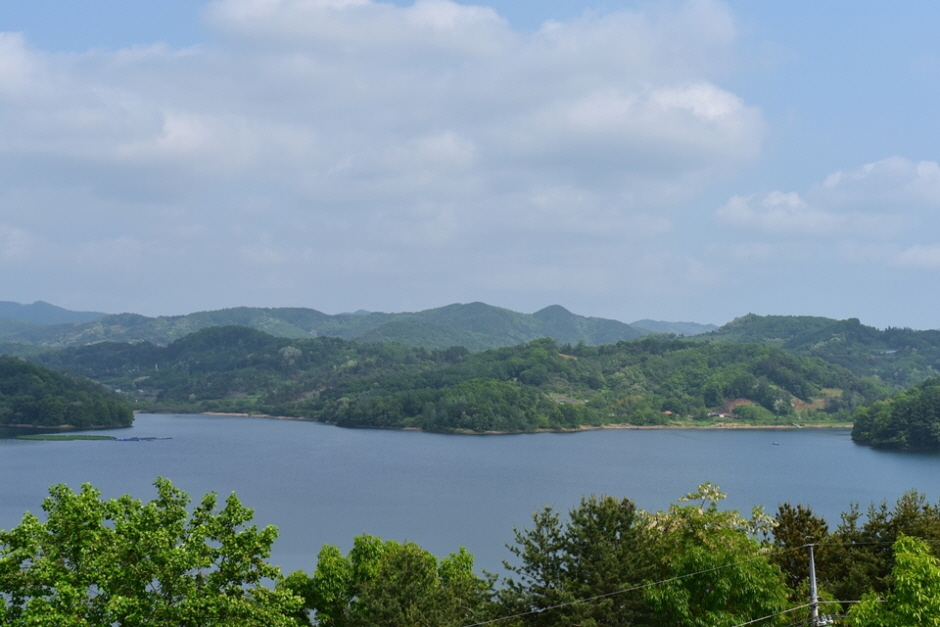
Daecheong Dam Observatory (대청댐 전망대)
17.5Km 2023-04-04
206 , Daecheonghoban-ro, Sangdang-gu, Cheongju-si, Chungcheongbuk-do
+82-43-201-0911
Daecheong Dam Observatory overlooks the clear waters of Daecheongho Lake. At the site is Water Culture Center that offers various things to see relating to the dam as well as informational visual aids related to water. The Dacheonggyo Bridge by the observatory connects to Geumgang Lohas Daecheong Park in Daejeon.
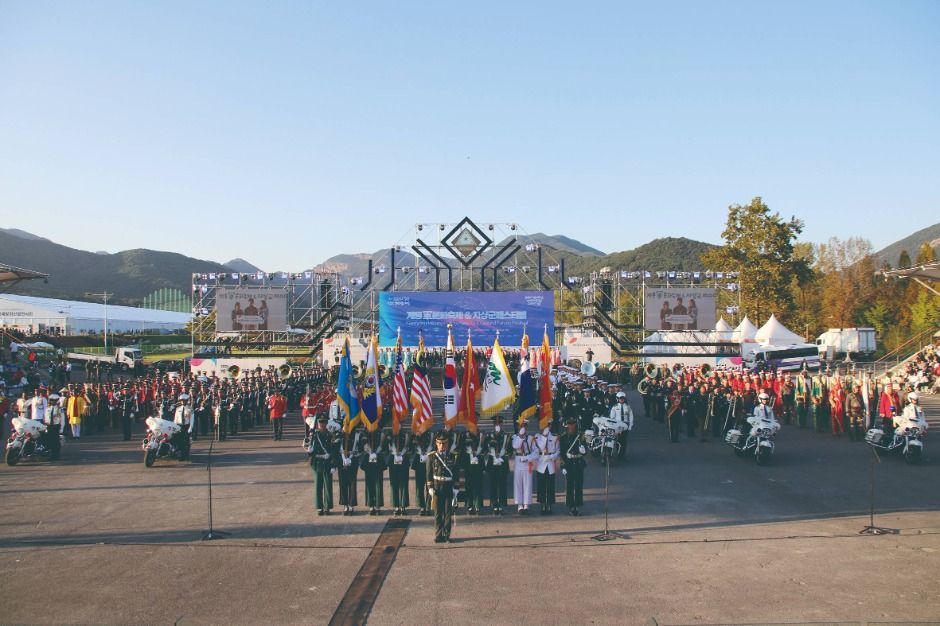
Gyeryong Military Culture Festival (계룡軍문화축제)
17.5Km 2025-08-14
Jeongjang-ri, Sindoan-myeon, Gyeryong-si, Chungcheongnam-do
+82-42-840-2621
Gyeryong Military Culture Festival, one of Korea’s prestigious festivals, features various performances, including an opening act and military culture concert with rock, trot, and K-pop acts. In addition, military band performances, road parades, and various hands-on experience programs are held, offering diverse content that can be enjoyed by people of all ages.

Geumnam Egret Habitat (금남 백로 서식지)
17.6Km 2025-05-20
45-13, Gamseong-gil, Geumnam-myeon, Sejong-si
+82-44-300-5833
The Egret Habitat in Gamgseong-ri covers a small mountain located in Yuseong-gu District. Existing since the Joseon dynasty era, the habitat is home to common herons and cattle egrets. Up to 5,000 birds have been observed at one time. The best time to visit the habitat and see the egrets is between April and May.
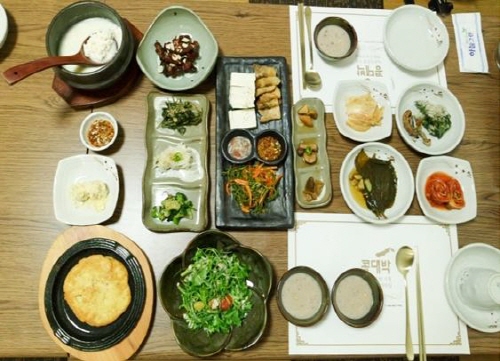
Kong Daebak (콩대박)
18.3Km 2025-05-20
9 Daebak-gil, Geumnam-myeon, Sejong-si
Kong Daebak is a restaurant specializing in soybean-based dishes. There are two menu options: kongseobang bapsang and konggaksi bapsang. Kongseobang bapsang includes dishes like doenjang jjigae (soybean paste jjigae), salad, kong jeon (soybean pancake), suyuk (boiled pork slices), mushroom dishes, jangajji (pickled vegetable), and dessert. Adding dishes like kkaennip jeon (pan-fried battered perilla leaves) and dubu jeongol (bean curd hot pot) turns it into konggaksi bapsang. Since the food is prepared on the same day, advance reservations are essential.
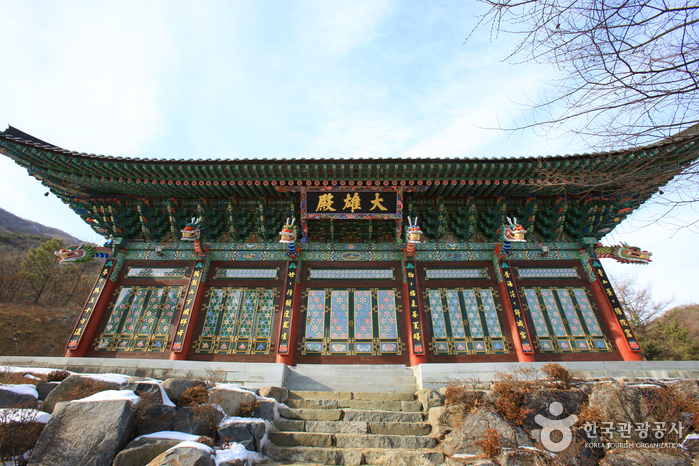
Gyeryong Musangsa Temple (무상사(계룡))
19.6Km 2023-04-13
129, Hyangjeoksan-gil, Gyeryong-si, Chungcheongnam-do
+82-42-841-6084
Musangsa Temple is an international Zen Temple exclusively for foreigners. The temple aims at promoting Korean Zen Buddhism among foreign monks and nuns while encouraging non-Buddhist priests and religious leaders to experience Zen. Twice a year (once in the summer and once in the winter) a 3-month program is held for foreign monks and nuns to come and practice Ganhwaseon, a type of Zen Buddhism. Travelers and other foreigners are also welcome to participate in shortened versions of the program, which are typically one week in length. During meditation/program periods, public visits are limited. The temple’s yearly schedule is divided into three sections with the last section providing various events and programs including weekend events and workshops. The temple also offers temple stay and other programs run in both Korean and English.
 English
 한국어
한국어 日本語
日本語 中文(简体)
 Deutsch
 Français
 Español
 Русский


