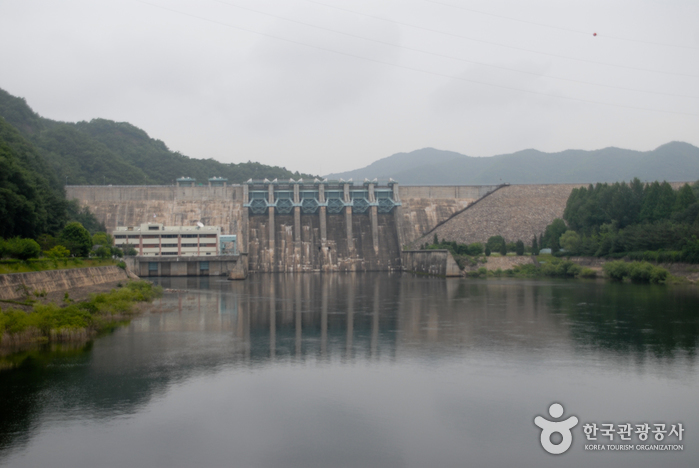
Daecheong Dam (대청댐)
14.0Km 2021-06-01
618-136, Daecheong-ro, Daedeok-gu, Daejeon
+82-43-930-7332
Daecheong Dam is a multi-purpose dam consisting of a 72 meter-tall and 495 meter-long concrete gravity dam and rockfill dam. It is located on the Geumgang River where Daejeon and Chungcheongbuk-do meet. There are three additional support dams in the area of the main dam to help control the river's flow. The dam also serves as a power source for the nearby areas of Daejeon and Cheongju. Construction of the dam took nearly six years, started in March 1975 and completed in 1980.
The observatory, located at Palgakjeong Service Area, offers a great view of Daecheongho Lake. A variety of fascinating items are displayed in the Water Culture Center on the left bank of Daecheong Dam. A nearby grassy meadow promises a relaxing and comfortable rest, while local delicacies such as spicy fish stew using freshwater fish and marinated grilled eel are a delight to taste.

Geumgang Lohas Daecheong Park (금강로하스대청공원)
14.1Km 2024-02-15
607 Daecheong-ro, Daedeok-gu, Daejeon
Geumgang Lohas Daecheong Park is situated near the Geumgang River and Daechung Dam. It borders Daecheongho Lake and the Geumgang River, featuring a waterfront deck where visitors can observe various bird species such as herons and the Red Leaf Willow habitat. The park also includes the Daecheong Culture Exhibition Hall, a lawn area, a Rock Garden, a Metasequoia Forest Park, and a children's forest playground.
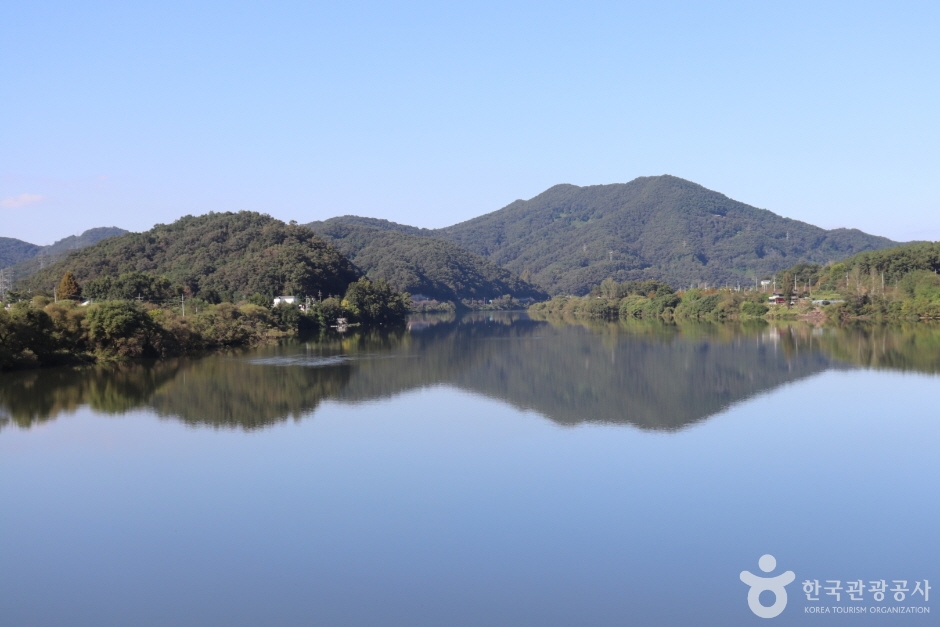
Red Leaf Willow Habitat (왕버드나무군락지)
14.7Km 2024-02-15
Miho-dong, Daedeok-gu, Daejeon
Red Leaf Willow Habitat is located near Daechung Dam and Geumgang Lohas Daecheong Park, along the Geumgang River. This area is ideal for photography, offering stunning views during sunrise and sunset, with sunlight and mist creating a picturesque scene. The decaying wood of the trees in the wetland area can even emit light on its own during the nighttime.
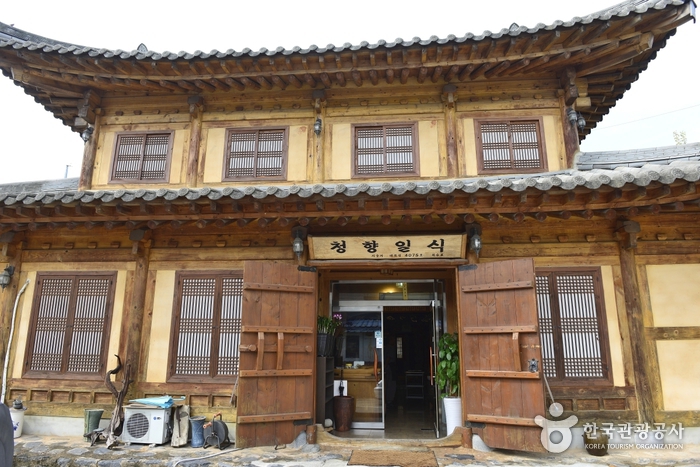
Cheonghyang Ilsik (청향일식)
15.3Km 2025-05-20
97, Jangan 1-gil, Jochiwon-eup, Sejong-si
+82-44-866-7725
Cheonghyang Ilsik is a Japanese restaurant specializing in seafood made with fresh fish and shellfish. In addition to serving delicious dishes, the restaurant also presents a traditional interior design complete with wooden and roof tiles.
Cheongnamdae Presidential Villa (청남대)
15.4Km 2023-04-13
646, Cheongnamdae-gil, Sangdang-gu, Cheongju-si, Chungcheongbuk-do
+82-43-257-5080
Cheongnamdae, which means "Cheong Wa Dae in a warm southern land," was once a private villa used by former presidents of Korea. Cheongnamdae became open to the public on April 18, 2003. It is located near Daecheong Dam in Cheongwon-gu, Chungcheongbuk-do and was built in 1983. The total area spans 1,825,000m² and consists of a main building, golf range, heliport, and fishing area. The natural environment surrounding the area has been well preserved, serving as a home to wildlife, including over 143 species of wild flowers and 124 species of trees as well as several endangered species.
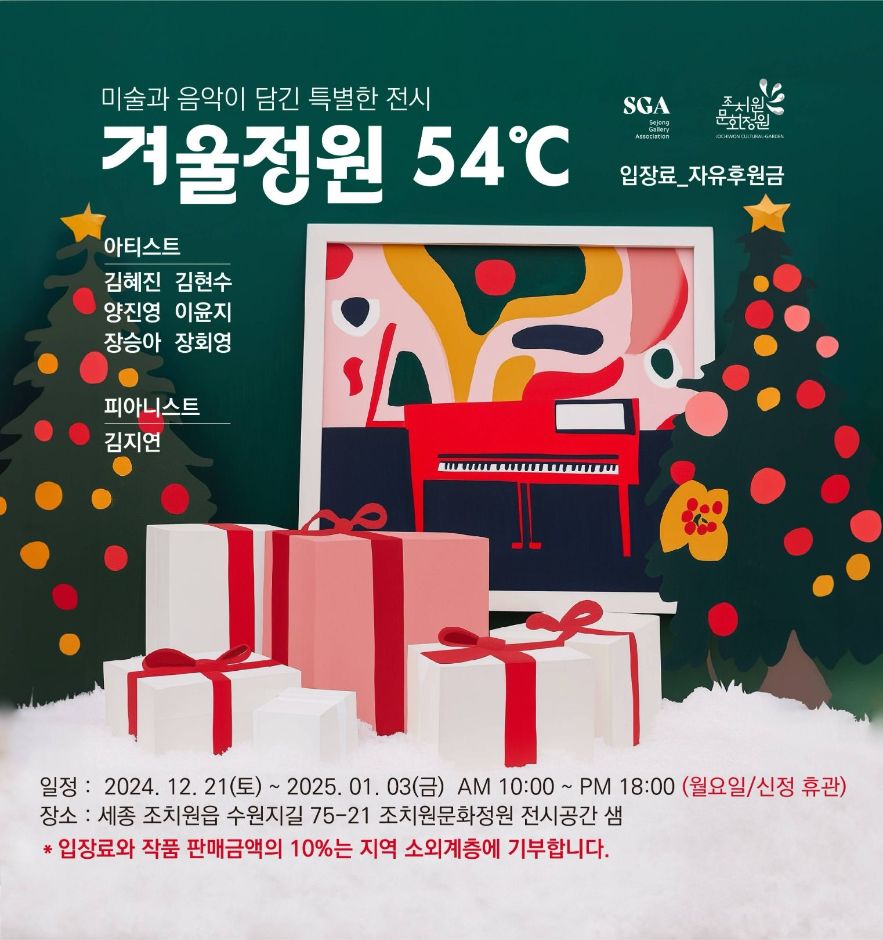
Sejong Gallery Association Art Fair (세종화랑협회 창립기념 아트페어 “프로젝트 FREE” 겨울정원54℃)
15.5Km 2025-05-20
Pyeong-ri, Jochiwon-eup, Sejong-si
+82-44-862-1620
Sejong Gallery Association supports the growth of local art culture by discovering emerging artists and promoting art culture. It hosts an art fair to provide a platform to artists where they can express their creative selves. The art fair also provides visitors with an opportunity to enjoy artworks displayed by emerging artists and purchase them.
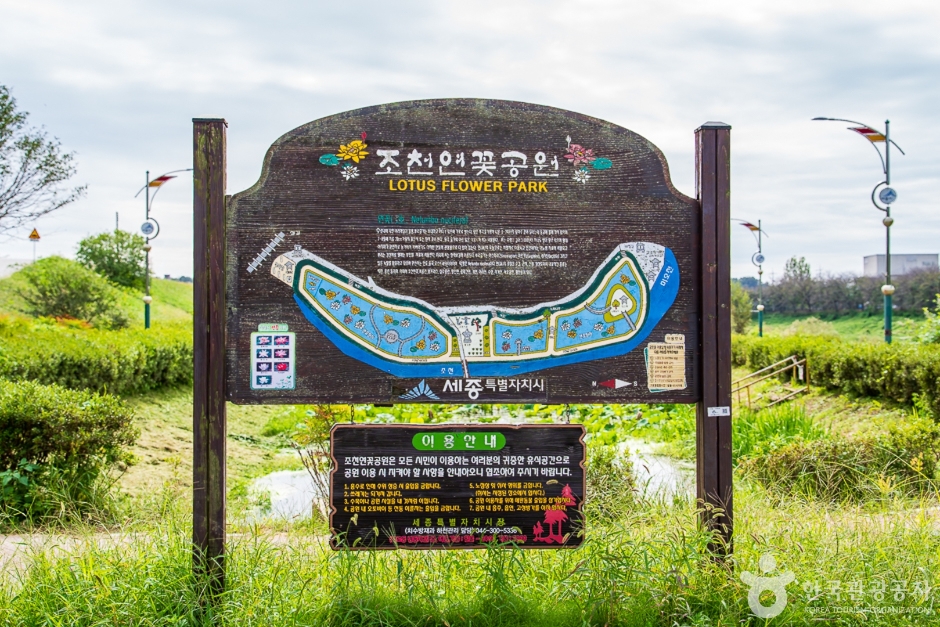
Jocheon Lotus Park (조천연꽃공원)
15.6Km 2025-05-20
226 Beonam-ri, Jochiwon-eup, Sejong-si
Jocheon Lotus Park is an ecological park established by cultivating white lotus, red lotus, and water lilies on abandoned agricultural land. Developed on former farmland, the park blossoms with vibrant lotus flowers during the summer months of July and August. As visitors stroll along the deck path, they can relish the soothing sounds of Jocheon Stream. The pathway along the Jocheon Riverside is especially scenic in spring, adorned with cherry blossoms, earning it the name Jocheonbyeon Cherry Blossom Path. This provides a picturesque backdrop for flower viewing and photography.
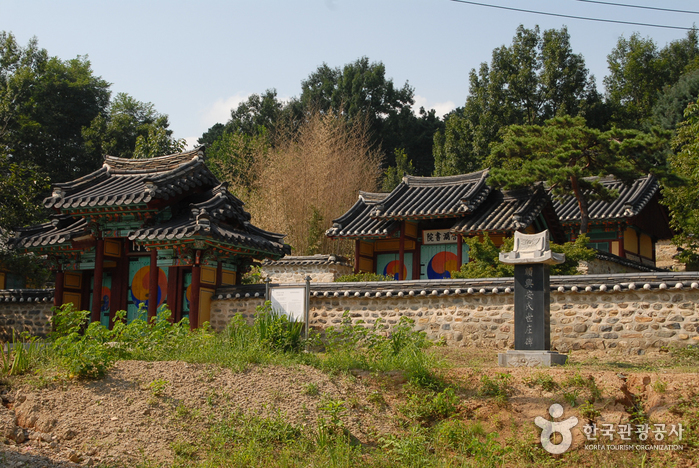
Haposeowon Confucian Academy (합호서원)
15.7Km 2025-05-20
262-6, Wonhapgang 1-gil, Yeondong-myeon, Sejong
+82-44-330-5832
Registered as Cultural Heritage Material, Haposeowon Confucian Academy is where the spiritual tablet of An Hyang, a respected scholar during the Goryeo period, is enshrined. The academy was founded in 1716 by the scholar's descendants, who held regular memorial services until a royal order to close down most seowon institutions was made in the late Joseon dynasty. In 1949, Haposeowon Confucian Academy was rebuilt as an affiliated institution with the consent of 218 local Confucian schools nationwide.
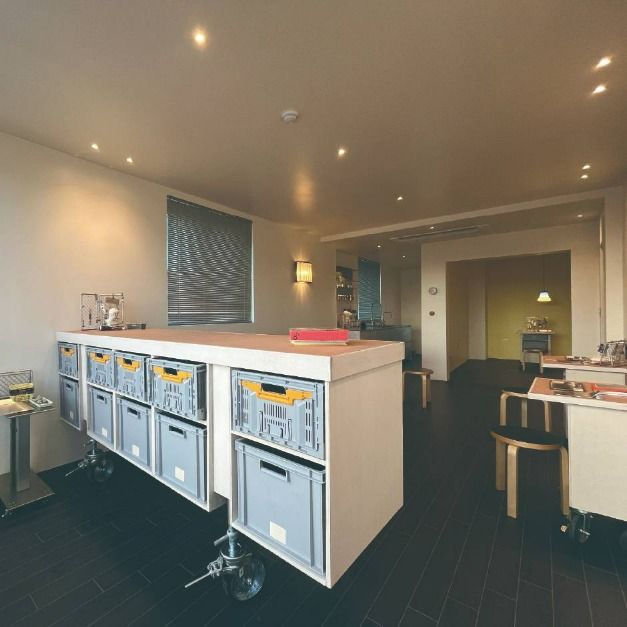
SEMIPUBLIC (세미퍼블릭)
15.8Km 2025-10-23
3-1 Jochiwon-ro, Jochiwon-eup, Sejong-si
As implied by its name, SEMIPUBLIC is a cultural art space that blends semi-public and semi-private qualities. A studio and local art community centered on creativity, it inspires artistic activities and expereinces using a variety of art materials, design books, and art installations. Visitors can experience the world of art and contemporary aesthetics as well as enjoy the perks of local city life.
![Homeplus - Jochiwon Branch [Tax Refund Shop] (홈플러스 조치원)](http://tong.visitkorea.or.kr/cms/resource/63/2883163_image2_1.jpg)
Homeplus - Jochiwon Branch [Tax Refund Shop] (홈플러스 조치원)
15.8Km 2025-05-20
60, Heomanseok-ro, Jochiwon-eup, Sejong-si
-
 English
 한국어
한국어 日本語
日本語 中文(简体)
 Deutsch
 Français
 Español
 Русский


