
Gwangyang Wine Cave (광양와인동굴)
15.9Km 2024-02-01
33 Gangjeong-gil, Gwangyang-eup, Gwangyang-si, Jeollanam-do
Opened in July 2017, the Gwangyang Wine Cave has transformed the historic Gwangyang Steel Cargo Transportation Tunnel into an immersive wine and cultural experience. Spanning 301 meters in length, 4.5 meters in x_width, and 6 meters in x_height, this unique space aims to introduce the world of wine to aficionados and novices alike. Here, visitors can journey through the global wine collections, gradually cultivating a deeper appreciation for this age-old beverage. In addition, the cave delights visitors with its diverse attraction. Visitors can revel in the cozy wine cafeteria, be mesmerized by the dynamic media façade video show, and snap quicky memories at the trick art photo zone. For those keen on hands-on experiences, the art of plum wine-making plum awaits. And for the perfect memento, an exclusive space offers Gwangyang's special products for purchase.
Gwangyang Wine Cave also manages Gwangyang Eco Park, situated on the left side of the wine cave entrance after parking. This park offers a space where children can immerse themselves in media ecology, sparking their imagination and creativity. The experience center is designed for year-round enjoyment, maintaining a temperature suited for all four seasons.
![Homeplus - Gwangyang Branch [Tax Refund Shop] (홈플러스 광양)](http://tong.visitkorea.or.kr/cms/resource/54/3313854_image2_1.jpg)
Homeplus - Gwangyang Branch [Tax Refund Shop] (홈플러스 광양)
16.4Km 2024-06-27
70, Hangman 11-ro, Gwangyang-si, Jeollanam-do
-
Dosimdawon (도심다원)
17.1Km 2025-10-23
51-2 Sinchondosim-gil, Hadong-gun, Gyeongsangnam-do
Hadong's tea fields, which are known as the thousand-year-old tea fields, are characterized by being wild rather than cultivated. Among the many tea gardens in Hadong, the one with the most beautiful and peaceful scenery is Dosimdawon. In “House on Wheels,” actor and singer Yim Si-wan and Girls' Generation Yoona sat in a pavilion and sipped green tea while looking out at the green tea fields stretched out below. Tea utensils and tea leaves in a picnic basket are available for rent so that you can brew your own tea.
Seomjingang Jaecheop Guksu (섬진강재첩국수)
17.1Km 2024-12-27
전라남도 구례군 토지면 섬진강대로 4276
This restaurant has gained fame on social media for its “scenic jaecheop-guksu.” Here, you can truly experience the natural flavors and aromas of jaecheop (Freshwater Marsh Clam). The rich jaecheop broth blends perfectly with thin noodles, filling your mouth with umami. The crispy jaecheop-jeon is a delightful treat that pairs perfectly with makgeolli (rice wine).
Shiri Pension (쉬리펜션)
17.6Km 2024-10-30
4310-46 , Seomjingang-daero, Gurye-gun, Jeollanam-do
+82-10-4583-8255
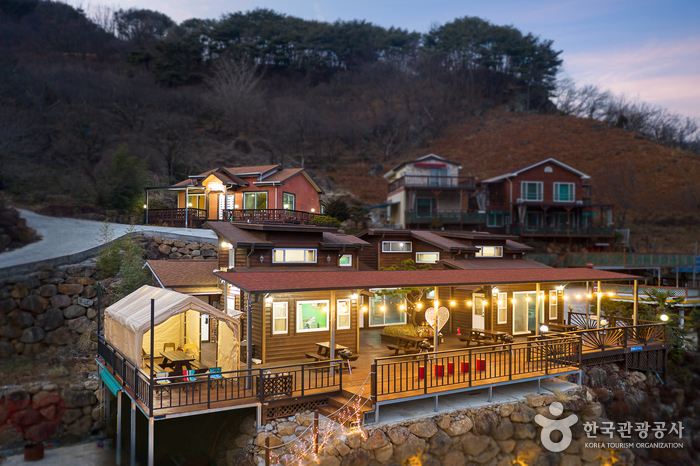
Shiri Pension consists of two floors with a total of six rooms where guests can take in the picturesque landscape of Jirisan Mountain while viewing the Piagol Valley and the Seomjingang River. Prugio and Haebichi are detached pensions, and Haebichi has an open-air bath. Individual tents are set up in front of each room so that you can enjoy a barbecue in the comfort of a camping environment. From the spacious terrace, you can enjoy an open view of the surrounding landscape.
Hadong Tea Museum (하동야생차박물관)
18.1Km 2022-08-05
571-25, Ssanggye-ro, Hadong-gun, Gyeongsangnam-do
+82-55-880-2956
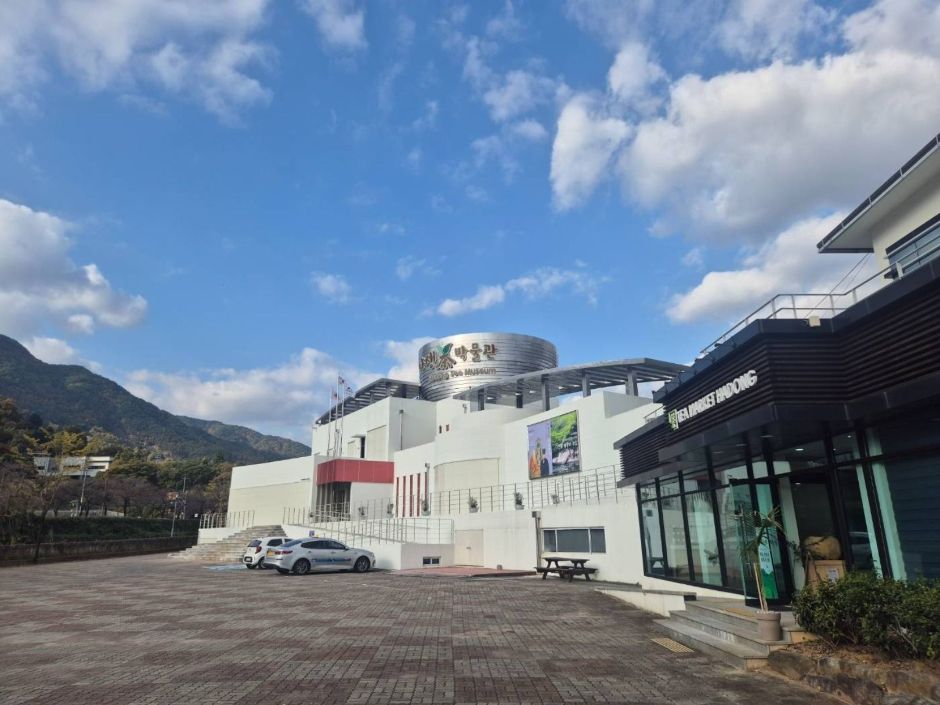
The Hadong Tea Museum is located at the foot of Jirisan Mountain in Hadong, Gyeongsangnam-do. It aims to promote the tea culture of the area, the first tea producer in the nation, while advertising the quality and superiority of Hadong green tea. The center is located adjacent to the tea farming area and Ssanggyesa Temple, one of the most famous tourist attractions in Korea.
The museum features an exhibition hall explaining the history and culture associated with Korean tea, and an experience hall where visitors can enjoy hands-on programs like making tea and learning traditional tea etiquette, as well as a shop selling high-quality tea produced in the region. Every year, the museum also hosts the Hadong Wild Tea & Culture Festival every year.
Dasolsa Temple (다솔사)
18.1Km 2025-03-28
417 Dasolsa-gil, Sacheon-si, Gyeongsangnam-do
+82-55-853-0283
* Please be advised that this is located in one of the areas affected by the recent wildfire (as of March 27, 2025).
** For real-time wildfire information and emergency upates, visit the Korea Forestfire Information website and the National Disaster and Safety Portal.
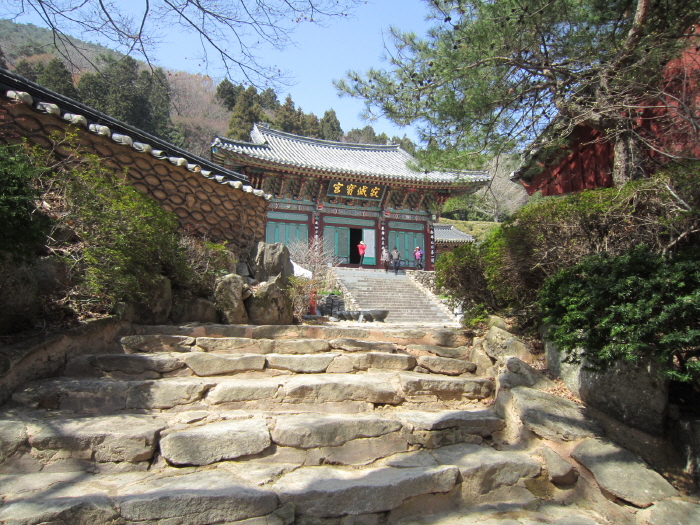
Located on the hillside of Imyeongsan Mountain in Sacheon, Gyeongsangnam-do, Dasolsa Temple is a very old Buddhist temple built during the Silla dynasty. However, its buildings have been reconstructed as many as three times; once because of the Imjin War (1592-1598) and twice because of fire. The last fire took place in December of 1914, burning down all the buildings except Daeyangru Pavilion; therefore, most of the current buildings are historical representations of the buildings previously destroyed in the fire.
Hadong Tea Cultural Center (하동야생차문화센터)
18.1Km 2025-10-23
571-25, Ssanggye-ro, Hwagae-myeon, Hadong-gun, Gyeongsangnam-do
The Experience Hall of the Hadong Tea Museum is located in Unsu-ri, Hwagae-myeon, Hadong-gun, Gyeongsangnam-do. This annex of the museum is dedicated to hands-on programs. Main programs include a tea ceremony, a tea snack session (three-colored, sesame, and bean varieties), green tea seed accessory making, tea-leaf dyeing, make-your-own matcha class, tea-leaf picking, tea roasting, and a Doncha (compressed tea) experience.
![LF Sqare Terrace Mall - Gwangyang Branch [Tax Refund Shop] (LF스퀘어테라스몰광양점)](http://tong.visitkorea.or.kr/cms/resource/91/2886391_image2_1.jpg)
LF Sqare Terrace Mall - Gwangyang Branch [Tax Refund Shop] (LF스퀘어테라스몰광양점)
18.3Km 2024-04-16
466, Sungwang-ro, Gwangyang-eup, Gwangyang-si, Jeollanam-do
-
Samseonggung (삼성궁)
18.3Km 2024-02-21
86-15 Samseonggung-gil, Cheongam-myeon, Hadong-gun, Gyeongsangnam-do
Samseonggung is a Taoist shrine located at 850 meters above sea level on Jirisan Mountain. It serves as a spiritual hub for practicing Sinseondo, embodying traditional Korean culture. In 1983, Kang Min-ju (Taoist Priest Hanpul), along with his disciples, restored the sodo, a sacred altar from the Gojoseon period. This shrine stands as a revered sanctuary, honoring the primal ancestors of the Korean people: Hwanin (Lord of Heaven), Hwanung (Supreme Divine Regent), and Dangun (legendary founder of Gojoseon).
 English
 한국어
한국어 日本語
日本語 中文(简体)
 Deutsch
 Français
 Español
 Русский


