
Mungyeongsaejae Open Set (문경새재 오픈세트장)
7.4Km 2024-07-18
932, Saejae-ro, Mungyeong-si, Gyeongsangbuk-do
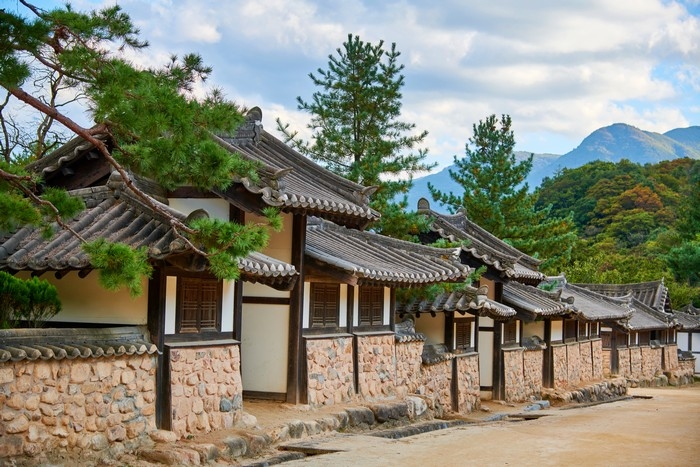
Mungyeongsaejae Open Set has been used for a variety of historical publications, including “Taejo Wang Geon (2000),” “Dae Jo Yeong (2006),” “Sungkyunkwan Scandal (2010),” “Moon Embracing the Sun (2012),” “Jeon Woo-chi (2012),” and “Masquerade (2012).” In 2008, the Goryeo Dynasty set was dismantled and redesigned into a Joseon-era set. Visitors can get a glimpse of life in the past through the replica houses and various structures throughout the open set.
Mungyeongsaejae Open Set (문경새재 오픈세트장)
7.4Km 2025-10-24
932 Saejae-ro, Mungyeong-si, Gyeongsangbuk-do
This open set is a filming location for popular historical dramas such as "Kingdom (2019)," "The Red Sleeve (2021)," and "The Moon Embracing the Sun (2012)," and is connected to Mungyeong Provincial Park. One of the most famous spots is the Gwanghwamun Set, which vividly embodies Gwanghwamun Gate. The set has various settings such as a hanok village, downtown area, and a common people's village, spread over a large site, making visitors feel as if they have traveled back in time to the Joseon dynasty.
Mungyeong Saejae Bare-foot Walking Festival (오감만족 문경새재맨발페스티벌)
7.4Km 2025-05-16
932 Saejae-ro, Mungyeong-eup, Mungyeong-si, Gyeongsangbuk-do
+82-53-755-5881
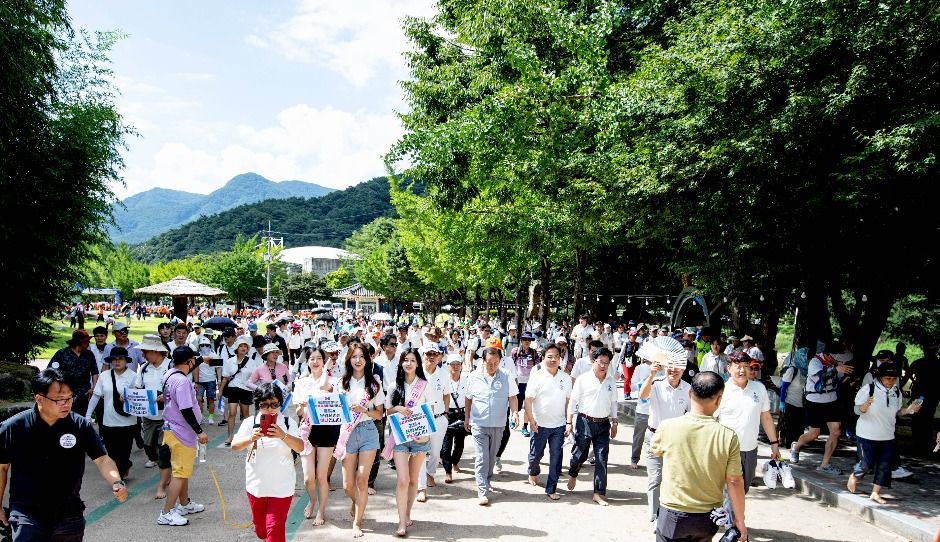
The festival, held annually in Mungyeong, is a bare-foot walking festival covering approx. 7km. During the festival a main performance, various event booths, bare-foot-walking events, and a singing contest are held, allowing visitors to enjoy the festivities while keeping an eye on their health.
Mungyeongsaejae Provincial Park (문경새재도립공원)
7.4Km 2023-02-13
932, Saejae-ro, Mungyeong-si, Gyeongsangbuk-do
+82-54-571-0709
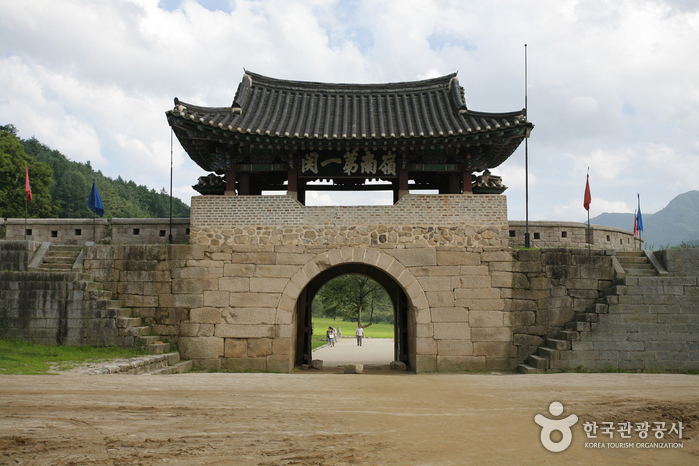
Mungyeongsaejae Pass, which crosses Joryeongsan Mountain, has always been the highest and most dangerous mountain pass in Korea, being reputed to be too tall for even birds to fly over. The three gates of Juheulgwan, Jogokgwan, and Joryeonggwan were built for national defense after the Imjin War (1592-1598). These three gates are designated collectively as Historic Site No. 147. The area between the three gates was designated a provincial park in 1981. The path from the first gate to the last passes through beautiful forests and takes roughly four hours round-trip. Also located within the park boundaries is Mungyeongsaejae Open Set, used for filming historical dramas.
Museum of Old Roads (옛길박물관)
7.5Km 2023-07-28
944, Saejae-ro, Mungyeong-si, Gyeongsangbuk-do
+82-54-550-8372
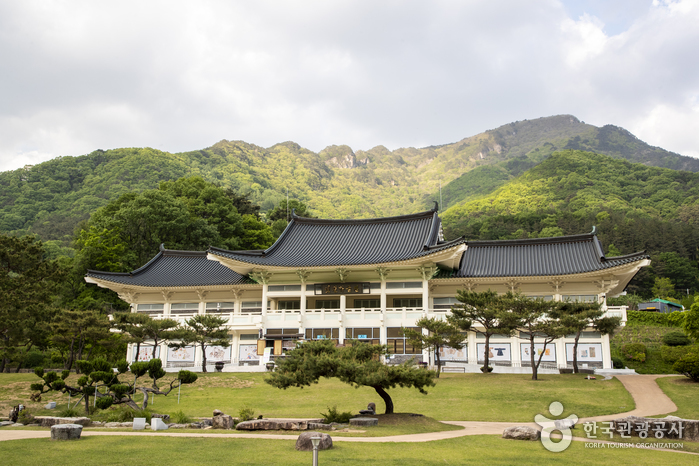
The Museum of Old Roads offers the history of traditional roads and routes in Korea. In the past, Mungyeongsaejae was a transportation hub for the people of Korea, particularly during the Joseon Period. Mungyeongsaejae is home to Haneuljae (one of the oldest roads in Korea, first established in 156 AD), Tokkibiri (a famous trade route), and Yugok Station (a transport hub in the Yeongnam area).
Even though the importance of the roads as travel routes has diminished over time, they continue to increase in cultural significance, conveying the area’s rich traditional heritage to visitors. The Museum of Old Roads was opened in 2009 after having been remodeled from the Mungyeongsaejae Museum, which mainly dealt with local history.
Gomosanseong Fortress (고모산성)
8.6Km 2025-10-23
Sinhyeon-ri, Maseong-myeon, Mungyeong-si, Gyeongsangbuk-do
+82-54-550-6414
Located on Ojeongsan Mountain, Sinhyeon-ri, Maseong-myeon, Mungyeong-si, Gomosanseong Fortress is a fortress built for military defense during the Three Kingdoms Period. It played an important role in the battle not only during the Three Kingdoms Period, but also throughout history, including the Goryeo period, the late Joseon period, and the Korean War. Climbing uphill along the fortress wall will lead to an open view of a vast landscape. Night lighting and photo zones have been formed around the fortress to entertain visitors to the fortress.
Mungyeong Omija Theme Tunnel (문경오미자테마터널)
8.8Km 2024-03-18
1356-1 Mungyeong-daero, Maseong-myeon, Mungyeong-si, Gyeongsangbuk-do
Omija Theme Tunnel is located under Gomosanseong Fortress in Jinnamgyoban, Mungyeong. The Seokhyeon Tunnel, used to transport coal between Jeomchon and Mungyeong, was reborn as a 540-meter-long tunnel for tourism. In addition to cultural spots like the Starlight Tunnel and amazing trick arts, there are also craft shops where visitors can buy Omija, Mungyeong's specialty, and pottery. It is warm in winter and cool in summer because the average temperature is maintained at 15 to 18 degrees throughout the year.
Jinnam Maeuntang (진남매운탕)
8.9Km 2024-02-26
210 Jinnam 1-gil, Maseong-myeon, Mungyeong-si, Gyeongsangbuk-do
054-552-7777
Jinnam Maeuntang is located near Jinnamgyo Bridge, the first landmark among the Eight Scenic Views of Gyeongbuk. Its signature dish megi maeuntang (spicy catfish stew) delivers a deep and rich flavor, crafted from a blend of homemade red chili paste and broth steeped in medicinal herbs. The restaurant's terrace seating also provides spectacular views of Gomosanseong Fortress and Baekhwasan Mountain.
Mungyeong Rail Bike (문경 철로자전거(레일바이크))
9.1Km 2025-10-23
155 Jinnam 1-gil, Maseong-myeon, Mungyeong-si, Gyeongsangbuk-do
In Mungyeong, a former coal mining region, railroads were initially constructed for transporting coal and people. After the mines were shut down, these railroads were abandoned. However, they have since been transformed into tracks for railbikes and miniature trains. Today, visitors can enjoy the stunning landscape while traveling along the meandering railroads that cut through the valley.
◎ Travel information to meet Hallyu’s charm – TV series "Queen of Tears"
It’s the filming location where Hyun-woo and Hye-in enjoyed a date before her surgery. Gurang-ri Station, modeled after a traditional Korean fortress gate, and the surrounding tourist sites remain just as they appeared in the drama, attracting many visitors.
Chungju Mireukdaewon Stone Temple Site (충주 미륵대원지)
10.9Km 2021-03-19
150, Mireungnisaji-gil, Chungju-si, Chungcheongbuk-do
+82-43-850-6724
Mireukdaewon Stone Temple Site, Historic Site No. 317, faces south in the basin of the Haneuljae Pass between Chungcheongbuk-do and Gyeongsangbuk-do. It is said that Mauitaeja, the last prince of the Silla Kingdom, had a dream one night as he was traveling to Geumgangsan Mountain where the Avalokitesvara Bodhisattva instructed him to erect a statue of Buddha. As a result, he built a temple to honor the goddess’ wish at the current site of Mireuk-ri. The temple name was discovered through excavation research in 1977 and 1978 by Cheongju University, while the temple grounds were more thoroughly investigated by a team of researchers from Ewha Woman's University in 1980.
 English
 한국어
한국어 日本語
日本語 中文(简体)
 Deutsch
 Français
 Español
 Русский


