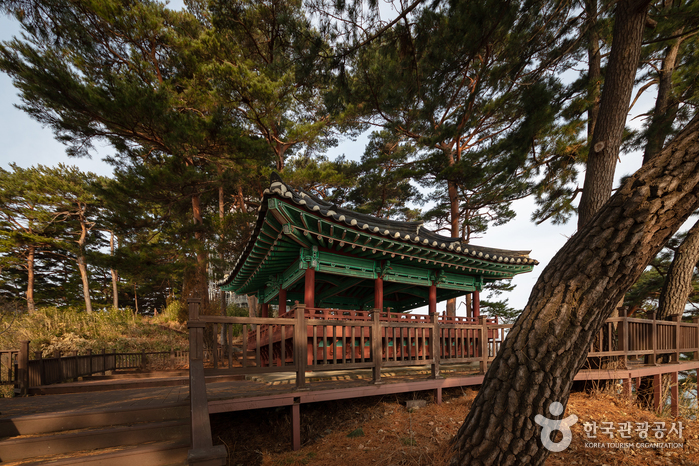
Jukdojeong Pavilion & Jukdo Observatory (죽도정&죽도 전망대)
11.4Km 2025-01-31
1-1 In-gu-ri, Hyeonnam-myeon, Yangyang-gun, Gangwon-do
Jukdojeong Pavilion is located on Jukdo Island in Yangyang, which is a small island with an average circumference of 1 kilometer. The beautiful scenery of lush pine and bamboo forest, with the emerald blue sea in the background, makes it one of the “Yangyang Best 10” spots. It is one of the best places to watch the sunrise on the East Coast. Located next to Jukdojeong Pavilion, the Jukdo Observatory offers a panoramic view of Jukdo Island. Although it was originally an island, it is now connected to the mainland. The walking path around the island is a great place for visitors to take a leisurely stroll along the sea while also enjoying the lush green forest.

Gyeongpodae Pavilion (강릉 경포대)
11.5Km 2025-01-16
365 Gyeongpo-ro, Gangneung-si, Gangwon-do
Gyeongpodae Pavilion, located on a small hill north of Gyeongpoho Lake, is one of the eight scenic sites of Gwangdong (northeastern coast). The pavilion was originally built in another location in 1326 but was moved to its current location in 1508. The pavilion shape and design changed over time before settling on the current design. The pavilion has five pillars in the front and on the side, with a gabled roof line, a common design in Korean architecture.
The inside of Gyeongpodae Pavilion is decorated with calligraphy and poems written by many famous scholars of the Joseon dynasty, including both King Sukjong and Yulgok Yi I. The pavilion is surrounded by a pine tree forest, and is famous for its view of the moon reflecting off the waters of the lake below, which gave the pavilion its name. The area around the pavilion was designated as a provincial park in 1981.
Gyeongpoho Lake (경포호(철새도래지))
11.5Km 2025-12-18
Jeo-dong, Gangneung-si, Gangwon-do
Gyeongpoho Lake is a popular attraction, with beautiful natural scenery and many cultural relics nearby. The view of the moon reflecting off the lake from Gyeongpodae Pavilion is especially stunning. The 1,256,204 m² naturally formed lake is connected to the ocean, and is famous as a destination site for migratory birds in winter. There are also many fish in the lake, but the lake has been designated as a nature protection site and fishing is prohibited.
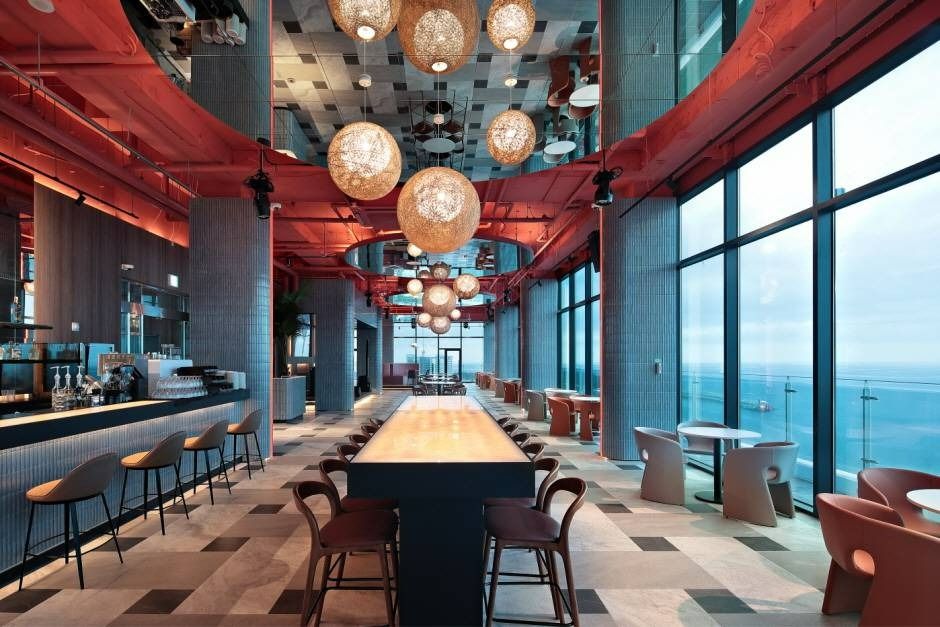
LE ONDA (르온다)
11.5Km 2025-03-05
5 Saenaru-gil, Hyeonnam-myeon, Yangyang-gun, Gangwon-do
LE ONDA Café, situated on the 20th floor, is an ocean view café in Yangyang, Gangwon-do. The café offers a panoramic ocean view. Visitors can enjoy various drinks, including their signature East Sea-themed menu while taking in the view of the emerald blue ocean and the sky. The cozy interior, comfortable seats, and stunning views make it a perfect relaxing escape.
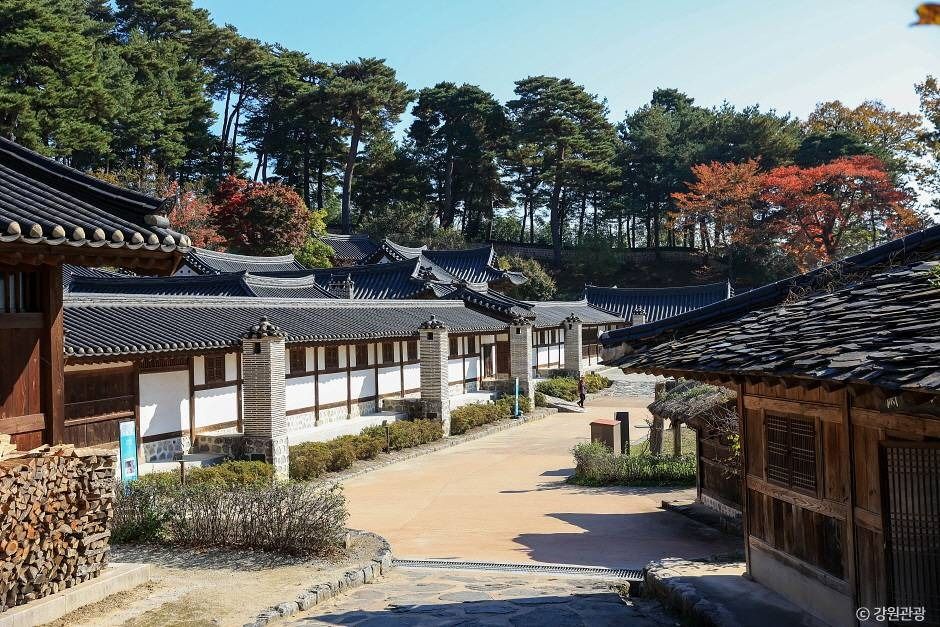
Seongyojang House (강릉 선교장)
11.9Km 2025-12-15
63, Unjeong-gil, Gangneung-si, Gangwon-do
+82-33-648-5303
Seongyojang House is the former upper class residence of Lee Nae-beon (1703-1781) and his family in Gangneung, Gangwon State. It was designated as a National Folklore Cultural Heritage in 1967. The one-syllable word "Seon" in Seongyojang means boat. Gyeongpoho Lake was right in front of Seongyojang House at the time it was built, thus making is accessible by boat.
Seongyojang House has all the features of a typical upper class residence during the Joseon period. The complex even has a large pond with a pavilion named Hwallaejeong Pavilion. While the building still blends beautifully with the surrounding nature, Seongyojang House has been well-preserved and is considered a valuable resource in the historical research of living conditions of upper class households during the Joseon dynasty.
Farmer's Kitchen (파머스키친)
12.3Km 2025-10-29
44-39 Dongsankeun-gil Hyeonnam-myeon, Yangyang-gun, Gangwon-do
This is a handmade burger restaurant located right in front of Yangyang Dongsan Port, where fishing boats float. The American-style interior exudes a casual look. From the rooftop on the 3rd floor, the view towards the sea is wide enough that you can see the sea and islands beyond the port. Combining fresh vegetables and rich gravy, the burger tastes just as good as the view.
Choryeo Gongbang [Tax Refund Shop] (초려공방)
12.4Km 2024-04-19
24-2, Yulgok-ro 3139beon-gil, Gangneung-si, Gangwon-do
-
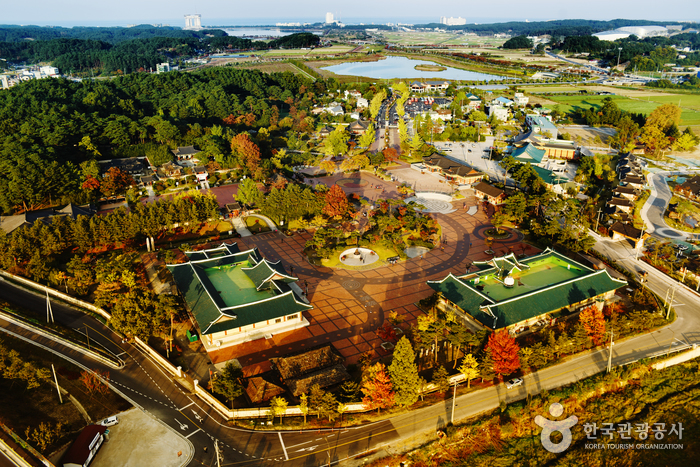
Ojukheon House (강릉 오죽헌)
12.4Km 2024-05-24
24 Yulgok-ro 3139beon-gil, Gangneung-si, Gangwon-do
+82-33-660-3301
Ojukheon House was where Yi I (penname Yulgok; scholar and politician of the Joseon Period) was born. It was built during the early Joseon dynasty and was designated as a Treasure in 1963 for its historical value.
Inside the house is Mongryongsil, where Yi I was born. The household complex also features the household shrine (Munseongsa), the sarangchae (men's quarters), Eojaegak Pavilion, Yulgok Memorial Hall, and Gangneung Municipal Museum. Since 1961, the city of Gangneung has held a memorial ceremony at Yulgok Memorial Hall from October 25 to 26.
Solhyang Myeongpum Shop [Tax Refund Shop] (솔향명품SHOP)
12.4Km 2024-04-22
24, Yulgok-ro 3139beon-gil, Gangneung-si, Gangwon-do
-
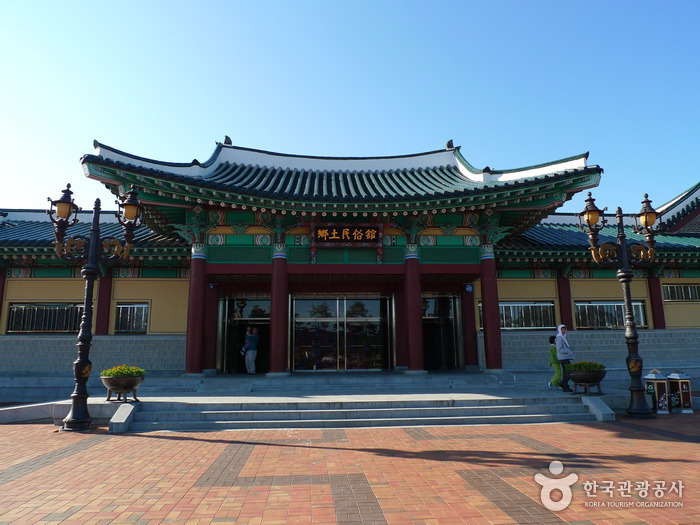
Ojukheon House & Municipal Museum (강릉시 오죽헌/시립박물관)
12.4Km 2022-12-26
24, Yulgok-ro 3139beon-gil, Gangneung-si, Gangwon-do
+82-33-640-3301
Ojukheon House, a Treasure, is an important house which shows the lifestyle and architectual style of the early Joseon dynasty. It is one of the oldest preserved Korean houses. Yulgok Yi-I, one of Korea's most noted scholars, was born here to Sin Saimdang. In rememberance of his birth, the Yulgok Festival is held annually at Ojukheon. There are many traditional materials and regional remains which are displayed in the private museum. A painting of Yulgok is hanging in Munseongsa (the ancestral shrine of Yulgok). More artwork by the Yulgok family are on display in the Yulgok Memorial Hall. In addition, various Buddhist artwork, ceramics, pictures and common living appliances are on display in the Folk Tradition Hall, History Culture Hall, and the outdoor exhibition area.
 English
 한국어
한국어 日本語
日本語 中文(简体)
 Deutsch
 Français
 Español
 Русский


