Geumgang Recreational Forest (Arboretum, Forest Museum) (금강자연휴양림(금강수목원,산림박물관))

  • Geumgang Recreational Forest (Arboretum, Forest Museum) (금강자연휴양림(금강수목원,산림박물관))
  • Geumgang Recreational Forest (Arboretum, Forest Museum) (금강자연휴양림(금강수목원,산림박물관))
  • Geumgang Recreational Forest (Arboretum, Forest Museum) (금강자연휴양림(금강수목원,산림박물관))
  • Geumgang Recreational Forest (Arboretum, Forest Museum) (금강자연휴양림(금강수목원,산림박물관))
  • Geumgang Recreational Forest (Arboretum, Forest Museum) (금강자연휴양림(금강수목원,산림박물관))
  • Geumgang Recreational Forest (Arboretum, Forest Museum) (금강자연휴양림(금강수목원,산림박물관))
  • Geumgang Recreational Forest (Arboretum, Forest Museum) (금강자연휴양림(금강수목원,산림박물관))
  • Geumgang Recreational Forest (Arboretum, Forest Museum) (금강자연휴양림(금강수목원,산림박물관))
  • Geumgang Recreational Forest (Arboretum, Forest Museum) (금강자연휴양림(금강수목원,산림박물관))
  • Geumgang Recreational Forest (Arboretum, Forest Museum) (금강자연휴양림(금강수목원,산림박물관))
  • Geumgang Recreational Forest (Arboretum, Forest Museum) (금강자연휴양림(금강수목원,산림박물관))
  • Geumgang Recreational Forest (Arboretum, Forest Museum) (금강자연휴양림(금강수목원,산림박물관))
  • Geumgang Recreational Forest (Arboretum, Forest Museum) (금강자연휴양림(금강수목원,산림박물관))

Explanation

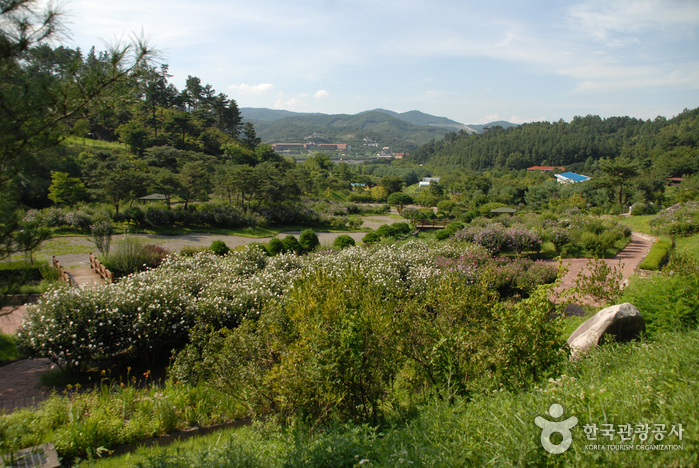
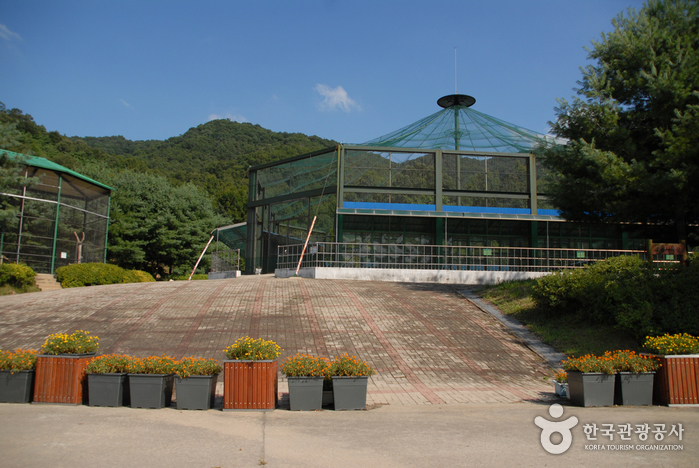
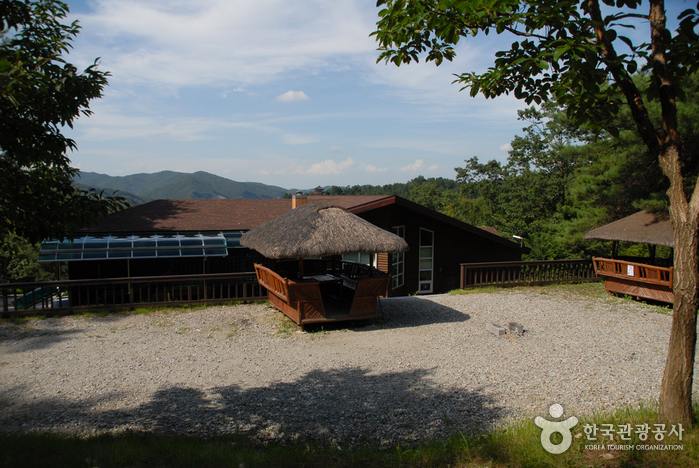
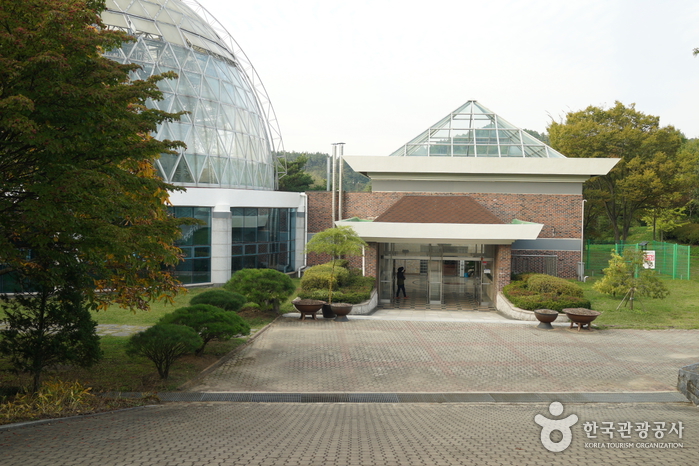
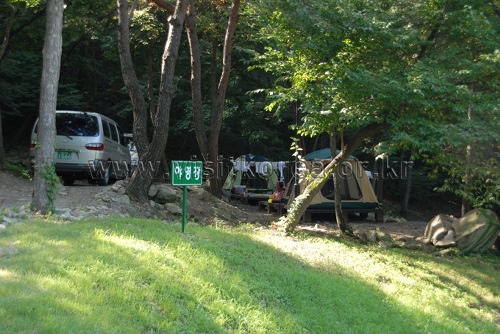
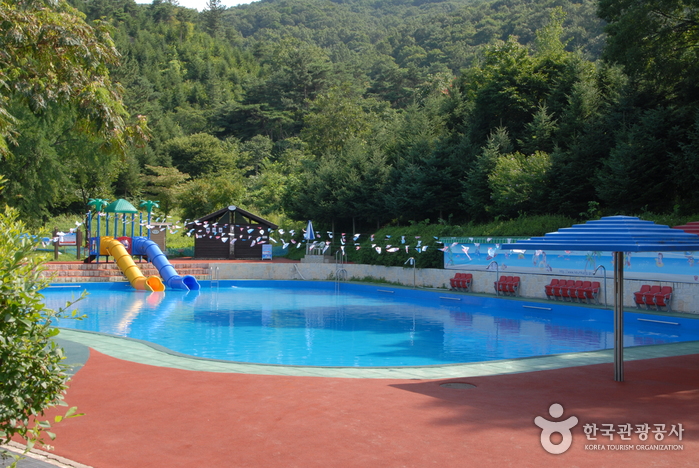
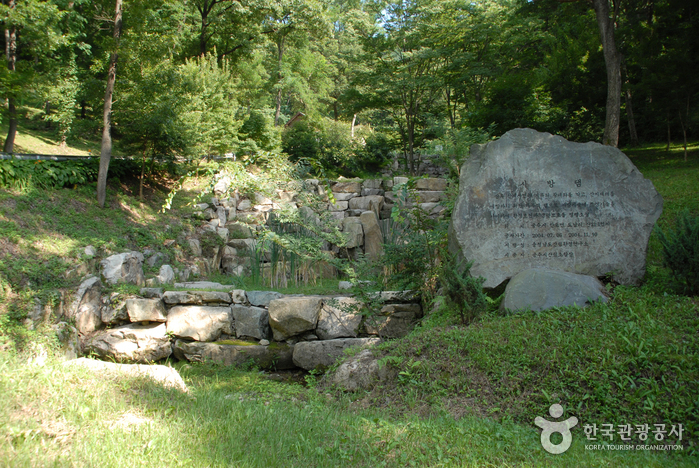
Along the river from Gongju toward Daejeon there is Geumgang River to the right. Following this river, there is a red arch-shaped bridge on the right called Bultigyo Bridge. Geumgang Recreational Forest, a large and well-organized forest, is located on the other side of this bridge. In the past, this remote village can only be reached by boat. In 1994, the Chungnam Forest Environment Research Institute moved to this area and designated the well-preserved dense forest as Geumgang Recreational Forest, and the Forest Museum opened in October 1997. Geumgang Recreational Forest is different from other recreational forests. Rather than a dense forest with a trail, this forest has a variety of attractions such as the Forest Museum, an arboretum, greenhouse, pond, and wildlife park scattered on well-maintained roads, giving the impression of a city park.


Inquiry

+82-41-635-7400


Homepage

https://www.foresttrip.go.kr


Information Use

Capacities : 2,000 people per day

Contact and Information : • 1330 Travel Hotline: +82-2-1330
(Korean, English, Japanese, Chinese)
• For more info: +82-41-635-7400

Opening day : October 31, 1997

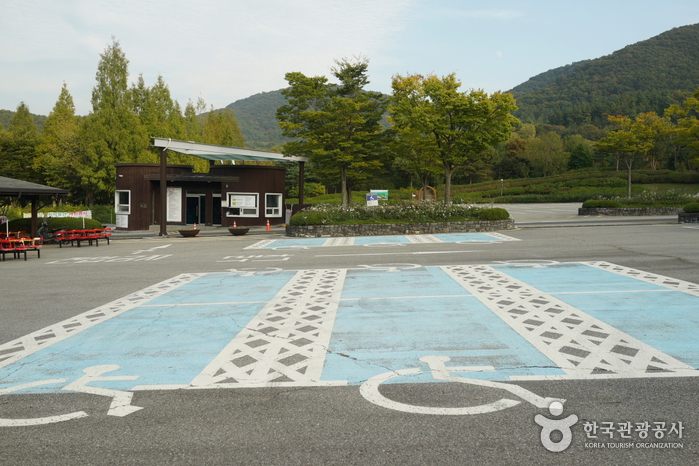
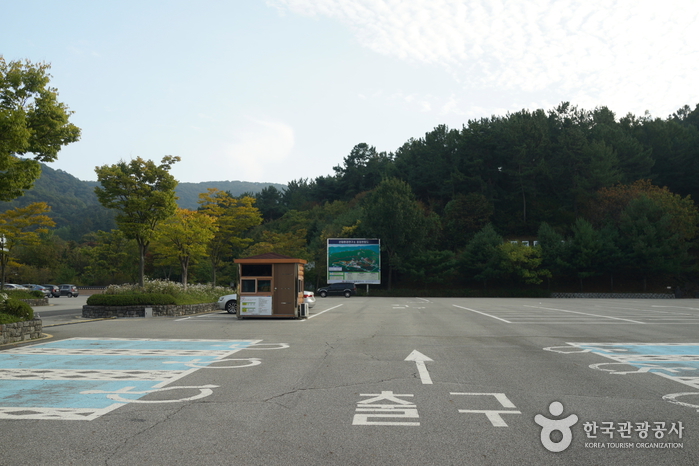
Parking facilities : Available

Day off : Arboretum, Forest Museum, greenhouse: First Wednesday of every month / Forest Cabin, Forest Recreational Hall, campsite: First and third Wednesday & Thursday of every month

Hours : [Accommodations] Check in 14:00 / Check out 11:00

[Arboretum]
March-October 09:00-18:00
November-February 09:00-17:00* Last admission 1 hour before closing


More information

Restrooms
Available

Admission Fees
Individual: Adults 1,500 won / Teenagers 1,300 won / Children 700 won
Group: Adults 1,300 won / Teenagers 1,100 won / Children 500 won

* Group: 30 people or more
* Free admission: Preschoolers (ages 6 & under), senior citizens (ages 65 & over)

Parking Fees
Compact cars: 1,500 won
Small cars: 3,000 won
Large vehicles: 5,000 won
* Free parking available for Forest Cabin patrons

Available Facilities
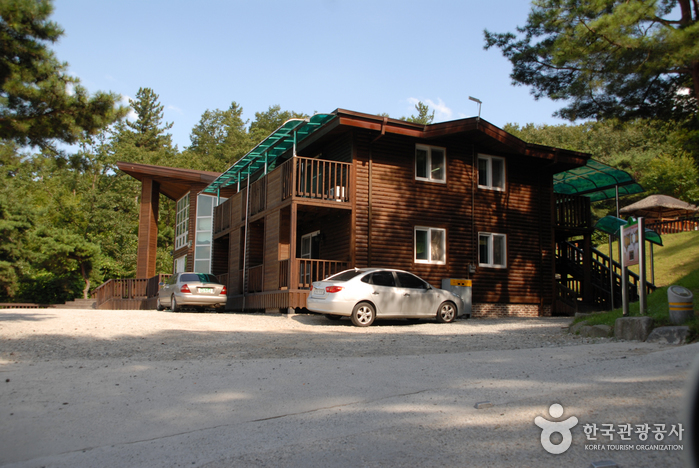
The Forest Museum, zoological garden, arboretum, wild flower garden, pond, observatory, accommodations, grass plaza, hiking trail, water play area, sports facilities, outdoor classroom

Facility Utilization Fees
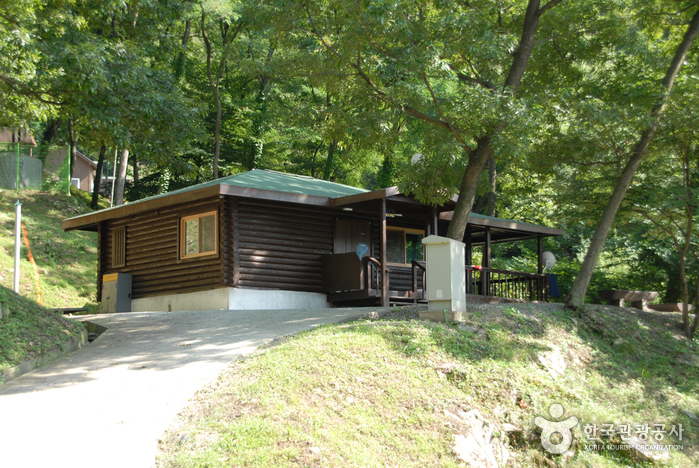
Forest Cabin: Low season 56,000~110,000 won / Peak season 76,000~107,000 won
Forest Recreational Hall: Low season 56,000~260,000 won / Peak season 76,000~330,000 won
Cabin: Low season 35,000 won / Peak season 45,000 won
Camping Site: Low season 6,000 won / Peak season 7,000 won

Reservation Info. for Foreigners
Website reservation available

Location

110, Sallimbangmulgwan-gil, Sejong-si

Bongmyeongsan Suspension Bridge (봉명산 출렁다리)

Bongmyeongsan Suspension Bridge (봉명산 출렁다리)

2026-02-13

27 Oncheongangbyeon 1-gil, Mungyeong-eup, Mungyeong-si, Gyeongsangbuk-do

Bongmyeongsan Suspension Bridge, completed in December 2023, stretches across the slopes of Bongmyeongsan Mountain at 690 meters above sea level. It’s about a 400-meter, 15-minute walk from the trailhead to the bridge. At 1.5 meters wide and 160 meters long, it offers sweeping views of Mungyeong-eup surrounded by mountains. The bridge sways with every step, and the sensation is even sharper when the wind blows. The variety show "2 Days & 1 Night" once filmed a game mission here where the cast ate tteokguk (rice cake soup). It takes a few hundred steps to get to the suspension bridge, so it's advised to wear comfortable shoes. There’s a pavilion along the way where visitors can take a break.

Gangneung Metaverse Experience Center (강릉메타버스체험관)

Gangneung Metaverse Experience Center (강릉메타버스체험관)

2026-02-11

131 Nanseolheon-ro, Gangneung-si, Gangwon-do

Right next to Gyeongpoho Lake, the Gangneung Metaverse Experience Center lets visitors explore the city’s history and culture through virtual reality. Spread across three floors, it features interactive exhibits and VR/AR programs that mix tradition with modern technology—fun for families with kids. It’s also a great way to start or end the Gangneung trip as it gives an overview of the city's landmarks.

Yullyangcheon Stream (율량천)

Yullyangcheon Stream (율량천)

2026-02-13

Areas spanning Naedeok-dong, Cheongwon-gu, Cheongju-si, Chungcheongbuk-do

Yullyangcheon Stream runs through the heart of Cheongju and is a favorite spot for locals. With walking trails and bike paths along the water, it’s perfect for a leisurely outing. In the drama "Miss Night and Day (2024)," it appears as the place Lim Sun (played by Lee Jung-eun) goes when she feels lost.

Geumgang Yakdol (금강약돌)

Geumgang Yakdol (금강약돌)

2026-02-13

13 Neungheodae-ro 165beon-gil, Yeonsu-gu, Incheon

Geumgang Yakdol is a jjimjilbang uses a rare mineral called "geumgang yakdol," believed to emit far-infrared rays and negative ions that promote health and recovery. It has a salt room and a hot steam chamber, the latter heated with real charcoal for an authentic experience. The location was also featured in "The Atypical Family (2024)" as the place where Do Da-hae and her accomplices plot to steal the Bok family’s fortune.

Gunsan Oreum Volcanic Cone (군산오름)

Gunsan Oreum Volcanic Cone (군산오름)

2026-02-09

564 Changcheon-ri, Andeok-myeon, Seogwipo-si, Jeju

Gunsan Oreum Volcanic Cone stands behind Nandeureu Village on the Seogwipo coast. The climb to the top takes just 30 minutes, and its gentle slope makes it easy for anyone to enjoy. From the summit, you’ll find wide-open views of the sea and Hallasan Mountain. In "Welcome to Samdal-ri (2023)," this is the olle trail where Sam-dal, after hitting rock bottom, returns home in search of herself.

Soyangho Makguksu Street (소양호 막국수거리)

Soyangho Makguksu Street (소양호 막국수거리)

2026-02-05

Cheonjeon-ri, Sinbuk-eup, Chuncheon-si, Gangwon-do

Makguksu (buckwheat noodles) is a traditional dish made from coarse buckwheat flour, where only the outer husk of the grain is removed. Originally served to honored guests in the Chuncheon region, the dish gained widespread popularity after the Korean War as a staple food during times of economic hardship. Today, the area near Soyangho Lake in Chuncheon is famous for its dedicated "Makguksu Street," a destination frequented by both tourists and locals alike. The noodles can be enjoyed in a chilled kimchi or dongchimi (radish water kimchi) broth, or served dry and tossed with vegetables and seasonings. Diners often customize the flavor with vinegar, mustard, or a splash of broth. For a complete meal, it is common to pair the noodles with other regional specialties like memilbuchim (buckwheat pancake) or savory memiljeonbyeong (buckwheat crepe). The district is also conveniently located near several attractions, including the scenic Jungdo Tourist Resort at Uiamho Lake and Korea’s first Animation Museum, making it an excellent stop for a day trip.

Former Gim Yu-jeong Station (김유정역 폐역)

Former Gim Yu-jeong Station (김유정역 폐역)

2026-02-05

1435 Gimyujeong-ro, Sindong-myeon, Chuncheon-si, Gangwon-do

Originally opened as Sinnam Station in 1939, this site was renamed Gim Yu-jeong Station in 2004, marking the first time in Korean history a railway station was named after a person. While the original building closed in 2010 with the opening of the new Gyeongchun Line, it has since been preserved and developed into a popular retro tourist attraction. The new station building features traditional Korean architecture, while the adjacent old station remains frozen in time. The old platform is now a photo zone decorated with playful signs, and the station’s interior retains its original nostalgic atmosphere. Adding to the charm, a retired Mugunghwa train rests on the tracks, repurposed as a cozy book café and a tourist information center. The grounds also feature an outdoor wedding venue that is available for public use free of charge.

Bamnidan Street (밤리단길)

Bamnidan Street (밤리단길)

2026-02-05

Jeongbalsan-dong, Ilsandong-gu, Goyang-si, Gyeonggi-do

Bamnidan Street is a trendy neighborhood in Ilsan nestled within the alleyways of the antique furniture street, located just a six-minute walk from Exit 1 of Pungsan Station. Following the popularity of Seoul’s famous "dan-gil" districts, this area has transformed into a vibrant cultural hub filled with global cuisine, unique bakeries, and stylish cafes that serve as perfect photo spots. Visitors can also enjoy a local pond and a musical fountain, which are particularly beautiful when illuminated at night. For those looking for a unique travel experience that blends antique aesthetics with a modern culinary scene, this neighborhood is well worth a visit.

Gyeongjusanseong Fortress Food Village (행주산성먹거리촌)

Gyeongjusanseong Fortress Food Village (행주산성먹거리촌)

2026-02-05

89 Haengju-ro 15beon-gil, Deogyang-gu, Goyang-si, Gyeonggi-do

Located in the Haengjunae-dong and Haengjuoe-dong areas of Deogyang-gu, Goyang, this food village sits along the banks of the scenic Hangang River. Its prime location allows visitors to enjoy a variety of local dishes while overlooking the river and the historic Haengjusanseong Fortress. While the area primarily focused on grilled eel and spicy fish stews in the 1970s, it has since grown into a diverse culinary hub with dozens of restaurants. The grilled eel remains a national highlight, known for its high quality and the distinct flavor of being charcoal-grilled. On weekends, the village is a favorite stop for tourists visiting the fortress. Beyond its famous eel, the area is well known for its "noodle village," which serves affordable and hearty portions of janchi guksu (banquet noodles). Visitors can also enjoy other traditional favorites such as pajeon (green onion pancake) and dotorimuk (acorn jelly salad).

Haengjuoe-dong Eel Village (행주외동 장어마을)

Haengjuoe-dong Eel Village (행주외동 장어마을)

2026-02-05

31-16 Haengjusanseong-ro 144beon-gil, Deogyang-gu, Goyang-si, Gyeonggi-do

Located on the approach to Haengjusanseong Fortress, the site of a major 16th-century military victory during the Imjin War (1592), Haengjuoe-dong Eel Village is a popular dining destination. The area features a cluster of restaurants specializing in grilled eel, though many establishments also offer local dishes like seafood stews and spicy soups. With their spacious seating and welcoming atmosphere, these restaurants are an ideal spot for large groups and family gatherings looking to enjoy a meal after exploring the nearby historic sites.