Dongbaekseom Island (동백공원)

  • Dongbaekseom Island (동백공원)
  • Dongbaekseom Island (동백공원)
  • Dongbaekseom Island (동백공원)
  • Dongbaekseom Island (동백공원)
  • Dongbaekseom Island (동백공원)
  • Dongbaekseom Island (동백공원)
  • Dongbaekseom Island (동백공원)

Explanation

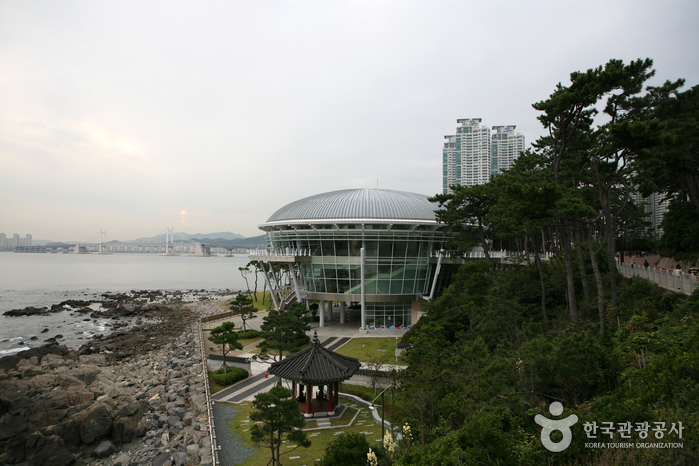
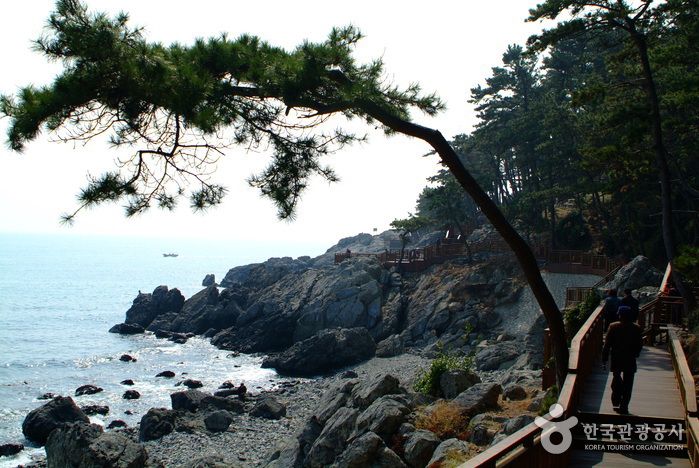
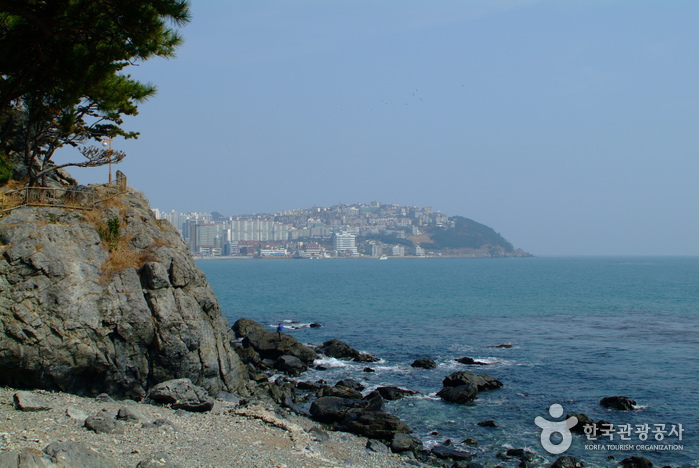
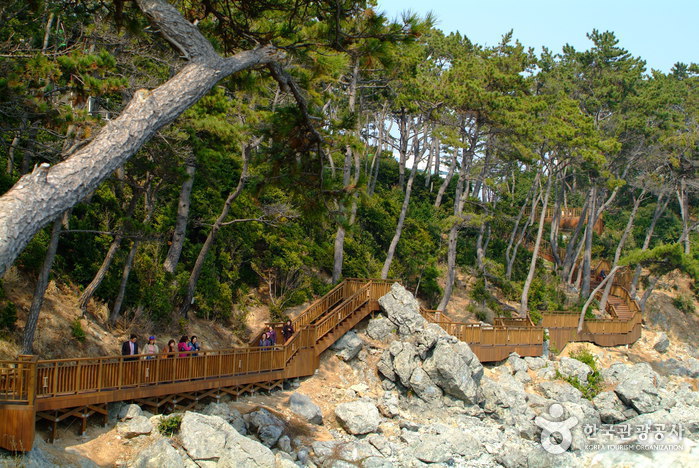
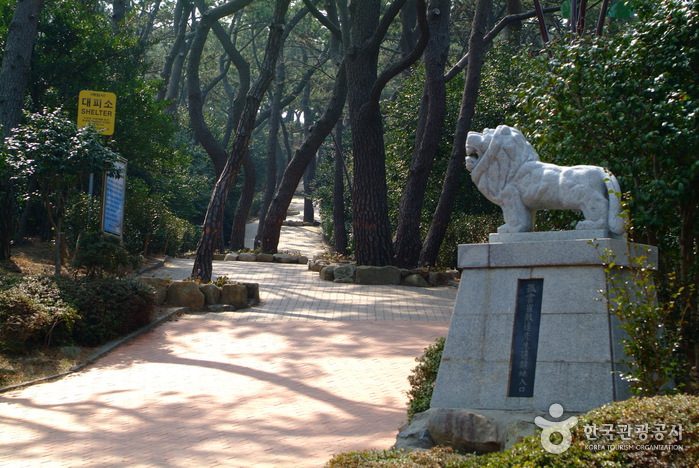
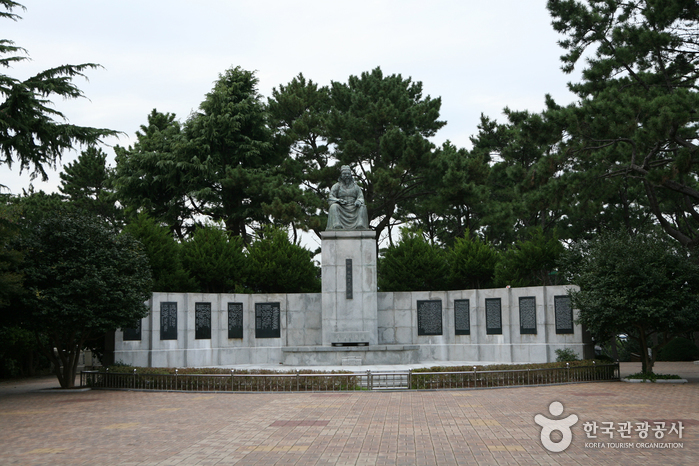
Located near the south end of Haeundae Beach, Dongbaekseom Island was designated as a park in September 1, 1966. The island is full of dongbaek and pine trees and is connected to the main land by a bridge. The island also has a popular walking trail as well as badminton court, benches and restrooms.


Inquiry

+82-51-749-4491


Homepage

tour.haeundae.go.kr


Information Use

Contact and Information : • 1330 Travel Hotline: 82-2-1300
(Korean, English, Japanese, Chinese)
• For more info: +82-51-749-4491

Parking facilities : Available

Day off : N/A (Open all year round)


More information

Restrooms
Available

Admission Fees
Free

Available Facilities
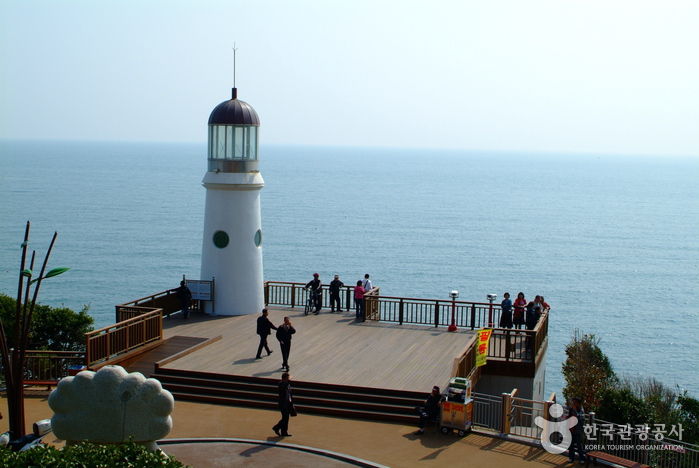
Rest area, walking trail, deck, observatory, Nuri APEC House, cafe, shop

Location

U-dong, Haeundae-gu, Busan

Chungju Ecology Experience Museum (충주자연생태체험관)

Chungju Ecology Experience Museum (충주자연생태체험관)

2026-02-20

260 Jideung-ro, Dongnyang-myeon, Chungju-si, Chungcheongbuk-do

Chungju Ecology Experience Museum is an interactive space designed to foster appreciation for nature through hands-on exhibits, educational programs, and its surrounding natural environment. While geared toward children, it offers a relaxing and engaging experience for visitors of all ages. The complex includes a basement, three above-ground floors, Yonggyo Bridge Ecology Park, and an annex building. The basement features a safe indoor play area with slides and activity equipment. The first and second floors include a screening room for nature documentaries, exhibition halls introducing rare native species and their characteristics, and a collection of ecology-related books.

Chungju Seokjongsa Temple (석종사(충주))

Chungju Seokjongsa Temple (석종사(충주))

2026-02-20

271-56 Jikdong-gil, Chungju-si, Chungcheongbuk-do

Seokjongsa Temple, affiliated with the Jogye Order of Korean Buddhism, is located on the slopes of Geumbongsan Mountain on the outskirts of Chungju. The temple complex includes Daeungjeon Hall, Ohwagak Hall, a bell pavilion, meditation quarters, and several auxiliary buildings. Rather than serving only ordained monks, the temple also provides space for lay Buddhists to stay and practice. Through its Templestay programs, visitors can experience meditation and learn about Buddhism in a quiet setting. The temple also operates a Buddhist college that offers systematic education on the Buddha’s teachings for both practitioners and the general public. In addition, Seokjongsa houses several cultural heritage items, including the Bulseol Sasimijang-gyeong and Incheon Anmok Gweonsang.

Chungjuho Jongdaengi Trail Suspension Bridge (충주호 종댕이길 출렁다리)

Chungjuho Jongdaengi Trail Suspension Bridge (충주호 종댕이길 출렁다리)

2026-02-20

Jongmin-dong, Chungju-si, Chungcheongbuk-do

Chungjuho Suspension Bridge can be reached while walking along Jongdaengi Trail, a scenic lakeside trail around Chungjuho Lake. After passing the second observatory, visitors must climb a steep staircase, often referred to as a “Kkaldakgogae Hill,” leading up to the bridge. From the suspension bridge, one can take in panoramic views of Chungjuho Lake, and many visitors stop here to take photos against the scenic backdrop. Continuing past the bridge and up another set of steep steps leads to a fork in the path toward the forest center and an ecological pond.

Chungju Lake Tour (충주호 유람선)

Chungju Lake Tour (충주호 유람선)

2026-02-20

3827 Worak-ro, Danseong-myeon, Danyang-gun, Chungcheongbuk-do

The best way to enjoy Chungjuho Lake is by taking the Danyangho Cruise. The cruise allows passengers to take in the eight scenic views of Danyang and the surrounding landscapes, often described as resembling a traditional landscape painting, while sailing across the vast Cheongpungho Lake, known as the “inland sea.” Chungjuho Lake, which spans Chungju, Jecheon, and Danyang, has five cruise terminals, with Janghoe Quay being the most popular. Cruises departing from Janghoe Quay offer stunning views of Danyang’s landmarks, including Oksoonbong and Gudambong peaks, Geumsusan Mountain’s Jebibong Peak, and Oksoondaegyo Bridge. The round trip takes approximately one to one and a half hours.

Gunsan Seonyudo Cruise (군산선유도유람선)

Gunsan Seonyudo Cruise (군산선유도유람선)

2026-02-20

37 Seonyubuk-gil, Okdo-myeon, Gunsan-si, Jeonbuk-do

Gunsan Seonyudo Cruise departs from Seonyudo Island and offers a scenic tour around the Gogunsan Archipelago. Two routes (Course A and B) pass landmarks such as Seonyu 1-gil (Gubul-gil), Seonyubong Peak, Mermaid Lighthouse, Dongnimmunbawi Rock, Jangja Halmae Rock, and more. Departure times vary depending on daily weather conditions. Visitors are advised to check the route, date, and schedule in advance, purchase tickets online, and arrive at least 30 minutes early with ID for confirmation and boarding. From the cruise, passengers can enjoy stunning views of Seonyudo Island’s famed “Eight Scenic Views,” including its celebrated sunset and other coastal landscapes.

Gunsan Mallaengyi Village (군산 말랭이마을)

Gunsan Mallaengyi Village (군산 말랭이마을)

2026-02-20

Sinheung-dong, Gunsan-si, Jeonbuk-do

Sinheung-dong began to form as a residential area when Japanese people started building houses in the area around the 1930s and 1940s. During the Korean War, refugees settled in areas such as Haemang-dong and Sinheung-dong, leading to the establishment of the village. At that time, houses were built closely together on wooden planks on top of rocks, and as time passed, the neighborhood became filled with thatched roofs. It was named Mallaengyi Village, derived from the Jeolla dialect meaning "the hillside." Currently, the area is experiencing urban decline due to population outflow, but in 2014, as part of a project to promote representative tourist attractions in Jeonbuk-do, nine artist residences and eight exhibition halls were established, creating a village where over 50 households and seven teams of artists live together harmoniously. Visitors can find murals, photo zones, sound spaces, and other notable attractions throughout the village. A walk up to Wolmyeongsan Mountain offers panoramic views of where the Geumgang River meets the West Sea. The viewpoint is also well known for its beautiful sunsets and nighttime scenery.

Former Main Building of the Gunsan Customs (옛 군산세관)

Former Main Building of the Gunsan Customs (옛 군산세관)

2026-02-20

244-7 Haemang-ro, Gunsan-si, Jeonbuk-do

The Former Main Building of the Gunsan Customs was completed before the start of Japanese colonial rule in 1908, making it a modern government building established by Korea. The customs office was responsible for inspecting and taxing goods entering and leaving Gunsan Port. As the port later became a key route for the export of rice and other resources during the colonial period, the site bears witness to that history of exploitation. Designed by an unnamed German architect, the European-style building was constructed with bricks imported from Belgium. It features ornamental roof tiles, three pointed towers, a brick exterior, and a wooden interior. Its architectural style is similar to that of Seoul Station and the Bank of Korea headquarters. Planned in 1906 and completed on June 20, 1908, it served as the main building of Gunsan Customs office for 85 years until 1993, when a new building was constructed after the adjacent watchtower was demolished. Today, it operates as the Honam Customs Museum, showcasing materials related to customs history, including notable records, film appearances, former customs directors, and the 100-year history of Gunsan Customs.

History Center of Colonial Period of Japan in Gunsan (일제강점기 군산역사관)

History Center of Colonial Period of Japan in Gunsan (일제강점기 군산역사관)

2026-02-20

21 Dongguksa-gil, Gunsan-si, Jeonbuk-do

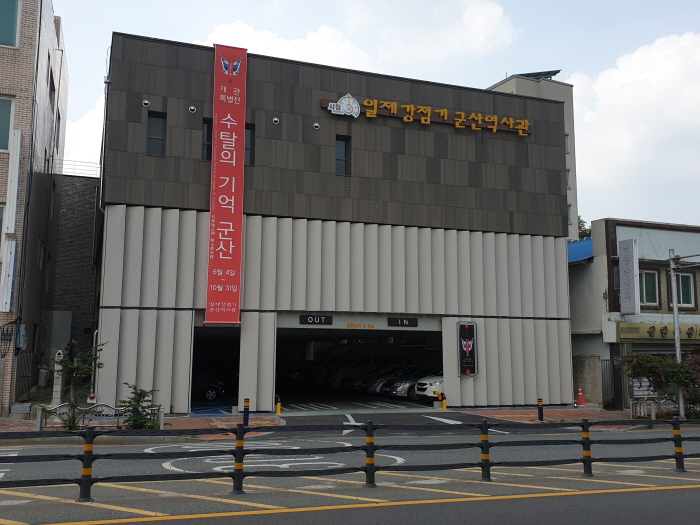
The History Center of the Japanese Colonial Period in Gunsan is dedicated to human rights, peace, and reconciliation. It serves as a place of remembrance, reflecting on the exploitation experienced under Japanese imperial rule in order to help shape a better future. The museum emphasizes interaction among people, artifacts, and historical spaces, as well as active engagement with visitors. Through materials and records spanning from the opening of Gunsan Port to liberation, it seeks to foster dialogue and understanding. By remembering the suffering caused by forced exploitation and working toward healing, the museum aims to transform this painful history into enduring values of human rights and peace through ongoing research, exhibitions, and education.

Sujupalbong Mountain (수주팔봉)

2026-02-20

Salmi-myeon, Chungju-si, Chungcheongbuk-do

Sujupalbong Mountain is located in Hyangsan-ri, Salmi-myeon, Chungju in Chungcheongbuk-do. Though relatively low in elevation, the eight peaks are formed of sharp, rugged rock, giving them a striking and imposing appearance. The name “Sujupalbong,” meaning “eight peaks of suju,” comes from the view across the Dalcheon Stream from Palbong Village in Munju-ri. From that vantage point, the eight peaks appear to rise in a row from the riverbank to the summit. Seen from above, the scenery resembles a traditional East Asian landscape painting. Sheer rock formations such as Songgotbawi Rock, Jungbawi Rock, and Kalbawi Rock stand like blades along vertical cliffs, creating dramatic views.

Suanbo Hot Springs Foot Bath Path (수안보온천 족욕길)

2026-02-20

35 Jujeongsan-ro, Suanbo-myeon, Chungju-si, Chungcheongbuk-do

Suanbo Hot Springs is believed to have flowed naturally since ancient times. Historical records show that it existed as early as the ninth year of King Hyeonjong of Goryeo, and the Annals of the Joseon Dynasty note that King Taejo visited the springs to treat a severe skin condition, highlighting its long history. Today, it is the only hot spring in Korea managed under a centralized system by the city of Chungju, with a strong focus on preserving its natural resources. The spring water, drawn from about 250 meters underground, is mildly alkaline and contains beneficial minerals such as calcium, sodium, fluoride, magnesium, and lithium. Foot baths using Suanbo’s mineral-rich water are known to promote circulation and metabolism, relax tense muscles, relieve fatigue and stress, and support restful sleep.