Hantangang River Resort (한탄강 관광지)

  • Hantangang River Resort (한탄강 관광지)
  • Hantangang River Resort (한탄강 관광지)
  • Hantangang River Resort (한탄강 관광지)
  • Hantangang River Resort (한탄강 관광지)
  • Hantangang River Resort (한탄강 관광지)
  • Hantangang River Resort (한탄강 관광지)
  • Hantangang River Resort (한탄강 관광지)
  • Hantangang River Resort (한탄강 관광지)
  • Hantangang River Resort (한탄강 관광지)
  • Hantangang River Resort (한탄강 관광지)

Explanation

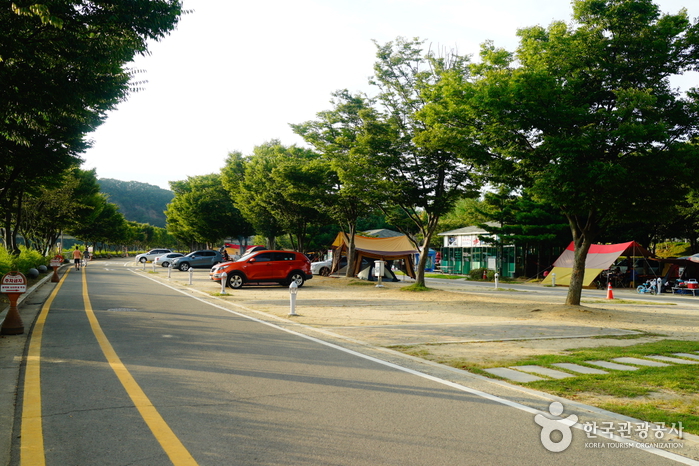
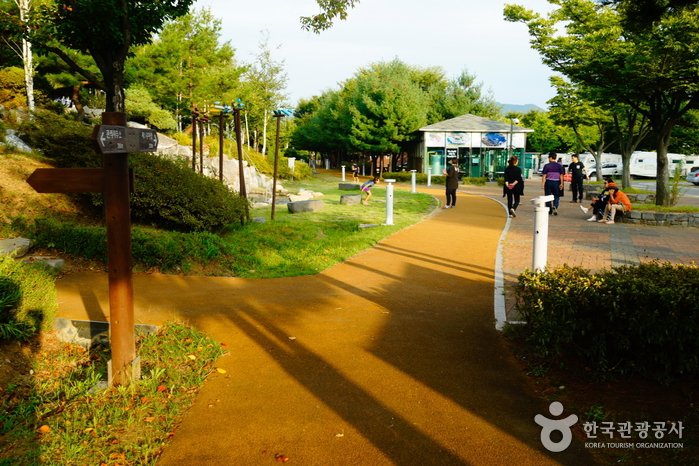
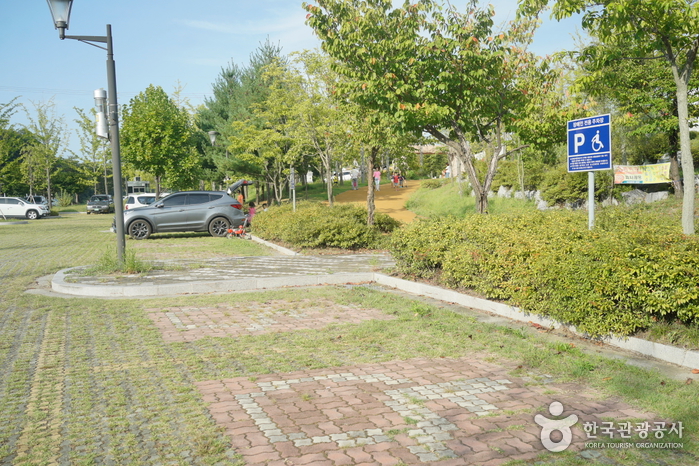
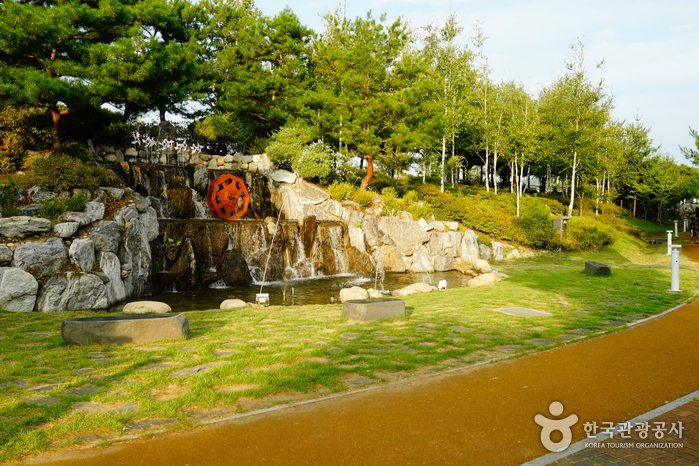
The area surrounding the Hantangang River is filled with countless volcanic rocks from past volcanic activity. These rocks are basaltic, and are commonly called gombo (a face with chicken pox marks) rock because they are covered with small holes that form from air bubbles when volcanic lava cools rapidly. The surrounding scenery of the Hantangang River area is truly breathtaking and is also the site of a famous amusement park. The Hantangang River Resort, located in the lower region of the Hantangang River, stretches along 1.5 kilometers of the river's shore between the Saranggyo Bridge and the Hantangyo Bridge in Jeongok-ri, Yeoncheon-gun. The Hantangang River flows from the Pyeonggang River in North Korea and through through Cheorwon, Pocheon and Yeoncheon and eventually joins the Imjingang River. The river features many scenic points including a large valley with cliffs that consist of many rare rocks. The resort is a great place for rest and relaxation, and has facilities for the whole family, maintaining campsites for cars and motor homes, a dinosaur-themed Children’s Character Park, Children’s Transportation Land, a water park, an ecological pond, and a soccer field. Additionally, the Goseokjeong Pavilion and Sundam Valley are located nearby upstream.


Inquiry

+82-31-833-0030


Homepage

www.hantan.co.kr


Information Use

Contact and Information : • 1330 Travel Hotline: +82-2-1330
(Korean, English, Japanese, Chinese)
• For more info: +82-31-833-0030

Parking facilities : Available

Day off : Monthly maintenance day; the day before, on the day, and the day after Seollal (Lunar New Year’s Day) & Chuseok (Korean Thanksgiving Day)

Hours : Accommodations: Check-in 14:00 / Check-out 11:00
* Caravan, cabin house, car camping site


More information

Admission Fees
Free

Restrooms
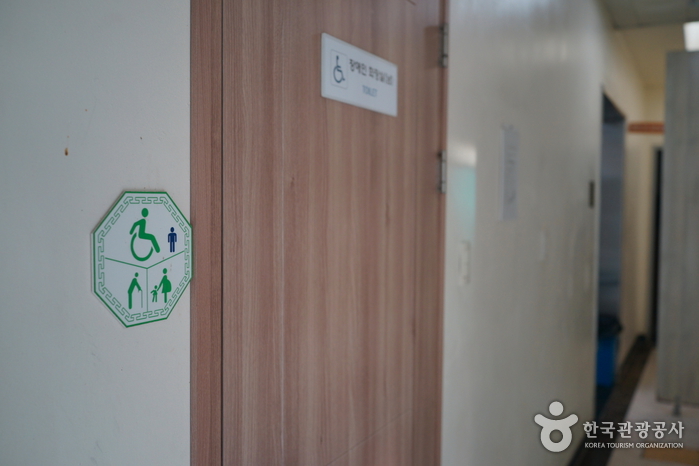
Available

Available Facilities
Car camp site (for 86 cars), caravans (49 caravans), Children’s Character Park, Children’s Transportation Land, walkway, water park, sports facility, outdoor performance hall, floor-level fountain, wall fountain, ecological pond, cascade and inline skate center

Facility Utilization Fees
[Vehicle camping site] 20,000-30,000 won
[Caravan] Small-sized 60,000-100,000 won / Mid-sized 80,000-160,000 won
[Cabin House] Large-sized 100,000-160,000 won

* Facility fees vary by season

Parking Fees
Free

Location

76, Seonsa-ro, Yeoncheon-gun, Gyeonggi-do

Onurui Ttalgi (Today's Strawberry) (오늘의 딸기)

Onurui Ttalgi (Today's Strawberry) (오늘의 딸기)

2026-02-04

348 Yongdong-ro, Yongdong-myeon, Iksan-si, Jeonbuk-do

Located in Iksan, Jeonbuk-do, Onurui Ttalgi is a GAP-certified farm where technology meets traditional harvesting. Run by a young expert in plant protection, the farm uses hydroponics and data-driven methods to grow exceptionally sweet strawberries. One of the most interesting features of this smart farm is the "hanging up-down" bed system, which creates the unique illusion of strawberries descending from the ceiling. The farm is particularly popular for its well-organized programs, which are led by an owner with a background in professional service training. Children can enjoy a "little farmer" experience, harvesting fruit while riding on small electric tillers. Importantly, the farm is designed for inclusivity, with adjustable beds that allow visitors with disabilities or mobility issues to enjoy the picking experience comfortably alongside everyone else.

Daepo Port Original Fried Food Alley (대포항 원조튀김골목)

Daepo Port Original Fried Food Alley (대포항 원조튀김골목)

2026-02-02

55 Daepohanghuimang-gil, Sokcho-si, Gangwon-do

Daepo Port Original Fried Food Alley, located about a 10-minute drive from Sokcho downtown, is known for its fresh seafood fritters and local snacks. The stalls offer offers a wide variety of deep fried foods, using all-time-favorite ingredients like shrimp, crab, fried peppers, perilla leaves, sweet potatoes. In addition to deep fried dishes, visitors can also find local treats like port-style squid sundae and original dishes like sweet and spicy braised shrimp. Standing out among the surrounding seafood markets and hoe restaurants, the alley has become a popular spot, especially with younger visitors.

Dongmyeong Port Pojangmacha Alley (동명항 포장마차 거리)

Dongmyeong Port Pojangmacha Alley (동명항 포장마차 거리)

2026-02-02

13 Yeongnanghaean 1-gil, Sokcho-si, Gangwon-do

Dongmyeong Port, one of Sokcho’s major attractions, is lined with seaside pojangmacha (street food stalls) where visitors can enjoy fresh sliced raw fish and a variety of seafood while taking in ocean views. Located about a 10-minute walk from the Dongmyeong Port Hoe Center, the stalls offer seasonal menus that may include assorted seafood, snow crab, grilled ribs, grilled mackerel stew, shellfish, and crustaceans. With its relaxed atmosphere and beachside setting, it is a popular spot for drinks and evening strolls, especially among travelers seeking a romantic seaside experience.

Jochiwon Theme Street (조치원테마거리)

Jochiwon Theme Street (조치원테마거리)

2026-02-02

10-8 Jangan-ro, Jochiwon-eup, Sejong-si

Created by young people, local residents, and merchants, this retro-inspired area finds value in history and culture within the traditional market. Though modest in appearance, it brings together small talents to revive the lively alleys of the past, contributing to the revitalization of Sejong Traditional Market and the preservation and promotion of ten local cultural resources in Sejong City.

Sejong Central Park (세종중앙공원)

Sejong Central Park (세종중앙공원)

2026-02-02

60 Junganggongwon-ro, Sejong-si

Sejong Central Park spans 1.38 million square meters and offers a relaxing green space filled with diverse plants and themed gardens. Opened in phases starting in November 2020, the park features plazas, family leisure and arts forests, and extensive water elements such as ponds, a musical fountain, and cooling mist. With observation decks, visitor facilities, and over 12 sports amenities, including baseball, soccer, and basketball, the park supports both rest and active leisure in harmony with nature.

Metasequoia Road (메타세콰이어길)

Metasequoia Road (메타세콰이어길)

2026-02-02

Cheongnyong-ri, Uidang-myeon, Gongju-si, Chungcheongnam-do

Created in 2011 within Jeongancheon Ecological Park in Cheongnyong-ri, Uidang-myeon, this Metasequoia Road has become one of Gongju’s beloved green attractions. A 500-meter stretch lined with 192 towering metasequoia trees offers beautiful scenery in every season, making it a favorite spot for visitors year-round. Jeongancheon Ecological Park itself is a community-built space, thoughtfully created by local residents, and is seamlessly connected to Geumgang Singwan Park and Geumgang Ssangsin Park—perfect for a leisurely walk along the river.

Maljae Farm (말재 농원)

Maljae Farm (말재 농원)

2026-01-30

209 Matigogae-ro, Banpo-myeon, Gongju-si, Chungcheongnam-do

Maljae Farm is a chestnut experience farm located in Gongju, a region historically known for chestnut cultivation. Open during the harvest season from late August to mid-October, the farm offers chestnut gathering, roasting activities, and outdoor camping. Its terraced layout allows for comfortable participation by visitors of all ages. Nearby attractions include Gyeryongsan National Park, Seokjangni Museum, and the Tomb of King Muryeong.

Magoksa Natural Pine Forest Trail (마곡사 천연송림욕장)

Magoksa Natural Pine Forest Trail (마곡사 천연송림욕장)

2026-01-29

Magoksa-ro, Sagok-myeon, Gongju-si, Chungcheongnam-do

Located on Taehwasan Mountain at the head temple of the 6th District of the Jogye Order of Korean Buddhism, this trail is a dedicated "forest bathing" destination within the historic, millennium-old Magoksa Temple grounds. As the mountain is primarily comprised of Korean Red Pines, the trail serves as a wellness course where visitors can fully enjoy the therapeutic benefits of a red pine forest, which is widely considered the finest environment for forest bathing. The hiking route spans 5 kilometers along the ridges of Taehwasan Mountain, weaving through stands of 5- to 10-year-old red pines that surround the temple. The total trekking time is approximately 2 hours and 30 minutes. Starting from the entrance of Eunjeogam Hermitage in front of the main Daeungjeon Hall, the trail loops around the temple grounds, passing through Hwalinbong Peak (423 m) and Nabalbong Peak (417 m). With its gentle slopes, the course is well-suited for all ages, including children and the elderly.

Duiungbak Village (뒤웅박고을)

2026-02-02

90-43 Baeil-gil, Jeondong-myeon, Sejong-si

Duiungbak Village is a traditional sauce–themed park dedicated to preserving the healthy food culture passed down by generations of mothers. Named after "duiungbak," a container once used to store seeds for the next year’s harvest, the village showcases over 130 earthenware artifacts in its traditional sauce museum, including jang (fermented sauce or paste) starters and fermentation jars made in the 1950s by the founder’s mother. Visitors can explore the sauce-making process through exhibits and tools, enjoy course meals featuring traditional sauces, and purchase a variety of sauces at the on-site shop.

Jemincheon Stream (제민천)

2026-01-30

201 Muryeong-ro, Gongju-si, Chungcheongnam-do

Jemincheon Stream is a living ecological stream that flows through the heart of Gongju, beginning in Geumhak-dong and joining the Geumgang River at Geumseong-dong. Restored through an ecological stream development project, it now features walking paths, natural-style paving, waterfront green spaces, and rest areas, creating a pleasant place for both residents and visitors. As an urban stream, it also serves as a cultural space where history, stories, nature, and people come together, offering a welcoming waterside environment for everyday relaxation.