
Universidad de Sogang (서강대학교)
11.3Km 2023-07-03
Baekbeom-ro 35, Mapo-gu, Seúl.
La Universidad de Sogang es una institución privada de Corea que fue fundada con base religiosa católica y jesuita. Las carreras profesionales presentan un currículum adaptado perfectamente a los estudiantes. En sus alrededores se encuentran la Universidad de Yonsei y la Universidad Femenina de Ehwa, y junto con ellas, esta es considerada como una de las casas de altos estudios más prestigiosas de Corea.
Mallijihwa Main Branch (만리지화 본점)
11.3Km 2025-11-27
17, Jong-ro 3-gil, Jongno-gu, Seoul
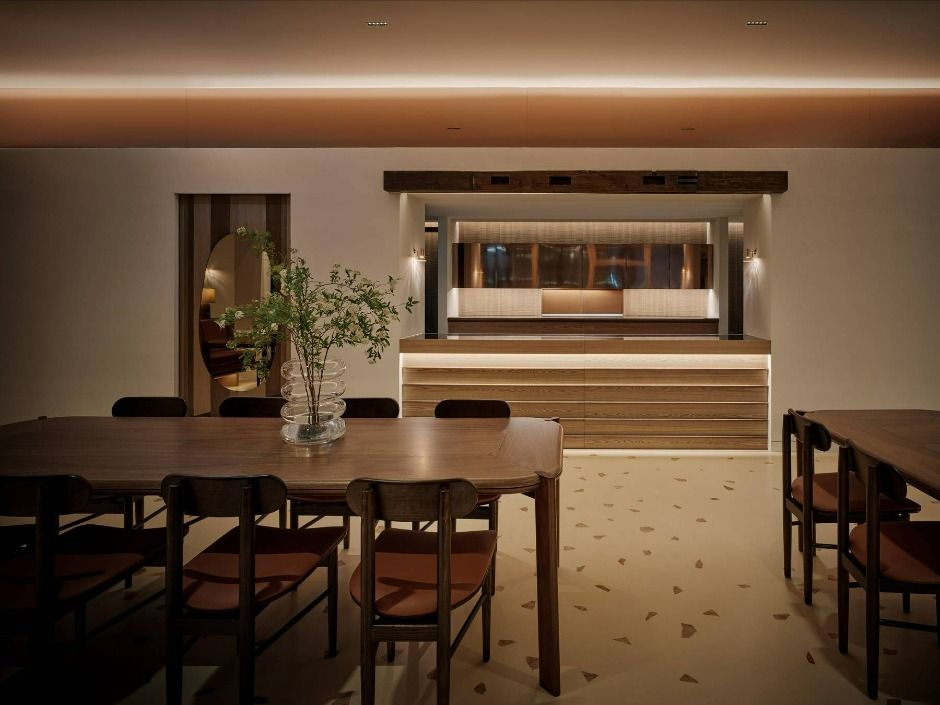
Mallijihwa, which embodies the meaning "eel that travels 10,000 ri and met fire," is an eel dining brand that modernizes the depth of Korean gastronomy. The restaurant's name was inspired by the eel's remarkable strength to swim across vast oceans to its spawning grounds—so significant that it is referred to as "malli fish" in the "Donguibogam" ("A Precious Mirror of Eastern Medicine"). Hence the name, Mallijihwa specializes in serving grilled eel, which is carefully grill with briquettes. The restaurant reinterprets eel with Korean aesthetics, offering a comfortable and elegant dining experience in a space that blends traditional architectural elements with a modern twist. The dishes served here offers an outstanding dining experience where the texture of the eel melts in one's mouth, and its flavor lingers long after. Signature dishes include grilled eel rice bowls, grilled eel, eel gujeolpan (platter of nine delicacies), and eel meal courses. The restaurant also offers seasonal lunch box made with fresh, seasonal ingredients.
Modern Shabu House Gwanghwamun D Tower Branch (모던샤브하우스 광화문D타워점)
11.3Km 2025-12-03
17, Jong-ro 3-gil, Jongno-gu, Seoul
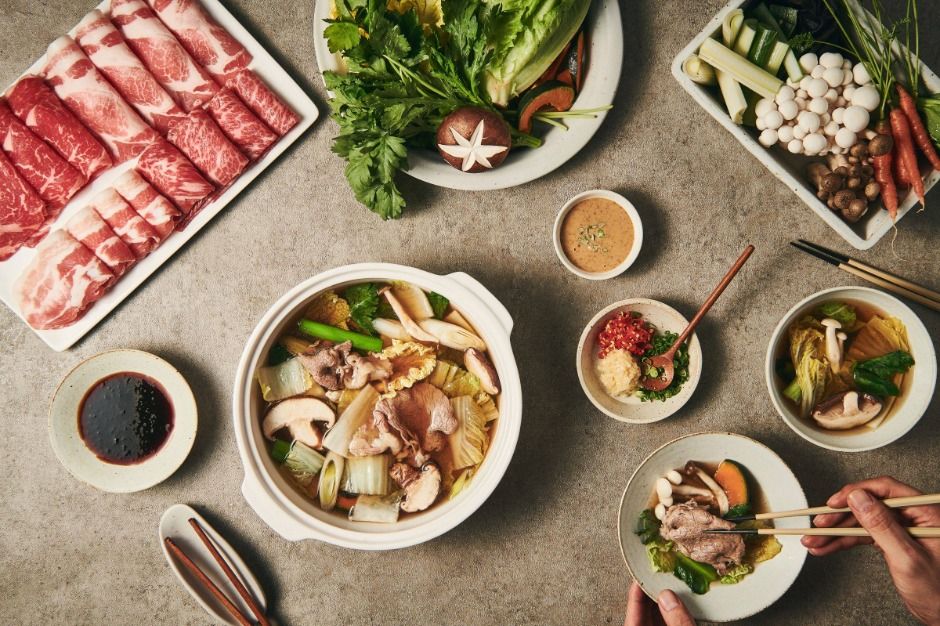
Located in Jongno-gu, Modern Shabu House Gwanghwamun D Tower Branch offers a selection of specialty broths to enjoy unlimited beef, pork, and vegetables. The restaurant serves four cuts of pork and beef in every course. The interior is designed with natural materials like earth, stone, and wood, inspired by the fluid process of cooking ingredients like meat and vegetables in a pot. The design reflects the natural movement and flow of ingredients as they cook together. The restaurant also has a range of private rooms, making it a popular choice for families with children and for gatherings, providing a comfortable dining experience.
Sarangchae (사랑채)
11.3Km 2025-05-14
6, Insadong 16-gil, Jongno-gu, Seoul
Sarangchae is located in Insa-dong, one of the most famous neighborhoods visited by tourists. Majority of the restaurant's customers are foreigners, and they offer reasonably priced Korean dishes that are highly popular among foreign visitors.
Masichaina (맛이차이나)
11.3Km 2025-05-16
68, Dongmak-ro, Mapo-gu, Seoul
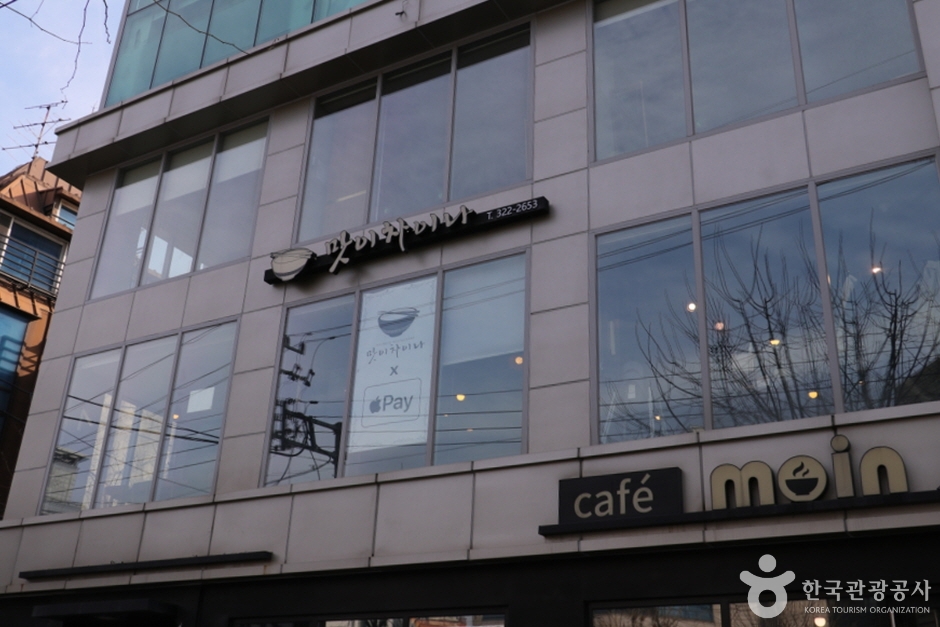
Opened by a former chef of a famous Hotel, Masichaina serves a hotel-style Chinese dining. The open kitchen style allows patrons to watch their meals being prepared. Cusotmers can choose set menus A, B, or C that include dishes such as tangsuyuk (deep-fried pork with sweet and sour sauce), cream sewoo (shrimp with cream sauce), paobochae (stir-fried seafood and vegetables), and haemul nurungji tang (scorched rice soup with seafood).
Pabellón Jungmyeongjeon (중명전)
11.3Km 2024-12-23
Jeongdong-gil 41-11, Jung-gu, Seúl.
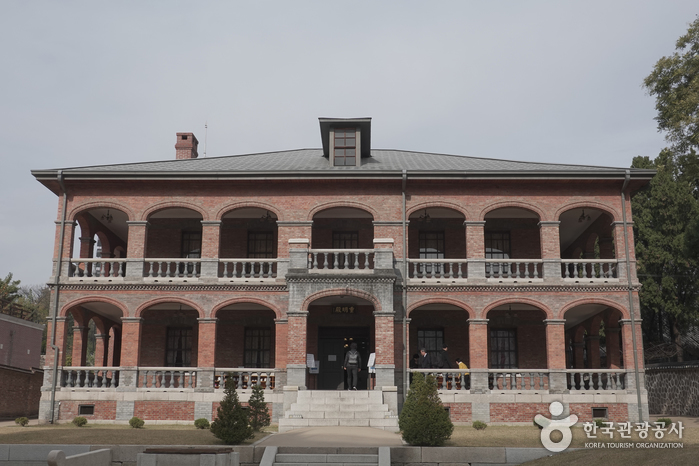
Este sitio histórico se encuentra ubicado por detrás del palacio Deoksugung, cerca del Teatro Jeongdong. Fue la biblioteca real, construido durante el período 1897-1901, por el arquitecto ruso Seredin Sabatin, y consta de 3 pisos en total y es de estilo occidental. Su nombre original fue Suokheon. Después del incendio del palacio Deoksugung en el año 1904, fue utilizado como la oficina administrativa del rey y la sala de audiencia de las delegaciones extranjeras, y también fue el lugar trágico en donde se firmó el Tratado de Eulsa (tratado desigual en el que Corea fue ocupada y declarada protectorado japonés).
En un principio, el pabelló Jungmyeongjeon formaba parte del palacio Deoksugung, pero con el levantamiento del muro de piedra (conocido como el “Doldamgil de Deoksugung”), dejó de serlo. Es una de las primeras construcciones contemporáneas de Corea, pero por el incendio de 1925, solo ha quedado en pie la pared del edificio. Después de la independencia del dominio japonés (15 de agosto de 1945), ha tenido varios usos y dueños diferentes, hasta que en septiembre del 2006, el derecho de propiedad del inmueble pasó a la Administración de Patrimonios Culturales, y finalmente, en febrero del 2007, fue declarado Sitio Histórico Nº 124.
Museo de Arte Ilmin (일민미술관)
11.3Km 2021-03-18
Sejong-daero 152, Jongno-gu, Seúl
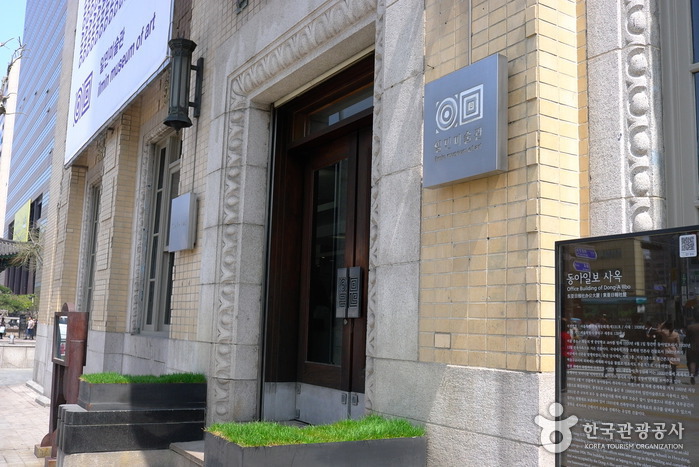
Este museo está administrado por la Fundación Cultural Ilmin, y fue establecido en homenaje al maestro Kim Sang-man (fundador y presidente honorario del periódico The Dong-A Ilbo), quien se esforzó durante toda su vida para fomentar el desarrollo mediático y cultural.
Se encuentra ubicado en el interior del antiguo edificio del periódico The Dong-A Ilbo. Se inauguró como un centro cultural y en diciembre de 1996 bajo el nombre de Museo de Arte Ilmin. En 2001, se realizó una renovación, y en febrero de 2002, con la construcción de 2 grandes salas de exposición, tomó el aspecto actual.
El atrio del museo, que está diseñado con vidrios y acero, conecta la calle Gwanghwamun-ro con el interior del museo. Su elegancia contemporánea demuestra el desarrollo del lugar. Al mismo tiempo, es utilizado como el lugar en donde los visitantes reciben el servicio informático necesario para recorrer el museo con facilidad. En este lugar artístico podrá encontrar la Colección Ilmin, que tiene 430 piezas artísticas que corresponden a las épocas de Goryeo hasta la actualidad, 1.200 obras consignadas por el periódico, y 100 piezas de pintura contemporánea. La Colección Ilmin está compuesta por pinturas, piezas de cerámica, etc., recolectadas por el fundador, piezas que habían sido incorporados en los periódicos y revistas de la misma compañía.
Balwoo Gongyang (발우공양)
11.3Km 2025-05-29
56 Ujeongguk-ro, Jongno-gu, Seoul
Balwoo Gongyang, located in front of the main gate of Jogyesa Temple, is a temple food restaurant operated by the Cultural Corps of Korean Buddhism. It was selected as a 1-star restaurant by the Michelin Guide for three consecutive years from 2017 to 2019 and it is so popular that reservations must be made a month in advance. “Balwoo” refers to meals for monks and it means that the act of eating is also a process to realizing the truth. The restaurant offers five types of course menus inspired by Buddhist teachings that are served in the order of Suljuksim, Juksang, Sangmi (嘗味), Dammi (噉味), Seungso (僧笑), Youmi (愈味), and Ipgasim. The menu is made with seasonal ingredients to bring out the best flavor of each season. The course meal starts with appetizing kimchi stew according to the traditional Korean meal culture. Then it is followed by porridge, seasonal salad, rice and stew, side dishes, tea, and dessert, satisfying both the taste buds and health. Those who wish to experience an authentic temple meal are recommended to try the Beop Course.
Centro de Información de Estancias en Templos (템플스테이 홍보관)
11.3Km 2022-09-28
Ujeongguk-ro 56, Jongno-gu, Seúl
El centro es un complejo cultural de cinco plantas donde se encuentran la mayoría de oficinas responsables de las estancias en templos, centros de información, centros educativos, un restaurante de comida budista tradicional llamado Balwoo Gongyang, entre otros.
Nwijo (뉘조)
11.3Km 2024-11-28
27, Insadong 14-gil, Jongno-gu, Seoul
+82-2-730-9311
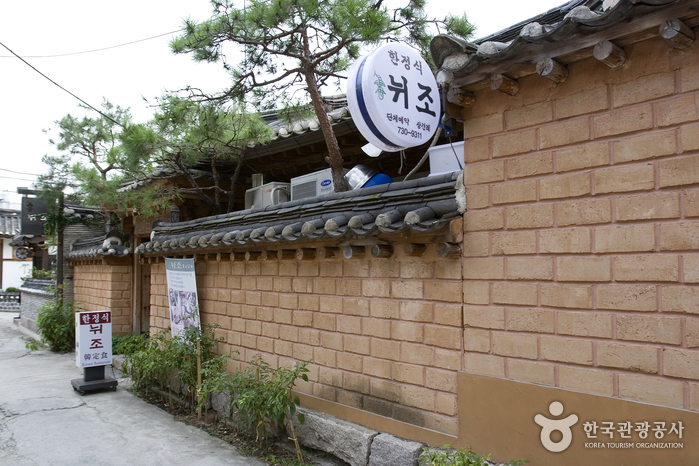
Nwijo (뉘조) is a Korean restaurant specializing in wild vegetable cuisine. The name ‘Nwijo’ means ‘the god of the silkworm,’ and likens wild vegetables to silkworms in that both can be eaten in their entirety. The restaurant serves original full-course Korean meals that are prepared using hundreds of kinds of wild vegetables, including special seasonal vegetables.
A typical full-course meal starts with delicious pumpkin porridge, followed by seasoned wild vegetables, root vegetable ssam (condiments wrapped in vegetable leaves), slices of boiled meat, and steamed lotus leaf-wrapped rice served with jjigae (Korean stew) and various side dishes. This kind of traditional feast is pleasing to both the eye and the palate and is topped off with sikhye (traditional sweet rice drink). Lunch specials are also available.
 Español
 한국어
한국어 English
 日本語
日本語 中文(简体)
 Deutsch
 Français
 Русский


