
Tiendas Departamentales Galleria (Pabellón de Artículos de Lujo) (갤러리아백화점 명품관)
9.6Km 2024-02-20
Apgujeong-ro 343, Gangnam-gu, Seúl.
Las Tiendas Departamentales Galleria son famosas por sus artículos de lujo, cultivando una imagen de centro comercial de alta categoría. Se encuentran en el barrio de Apgujeong-dong, una de las áreas más ricas y de la ciudad de Seúl. Las principales tendencias de la moda de lujo pueden verse en este complejo y en sus alrededores, ya que hay cafeterías, bares y restaurantes de elegante diseño. Puede ser un paseo especial para quienes disfrutan de las compras.
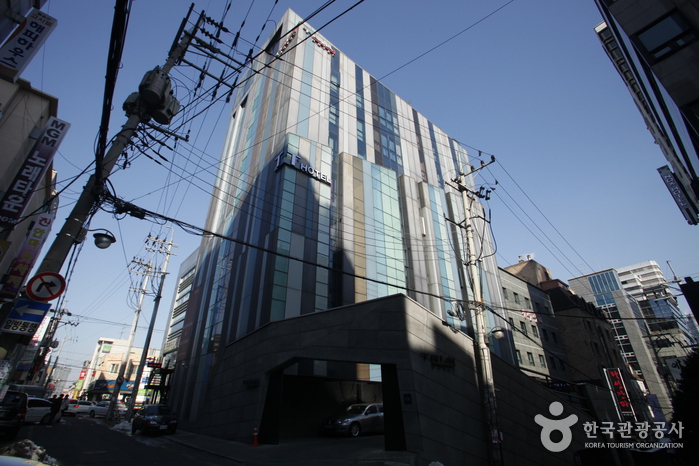
Tria Tourist Hotel (트리아 관광호텔)
9.7Km 2025-07-28
16, Teheran-ro 33-gil, Gangnam-gu, Seoul
Tria Hotel is conveniently located in Yeosam-dong, the center of business and transportation in Seoul. The hotel caters towards guests wishing to enjoy a high-end lifestyle. The hotel interior follows the trends of Europe, featuring pop art and other interesting accents similar to those found in boutique hotels.
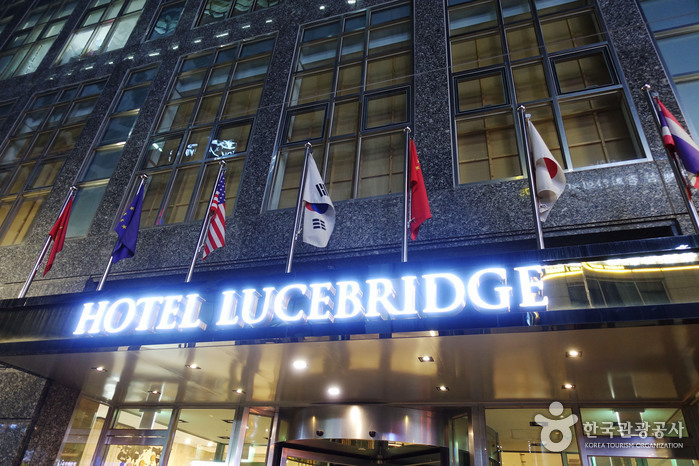
The First Stay Hotel (더퍼스트스테이 호텔)
9.7Km 2025-07-23
23, Magokdong-ro 4-gil, Gangseo-gu, Seoul
The First Stay Hotel, located in Magok-dong, Gangseo-gu, Seoul, is chosen by many frequent business trippers as well as domestic and foreign travelers because of its modern styling, practical prices, and convenient transport links. Gimpo Airport is 10 minutes and Incheon International Airport just 30 minutes away, while subway and bus stops are within a 5-minute walk. The hotel has ample parking space, and self-catering is possible in some rooms.
Sushi Hyo Cheongdam (스시효 청담)
9.7Km 2025-05-15
25, Seolleung-ro 146-gil, Gangnam-gu, Seoul
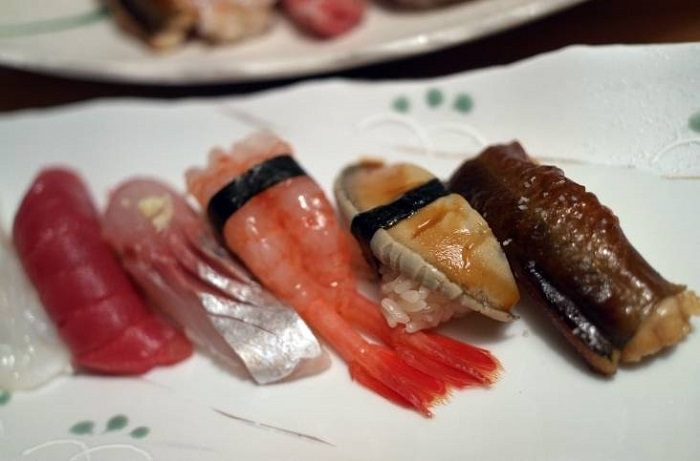
The chef featured in the cartoon “Mr. Sushi” does the cooking. This restaurant's signature menu is sushi. This Japanese (cuisine) restaurant is located in Gangnam-gu, Seoul.
Hyehwa1938 / 혜화1938
9.7Km 2025-08-12
7, Sungkyunkwan-ro 16-gil, Jongno-gu, Seoul
+82-10-7107-1752
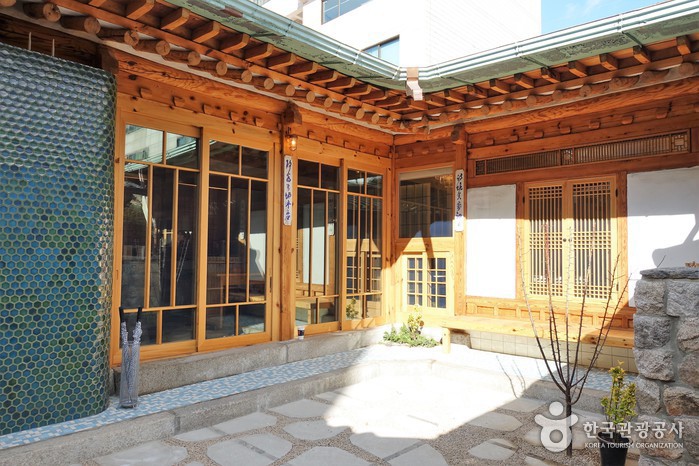
Located in (no suggestions)-dong of Seoul, Hyehwa 1938 is a lodging facility which is based on the remodeling of an 80-year- old traditional Korean house. A traditional Korean house expert initially wanted to use it as an office but later decided to turn it into a guest house due to its large size. As a result, the unique beauty of traditional Korean house was revived while improving practicality. The Woojeong room and Sarang room are now resized to accommodate max 8 persons which used to be only max 4 in the past. Despite the remodeling, the aura and atmosphere of the traditional Korean house is well preserved. Inside the room, you can see that the chandelier of the rich house in the '30s are accompanied by modern furniture and electronics which maintain unique harmony. Open the windows to see sansuyu and maehwa along with other various seasonal trees with beautiful colors and also the space such as edges and sewers are well arranged to avoid any discomforts with your eyesight. The heart of architecture offers only two rooms for guests, and you are all welcome to enjoy the true beauty of Korea.
Gungnara Naengmyeon Mukbap (궁나라냉면묵밥)
9.8Km 2025-08-01
6, Jibong-ro 12-gil, Jongno-gu, Seoul
Gungnara Naengmyeon Mukbap originally opened in Ansan, serving up delicious meals of naengmyeon and mukbap. The restaurant became popular, and eventually moved to its current location in Seoul. The jiggly acorn jelly goes well wit the sweet and sour broth in mukbap, a favorite summer-time dish. Visitors can also order the dish with a warm broth for a delicious and healthy dish year round.
Templo Myogaksa (묘각사)
9.9Km 2021-02-04
Jongno 63-gagil 31, Jongno-gu, Seúl.
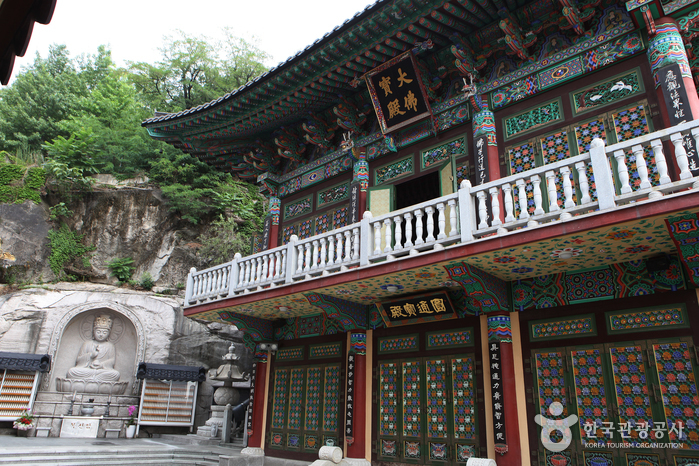
El templo Myogaksa se localiza en la ladera oriental del monte Naksan, en Sungin-dong, Jongno-gu, Seúl. Construido por el monje Taeheo en mayo de 1930, se ha expandido hasta tener dos renovaciones. La ubicación del templo se basa en los principios del feng-shui (pungsu en coreano), que dictamina que un templo construido en este sitio traerá paz y comodidad a los habitantes de Seúl. El complejo del templo Myogaksa tiene un Santuario Deabul (Gran Buda), un santuario budista Wontong, un pabellón de oraciones Nakga, una Gruta Seokguram, un Pabellón del Espíritu de la Montaña (Sansingak), etc. Los santuarios Deabul y Wontong son magníficas obras de arte arquitectónico budista. La estatua de Buda, ubicada en la Gruta Seokguram, fue contruida alrededor del siglo IX o principios del siglo X, y es un tesoro nacional. La estatua Maebul, también en este templo, fue tallada de los acantilados de roca del monte Naksan y es un patrimonio cultural de la ciudad de Seúl.
Desde la Copa del Mundo de 2002, el templo Myogaksa lleva adelante un programa de estancia en templo, y es un maravilloso lugar donde los turistas pueden escapar del bullicio de Seúl y sentir la serenidad del budismo.
Little & Much (리틀앤머치)
9.9Km 2026-01-05
49, Hakdong-ro 56-gil, Gangnam-gu, Seoul
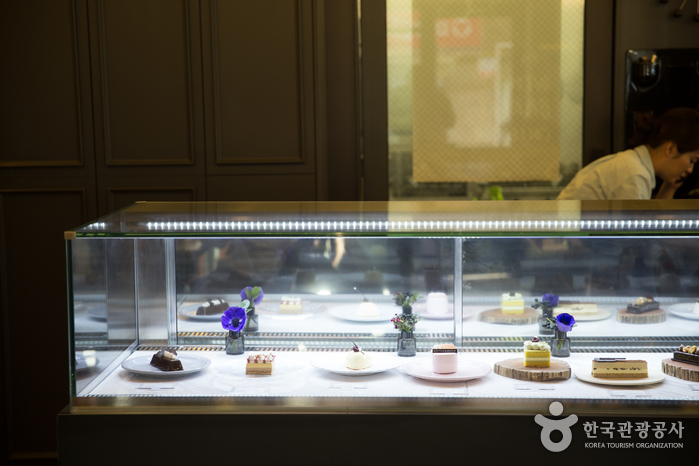
Little & Much is a dessert cafe that offers flavorful desserts operated by a married patiserrie couple. A variety of cakes are available along with coffees and teas.
Río Hangang (한강)
9.9Km 2021-01-28
Gangbyeonbuk-ro 257, Seongdong-gu, Seúl
+82-2-120
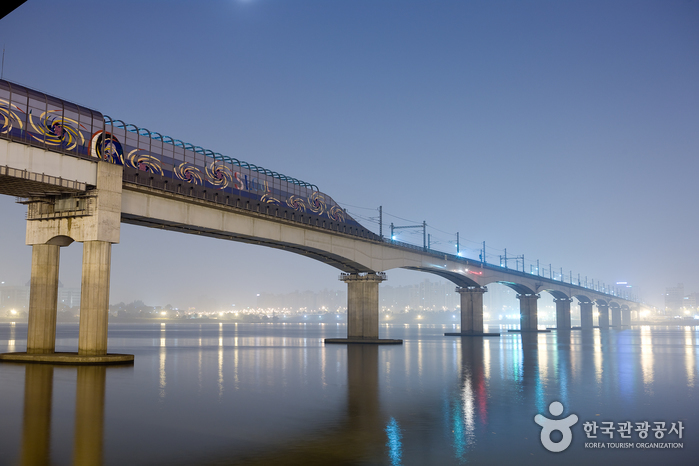
Fluyendo sus aguas por la parte central de la península coreana, el río Hangang nace en Gangwon-do y sigue su recorrido por Chungcheongbuk-do, Gyeonggi-do, pasando por Seúl hasta llegar al mar Amarillo. El río ha sido testigo de los buenos y malos momentos de la historia de Corea por más de 5.000 años. Los parques alrededor de la ciudad son un buen espacio de recreo para los ciudadanos de la capital.
El río Namhangang (río Hangang del Sur), la mayor fuente del río principal, nace en la ciudad de Taebaek, en la provincia de Gangwon-do. Sus aguas fluyen dirección norte hasta el arroyo Goljicheon en Samcheok y siguen por la presa Gwangdong hasta llegar al arroyo Songcheon.
El arroyo Songcheon nace en el monte Hwangbyeongsan (1.407 m), en Jeongseon-gun, y fluye hasta el río Joyanggang. Después de juntarse con el arroyo Odaecheon, sigue dirección sur hasta llegar al río Donggang, que acaba juntándose con el río Seogang. Una vez junta sus aguas con el arroyo Dalcheon en la ciudad de Chungju, el río Seomgang y el río Cheongmicheon se unen con los arroyos Yanghwacheon, Bokhacheon y Heukcheon hasta que finalmente forman un solo río con el Bukhangang (río Hangang del Norte).
Suyeonsanbang (수연산방)
10.0Km 2024-07-19
8, Seongbuk-ro 26-gil, Seongbuk-gu, Seoul
Suyeonsanbang, a traditional Korean tea house located in Seongbuk-dong, was originally the house where the late Korean author Lee Tae-Jun wrote many of his books. Now, his estate has opened Suyeonsanbang’s doors to the public in the form of a charming and peaceful tea house. Famous for its savory tea, beautiful nature, and rich history, Suyeonsanbang has been covered by a variety of foreign media outlets like NHK (Japan), BBC (UK), French TV channels, and numerous Japanese magazines. To take a break during the summer heat, visitors come to Suyeonsanbang to try their patbingsu (shaved ice with red beans), one of its summer specialties. So come relax and be inspired in this traditional Hanok tea house.
 Español
 한국어
한국어 English
 日本語
日本語 中文(简体)
 Deutsch
 Français
 Русский


