Santuario Munmyo y Complejo Sungkyunkwan en Seúl (서울 문묘와 성균관)
3.7Km 2021-06-24
Sungkyunkwan-ro 31, Jongno-gu, Seúl.
+82-2-760-1472
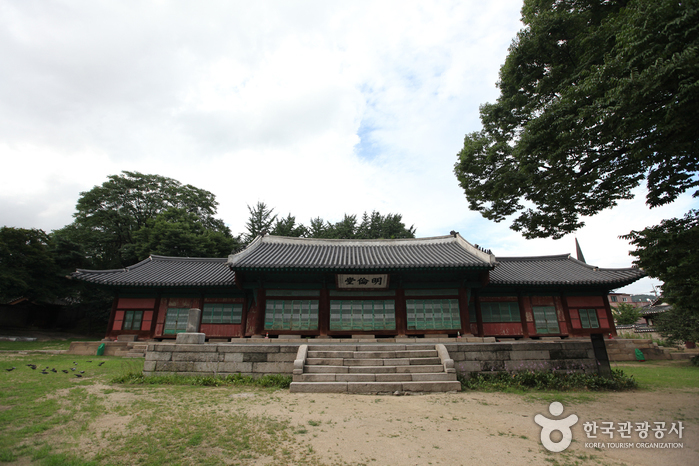
Munmyo es un santuario en honor a Confucio, cuyas enseñanzas son la base del confucionismo. Está dedicado a sus discípulos y a otros eruditos también. Munmyo no solo es un santuario sino que también fue la institución educativa más importante de la dinastía Joseon.
El complejo contiene dos áreas principales: el Daeseongjeon, que alberga santuarios; y el Myeongryungdan, que tiene salones para seminarios y otras instalaciones. También hay dos dormitorios, Dongjae y Seojae, que en conjunto se denominan Sungkyunkwan. Frente al Myeongnyundang se yergue un gingko que es Monumento Natural N°. 59. En primavera y otoño se celebra un rito conmemorativo en honor de Confucio y sus discípulos.
Hyehwa1938 / 혜화1938
3.7Km 2025-08-12
7, Sungkyunkwan-ro 16-gil, Jongno-gu, Seoul
+82-10-7107-1752
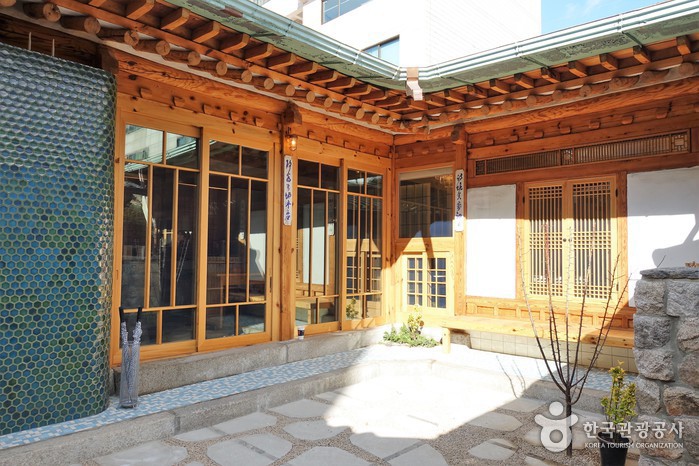
Located in (no suggestions)-dong of Seoul, Hyehwa 1938 is a lodging facility which is based on the remodeling of an 80-year- old traditional Korean house. A traditional Korean house expert initially wanted to use it as an office but later decided to turn it into a guest house due to its large size. As a result, the unique beauty of traditional Korean house was revived while improving practicality. The Woojeong room and Sarang room are now resized to accommodate max 8 persons which used to be only max 4 in the past. Despite the remodeling, the aura and atmosphere of the traditional Korean house is well preserved. Inside the room, you can see that the chandelier of the rich house in the '30s are accompanied by modern furniture and electronics which maintain unique harmony. Open the windows to see sansuyu and maehwa along with other various seasonal trees with beautiful colors and also the space such as edges and sewers are well arranged to avoid any discomforts with your eyesight. The heart of architecture offers only two rooms for guests, and you are all welcome to enjoy the true beauty of Korea.

Insadong Chatjip (인사동찻집)
3.7Km 2025-06-24
33-1, Insadong-gil, Jongno-gu, Seoul
Insadong Chatjip is a hanok teahouse that serves home-made traditional tea. Even the red beans used in the summer delicacy patbingsu
LoL Park (롤파크)
3.7Km 2024-04-23
Jongno-ro 33, Jongno-gu, Seúl
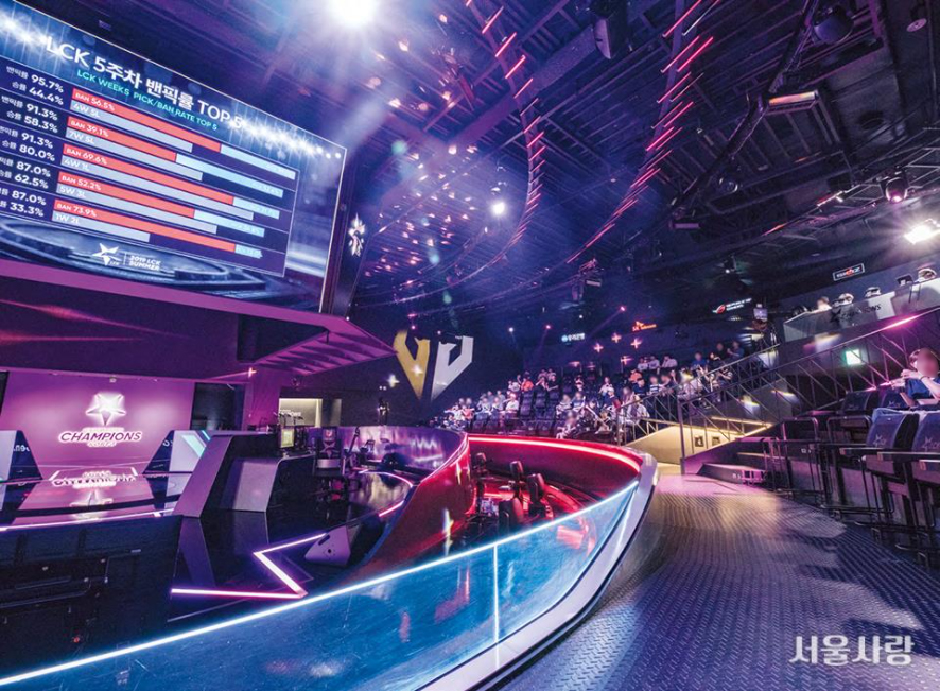
El LoL Park es el lugar donde se lleva a cabo la competencia LCK (League of Legends Champions Korea), que es la competencia de este videojuego de mayor escala en Corea. Sirve como espacio para diversos eventos y actividades relacionadas con los deportes electrónicos y cuenta con asientos para los espectadores. Entre otras instalación, también están el LCK Arena, la tienda de artículos relacionados Riot Store, salas de computadoras (PC-bang, en coreano) y un café. Desde su lanzamiento en diciembre de 2011, este videojuego perteneciente al género "multijugador de arena de batalla en línea" (MOBA, por sus siglas en inglés) de Riot, se ha convertido en uno de los más populares de todo el mundo. En agosto de 2019, alcanzó el récord de tener 8 millones de jugadores conectados al mismo tiempo en todo el mundo.
Aank Hotel & Spa Jongno Unni Branch (아늑호텔 앤 스파 종로운니점)
3.7Km 2025-04-25
89, Donhwamun-ro 11ga-gil, Jongno-gu, Seoul
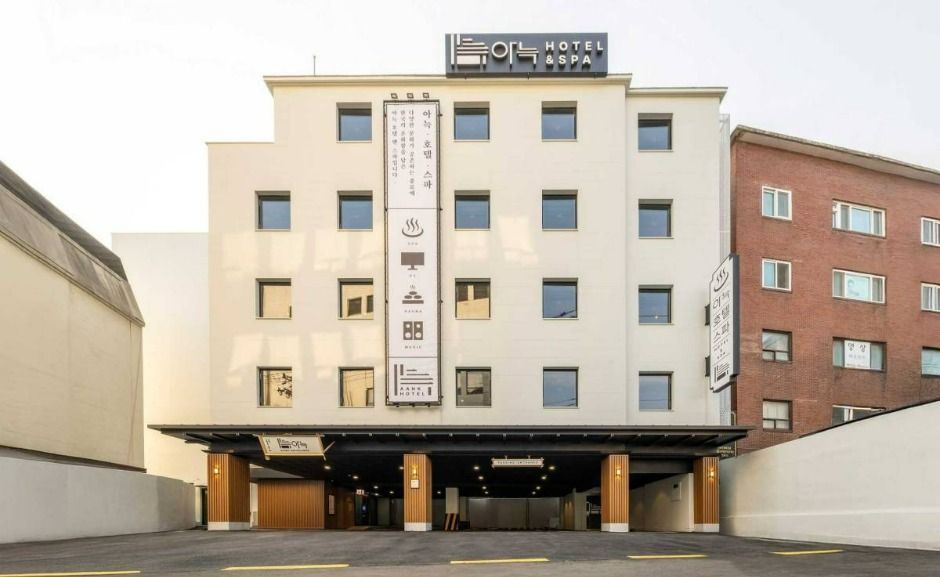
Aank Hotel & Spa Jongno Unni Branch embodies the warmth and charms of Korea. Guests are welcome to unwind with diverse room options to choose from such as the msuic room, signature spa room, desktop 2-PC room, and standard room. It's location in the heart of Seoul makes it a great place for tourists as well as well.
Insa-dong Antique Art Street (인사동 고미술거리)
3.8Km 2025-08-04
29, Insadong-gil, Jongno-gu, Seoul
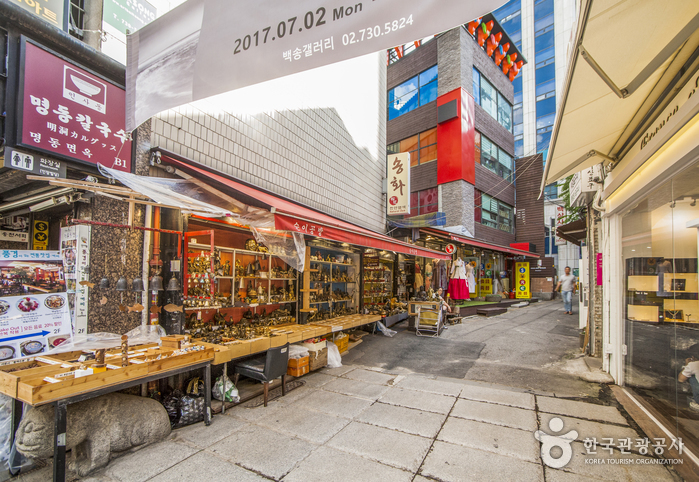
As of today, there are approximately 70 shops in the Insa-dong area that sell antique arts. Some of the products they sell include antique artworks, porcelains, woodcrafts, and metalwork. Visitors may even find rare and valuable products such as earthenware from the Silla period or white porcelain used in the Joseon dynasty. Each shop is a specialty store, authorized to sell product types that are of their expertise, ranging from antique furniture and traditional artworks to handcrafted items.
Festival de los Faroles de Seúl (서울빛초롱축제)
3.8Km 2025-12-31
Taepyeong-ro 1-ga 1, Jung-gu, Seúl.
02-3788-8168
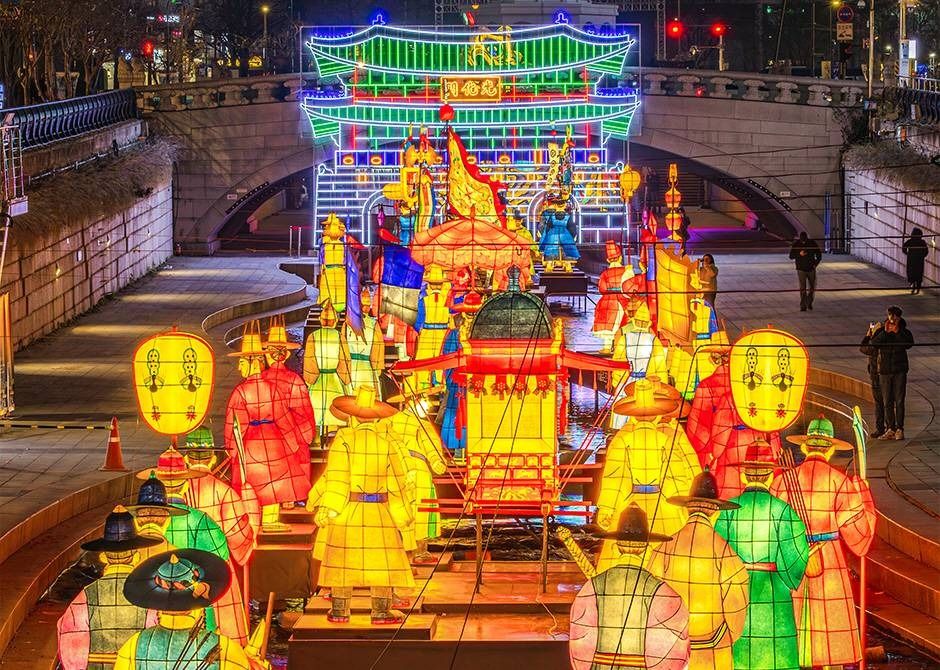
Es un festival internacional de faroles realizado desde el año 2009 en pleno centro de Seúl. Este año, en la edición 2025-2026, habrá unas estructuras iluminadas sobre dos arroyos de la ciudad: Cheonggyecheon y Uicheon.
Sieunjae / 시은재
3.8Km 2025-08-13
439, Samil-daero, Jongno-gu, Seoul
+82-10-5355-3029
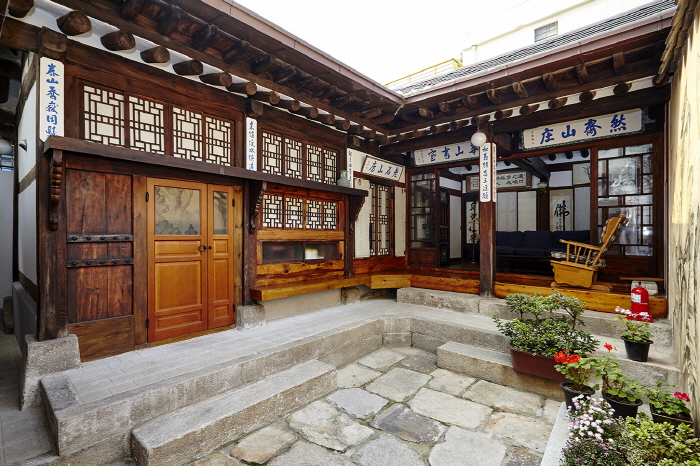
Located in Gyeongun-dong, Jongno-gu at the very heart of Seoul, Sieunjae is a hanok with a longstanding tradition. It has three guestrooms including the anbang (main room), byeolchae (detached building), and jakeunbang (small room). The anbang is the only room with a living room, where various items of old furniture, including a comfortable sofa, create an antique atmosphere. The communal bathroom and toilets are supplied with toiletries, while the communal kitchen is equipped with cooking equipment and a washing machine.
The house can be rented either as individual accommodations or in its entirety. As it is situated in Jongno-gu, at the very heart of Seoul, guests can easily reach many nearby major tourist attractions. Car users are advised to use the public parking lot as the house has no parking spaces. Entering by a small gate, the little flowerbed comes into sight. This old hanok shows traces of repair works on the tiled roof.
Centro de Arte de Seúl Galería Gongpyeong (서울아트센터 공평갤러리)
3.8Km 2023-01-03
Samil-daero 30-gil 10-3, Jongno-gu, Seúl.
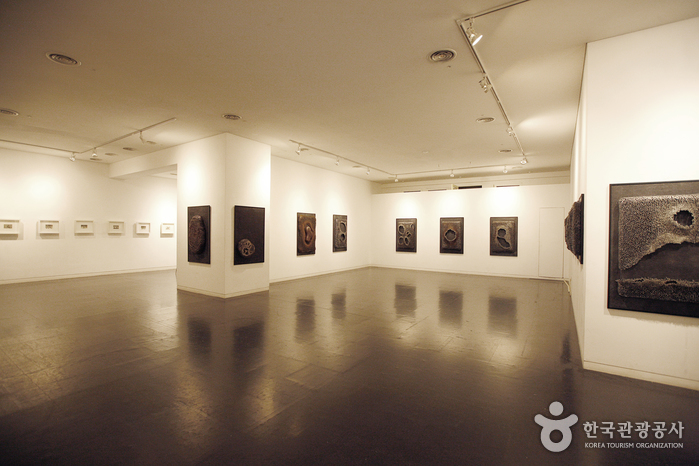
Esta galería, inaugurada en 1992, tiene grandes dimensiones: posee 2 pisos, con 4 salas de exposición. La institución organiza exposiciones de todo tipo: arte oriental, occidental, coreano, de escultura, etc., por lo que es un destino imperdible durante una visita a Insa-dong. Más que ser un espacio destinado únicamente a las exposiciones, trata de desarrollarse como un complejo cultural artístico.
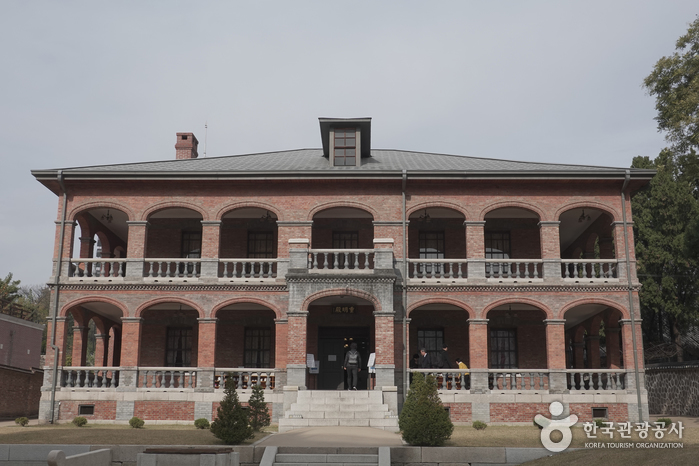
Pabellón Jungmyeongjeon (중명전)
3.8Km 2024-12-23
Jeongdong-gil 41-11, Jung-gu, Seúl.
Este sitio histórico se encuentra ubicado por detrás del palacio Deoksugung, cerca del Teatro Jeongdong. Fue la biblioteca real, construido durante el período 1897-1901, por el arquitecto ruso Seredin Sabatin, y consta de 3 pisos en total y es de estilo occidental. Su nombre original fue Suokheon. Después del incendio del palacio Deoksugung en el año 1904, fue utilizado como la oficina administrativa del rey y la sala de audiencia de las delegaciones extranjeras, y también fue el lugar trágico en donde se firmó el Tratado de Eulsa (tratado desigual en el que Corea fue ocupada y declarada protectorado japonés).
En un principio, el pabelló Jungmyeongjeon formaba parte del palacio Deoksugung, pero con el levantamiento del muro de piedra (conocido como el “Doldamgil de Deoksugung”), dejó de serlo. Es una de las primeras construcciones contemporáneas de Corea, pero por el incendio de 1925, solo ha quedado en pie la pared del edificio. Después de la independencia del dominio japonés (15 de agosto de 1945), ha tenido varios usos y dueños diferentes, hasta que en septiembre del 2006, el derecho de propiedad del inmueble pasó a la Administración de Patrimonios Culturales, y finalmente, en febrero del 2007, fue declarado Sitio Histórico Nº 124.
 Español
 한국어
한국어 English
 日本語
日本語 中文(简体)
 Deutsch
 Français
 Русский


