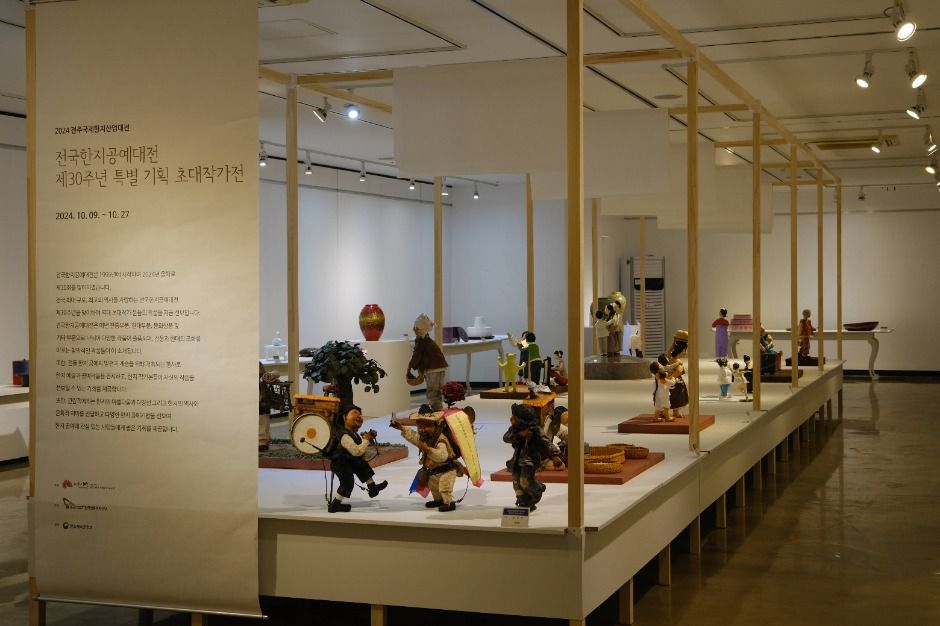
Festival Internacional de la Industria del Hanji de Jeonju (전주국제한지산업대전)
470.1M 2025-09-03
Hyeonmu 1-gil 20, Wansan-gu, Jeonju-si, Jeonbuk-do
063-281-1553
Este festival tiene la visión de enfocar la utilidad del papel tradicional coreano hanji en la vida cotidiana y, de esta manera, lograr su comercialización, reunir las estrategias para su desarrollo sistematizado y asentar las bases para convertirlo en uno de los productos estratégicos principales de Corea.
Gyodonggaon / 교동가온
471.6M 2025-08-12
73-1, Eunhaeng-ro, Wansan-gu, Jeonju-si, Jeonbuk-do
+82-10-5106-3355
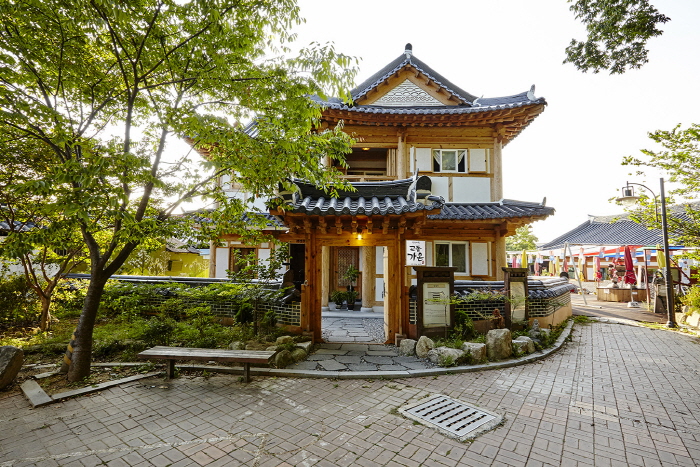
Gyodong Gaon is located right in the middle of the main street of Jeonju Hanok Village. The word "gaon" means "middle" in Korean. It's a two-story traditional Korean house that stands out among the rest of the traditional Korean houses in the alley leading to Omokdae. Just inside the gate is a yard with colorful flower trees, jars of sauces, and furnace. The mural on one of the walls is popular among the guests as a place to take photos.
The "numaru", or "loft" in Korean, overlooks the Hanok Village, and is one of the best places in the village to get a closer look at the 500 year old zelkova tree and the foot of the mountain nearby. Open to all the guests, the "numaru" is very popular during the winter as well as the summer. It's an open space with a wooden floor, so it's very cool during the summer, and it also serves as an observatory to enjoy the view of all the snow-covered trees and roofs in the Hanok Village during the winter while having a hot cup of tea.
The owner of the guesthouse has been living here for 37 years. He rebuilt his house and turned it into a hanok guesthouse in 2014 while making sure the rooms are well insulated and comfortable to stay.
He built a two-story building to make an efficient use of the space, and focused on making all the rooms look different. The house has five rooms, and only the “Meomulda Room” on the first floor is the only rooms with a living room separated from the bedroom. All you have to do is open the door to enjoy the view of the yard, Hanok Village, and Omokdae. The “Nanuda Room” on the second floor is the largest one that can accommodate more than five people, making it the most popular choice among families. The "Damda Room" and "Kkumkkuda Room" both have an attic that can be reached by a ladder. The attic is big enough to sleep two adults, and some guests actually sleep there for a unique experience. One of the walls of the attic is finished with cypress wood which has a pleasant scent. The “Geurida Room” has the best view through the two windows on the either side of the room, in addition to warm sunlight and cool wind that come through the window. Modern, not traditional, doors are installed in all the rooms for better sound proofing and insulation.
Gyodong Gaon offers a number of experience programs, such as traditional games like “gulleongsoe”, “tuho", and “Korean top”, As well as “sabang chigi”, “sampalseon”, and “ttangttameokgi”.
Many Korean adults are familiar with these games, while children and foreigners can find these games interesting. All these traditional Korean games are free to play.
Bu Yong Heon (부용헌)
474.6M 2025-06-17
149-3, Hyanggyo-gil, Wansan-gu, Jeonju-si, Jeonbuk-do
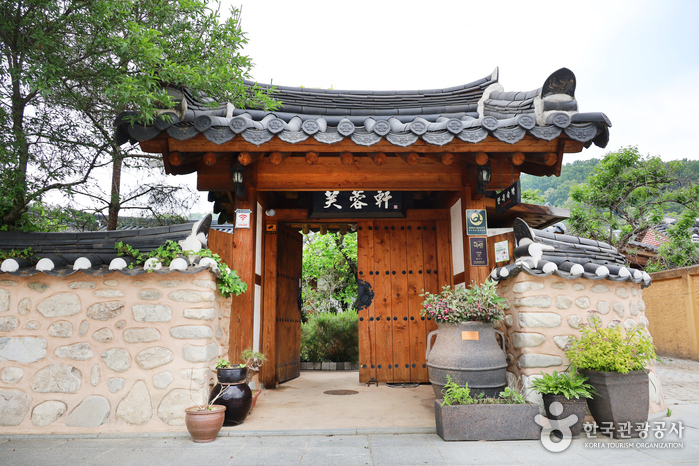
Buyongheon is located in Jeonju Hanok Village. Precisely speaking, Buyongheon is the very next door to Jeonju Hyanggyo (Confucian Temple and School). Across the alley are Jeonju Hyanggyo Culture Center and Wanpanbon Culture Center. If you walk a few more steps, you will reach Jeonju Hanbyeok Culture Center where you can see various performances and experience the culture and foods of Jeonju. Omokdae can be seen from the garden of Buyongheon. Across the Jeonjucheon Stream is the National Intangible Heritage Center.
The beginning of Buyongheon is deeply related with Jeonju Hyanggyo. In around 1935, the local bureaucrats lived around the Hyanggyo after building 12 houses one after another. Most of them came from rich families. These collective houses were called Buyong Houses, which meant rich houses. The name Buyongheon originated from Buyong Houses. The rooms of Buyongheon are composed of Toenmaru Bang, Daecheong Maru Bang, Large Daecheong Maru Bang and Big Sarangchae. The interior of the rooms looks neat with the beauty of blank space as they excluded unnecessary decorations. Carefully prepared breakfast is served upon request made in advance. Visitors can also experience traditional culture such as traditional etiquette education and Korean paper art.
In fall, the yellow leaves of the ginkgo tree in the garden of Jeonju Hyanggyo lights up the roof of Buyongheon. It is recommendable to walk along the Jeonjucheon Stream and take pictures of the colorful murals and the cafes in the Jaman Mural Village located on the left sie of the Hanok Village. It takes 15 minutes from Jeonju Station and 10 minutes from Jeonjuu Express Bus Terminal to Buyongheon by taxi.
Catedral Católica de Jeon-dong en Jeonju (전주전동성당)
480.1M 2024-10-15
Taejo-ro 51, Wansan-gu, Jeonju-si, Jeonbuk-do.
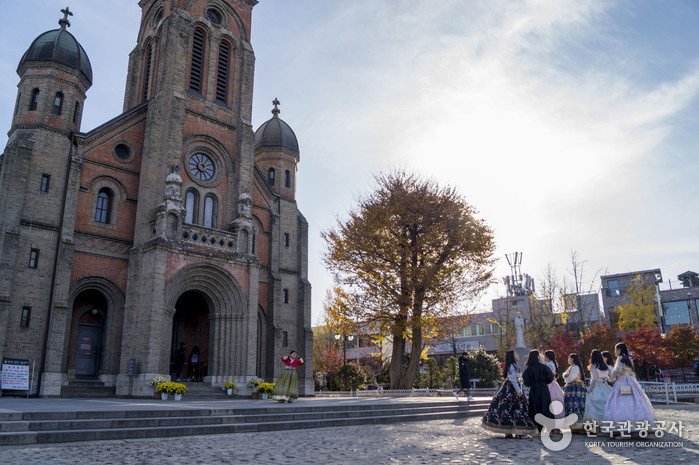
La Catedral Católica de Jeon-dong fue construida en 1914 al estilo occidental y fue designada como Sitio Histórico. Es la estructura del estilo occidental más grande de las provincias de Jeollanam-do y Jeollabuk-do. La catedral es elegante con sus paredes de ladrillos y lo más encantador es la entrada y la torre de campana. La entrada de la iglesia tiene una forma arqueada que le da un toque bizantino, mientras que la pequeña torre de campana ubicada en el centro agrega una belleza singular. Desafortunadamente, algunas partes de la catedral fueron destruidas por un incendio en 1988.
Pungpaejigwan de Jeonju (전주 풍패지관 (전주객사))
532.1M 2024-05-14
Chunggyeong-ro 59, Wansan-gu, Jeonju-si, Jeonbuk-do
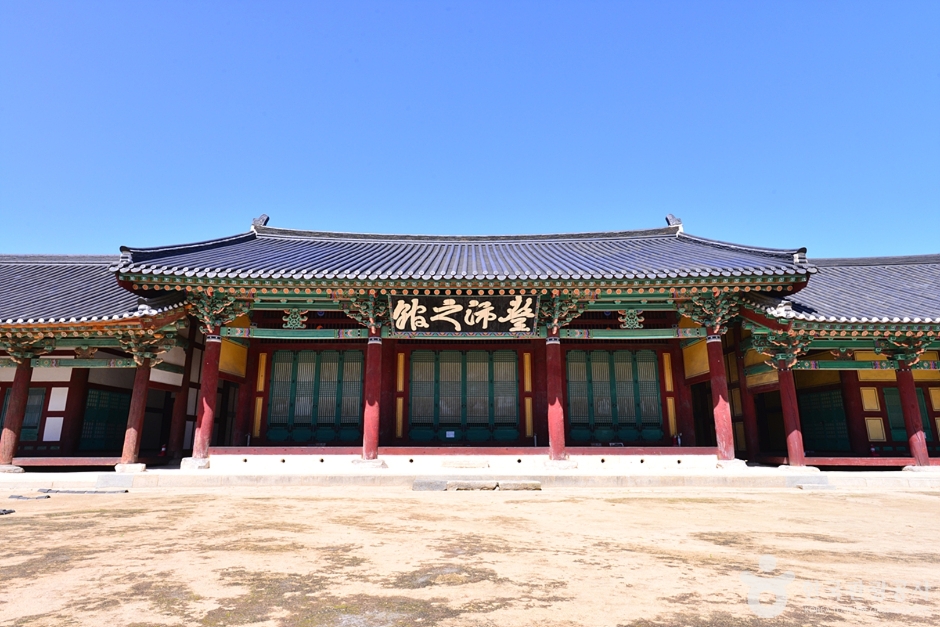
Durante la dinastía Joseon, los funcionarios y enviados que visitaban Jeonju se alojaban aquí. Hoy está abierto para que cualquier persona pueda visitarlo. El largo y espacioso piso es de libre acceso, lo que lo convierte en un lugar de descanso para ciudadanos y turistas. Ubicado en el centro de Jeonju, es fácil de encontrar y está cerca de la Aldea Tradicional de Jeonju.
Yangsajae (문화공간 양사재)
545.8M 2025-11-28
40, Omokdae-gil, Wansan-gu, Jeonju-si, Jeonbuk-do
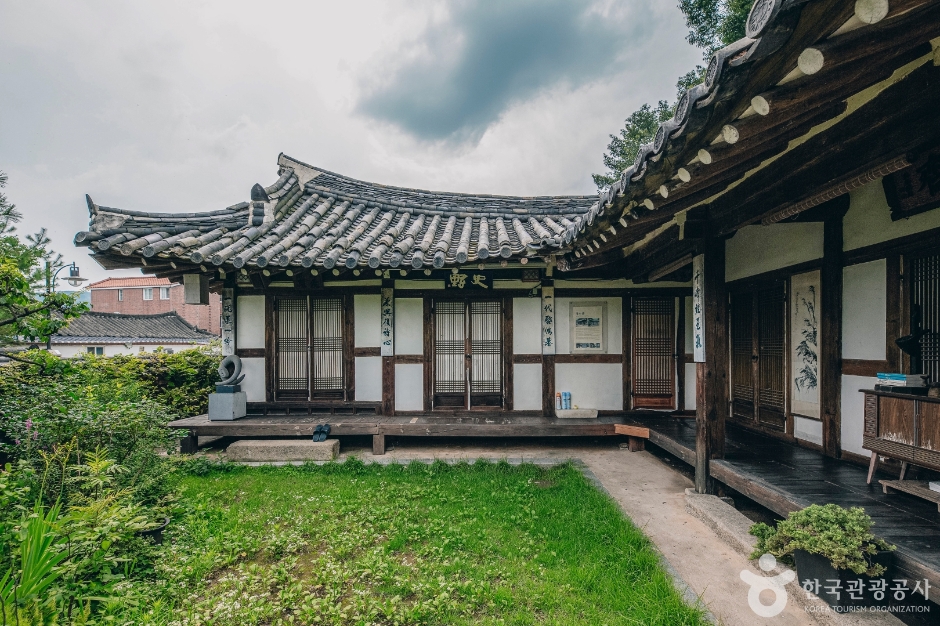
In Joseon times, Yangsajae hanok stay in Jeonju Hanok Village, Jeonbuk-do, was part of the Jeonju Hyanggyo or local Confucian school - a place of study and scholarship. Later the poet Lee Byeong-ki lived and wrote here, and later still, in 1987, the house became a public elementary school. Since 2002 it has been a hanok stay dedicated to cultural tourism and promotion of local history and traditions.
Mercado Nambu de Jeonju (전주 남부시장)
592.1M 2025-07-09
Pungnammun 1-gil 19-3, Wansan-gu, Jeonju-si, Jeonbuk-do
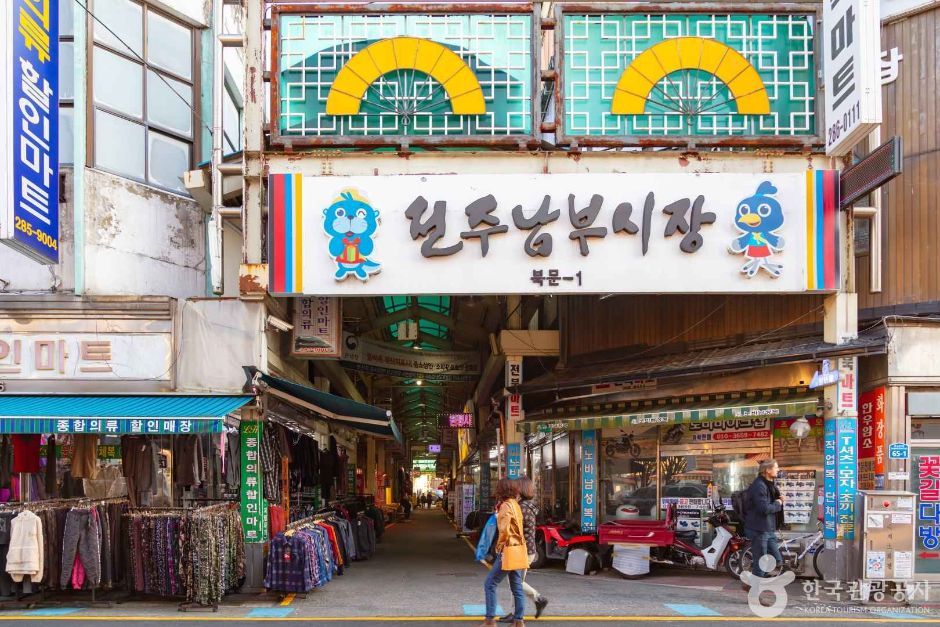
Establecido en 1905, el Mercado Nambu de Jeonju es hasta la actualidad un importante punto de comercio, de economía y de transporte para los habitantes de la ciudad de Jeonju. Desde finales de los 60 hasta los años 70, el precio del arroz en general se determinaba en este mercado, mostrando así su gran influencia en los mercados de Corea. Actualmente, unas 800 tiendas se encuentran en el predio. Todos los viernes y sábados hay un mercado nocturno donde se pueden probar platos para picar como morcillas, tortitas y rollitos.
Hakindang (학인당)
596.8M 2025-07-18
45, Hyanggyo-gil, Wansan-gu, Jeonju-si, Jeonbuk-do
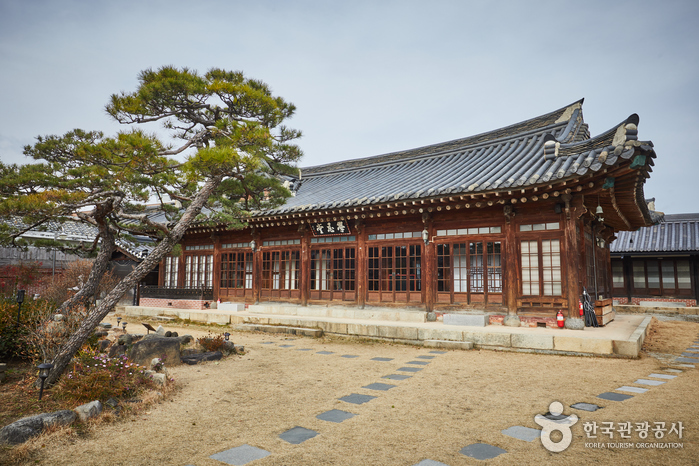
Hakindang - also known as Injae’s Old House - is the oldest house in Jeonju Hanok Village, and a designated Jeonbuk-do cultural treasure. The house was built in the royal architecture style by some of the best late Joseon artisans. The Sarangchae guestroom has two sleeping rooms and a living room, suitable for families; while the Byeoldangchae has three guestrooms, one with a tea room space. Guests can use the free minibar while contemplating the old house’s fine traditional garden.
2521 (이오이일)
604.2M 2025-07-17
5-19, Omokdae-gil, Wansan-gu, Jeonju-si, Jeonbuk-do
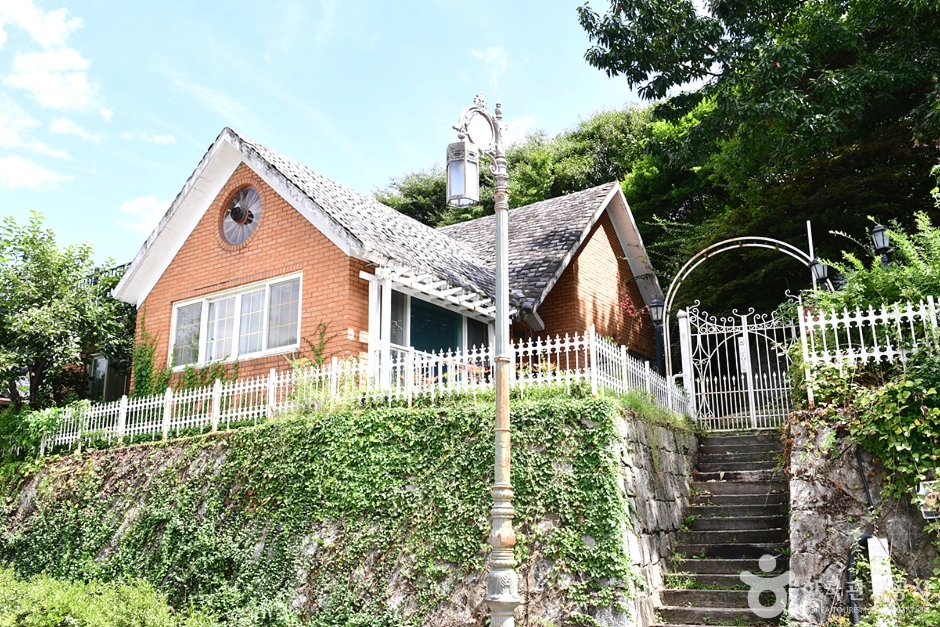
2521, pronounced yi-o-yi-il in Korean, a private guesthouse located in Jeonju Hanok Village. It was made popular as Na Hee-do's house in the drama "Twenty-Five, Twenty-One (2022)." Upon booking, the owner will set the scene just like from the drama. Guests can enjoy a barbeque party at the yard and the view of the hanok village from the rooftop. The guesthouse can accommodate up to eight guests.

Calle Gaeksa-gil (객사길)
647.9M 2024-04-06
Jungang-dong 2-ga 10-1, Wansan-gu, Jeonju-si, Jeonbuk-do
El gaeksa, instalado en cada aldea en la era de Goryeo y Joseon, era un lugar de atención y alojamiento para los mensajeros que llegaban de otros países o funcionarios de otras regiones. En el centro de Jeonju todavía queda un gaeksa, y a su alrededor se formó el centro urbano más grande de la antigua urbe de Jeonju, llamado Gaeksa-gil. La calle Gaeksa-gil es una zona muy transitada por ciudadanos y turistas debido a la gran cantidad de tiendas y restaurantes de franquicia. Especialmente, Gaeksa-gil de Jeonju es escenario del Festival Internacional de Cine de Jeonju. Considerado uno de los 3 festivales de cine más importantes del país, el Festival Internacional de Cine de Jeonju se centra en películas independientes y ha descubierto muchas piezas destacadas y actores nuevos. A un lado de Gaeksa-gil se encuentran muchos cines, incluyendo el Jeonju Cine Complex, por lo que también se la conoce como "la calle del cine". Detrás de ella, diversos restaurantes, cafeterías y tiendas de ropa que atraen a los cinéfilos forman el denominado barrio Gaeknidan-gil.
 Español
 한국어
한국어 English
 日本語
日本語 中文(简体)
 Deutsch
 Français
 Русский


