
Geumneung Port (금능포구)
8.7Km 2025-10-30
Geumneung-ri, Jeju-si, Jeju-do
A port with picturesque scenery
Geumneung Port, where fishing boats are anchored, is as beautiful as a picture, and has been used as the background for many scenes in the drama. The vacant lot with the pavilion, which was a place for women divers (Haenyeo) to talk, is also special to those who watched the drama. Because it is the place where Jeong-jun used to park the bus and spend intimate time with Yeong-ok. If you enter the breakwater behind it, there is a cute mural painted on it, and there is a white lighthouse at the end.
Jeju Teseum (제주테지움)
8.8Km 2025-03-17
2159, Pyeonghwa-ro, Jeju-si, Jeju-do
+82-64-799-4820
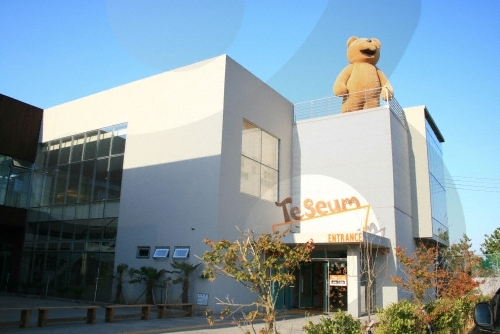
Teseum Safari is a new concept museum, the first of its kind in the world, exhibiting stitched dolls shaped like wildlife animals, marine animals, flowers, birds and more. The wild animal zone on the first floor has a photo zone for visitors to take photos with lions, tigers, and elephants along with teddy bears. On the second floor, varied animal dolls like dolphins, sharks and marine animals such as octopus, turtle, flamingo, crane, and a flock of ducks are available. On the second floor of Building B, a 4m-tall teddy bear is available for children to play with by running around freely at the playground, as well as watching all the teddy bears appearing in a teddy drama “New Heart.” Teseum Art Gallery shows movie parody teddy bear, Greek mythology parody teddy bear, and world costume teddy bears. A gift shop sells various teddy bear goods and lovely teddy bears. A restaurant in the basement sells handmade pizza with personalized toppings is available. In particular, wish trees located throughout Building A on the first and second floors can be a special event for tourists.
Citrus Gardening Café (시트러스 가드닝 카페)
9.2Km 2024-12-10
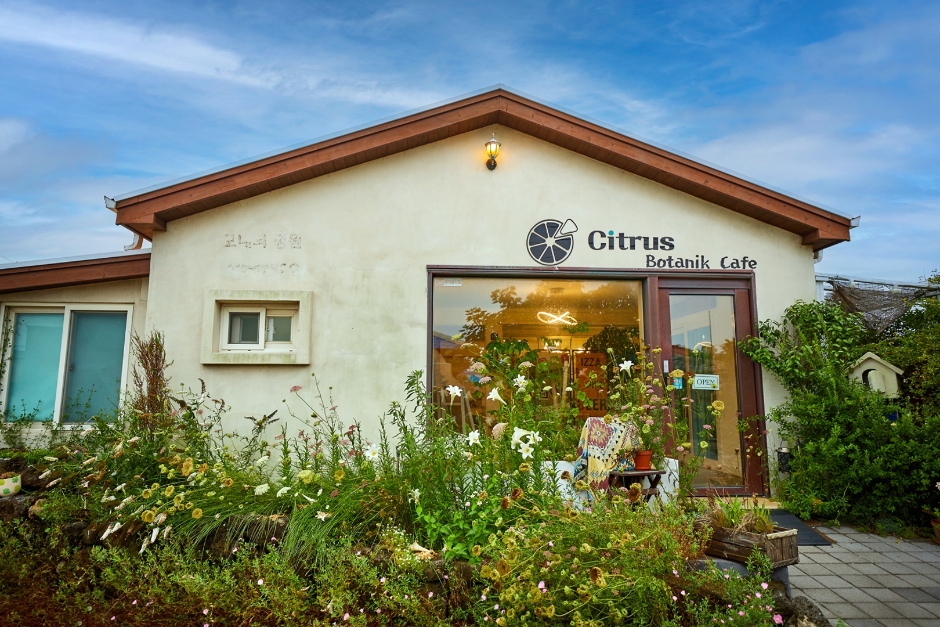
Citrus Gardening Café is a plant cafe located near Geumneung Beach. This cafe is located among basalt stone walls, the symbol of Jeju, and low-story buildings, all of which represent the island’s authentic local and natural scenery. The unique plants that thrive in relatively hot and humid island climate can be seen both indoors and outdoors, offering an interesting sight. The signature menu here is mazagran. The café’s original mazagran recipe mixes fresh fruits from Jeju with Portuguese-style coffee. The café also serves regular coffee, herbal tea, and matcha latte.
Historic Site of Anti-Mongolian Struggle in Hangpadu-ri, Jeju (제주 항파두리 항몽 유적)
9.3Km 2022-08-18
50, Hangpaduri-ro, Jeju-si, Jeju-do
+82-64-710-6721
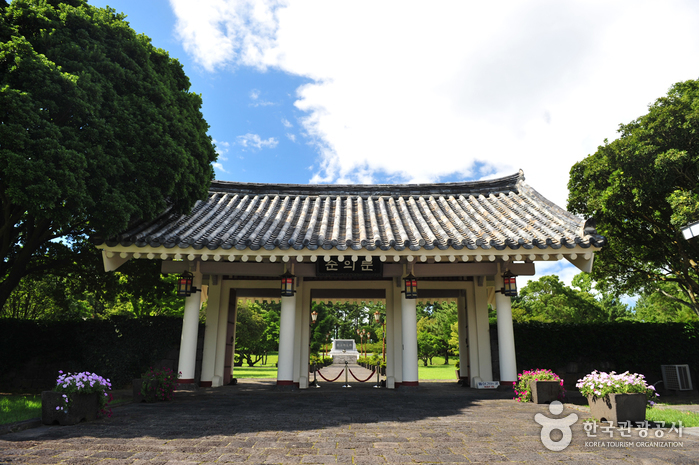
Historic Site of Anti-Mongolian Struggle in Hangpadu-ri is where the Sambyeolcho military unit of the Goryeo dynasty resisted the invasion of Mongolia until the last possible moment. The site houses an
exhibition hall, a monument, and a unique mud fortress. Nearby is Jangsumul Spring (Jangsu means general) which flowed from the footprints of General Kim Tong-jeong. Today, water from the spring
cannot be used as drinking water.
Sambyeolcho was a military unit of the Goryeo dynasty. When the Goryeo dynasty made peace with the Mongolian forces in February 1270 (the 11th year of King Wonjong), the Sambyeolcho special defense unit opposed it and launched a resistance movement. They moved their base to Jindo in Jeollanam-do, but after suffering a huge defeat, they moved to Jeju-do and built Hangpaduseong Fortress. They continued to fight against the Mongolian forces for two more years there. However, all the members were killed in April 1273 (the 14th year of King Wonjong).
This independent anti-Mongolian movement was born out the deeply patriotic belief in the need to safeguard the nation from foreign invasion. In 1977, the government invested 745 million won to restore part of the fortress and build a monument in commemoration of those who died in the war. The work was completed in June 1978.
Geumneung Seokmulwon (Geumneung Rock Park) (금능석물원)
9.6Km 2024-12-10
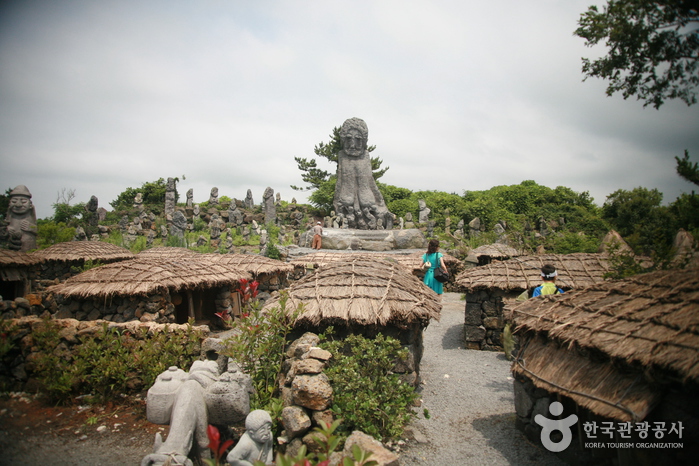
Jeju is often referred to as Samda-do, which can be translated to “island of three abundances,” because it has many stones, wind, and women. Stones from Jeju are prohibited from being taken out of Jeju and only processed stones are exported. The most well-known processed stone production in Jeju is dol hareubang (“stone grandfather”). Geumneung Rock Park is a place where travelers who are tired of seeing the same-old dol hareubang can appreciate the essence of Jeju stones. It is a park created on a 33,058m² site by master craftsman Jang Gong-ik, who has been making dol hareubang for about 40 years, expressing aspects of Jeju life through stones. The park has a Buddhist-friendly atmosphere overall with statues of Buddha, which are all works of Jang Gong-ik, who has maintained this place for decades.
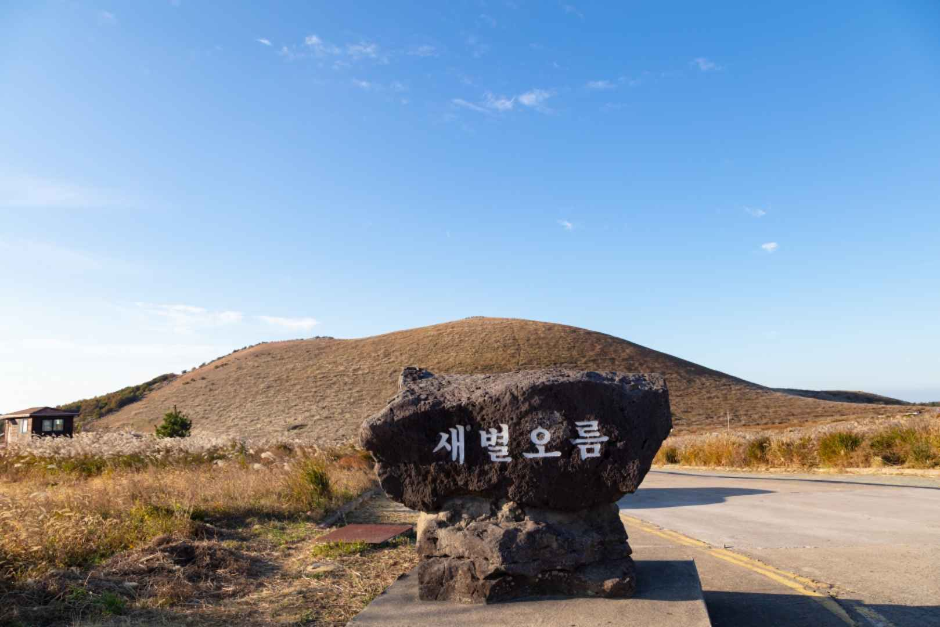
Saebyeol Oreum Volcanic Cone (새별오름)
9.9Km 2025-10-23
San 59-8 Bongseong-ri, Aewol-eup, Jeju-si, Jeju-do
+82-64-740-6000
Located in Bongseong-ri, Aewol-eup, Jeju-si, Saebyeol Oreum Volcanic Cone is a parasitic volcano cone set alone that looks like a lonely star (Saetbyeol in Korean) in the night sky, giving this volcano cone its name. Based on the highest south peak, small peaks continue in the northwest direction, forming an oval-shape. The oreum is a mid-sized oreum among 360 oreums on Jeju Island and it features a stunning view from the peak of the beautiful ridges connecting to one another.
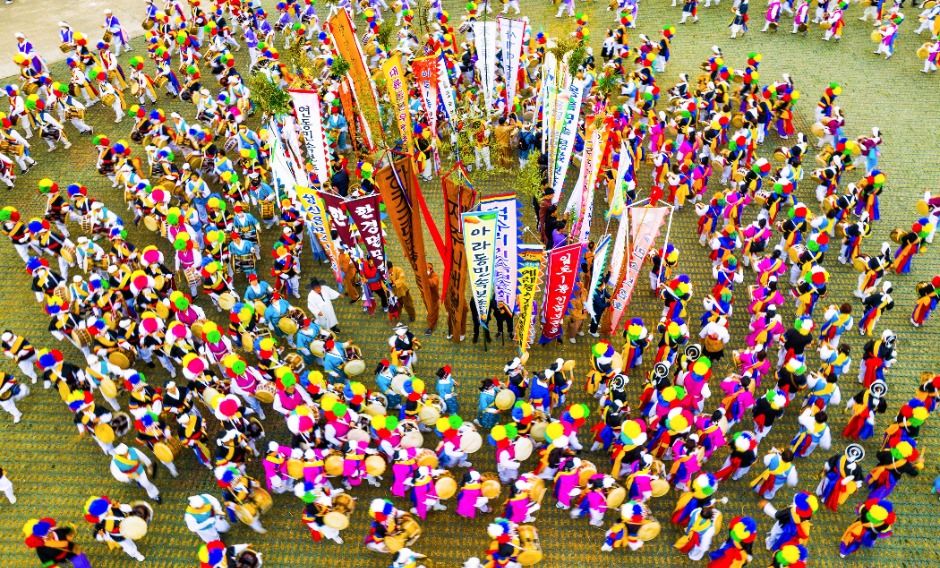
Jeju Fire Festival (제주들불축제)
9.9Km 2025-03-05
San 59-8 Bongseong-ri, Jeju-si, Jeju-do
+82-64-728-2753
Jeju Fire Festival is a representative cultural festival related to Jeju's culture of livestock care. Held every March at Saebyeoloreum Volcanic Cone, the night sky lights up with fiery red. The festival features a media façade show, torch march, fire show, and more as well as various programs and food trucks.
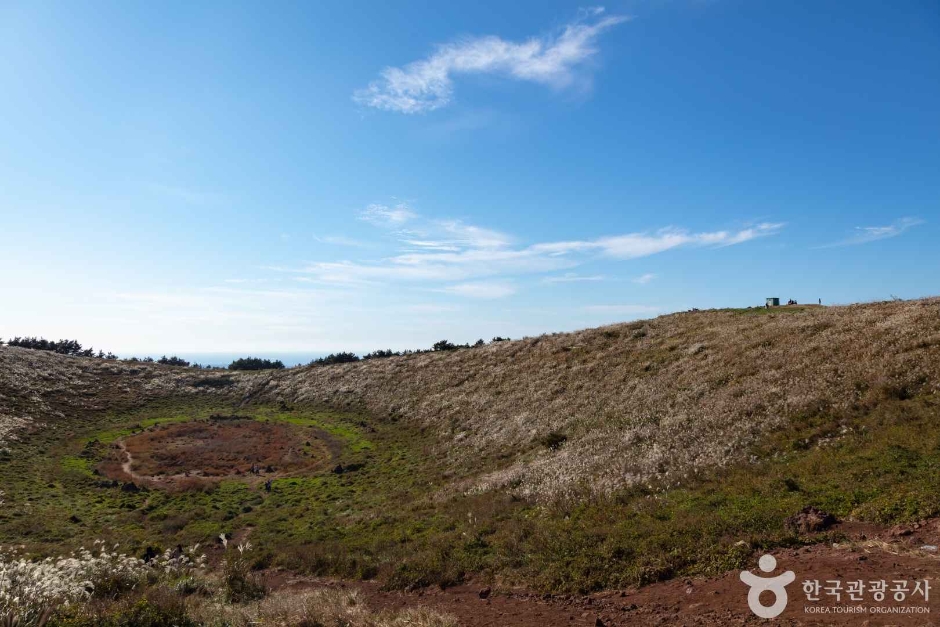
Geum Parasitic Cone (금오름)
10.0Km 2025-10-23
Geumakbuk-ro, Hallim-eup, Jeju-si, Jeju-do
+82-64-740-6000
Geum Parasitic Cone is one of the most famous parasitic cones in the western mountainous region of Jeju. It is a satellite volcanic edifice that has a large circular crater (52 meters deep) and a crater at the summit, and the two peaks in the south and the north are connected by a low slope from east to west. The crater at the summit once held an abundant volume of water but it is now empty. The name Geum Parasitic Cone is speculated to have derived from an archaic word "Gom," which means "god." Therefore, it can be interpreted that this parasitic cone has been deified since the ancient times. Pines, cedars, briers, bo trees and Oriental photinia can be found near the circular crater and the lake area.

Jeju Equestrian Park (제주승마공원)
10.1Km 2024-05-08
152-1 Nokgome-gil, Aewol-eup, Jeju-si, Jeju-do
Jeju Equestrian Park, nestled in the mid-mountain meadows of Yusuam-ri, Aewol-eup, offers visitors the chance to immerse themselves in the island’s natural beauty on horseback. With the longest trekking course stretching 100 kilometers, the park presents a variety of routes tailored to individual preferences, including horse riding shows, a couples’ riding academy, a children's riding camp, and corporate horseback riding workshops for the perfect equestrian leisure experience. Safety is a top priority, ensured by the best instructors for a comfortable and secure riding experience, making it an accessible adventure for even novice riders.
![Olive Young - Jeju Hagwi Branch [Tax Refund Shop] (올리브영 제주하귀)](http://tong.visitkorea.or.kr/cms/resource/97/2886997_image2_1.jpg)
Olive Young - Jeju Hagwi Branch [Tax Refund Shop] (올리브영 제주하귀)
10.2Km 2024-04-18
1F, 121, Hagwi-ro, Aewol-eup, Jeju-si, Jeju-do
-
 English
 한국어
한국어 日本語
日本語 中文(简体)
 Deutsch
 Français
 Español
 Русский


