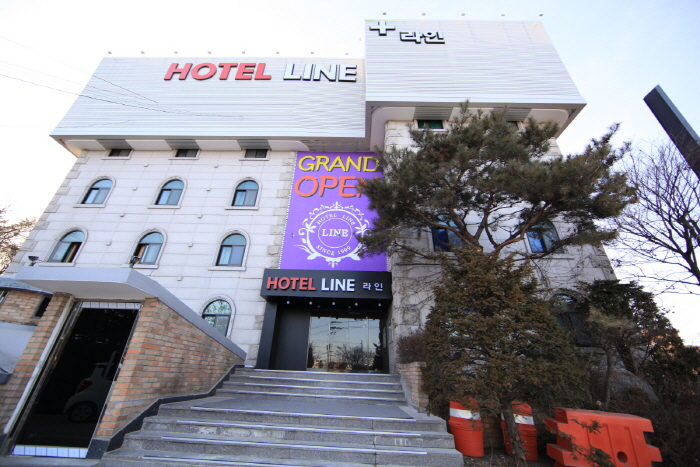
Line Hotel / 라인호텔
8.9Km 2025-03-31
2337 , Gimpo-daero, Gimpo-si, Gyeonggi-do
+82-31-988-2234~6
The Line Hotel in Tongjin-eup, Gimpo-si, Gyeonggi-do, offers snug and clean accomodation with a variety of rooms types. Rooms are equipped with bathroom, Wif-Fi, AC/heater and fridge. There is a 24-hour information desk and luggage storage, laundry, and fax/copy services are offered. Gimpo Sculpture Park is 10 minutes away by car, and Deokpojin Fort and Hamsang Park are 20 minutes away. Guests can walk or drive along the beach, or drive across the Ganghwa Bridge to Ganghwa-do.

Gimpo Munsusanseong Fortress (김포 문수산성)
9.9Km 2022-12-20
Ponae-ri, Gimpo-si, Gyeonggi-do
+82-31-980-2485
Munsusanseong Fortress was built on Munsusan Mountain in 1694, during the 20th year of the reign of King Sukjong, the 19th king of the Joseon dynasty. The fortress as designed to defend Gwanghwado Island from marine invasion. At the time, the fortress had north, west, and south gates, but they were destroyed in a fire during the Byeong-in Yangyo (1866). The north gate was restoryed in 1995 and the south gate in 2002. The fortress walls span 6 kilometers in length, 4 kilometers of which remain unrestored. Surrounded by beautiful scenery, the top of the fortress commands a spectacular view spanning from North Korea to the Hangang River inlet, and from Samgaksan Mountain to the sea off Incheon in the distance. It is often referred to as the Geumgangsan Mountain of Gimpo as it boasts superb scenery throughout all four seasons. The mountain is home to Munsusa Temple, established during the reign of Silla King Jinseong.
Gyeongin Ara Waterway (경인 아라뱃길)
10.1Km 2023-11-10
41 Jeongseojin 1-ro, Seo-gu, Incheon
+82-1899-3650
Ara Waterway flows 18 kilometers from the Hangang River to the West Sea. Opened in 2012, the waterway serves to quickly remove excess water from the surrounding areas to prevent flooding. The waterway also serves as a key route for transporting cargo via ship, as well as a natural green space.
The idea of Ara Waterway started nearly 800 years ago during the Joseon dynasty by King Gojong. Unfortunately, his plan could not be completed at that time due to technical obstacles and the difficult state of the country. After countless efforts and preparation, the construction of the waterway began in 2009 and opened in 2012.
Yeongjong Grand Bridge (영종대교)
10.2Km 2022-07-26
Jangdo Island (Gyeongseo-dong, Seo-gu, Incheon-si) ~ Yeongjongdo Island (Unbuk-dong, Jung-gu, Incheon-si)
Yeongjongdaegyo Bridge connects the mainland of Incheon with Yeongjongdo Island that is home to the Incheon International Airport. Until the construction of this bridge, the only way to get to and from Yeongjongdo Island had been by boat. The 4.4 kilometer-long Yeongjong Bridge is the world’s first 3-dimensional self-anchored suspension bridge. The bridge carries both highways and rail lines on its decks, and 10,000-ton ships can pass under the bridge. The bridge was designed to withstand strong winds and earthquake.
It is the first bridge in Korea to have been completed through private capital inducement project. In addition to its function as a bridge, it is also an architectural beauty as the shape of the cable and the girder was designed to symbolize the eaves of the traditional Korean tile-roofed house. In 2002, Yeongjongdaegyo Bridge won the Tanaka Award by the Japan Society of Civil Engineers for the first time in Korea.
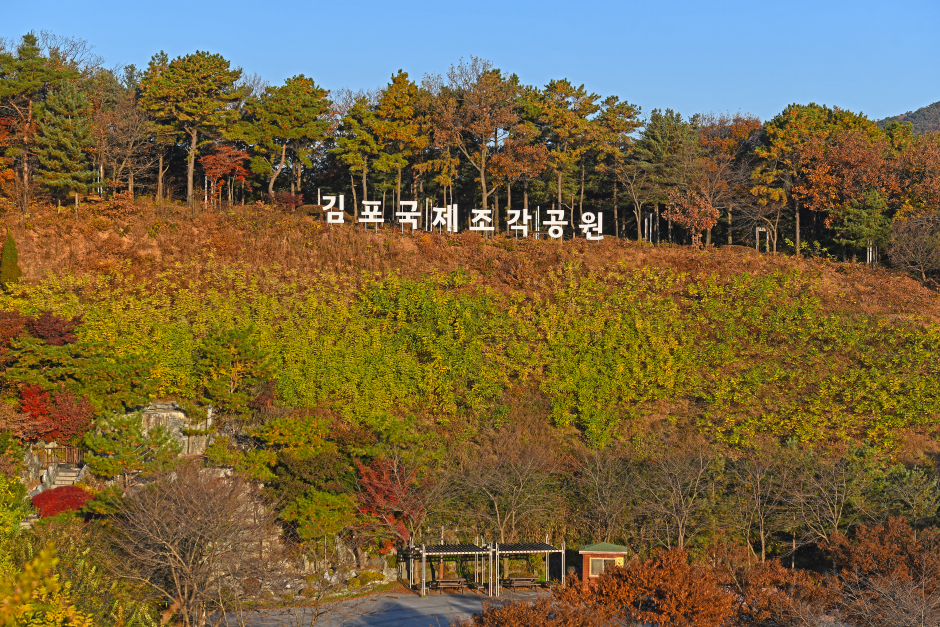
Gimpo International Sculpture Park (김포국제조각공원)
10.5Km 2025-03-22
38, Yonggang-ro 13beon-gil, Gimpo-si, Gyeonggi-do
+82-31-984-5167
Gimpo Sculpture Park is situated in a large forest and is decorated with 30 sculptures: 14 by international artists and 16 by Korean artists. Since the site is located near the DMZ, the only divided country in the world, each sculpture expresses the overarching theme of unification. A favorite spot for weekend picnicking families and couples on dates, the park is expected to be included in a large tourist complex in the near future along with nearby Reports Park and the youth training center.
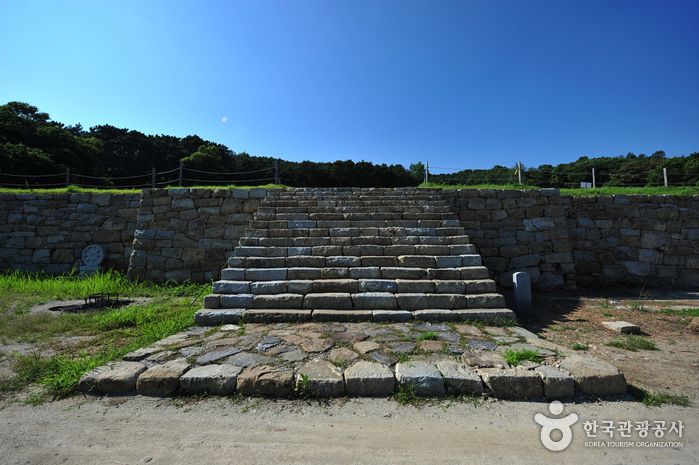
Ganghwa Seonwonsa Temple Site (강화 선원사지)
10.8Km 2022-09-19
222, Seonwonsaji-ro, Ganghwa-gun, Incheon
+82-32-933-8234
Ganghwa Seonwonsa Temple Site was first discovered in 1976 during a surface examination around Ganghwado Island undertaken by the Ganghwado Island Academic Research Team of Dongguk University. The site was designated as Historic Site No. 259 in 1977. Seonwonsa Temple was built by General Choi Wu in 1245 (the 32nd year of King Gojong’s reign during the Goryeo dynasty), which was right after the transfer of the capital to Ganghwado during resistance against the Mongolian invasion.
The temple was meant to be a spiritual mainstay in fighting against Mongolia. It used to be one of the two largest temples in Korea along with Songgwangsa Temple. However, the temple was completely destroyed during the early Joseon era, leaving only the site itself. The famous wood blocks of Palman Daejanggyeong (the Tripitaka Koreana), currently housed in Haeinsa Temple at Hapcheon, are said to have been originally stored in Seonwonsa Temple. It is believed that the carved wood blocks were taken from Seonwonsa to Heungcheonsa Temple during the Joseon era and again moved to Haeinsa Temple during the reign of Sejo.
Located on a mountain slope, the presumed location of the building site extends 250 meters from south to north and 170 meters from east to west.
Yackseokwon (약석원)
11.2Km 2025-10-23
56-53, Jungang-ro 787beon-gil, Yangdo-myeon, Ganghwa-gun, Incheon
Ganghwa Sajabalssuk, a type of mugwort native to Ganghwado Island, is known for its rich aroma and high vitamin A content. Yackseokwon offers immunity-strengthening programs using this special herb believed to help prevent chronic illnesses. “Raise Your Body Temperature by 1°C Project” is a signature course, which involves yoni steaming (mugwort steam sitting bath) and thermal moxibustion to gradually warm the body. Just an increase of 1 degree in body temperature is said to boost immune function, increase basal metabolism, and improve blood circulation. The program is offered by reservation only and accommodates up to 25 people per session. The 100-minute experience begins with 40 minutes of yoni steaming, followed by 30 minutes of abdominal heat therapy and 30 minutes of lower back heat therapy. Participants are also served a rich herbal tea brewed with Ganghwa Sajabalssuk.
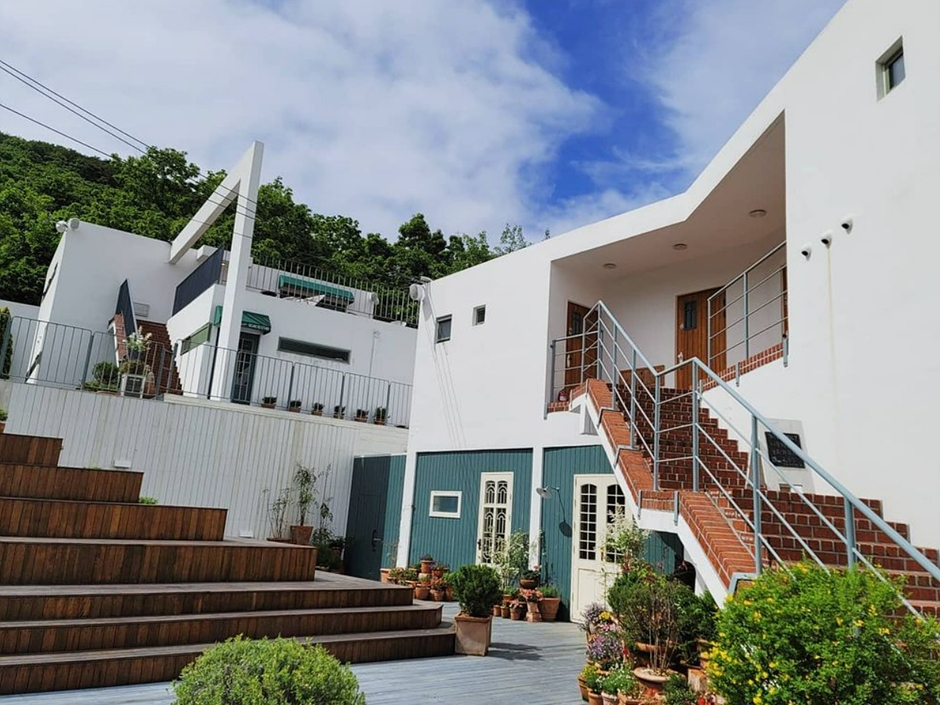
Mung Hit (멍때림)
11.2Km 2025-10-29
1970-34 Haeannam-ro, Hwado-myeon, Ganghwa-gun, Incheon
Mung Hit is a cafe located in Ganghwa-gun, Incheon. The cafe features a view of Manisan Mountain, and is decorated with comfortable tables and chairs for visitors to space out, the name of the cafe in Korean.
Kkotgewa Nakji (꽃게와낙지)
11.4Km 2024-02-26
7 Haeannam-ro 2029beon-gil, Hwado-myeon, Ganghwa-gun, Incheon
Kkotgewa Nakji is a seafood restaurant nestled at the base of Manisan Mountain. The restaurant is renowned for its two standout dishes: the blue crab soup, prepared using egg-filled female crabs, and the stir-fried octopus, which features live octopus cooked immediately to ensure freshness. The side dishes, crafted from fresh ingredients sourced from Ganghwado Island, add a delicious and comforting touch to the dining experience.
National Institute of Biological Resources (국립생물자원관)
11.5Km 2023-04-13
42, Hwangyeong-ro, Seo-gu, Incheon
+82-32-590-7000
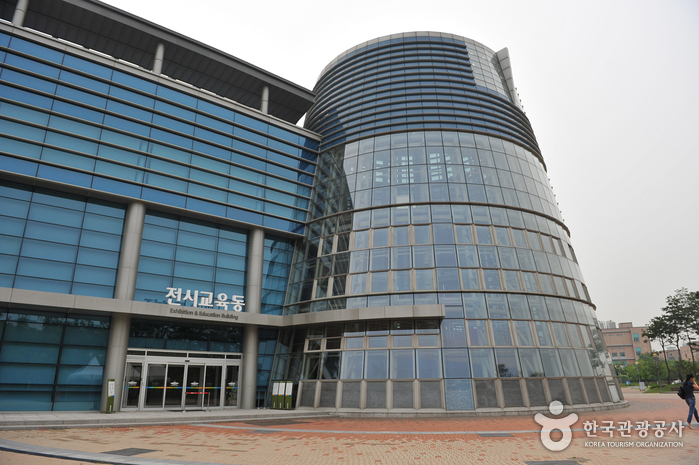
Opened in October 2007, the National Institute of Biological Resources is the largest collection preservation facility in Northeast Asia. The institute collects, preserves, manages, and conducts research on biological resources with the aim of growing into a focal biological resource hub of Northeast Asia. The institute is comprised of a spine-shaped collections and research center and a leaf-shaped exhibition and education center. The exhibition hall has 3,905 specimens of 1,287 native species on display. Korea's diverse ecosystems are recreated as highly detailed dioramas at the exhibition hall. A small restaurant is located inside the research center, and the extensive grass field in front of the institute provides an ideal picnic spot.
 English
 한국어
한국어 日本語
日本語 中文(简体)
 Deutsch
 Français
 Español
 Русский


