![LG Best Shop - Bulgwang Main Branch [Tax Refund Shop] (엘지베스트샵 불광 본점)](http://tong.visitkorea.or.kr/cms/resource/77/2890377_image2_1.jpg)
LG Best Shop - Bulgwang Main Branch [Tax Refund Shop] (엘지베스트샵 불광 본점)
13.7Km 2024-04-18
41, Bulgwang-ro, Eunpyeong-gu, Seoul
-
![LG Best Shop - Gwanak Branch [Tax Refund Shop] (엘지베스트샵 관악점)](http://tong.visitkorea.or.kr/cms/resource/59/2880459_image2_1.jpg)
LG Best Shop - Gwanak Branch [Tax Refund Shop] (엘지베스트샵 관악점)
13.7Km 2024-04-18
210, Bongcheon-ro, Gwanak-gu, Seoul
-
![Olive Young - Mapo Station Branch [Tax Refund Shop] (올리브영 마포역)](http://tong.visitkorea.or.kr/cms/resource/94/2888894_image2_1.jpg)
Olive Young - Mapo Station Branch [Tax Refund Shop] (올리브영 마포역)
13.7Km 2024-04-18
1F, #115, 53, Mapo-daero, Mapo-gu, Seoul
-
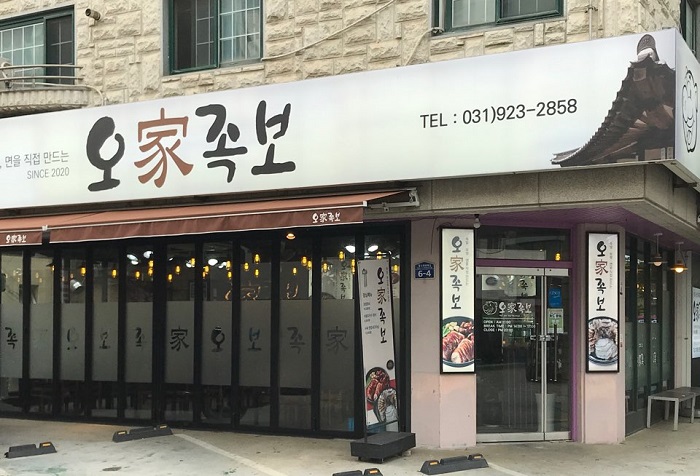
OgaJokbo (오가족보)
13.7Km 2024-10-15
6-4, Ilsan-ro, 803beon-gil, Ilsanseo-gu, Goyang-si, Gyeonggi-do
+82-31-919-3732
A place that serves jokbal (pigs’ feet) using Korean meat. This braised pigs' feet restaurant is located in Goyang-si, Gyeonggi-do. The representative menu is braised pigs' feet.
![Lotte Mart - Juyeop Branch [Tax Refund Shop] (롯데마트 주엽점)](http://tong.visitkorea.or.kr/cms/resource/41/2887841_image2_1.jpg)
Lotte Mart - Juyeop Branch [Tax Refund Shop] (롯데마트 주엽점)
13.7Km 2024-04-22
1496, Jungang-ro, Ilsanseo-gu, Goyang-si, Gyeonggi-do
-

Gachon University Gil Medical Center (의료법인 길의료재단 길병원)
13.7Km 2025-10-23
21, 774 Beon-gil, Namdong-daero, Namdong-gu, Incheon
Gachon University Gil Medical Center is a major tertiary hospital located closest to Incheon International Airport. With 1,400 beds across 31 medical departments, it operates specialized centers such as the Main Building, Cancer Center, Emergency Center, Women's Cancer Center, and Cardiovascular Center. It achieved top national rankings in the Ministry of Health and Welfare’s Medical Institution Quality Evaluation and the appropriateness evaluations in various areas such as cancer, cardiovascular, and emergency critical care. As one of Korea’s top three research-oriented hospitals, particularly in fields like brain science and cancer diabetes research, it demonstrates global competitiveness. Furthermore, its resident coordinators who speak English, Russian, Mongolian, and Chinese provide interpretation services to ensure safe and convenient medical care for foreign patients.
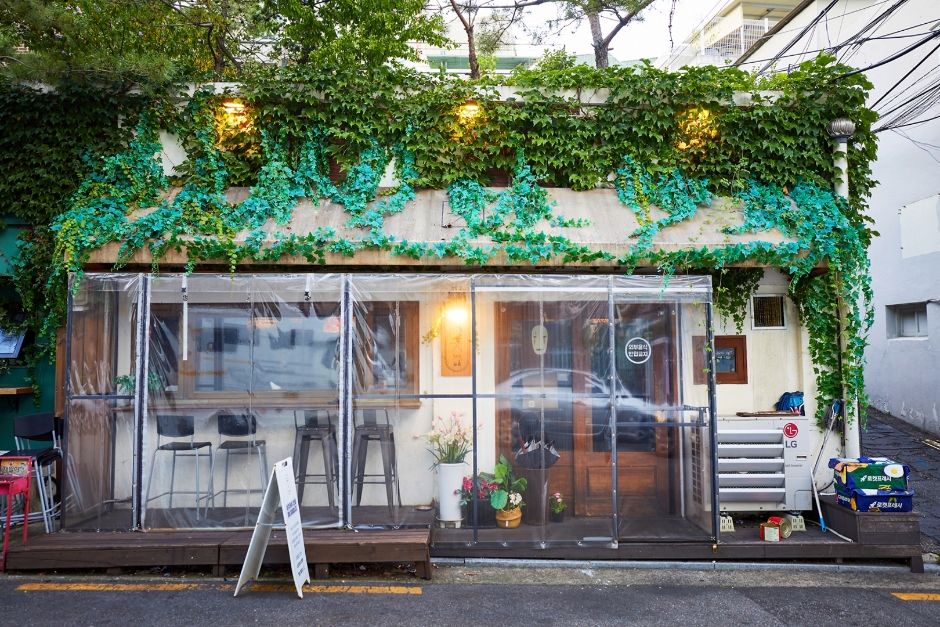
Anjjang (안짱)
13.7Km 2024-03-15
32 Tongil-ro 39-gil, Seodaemun-gu, Seoul
This Japanese-style bar and restaurant is run by a chef who studied abroad in Japan and serves delicious snacks that go well with alcoholic drinks. Spicy stir-fried soba, Japanese-style fried noodles with beef loin and vegetables, and grilled chicken, skewered chicken thighs grilled over a charcoal fire, are amazing. Be sure to check out today's menu, which changes every day. Some people try to order ramen because the restaurant was featured as a ramen restaurant in a K-drama, but ramen is not actually available. Besides highballs and sake, diners can also order a sour, which allows you to enjoy the freshness of lemon, citrus, and passion fruit. There is a cozy atmosphere created by unique props like cute dolls and mirror balls, making it a great place for a conversation.
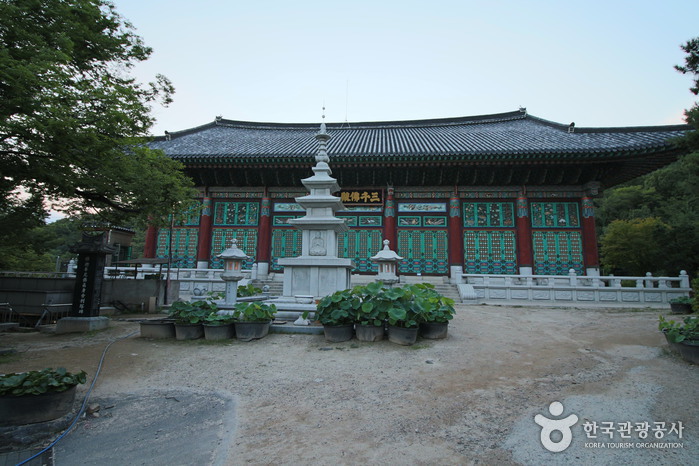
Bongwonsa Temple (봉원사)
13.7Km 2023-03-13
120, Bongwonsa-gil, Seodaemun-gu, Seoul
+82-2-392-3007
Located on the outskirts of Ansan Mountain in Bongwon-dong, Seodaemun-gu, Seoul, Bongwonsa Temple, as the center of Korean Buddhism Taego, is a thousand-year-old temple with a long history and tradition. In 889 (3rd year of Shilla Queen Jinseong’s reign), Monk Doseon founded it at the ground of Yeonhui Palace (now Yonsei Univ.) and named it Banyasa temple. It was destroyed during the Imjin War in 1592, and later in 1748 (the 24th year of Joseon King Yeongjo’s reign), it was rebuilt and renamed “Bongwonsa” by two Buddhist monks, Chanjeup and Jeungam.
“Yeongsanjae,” one of the Buddhist rituals and also a National Intangible Cultural Property, takes place at Bongwonsa on June 6 every year wishing for world peace and the reunification of North and South Korea. It was designated as one of the Intangible Cultural Heritage of Humanity by UNESCO in 2009. During Yeongsanjae, visitors can enjoy the Buddhist arts such as Beompae (Buddhist temple music for rituals) and dancing. Also, during summertime, Seoul Lotus Flower Culture Festival takes place, where visitors can enjoy the beautiful lotus flowers which are a symbol of Buddhism.
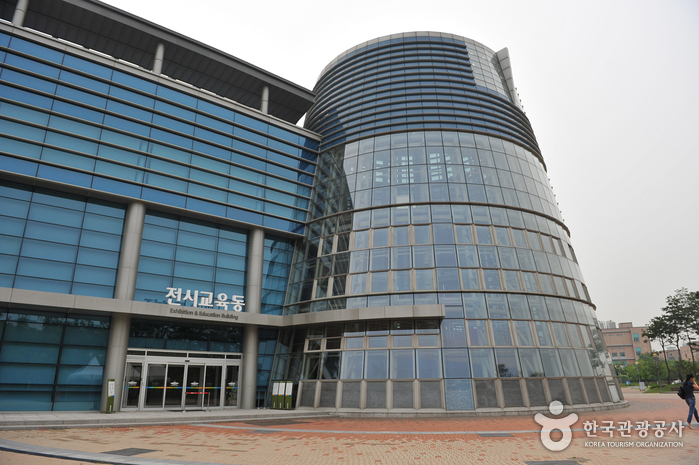
National Institute of Biological Resources (국립생물자원관)
13.8Km 2023-04-13
42, Hwangyeong-ro, Seo-gu, Incheon
+82-32-590-7000
Opened in October 2007, the National Institute of Biological Resources is the largest collection preservation facility in Northeast Asia. The institute collects, preserves, manages, and conducts research on biological resources with the aim of growing into a focal biological resource hub of Northeast Asia. The institute is comprised of a spine-shaped collections and research center and a leaf-shaped exhibition and education center. The exhibition hall has 3,905 specimens of 1,287 native species on display. Korea's diverse ecosystems are recreated as highly detailed dioramas at the exhibition hall. A small restaurant is located inside the research center, and the extensive grass field in front of the institute provides an ideal picnic spot.
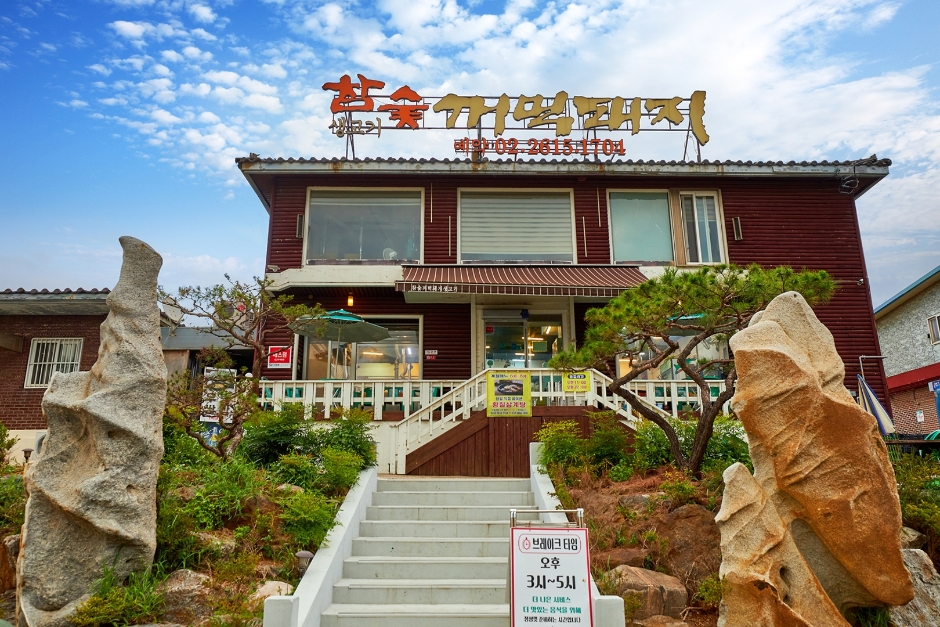
Chamsut Kkeomeok Doeji (참숯꺼먹돼지)
13.8Km 2024-04-08
414 Gwangmyeong-ro, Gwangmyeong-si, Gyeonggi-do
Chamsut Kkeomeok Doeji is a black pork restaurant that has been open for a long time in Gwangmyeong. The place serves black pork raised in the nature of Jirisan Mountain, 700 meters above sea level. The pork skin and fat are the highlights of the black pork belly. The more the meat is chewed on, the richer in flavor it becomes. Freshwater snail, leaf wraps and rice, kimchi jjigae, braised aged kimchi (has a more sour and deep taste than regular kimchi), spicy stir-fried pork, and cold buckwheat noodles are also available, perfect dishes for eating with grilled pork.
 English
 한국어
한국어 日本語
日本語 中文(简体)
 Deutsch
 Français
 Español
 Русский


