![Hwachang Co., Ltd. - Seoul Branch [Tax Refund Shop] (화창토산 서울)](http://tong.visitkorea.or.kr/cms/resource/71/2889071_image2_1.jpg)
Hwachang Co., Ltd. - Seoul Branch [Tax Refund Shop] (화창토산 서울)
11.9Km 2024-04-18
212, Yeonhui-ro, Seodaemun-gu, Seoul
-
![CheongKwanJang - Hangangno Branch [Tax Refund Shop] (정관장 한강로)](http://tong.visitkorea.or.kr/cms/resource/31/2889731_image2_1.jpg)
CheongKwanJang - Hangangno Branch [Tax Refund Shop] (정관장 한강로)
11.9Km 2024-04-18
1F, Junggwanjang Hangang-ro Branch, 159-1, Hangang-daero, Yongsan-gu, Seoul
-

THE WELL SAEM HOSPITAL OF KOREAN MEDICINE (더웰샘한방병원)
11.9Km 2025-10-23
4th, 6th Floors, Hanil Plaza, 7 Namhyeon-gil (Namhyeon-dong), Gwanak-gu, Seoul
Integrative medicine, which links the strengths of Korea’s traditional medicine and Western medicine, is cutting-edge convergent medicine that provides optimal services for patients in most fields, except surgery and emergency medicine.
Traditional Korean treatments and modern medical treatments can deliver superior results compared to stand-alone therapies when applied in a patient-centered, multidisciplinary, and integrative manner. This is especially important for patients with intractable diseases such as cancer, severe chronic pain caused by aging and degenerative changes, and systemic symptoms resulting from recurrent inflammation and metabolic disorders. In such cases, integrative medicine represents a new paradigm that seeks not only physical health but also holistic recovery.
THE WELL SAEM HOSPITAL OF KOREAN MEDICINE pursues this integrative medicine, supporting patients’ faster recovery while also promoting the excellence of the Korean healthcare system worldwide, thereby aiming to create a pain-free, healthy world for all.
![CK Globalnet [Tax Refund Shop] (씨케이글로벌네트)](http://tong.visitkorea.or.kr/cms/resource/62/3312862_image2_1.jpg)
I'mdr. LLC. (아임닥터 유한책임회사)
12.0Km 2025-10-23
3F, 6-3 Bugahyeon-ro 2-gil, Seodaemun-gu, Seoul
I'mdr. LLC., leads the global medical tourism market with Korea's cutting-edge medical technology and world-class medical services.
With I'mdr, a health and beauty trip to Korea will be safer and more comfortable. It provides both aesthetic medical services and treatment for severely ill patients. Enjoy innovative, patient-centered medical tourism experience through I'mdr.'s customized medical concierge services.
![Aritaum - Isu Branch [Tax Refund Shop] (아리따움 이수)](http://tong.visitkorea.or.kr/cms/resource/26/2880026_image2_1.jpg)
Aritaum - Isu Branch [Tax Refund Shop] (아리따움 이수)
12.0Km 2024-04-22
1F, 25, Dongjak-daero 29-gil, Dongjak-gu, Seoul
-
Seodaemun Culture & Sports Center Swimming Pool (서대문 문화체육회관 실내수영장)
12.0Km 2024-03-20
39 Baekryeonsa-gil, Seodaemun-gu, Seoul
Seodaemun Culture & Sports Center Swimming Pool, covering 973 square meters, features a total of seven lanes with both adult and children's pools. The facility provides regular swimming lessons, survival swimming lessons, aqua aerobics, and more. The water quality is maintained using a natural salt electrolysis system. For free swimming, visitors can purchase tickets from the kiosk on the second floor, receive wristbands from the information desk, and enjoy the facility at an affordable cost.
Supsok Hanbang Land (숲속한방랜드)
12.0Km 2024-03-18
75-7 Bongwonsa-gil, Seodaemun-gu, Seoul
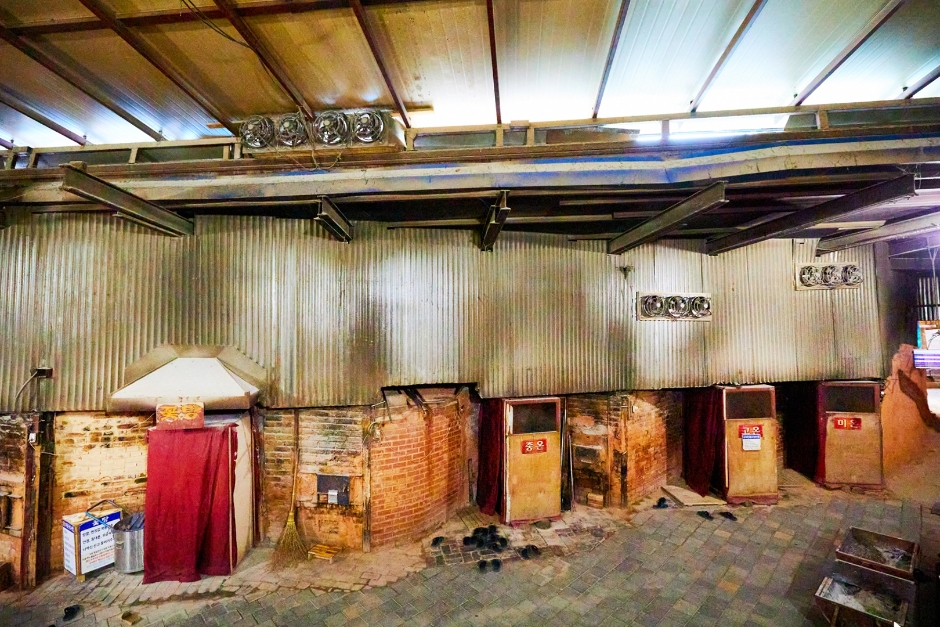
Jjimjjilbang, a Korean-style sauna that combines a traditional bathhouse with a hot steam room, is often ranked high among the unique experiences in Korea chosen by foreigners. Taking a steam bath in a charcoal kiln discharges waste products from the skin through sweat and eliminates accumulated fatigue. Supsok Hanbang Land has several charcoal kilns for different temperatures. Using them in order from low to high-temperature rooms is good, but the highest-temperature room, “Kkottang,” has a risk of causing skinburn, so visitors are advised to wear socks and cotton gloves to enter the room. Another unique experience is to grill sweet potatoes or rice cakes on the brazier in front of the charcoal kiln.
Hyundai Yacht Seoul Branch (현대요트 서울지점)
12.0Km 2024-01-04
350 Dongjak-daero, Seocho-gu, Seoul
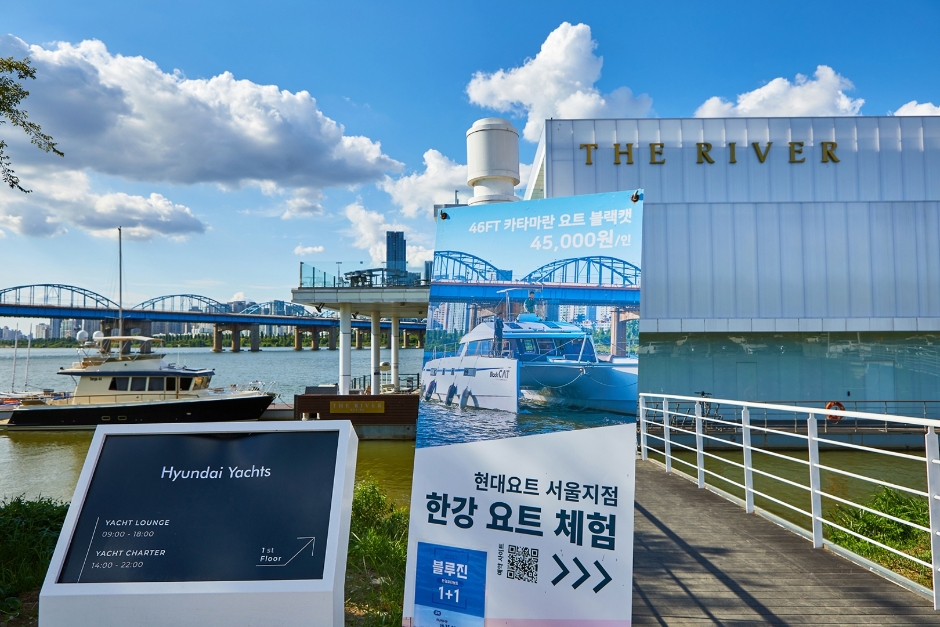
Hyundai Yacht Seoul Branch is where visitors can enjoy water sports such as yachting, dinghy yachts (small sail yachts for one to three people without engines and cabins), and kayaking on the Hangang River. It is located in “The River” in Banpo Hangang Park. Luxury yachts, named Black Cat and Blue Jin, are popular with families, while those who enjoy thrilling activities prefer dinghy yachts and kayaks. Visitors can enjoy an incredible sunset on the water as the Hangang River and Seoul's cityscape create an amazing view.
Seodaemun Museum of Natural History (서대문자연사박물관)
12.0Km 2021-07-02
51, Yeonhui-ro 32-gil, Seodaemun-gu, Seoul
+82-2-330-8899
Nestled at the foothills of Ansan Mountain, a natural resting area in the city, Seodaemun Museum of Natural History is the first natural history museum in the nation to be established by a government agency. Opened on July 10, 2003, the museum offers various opportunities to experience and learn about the environment. It also provides the chance to interact with animals and plants, teaching the value of life.
 English
 한국어
한국어 日本語
日本語 中文(简体)
 Deutsch
 Français
 Español
 Русский


