
![Miduem Eyewear - Hoehyeon Branch [Tax Refund Shop] (믿음안경 회현)](http://tong.visitkorea.or.kr/cms/resource/82/2878582_image2_1.jpg)
Miduem Eyewear - Hoehyeon Branch [Tax Refund Shop] (믿음안경 회현)
6.5Km 2024-04-18
33-1, Namdaemunsijang 4-gil, Jung-gu, Seoul
-
Miduem Optics [Tax Refund Shop] (믿음안경)
6.5Km 2024-06-27
33-1, Namdaemunsijang 4-gil, Jung-gu, Seoul
-
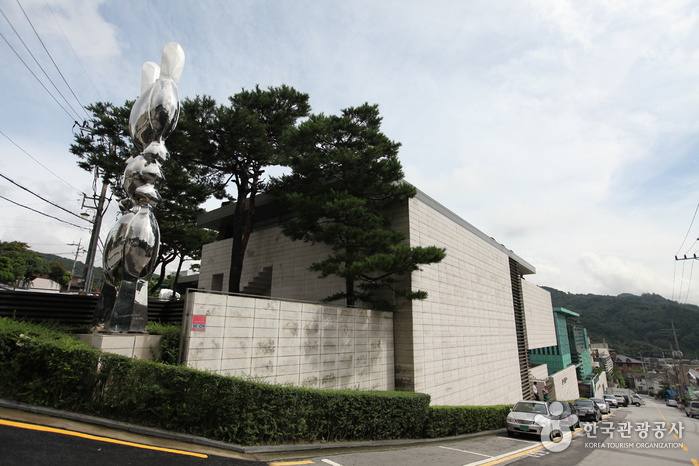
Gana Art Center (가나아트센터)
6.5Km 2024-03-18
28 Pyeongchang 30-gil, Jongno-gu, Seoul
The Gana Art Center located at the foothills of Bukhansan Mountain has been showcasing more than 300 exhibitions since its opening in 1983. Through both national and international exhibitions, the Gana Art Center is a recognized gellery. With numerous fairs and exhibitions, Gana Art Center not only invite internationally known artists, but also promotes other forms of art, such as music, theater, mime, etc. Through their flexibility in promoting all art forms, the visitors will surely be able to find the theme of their interest.
![Hanaro Optics [Tax Refund Shop] (하나로안경원)](http://tong.visitkorea.or.kr/cms/resource/80/2878580_image2_1.jpg)
Hanaro Optics [Tax Refund Shop] (하나로안경원)
6.5Km 2024-04-19
48, Namdaemunsijang 4-gil, Jung-gu, Seoul
-
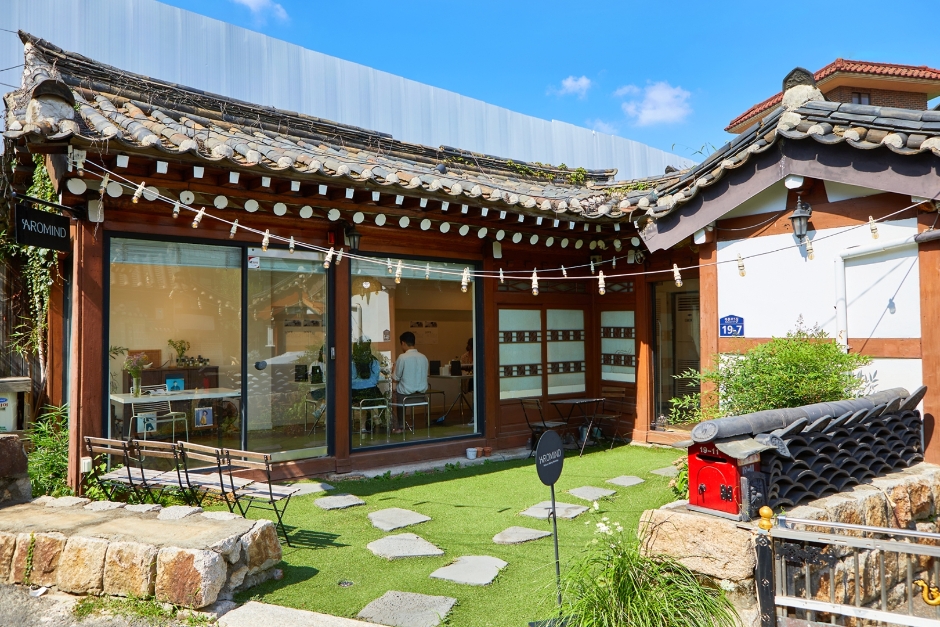
Aromind (아로마인드)
6.5Km 2024-01-30
19-7 Bukchon-ro 5-gil, Jongno-gu, Seoul
Aromind is a perfume workshop that offers a perfume-making experience with a professional perfumer in a quiet hanok building. Visitors can create their own one-of-a-kind perfume by choosing three out of 30 different scent options that change on a seasonal basis. A perfume one-day class is held for one to eight people for one to one and a half hours. The fee for the experience includes a 50 ml product and a 10 ml sample. They also offer the class in Korean with English interpretation when there non-Korean speaking participants. Aromind is the perfect place to create your own scent to associate your memory of Korea.
KongKongY Gallery [Tax Refund Shop] (콩콩이 그림가게)
6.5Km 2024-04-19
Store #325, 3F, 49, Insadong-gil, Jongno-gu, Seoul
-
Bachi Ring (UMC Jewelry) [Tax Refund Shop] (바치링(UMC쥬얼리))
6.5Km 2024-04-19
#414, 49, Insadong-gil, Jongno-gu, Seoul
-
High - Anguk Branch [Tax Refund Shop] (하이엔드코리아 안국)
6.5Km 2024-04-17
1F, 62-5, Insadong-gil, Jongno-gu, Seoul
-
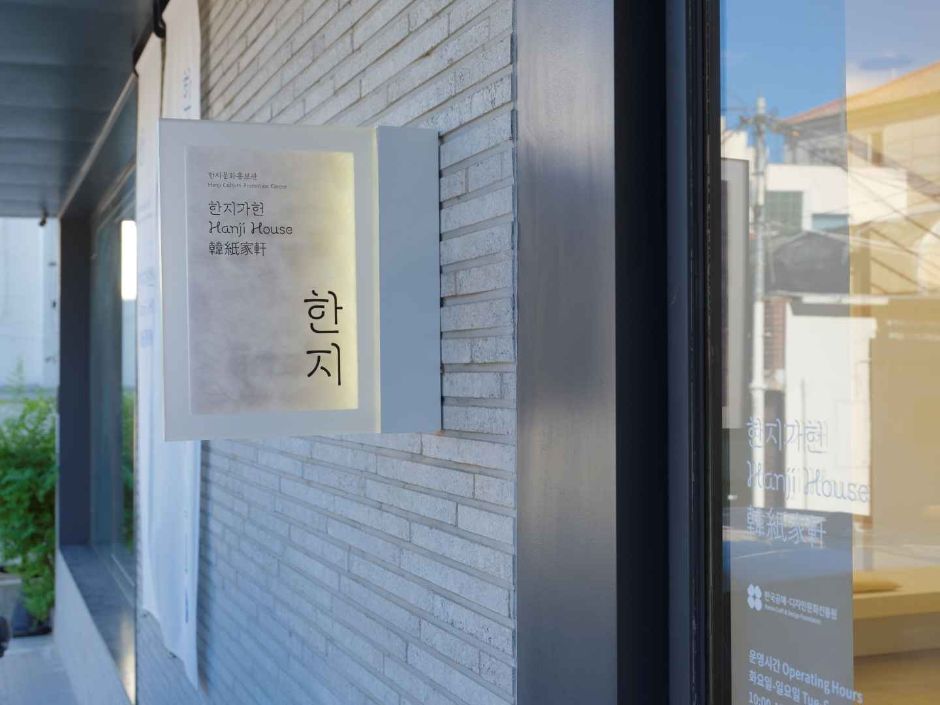
Hanji House (한지가헌)
6.5Km 2025-07-25
31-9 Bukchon-ro, Jongno-gu, Seoul
Hanji House was founded to pass on the cultural heritage of hanji, traditional Korean paper, as well as to promote its excellence and uses in everyday life. The center is operated by Korea Craft & Design Foundation, and offers a variety of programs that consist of exhibitions, hands-on activities, classes, and marketing hanji products. On the first floor is Hanji Showroom, where various exhibitions take place to showcase hanji of the past and the present. The basement floor comprises Hanji Open Archive, Hanji Print Studio, and Hanji Workroom, where most of the hands-on activities and classes are held. Hanji House also offers a docent program for exploring the whole area.
 English
 한국어
한국어 日本語
日本語 中文(简体)
 Deutsch
 Français
 Español
 Русский


