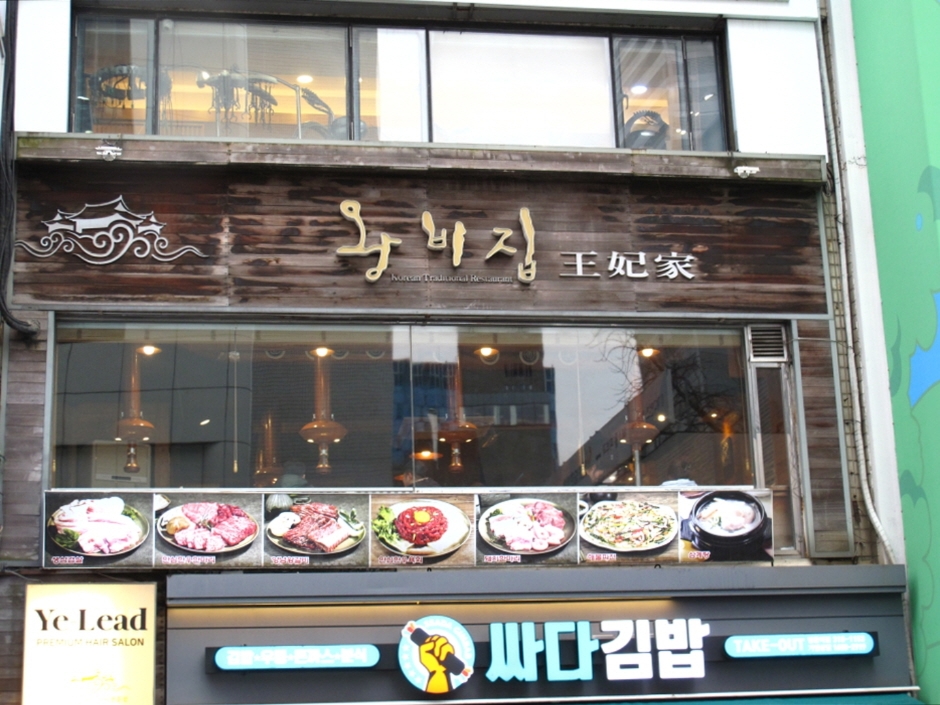
Wangbijip (왕비집)
7.3Km 2024-03-11
26, Myeongdong 8ga-gil, Jung-gu, Seoul
+82-2-3789-1945
Wangbijip is a restaurant where all the meat is grilled by the staff. They focus on meats such as hanu galbisal (grilled boneless korean galbi) and sweet grilled marinated galbi. Popular lunch specialties include sogalbi jeongsik (grilled galbi set menu), bori gulbi jeongsik (barley-aged dried yellow croaker set menu), and dwaeji galbi jeongsik (grilled pork galbi set menu). The set menucomes with soybean paste jjigae and janchi guksu (banquet noodles) for a small serving. The lightly flavored janchi guksu is the best combination with the marinated galbi, giving it a light aftertaste.

Artbox - Daehangno Branch [Tax Refund Shop] (아트박스 대학로)
7.3Km 2024-04-22
22, Daemyeong-gil, Jongno-gu, Seoul
-
![Lf Hazzys - Myeong-dong [Tax Refund Shop] (LF(명동헤지스종합))](http://tong.visitkorea.or.kr/cms/resource/55/2878655_image2_1.jpg)
Lf Hazzys - Myeong-dong [Tax Refund Shop] (LF(명동헤지스종합))
7.3Km 2024-04-19
28, Myeongdong 8ga-gil, Jung-gu, Seoul
-
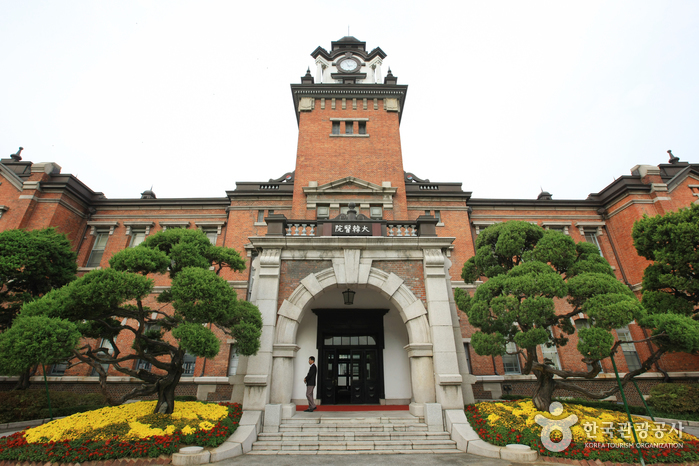
Seoul Daehan Hospital (서울 대한의원)
7.3Km 2021-12-23
101, Daehak-ro, Jongno-gu, Seoul
+82-2-2148-1842
Daehanuiwon (Daehan Medical Center) is an antique two-story brick building within the grounds of Seoul National University Hospital. It was established under the direct administration of the Uijeongbu (State Council), combining the Gwangjewon (under the Home Ministry), Gyeongseong Medical School and the Korean Red Cross Hospital (under the Royal Household).
Built in the Madubong Hill area, this location where Hamchunwon, the outer garden of Changgyeonggung Palace, once stood in 1484 (15th year of King Seongjong), was also once the site of Gyeongmogung Palace, where King Jeongjo enshrined the mortuary tablet of his birth father Crown Prince Sado Seja in 1776 (the year King Jeongjo ascended to the throne).
These places that held importance for the royal family were destroyed as the Japanese built Gyeongseong Empire University in its place. In 1907, with the announcement of the plan to establish Daehan Medical Center, construction began on the main building, seven wards and affiliated buildings. Construction was completed in November 1908.
The Daehan Medical Center opened in Gwangjewon, but upon Japanese colonization in 1910, its name was changed to the Japanese Viceroyalty Hospital. In 1926, it was included as a part of Gyeongseongjeguk University to become a university hospital. Since the liberation of Korea in 1945, it has been a hospital affiliated with Seoul National University.
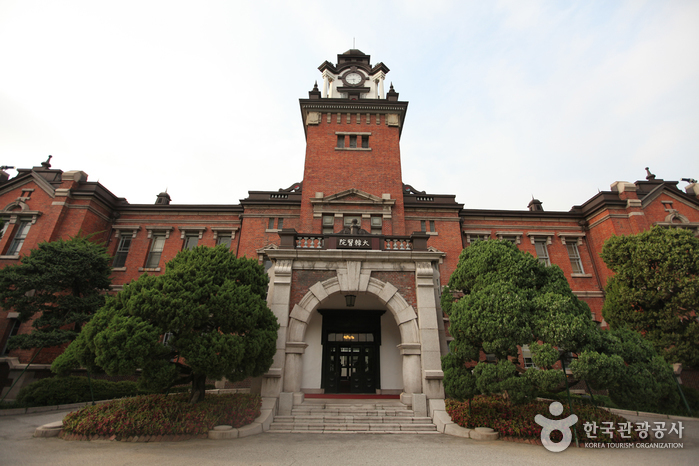
The Museum of Medicine (서울대학교병원의학박물관)
7.3Km 2024-03-18
101 Daehak-ro, Jongno-gu, Seoul
The Museum of Medicine is located in the building of the former Daehan Medical Center, the oldest modern hospital in Korea. It is a medical museum that provides a comprehensive view of the development of modern medicine in Korea, the history of medical devices, and the transformation of Seoul National University Hospital. Through permanent and special exhibitions, the museum showcases medical artifacts and documents related to the history of medicine.
Seoul Hyochang Park (서울 효창공원)
7.3Km 2024-07-09
177-18 Hyochangwon-ro, Yongsan-gu, Seoul
+82-2-2199-7608
Hyochang Park covers 122,245 square meters spanning across Hyochang-dong and Cheongpa 2-dong. It is a historic landmark that once contained several royal tombs, and was known at that time as Hyochangwon. The cemeteries that were originally located in Hyochangwon belonged to Crown Prince Munhyo, King Jeongjo’s first son who died at the age of five; Royal Noble Consort Uibin of the Seong Clan, King Jeongjo’s royal concubine and Crown Prince Munhyo’s mother; Royal Noble Consort Sugui of the Park Clan, King Sunjo’s royal concubine; and her daughter Princess Yeongon. The royal tombs were moved to Seooreung Tombs in the waning months of the Japanese colonial period. The Japanese empire began the development of Hyochangwon into a park in 1924, and the Japanese governor-general officially assigned the site as a park in 1940.
Presently, several of Korea’s greatest leaders are buried in Hyochang Park. The remains mostly belong to independence activists including Yoon Bong-gil, Lee Bong-chang, and Baek Jeong-gi, whose graves are collectively known as Samuisa Tomb. A statue of Lee Bong-chang has been built in the graveyard. Among the other patriotic martyrs who are interred in the park are Kim Gu and some of the key figures of the provisional government such as Lee Dong-nyeong, Cha I-seok, and Cho Seong-hwan. An ancestral shrine named Uiyeolsa has been built along the main gate and holds the portraits of the deceased independence activists.
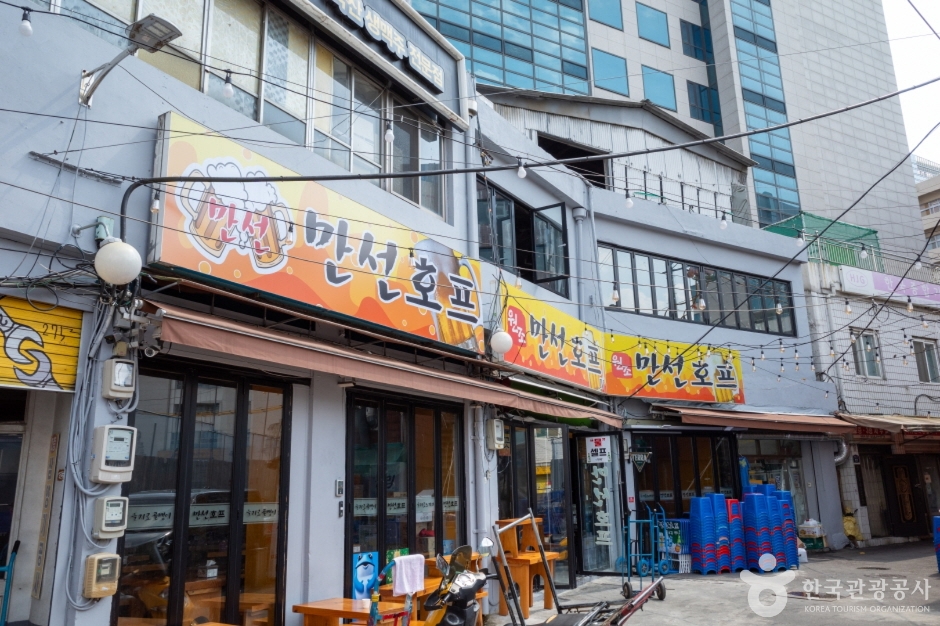
Manseon Hof (만선호프)
7.3Km 2024-03-15
19, Eulji-ro 13-gil, Jung-gu, Seoul
+82-2-2274-1040
Located in Euljiro Nogari Alley, Manseon Hof is a beer bar. The place is bustling late at night with people drinking beer and eating snacks like nogari (dried young pollack) and fried chicken at sidewalk tables. It is a great place to enjoy a cold draft beer and grilled dried young pollack dipped in spicy sauce and mayonnaise. Golbaengi muchim (sea snail salad) and gyeran mari (rolled omelet) are also other popular accompaniments.
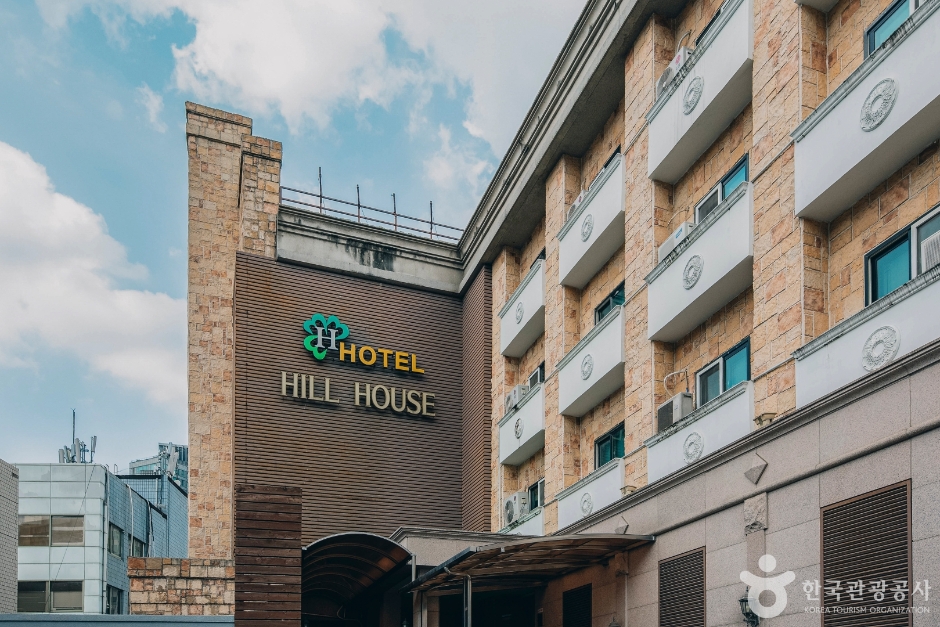
Hillhouse Hotel / 힐하우스 호텔
7.3Km 2025-03-18
42 , Sogong-ro 3-gil, Jung-gu, Seoul
+82-2-777-8135
Hill House Hotel is a business hotel at the foot of Namsan Mountain in Seoul. Free internet is available in all rooms, and there is a shared microwave on the first floor. A free luggage storage service is provided for customers’ convenience. Nearby transport links include Hoehyeon subway station, Seoul Station, and Myeongdong subway station, so this is a good base for exploring downtown Seoul. Namsan Park, N Seoul Tower and Namdaemun Market are all within walking distance.
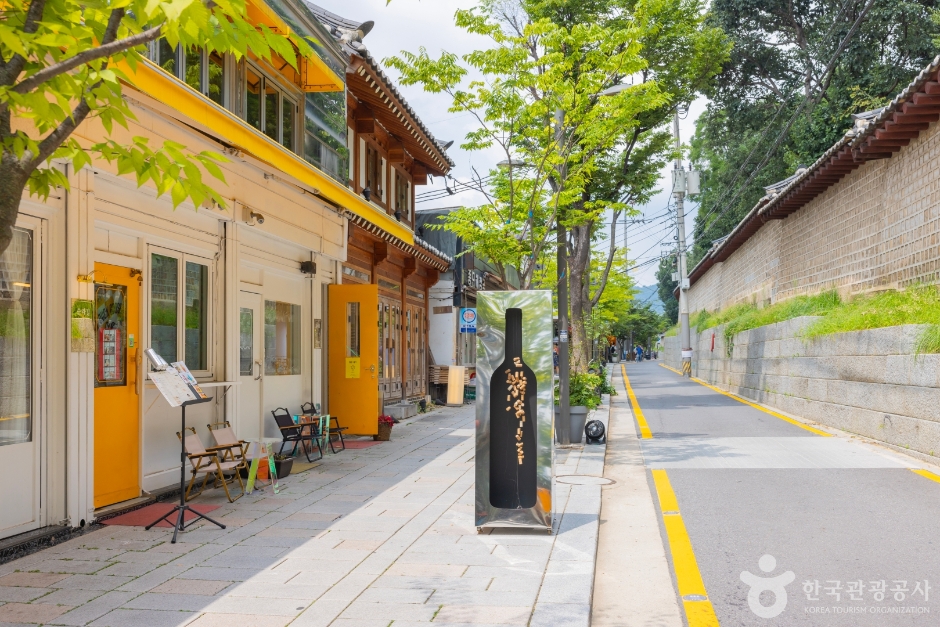
Seosulla-gil Road (서순라길)
7.3Km 2024-10-14
150-3 Jong-ro, Jongno-gu, Seoul
Seosulla-gil Road is a road that was used by the nightguards during the Joseon dynasty. The road is on the west of Jongmyo Shrine with various attractions nearby including Ikseon-dong, Insa-dong, Bukchon, and Samcheong-dong, as well as restaurants, cafes, and handicraft workshops. The road is also a beautiful date course with flowers in spring and fall foliage in autumn..
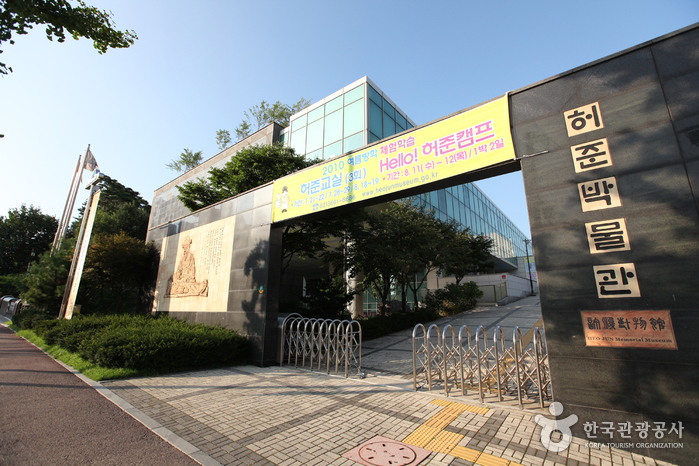
Heojun Museum (허준박물관)
7.3Km 2021-08-13
87, Heojun-ro, Gangseo-gu, Seoul
+82-2-3661-8686
The Heojun Museum opened in honor of the academic accomplishments and charitable deeds of the renowned medical scientist, Heojun of the Joseon dynasty. Located next to Heojun Neighborhood Park, the museum collects and displays Heojun related materials.
 English
 한국어
한국어 日本語
日本語 中文(简体)
 Deutsch
 Français
 Español
 Русский


