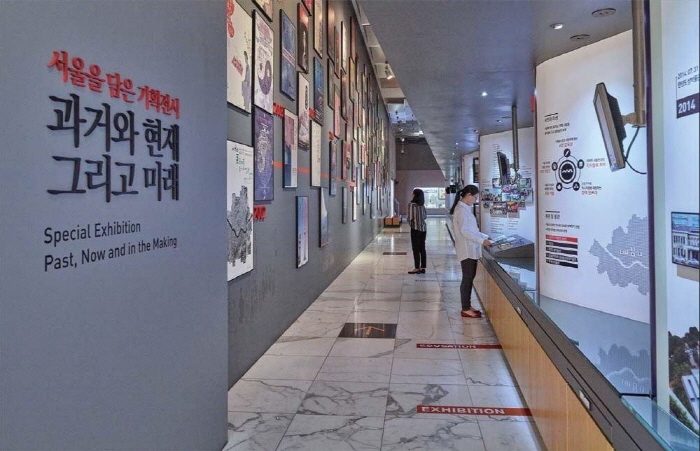
Seoul Museum of History (서울역사박물관)
510.2M 2025-01-17
55 Saemunan-ro, Jongno-gu, Seoul
Seoul Museum of History covers everything about Seoul's history and culture from the prehistoric era to modern times, focusing especially on the Joseon era. The museum aims to raise cultural awareness and build a strong bond within the community by collecting, preserving, researching, and displaying artifacts and materials related to Seoul as well as promoting the city's history and culture to an international audience.
![Seochon Guest House [Korea Quality] / 서촌게스트하우스 [한국관광 품질인증]](http://tong.visitkorea.or.kr/cms/resource/86/2998986_image2_1.jpg)
Seochon Guest House [Korea Quality] / 서촌게스트하우스 [한국관광 품질인증]
516.7M 2023-09-05
28-3 , Jahamun-ro 7-gil, Jongno-gu, Seoul
+82-2-473-9680
Seochon Guest House in Seochon, Jongno, Seoul, consists of a 90 year-old hanok and a two-story Western-style house. A 6-cheop table is provided for meals, and travelers can use the 1st floor rooms and hall at any time. In the yard, Pansori performances are held twice a year, and residents can sample traditional music, wearing hanbok, and making Korean food; the guesthouse’s other name is Pleasure Valley (Jaeminan Gol)! There are programs for visiting Inwangsan-Bukaksan fortress trail, Gyeongbokgung and other royal palaces, and nearby traditional markets.

Korea Medical Tourism Promotion Association ((사)대한의료관광진흥협회)
531.6M 2025-10-23
(#601) 29-3 Saemunan-ro 9-gil, Jongno-gu, Seoul
The Korea Medical Tourism Promotion Association aims to attract over 100,000 medical tourists within three years by establishing a structured system for attracting medical tourists, training specialized personnel, and supporting both domestic and international medical tourism. With the increasing number of foreign visitors coming to Korea for various purposes beyond tourism, such as international conferences, business, and exhibitions, there is a growing need for specialized services.
Plans is a company that can meet all these diverse customer needs. ceremonial arrangements, tours, and events often proceed irregularly due to changes in weather, group size, and transportation. To address these variables, Plans, the plural form of "Plan," represents a company that is always prepared from start to finish. It is a leading VIP travel agency in Korea, tailored to meet the needs of its clients.
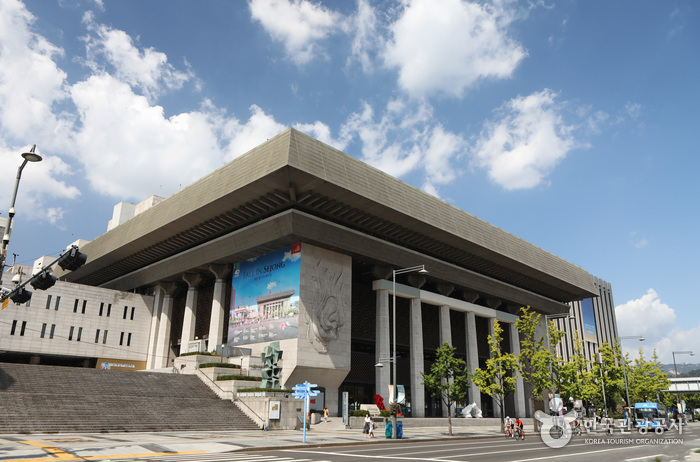
Sejong Center (세종문화회관)
542.0M 2023-06-14
175, Sejong-daero, Jongno-gu, Seoul
+82-2-399-1000
Sejong Center, officially known as Sejong Center for the Performing Arts, opened on July 1, 1999 to provide citizens with a cultural art space. Having completed a grand remodeling project in 2007, Sejong Center offers customer-friendly programs aimed at improving the quality of art performances in a comfortable resting area. Comprising the Grand Theater of Sejong Center, Sejong M Theater, Sejong Chamber Hall, Exhibition Hall, and other subsidiary facilities, Sejong Center is a multicultural art center.
Various genres of performances including traditional, classic, and crossover have taken place in the center, giving many opportunities for cultural nostalgia.
* Opened April 14, 1978
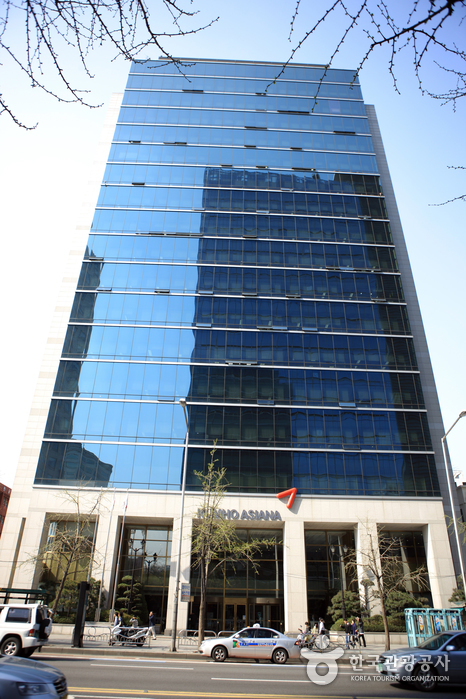
Kumho Art Hall (금호아트홀)
562.4M 2021-05-28
76, Saemunan-ro, Jongno-gu, Seoul
+82-2-6303-1977
Kumho Art Hall was built in 2000 exclusively for classical music concerts, with 390 seats, the perfect structure for chamber concerts. All seats are recital hall chairs and the wide spacing between rows of chairs helps the audience to have a pleasant time. Upon entering the theater, all cell phones will turn off automatically. This helps all visitors to enjoy the concert without being interrupted by ringing cell phones. The interior is cozy and luxurious, and the stage is made of maple.
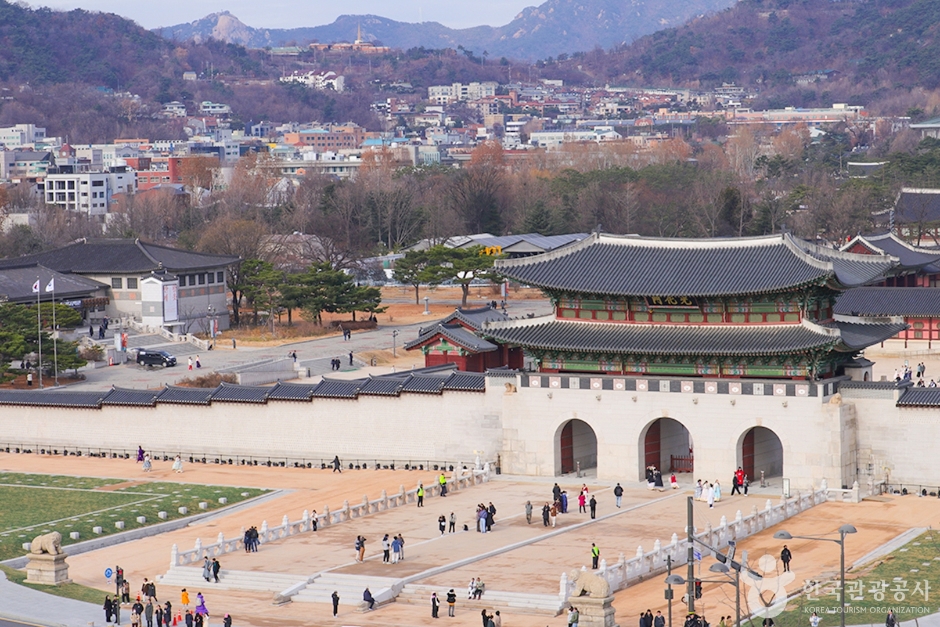
Gwanghwamun Gate (광화문)
565.1M 2024-12-04
161 Sajik-ro, Jongno-gu, Seoul
+82-2-3700-3900
Built in 1395 under the reign of King Taejo, the first king of the Joseon dynasty, Gwanghwamun Gate is the southern gate of Gyeongbokgung Palace. It is also the main gate of the palace, therefore larger and fancier in comparison to the other gates. Gwanghwamun Gate consists of three arched gates; the center gate was used by the king, while the other two were used by the crown prince and royal officials. The tall granite walls of the gate serve as a platform for the wooden gate tower that watches over the city. The gate has a sign with its name written at the top center of the gate tower.
Gwanghwamun Gate went through several damages and restorations over the course of history. It was first severely damaged during the Imjin War (1592-1598) and was not restored until the reconstruction of Gyeongbokgung Palace in 1864. Under the Japanese administration, the gate was demolished and relocated to the north of the palace's eastern gate, followed by series of damages during the Korean War (1950-1953). In 1968, Gwanghwamun Gate was relocated back to the south of the palace and was rebuilt using concrete; however, the gate’s position was shifted a few meters away from its original location. In 2006, a major reconstruction project took place to restore Gwanghwamun Gate to its original state and location, disassembling the structure completely and replacing concrete with granite and wood. After three years and eight months of construction, Gwanghwamun Gate was fully restored to its original form and was open to the public on August 15, 2010.
Homeplus Express - Gwanghwamun Branch [Tax Refund Shop] (홈플러스익스프레스 광화문)
565.9M 2024-04-18
91, Saemunan-ro, Jongno-gu, Seoul
-
Boan1942 (보안1942)
579.0M 2023-08-17
33 , Hyoja-ro, Jongno-gu, Seoul
Prior to becoming an art space in 2007, Tongui-dong Boan served as a place for rest for travelers from 1942 to 2005. After a short suspension, the place was renovated into a cultural space in 2017 to carry on the historical legacy and provide creative inspiration under the concept of "Boanstay."
Boan1942 is divided into a cultural space consisting of a cafe, project workshop, book shop, and exhibition area, and Boanstay on the 3rd and 4th floors that offer temporary lodging services to the cultural nomads. Located in Seochon, the center of culture, history, and convenient traffic in Seoul, Boanstay offers a splendid view of Seoul's historical and cultural assets such as Gyeongbokgung Palace, Cheong Wa Dae, and Seochon Hanok Village.
<Credit: Boanstay>
Gwanghwamun Plaza (광화문 광장)
586.8M 2025-03-13
172 Sejong-daero, Jongno-gu, Seoul
+82-2-120
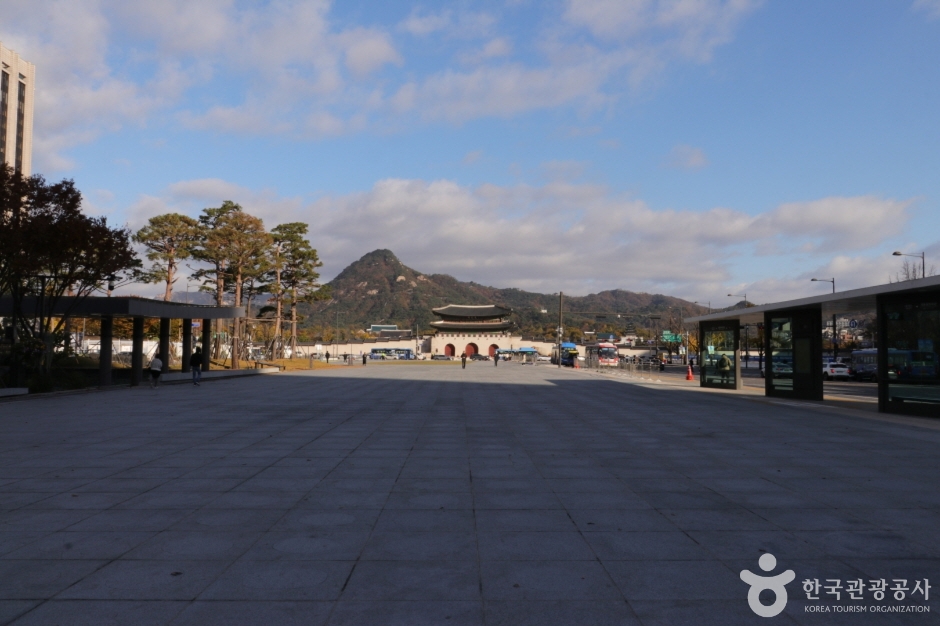
Gwanghwamun Plaza was opened to the public in August 2022 after renovation. Sejong-ro, the main street of Seoul with 600 years of history, has been reborn as a space for historical and cultural experiences by restoring Yukjo Street. Woldae (Elevated Ceremonial Stage) was reconstructed at the entrance of the "Plaza that Recovers the History of Gwanghwamun," and the statue of Haetae, an imaginary animal that judges good and evil, has been restored. In addition, traces of Yukjo Street, the main street of Hanyang in the past, were restored in the ‘Plaza that recreates the scenery of Yukjo Street’ near Sejong-ro Park, with a scale model installed. This is an excellent place for a stroll with beautiful scenery, including Gyeongbokgung Palace and Bugaksan Mountain.
Four Seasons Charles H. (포시즌스호텔서울 찰스.H)
586.3M 2024-03-15
97 Saemunan-ro, Jongno-gu, Seoul
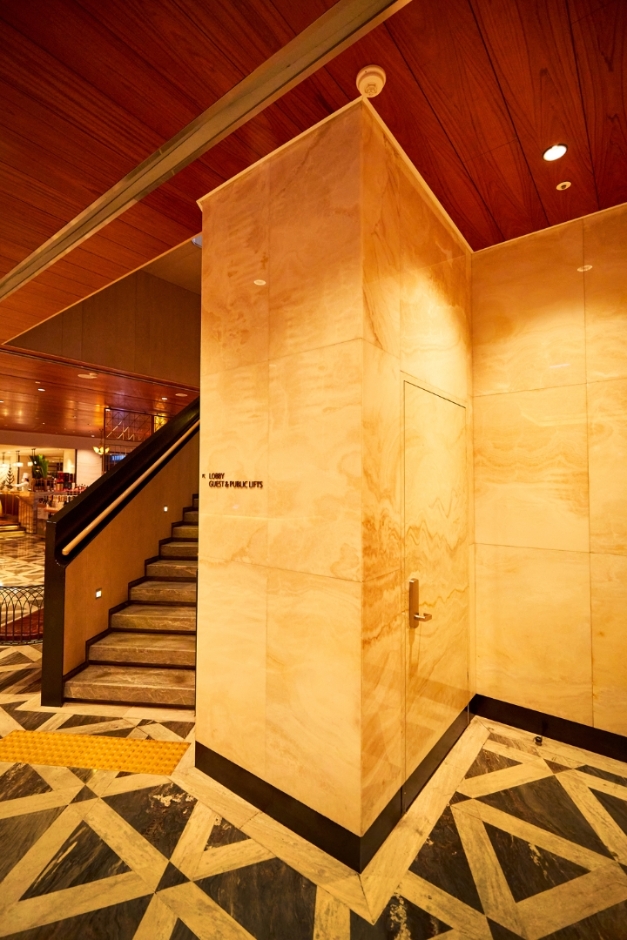
This bar is named after the legendary American writer Charles H. Baker. It is inspired by speakeasy bars, which were bars hidden from sight during the Prohibition period, so its door blends into the surrounding walls. So, when one steps into the space, it is like stepping into a secret hangout. A cover charge of 10,000 won gives patrons a welcome drink, finger foods, and snacks. The menu is inspired by cocktails that Charles H. Baker had across the world, such as New York City, Mexico, Shanghai, Cuba, and Tahiti. It won 7th place in Asia’s 50 Best Bars list and 42nd place in the World’s 50 Best Bars list. The ambience is relaxed, and attentive services ensure that you can have a comfortable time here.
 English
 한국어
한국어 日本語
日本語 中文(简体)
 Deutsch
 Français
 Español
 Русский


