Cultural Space Yangsajae (문화공간 양사재)
11.5Km 2025-12-05
40 Omokdae-gil, Wansan-gu, Jeonju-si, Jeonbuk-do
+82-63-282-4959
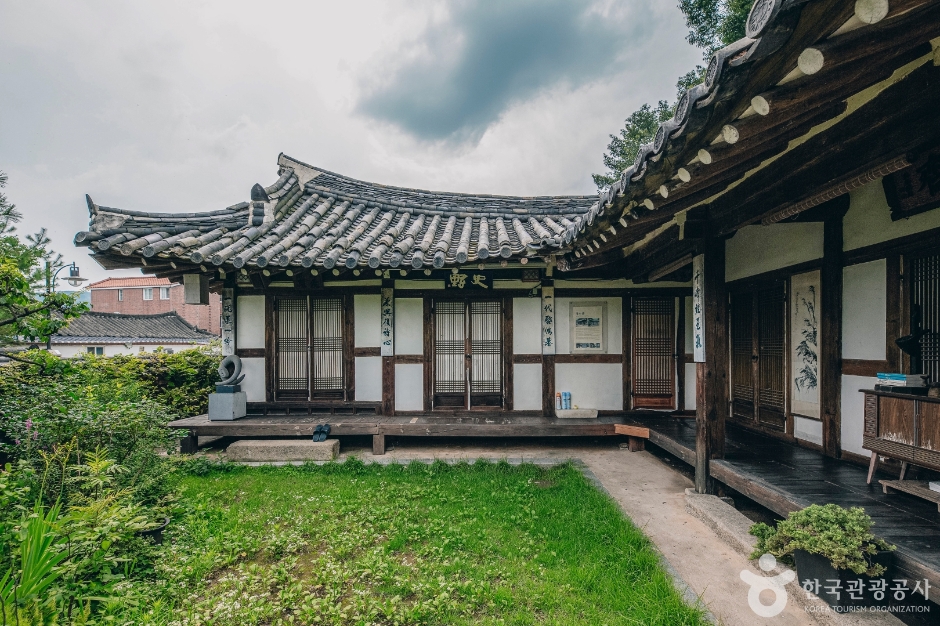
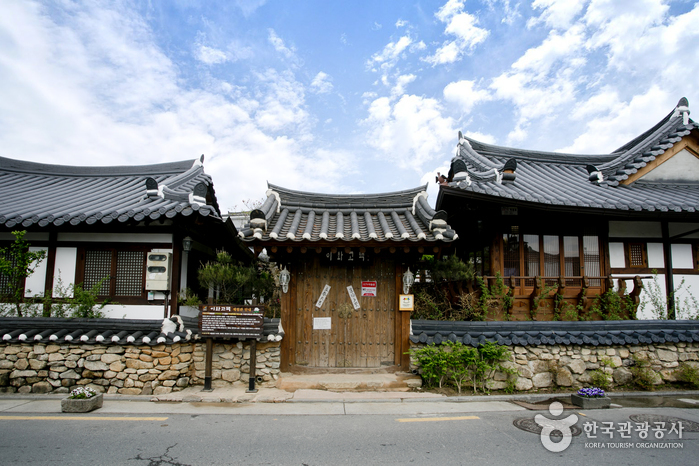
Yangsajae is located in Jeonju Hanok Village in Jeonbuk State. It is an annex building of Jeonjuhyanggyo Local Confucian School, a Confucian school for scholars during the Joseon dynasty, and characterized by a scenic front yard that appears as soon as one pass through the main gate.
GaEunChae2 (가은채2)
11.5Km 2024-12-23
100-20 , Hanji-gil, Wansan-gu, Jeonju-si, Jeonbuk-do
+82-63-284-7775, +82-10-6335-5267
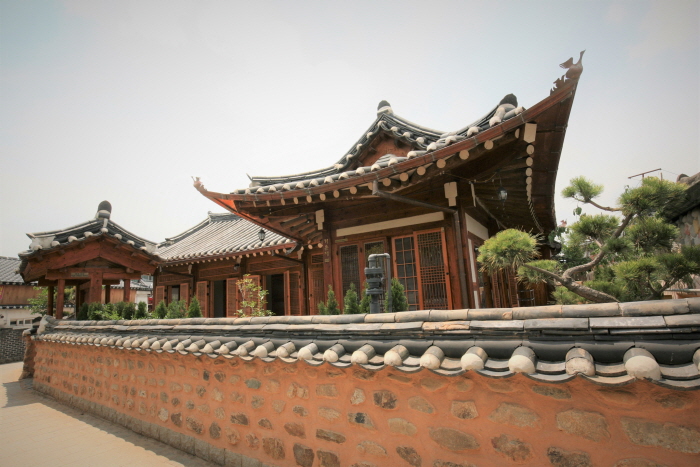
Gaeunchae 2 is the sister hanok of Gaeunchae in Jeonju Hanok Village, Jeollabuk-do. It’s a traditional red clay-walled hanok with ondol underfloor heating, exposed roof beams and hanji wallpaper and flooring - creating a beautiful and distinctive hanok interior. It has a small hallway which is good for storing luggage or just to sit and chat. In the garden are sculpted stone lanterns and tigers. Local attractions such as Jeondong Cathedral and Gyeonggijeon Shrine are a short walk away.
Jeonju Nanjang (전주난장)
11.5Km 2024-04-06
33-20 Dongmun-gil, Wansan-gu, Jeonju-si, Jeonbuk-do
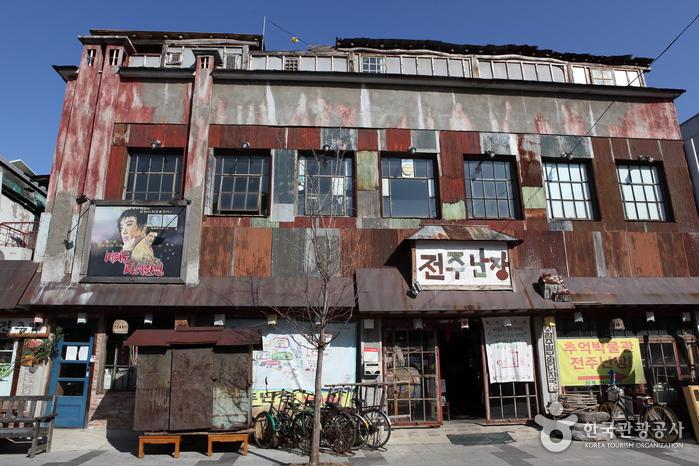
Jeonju Nanjang is a theme park style museum with over 25 years of materials for an attraction within Jeonju Hanok Village perfect for photo shoot and experience programs. There are more than 70 theme zones as well as a water well that is over 110 years old. Visitors can enjoy the retro feel as they roam around a museum filled with history.
Jeonju Traditional Hanji Center (전주전통한지원)
11.5Km 2024-04-07
100-10, Hanji-gil, Wansan-gu, Jeonju-si, Jeonbuk-do
+82-10-8959-7757
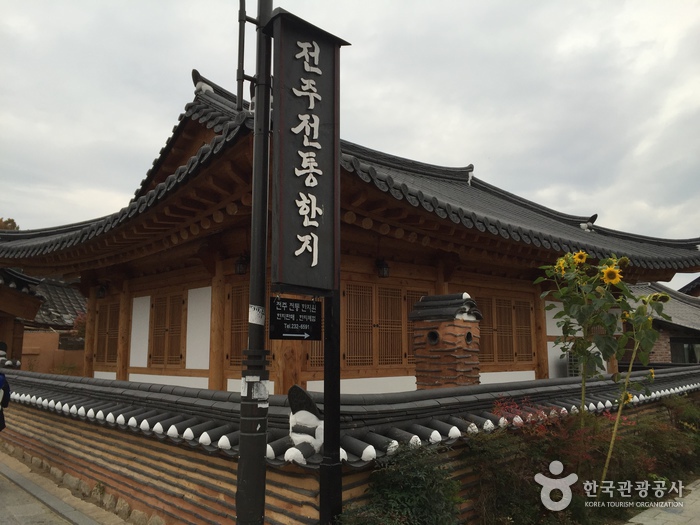
Jeonju has been a major producer of quality hanji paper for more than a thousand years. In keeping with this proud tradition, the Jeonju Traditional Hanji Center aims to preserve traditional paper-making techniques and become a mainstay in the hanji industry. More than 80 percent of the paper produced at the center is exported to Japan while the rest is used in Korea. The center produces, exhibits, and sells hanji used for calligraphy, Oriental paintings, and crafts, as well as special “yellow earth” wallpaper hanji and charcoal hanji, said to provide certain health benefits. Visitors can also sign up for crafting classes, including first-hand experience at making hanji, imprinting patterns and drying the paper.
Seoro (서로)
11.5Km 2024-12-13
100-12 , Hanji-gil, Wansan-gu, Jeonju-si, Jeonbuk-do
+82-10-4033-2610
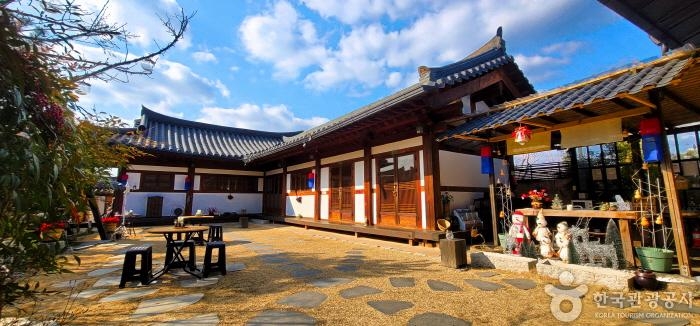
Seoro is a traditional hanok accommodation located in the Jeonju Hanok Village that offers guests a peaceful and quiet atmosphere. There are 10 different types of rooms, including ondol-type rooms, duplex-type rooms, and pension-type rooms. Traditional Korean red clay and ondol floors are installed in each room using the traditional Korea gudeul method (underfloor heating system), and the finest Korean wonanggeumchim (lovebird bedding) are provided. At night, you can rest under the stars on the large yard or toenmaru (narrow wooden porch).
GaEunChae (가은채)
11.5Km 2024-12-23
68-13 , Hanji-gil, Wansan-gu, Jeonju-si, Jeonbuk-do
+82-63-284-7775, +82-10-6335-5267
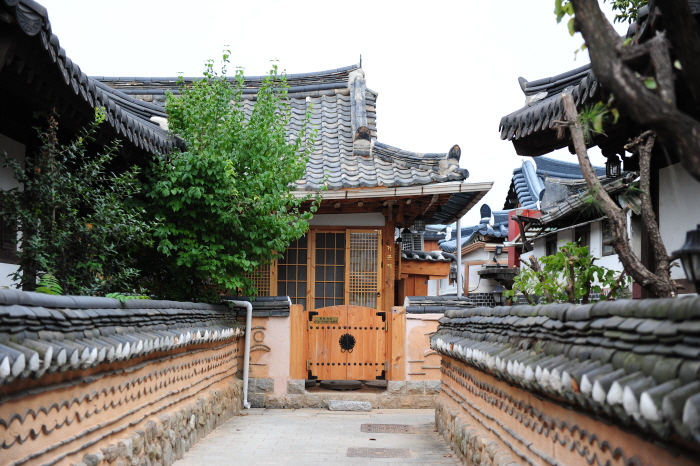
Gaeunchae is a hanok stay in Jeonju Hanok Village, Jeollabuk-do, constructed of wood in the traditional way without using nails. The location is ideal for local sightseeing as it’s close to Jeonju Craft Masters Hall, the Traditional Wine Museum, Seunggwangjae (home of the last Joseon prince Yi Seok), and Dakjong Hanji Doll Workshop. The exceptionally scenic alleyways around Gaeunchae are part of a Village tour. In the yard visitors will see different types of stone used as paving or decoration: granite, mica, and other local stones, all hand-trimmed by our ancestors.

Jeonju Traditional Liquor Museum (전주 전통술박물관)
11.5Km 2024-05-28
74 Hanji-gil, Wansan-gu, Jeonju-si, Jeonbuk-do
+82-63-287-6305
Jeonju Traditional Liquor Museum offers visitors the unique chance to explore the world of traditional Korean liquor and engage in related hands-on experience programs. At the museum, visitors can see the tools, machines, and the process used in the making of home-made traditional liquor and even taste them. Guests can also try their hand at making homemade wine and rice wine after making a reservation.
Dan Kyung (단경)
11.5Km 2024-12-23
99 , Hanji-gil, Wansan-gu, Jeonju-si, Jeonbuk-do
+82-10-5304-4380
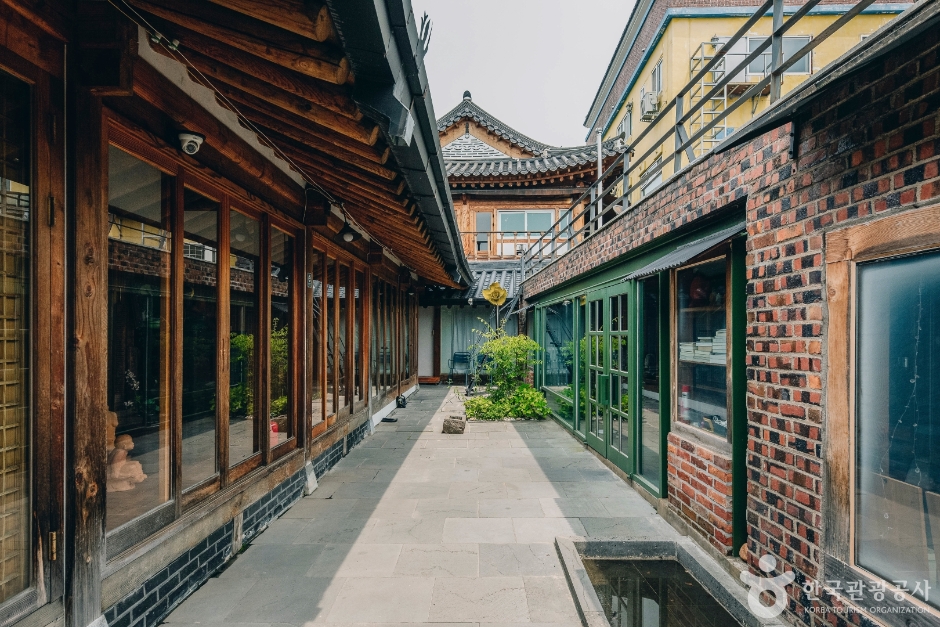
Standing on Hanji-gil in Jeonju Hanok Village, Jeollabuk-do, Dankyung is a hanok stay with a more-than 80 year history that now welcomes travellers to a comfortable and cozy space. There are five accommodations altogether - four rooms in the main building, plus an annexe which is rented as a whole house. The floors are of wood, creating a delicate scent in all the rooms. Across the yard is a gallery where guests can take tea or coffee while looking at the art works on its wall. From the gallery roof, there are fine views of Jeonju Hanok Village.
Inyeon Hanok (인연)
11.5Km 2024-07-01
36 , Hanji-gil, Wansan-gu, Jeonju-si, Jeonbuk-do
+82-10-2911-9349
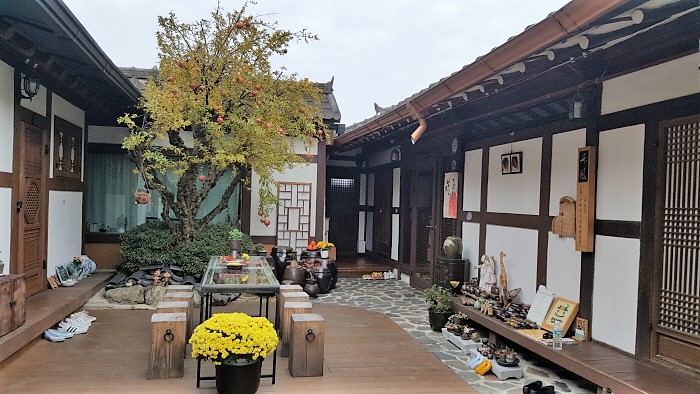
Inyeon is a hanok stay positioned near the public parking lot in Jeonju Hanok Village, Jeollabuk-do - a little away from the bustling main streets and so a quiet place to stop. (The name Inyeon means ‘a special relationship’.) As well as bathrooms and AC, all guestrooms have bare-beam ceilings, lacquered hanji flooring and traditional household items evoking old-time village life. In the yard stands a 200-year-old pomegranate tree and a table made of reclaimed wood where visitors can rest. Free traditional games such as Yutnori and Jegichagi are provided.
Ihwa Gotaek (이화고택)
11.5Km 2024-12-23
91 , Hanji-gil, Wansan-gu, Jeonju-si, Jeonbuk-do
+82-10-9668-6232
Ihwa Old House in Jeonju Hanok Village, Jeollabuk-do, is a charming hanok stay with a more than 100-year history, which preserves the traditional hanok pattern of connected wood-floored spaces called Numaru, Toenmaru and Jjongmaru. There are eight guestrooms, all equipped with a toilet. All new guests are welcomed with a glass of home-made sikhye (sweet rice drink) or patbingsu (shaved ice red bean desert), while for breakfast bibimbap or rice-cake soup will be served in Korean brass bowls. Guests can have a go at traditional crafts such as pansori, the tea ceremony, natural dyeing, and hanji making.
 English
 한국어
한국어 日本語
日本語 中文(简体)
 Deutsch
 Français
 Español
 Русский


