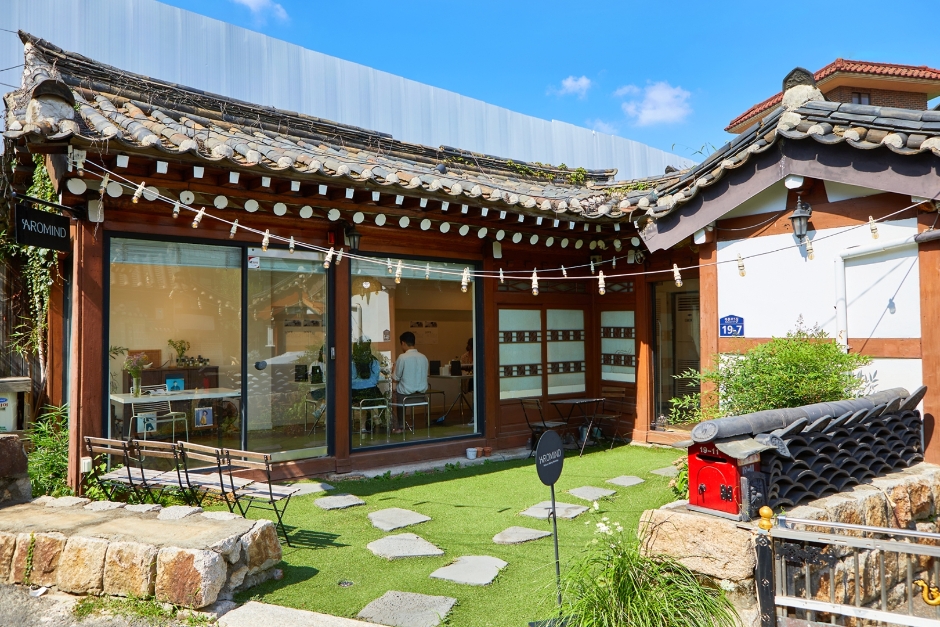
Aromind (아로마인드)
7.1Km 2024-01-30
19-7 Bukchon-ro 5-gil, Jongno-gu, Seoul
Aromind is a perfume workshop that offers a perfume-making experience with a professional perfumer in a quiet hanok building. Visitors can create their own one-of-a-kind perfume by choosing three out of 30 different scent options that change on a seasonal basis. A perfume one-day class is held for one to eight people for one to one and a half hours. The fee for the experience includes a 50 ml product and a 10 ml sample. They also offer the class in Korean with English interpretation when there non-Korean speaking participants. Aromind is the perfect place to create your own scent to associate your memory of Korea.
![Alive Museum (Insa-dong Branch) [박물관은 살아있다(인사동점)]](http://tong.visitkorea.or.kr/cms/resource/27/3109227_image2_1.JPG)
Alive Museum (Insa-dong Branch) [박물관은 살아있다(인사동점)]
7.1Km 2024-03-15
(B1 and B2, Daeil Building), 12, Insadong-gil, Jongno-gu, Seoul
+82-2-1544-8506
The Alive Museum is a media theme park located in Insa-dong. The exhibition here is made up of optical illusion art, large objet, and digital media pieces, which allow you to delve into the land of mystery. It is made up of different sections like the Insadong Photo Studio, Game Village, and the Toy Village.
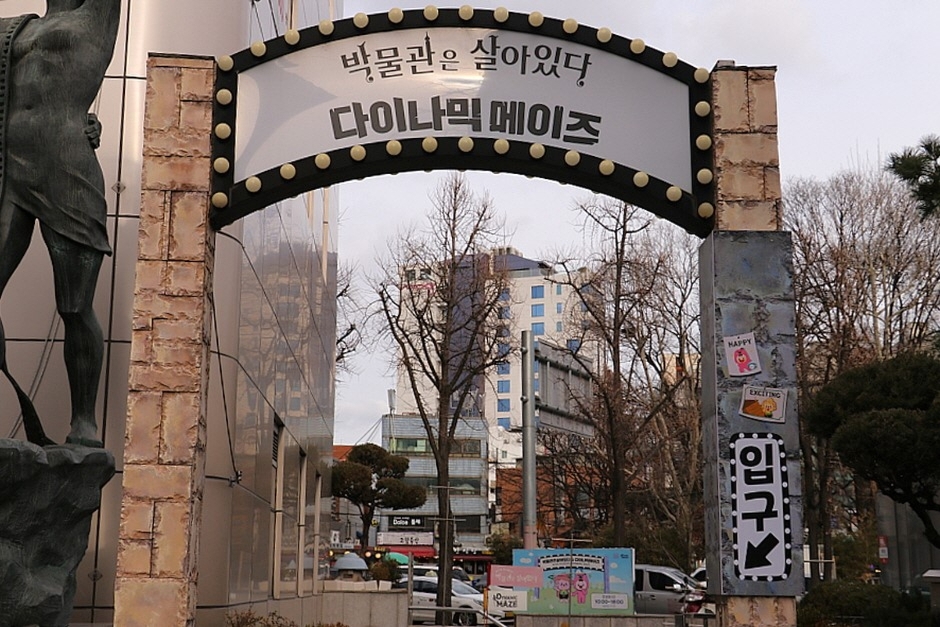
Dynamic Maze (Insa-dong) (다이나믹 메이즈 (서울 인사동점))
7.1Km 2024-03-15
12, Insadong-gil, Jongno-gu, Seoul
+82-1544-8506
Dynamic Maze is an indoor space in Insa-dong dedicated to an exciting adventure: A maze filled with obstacles, requiring participants to work together and overcome the barriers through quickness and focus. Go through the hall of mirrors, climb the wall, and cross the suspension bridge to finally escape from the maze.

Choedaegamne (최대감네)
7.1Km 2024-03-18
12-3 Insadong 8-gil, Jongno-gu, Seoul
+82-2-733-9355
Choedaegamne is a traditional Korean restaurant located in a hanok in Insa-dong, with a garden and a pond, and has been in operation for over 100 years. One of their popular dishes is the sangchu shabu jeongsik (shabu with rice in a cabbage set menu), where vegetables and meat are cooked in a broth and then enjoyed with noodles, served with a small rice ball on lettuce. They also offer a so galbijjim jeongsik (steamed beef ribs set menu) and bulgogi jeongsik (bulgogi set menu), served with lotus leaf rice and soybean paste jjigae. After the meal, guests can enjoy tea in the garden.
![Lotte Himart - Guri Branch [Tax Refund Shop] (롯데하이마트 구리점)](http://tong.visitkorea.or.kr/cms/resource/57/2889957_image2_1.jpg)
Lotte Himart - Guri Branch [Tax Refund Shop] (롯데하이마트 구리점)
7.1Km 2024-04-19
33, Donggureung-ro 148beon-gil, Guri-si, Gyeonggi-do
-
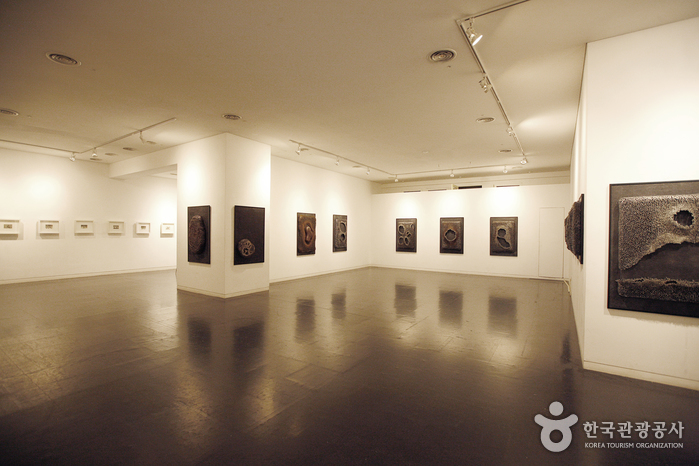
Seoul Art Center Gongpyeong Gallery (서울아트센터 공평갤러리)
7.1Km 2021-06-19
24, Insadong-gil, Jongno-gu, Seoul
+82-70-4214-0070
Opened in 1992, Seoul Art Center Gongpyeong Gallery is a 17,791㎡, two-story building with four exhibition halls. It is one of the main galleries of Insa-dong, displaying diverse artwork ranging from Western and Korean paintings to sculptures. Due to the great interest in Korean paintings, 2~3 of the annual long-term exhibitions focus solely on them.
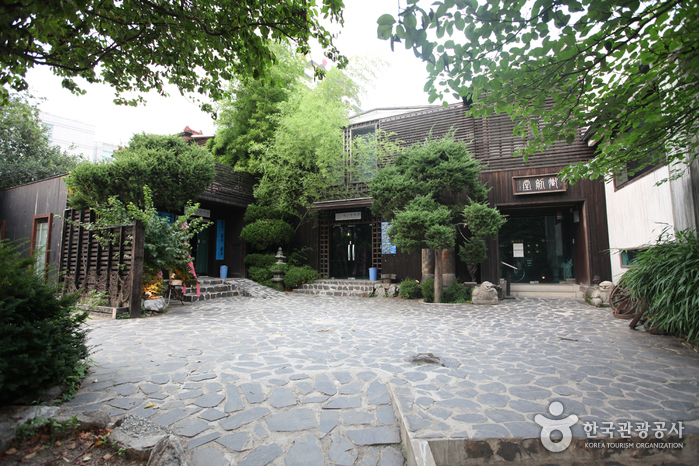
Kyung-In Museum of Fine Art (경인미술관)
7.1Km 2024-03-04
11-4, Insadong 10-gil, Jongno-gu, Seoul
+82-2-733-4448
Kyung-In Museum of Fine Art is located in Insa-dong. It has six exhibition rooms, an atelier, an outdoor exhibition area, and a traditional tea house. It hosts outdoor concerts in spring and fall, and Q&A sessions with authors can also be found as well. The traditional tea house offers about 15 types of traditional Korean tea in a space that overlooks the garden.
Jeontong Dawon (전통다원)
7.1Km 2024-03-18
11-4 Insadong 10-gil, Jongno-gu, Seoul
+82-2-730-6305
Jeontong Dawon is a hanok-style tea house located in Insa-dong. It offers seating both inside the hanok and in the outdoor garden, allowing guests to choose their preferred spot. Visitors can enjoy various types of traditional Korean tea along with traditional Korean snacks such as yugwa (fried rice sweet). It is situated within the Kyung-in Museum of Fine Art premises, offering the opportunity to explore the museum as well.
Korea House (한국의집)
7.2Km 2025-10-23
10, Toegye-ro 36-gil, Jung-gu, Seoul
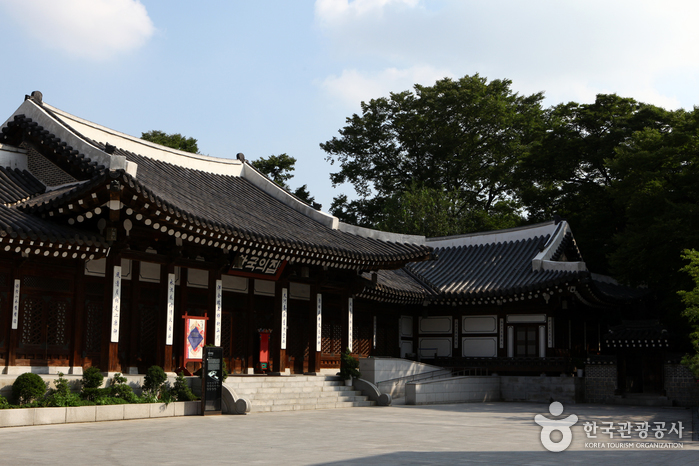
The Korea House was opened in 1981. It is a traditional Korean building that introduces the culture and lifestyle of Koreans, where you can experience traditional architecture and a classical atmosphere. The building was built in the style of the Joseon Dynasty's Jagyeong-jeon building at the Gyeongbok Palace. It is the only building built in the traditional architectural style. You will feel its antiquity as you enter the building.
It is divided into the Haerin-gwan (a space for people to get acquainted with each other), the Traditional Theater, and three annex buildings (Munhyang-ru, Nokeum-jeong and Cheongwu-jeong). At Haerin-gwan, you can enjoy traditional music at Garak-dang and try traditional food at Sohwa-dang. In the square of Garak-dang you can view a traditional wedding (on the weekends) or people playing folk games. Also, at the Traditional Theater, about 156 seats are available, and in the afternoons Human Cultural Assets or members of the National Center for Korean Traditional Performing Arts and the National Corps members present traditional music and dances. Sinayui, Salpuri, Pansori, the Drum Dance and the Bongsan Mask Dance are the most popular programs for foreigners. The programs are all explained in English and Japanese.
In the Cultural Gift Shop you can view various crafts made by traditional craftsmen. It is always open and the crafts are for sale as well. There are pottery, ceramics, golden crafts, knots and embroidery etc; approximately 500 pieces of artwork made by craftsmen from 20 different fields. Next to the House of Korea is the Namsan-gol Hanok Village where visitors can explore traditional houses.
Korea House (한국의집)
7.2Km 2024-03-05
10 Toegye-ro 36-gil, Jung-gu, Seoul
+82-2-2266-9101
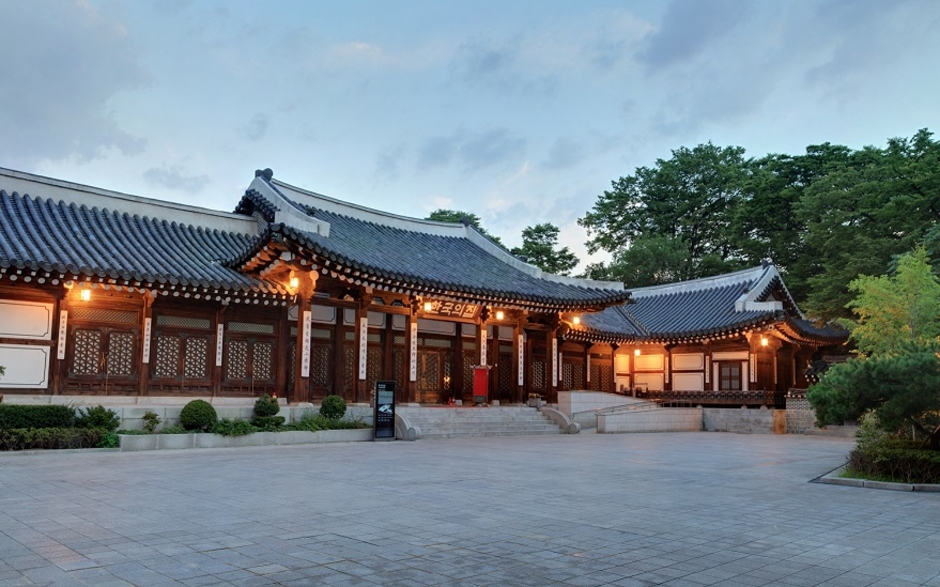
Located in the center of Seoul, Korea House is a must-visit tourism spot as a high-end cultural complex offering Hanjeongsik (Korean table d'hote), traditional refreshments, traditional performance arts, and traditional weddings, allowing visitors to feel the beauty of Korean culture and the taste of Korea. Guests can also enjoy the elegant beauty of hanok.
 English
 한국어
한국어 日本語
日本語 中文(简体)
 Deutsch
 Français
 Español
 Русский


