
Sejong Yeonhwasa Temple (연화사 (세종))
17.4Km 2025-05-20
28-1, Yeonhwasa-gil, Sejong-si
+82-44-862-8620
Yeonhwasa Temple is said to have been built by Hong Mun-seop. After having a dream, Hong dug the current site of Yeonhwasa Temple to find two stone Buddha statues and built a temple there. It was designated a traditional temple in 1988. The temple features Muryangsujeon Hall, Samseonggak Hall, and Yosachae (monks’ residence).
There used to be a building with a tile roof, but following the discovery of a stele with the inscription of “Muin Year” and a pedestal, the roof was improved. The side of the stele is in a trapezoid shape with a wider bottom. It is thought to date back to the Unified Silla era. The temple is also home to a stele with seven relief Buddhist images. Together with the stone images of Biamsa and Jeonganmyeon, this stele is considered to have cast a new light on the Ancient Art.
Chojeong Haenggung (초정행궁)
17.5Km 2024-12-23
851 , Chojeongyaksu-ro, Cheongwon-gu, Cheongju-si, Chungcheongbuk-do
+82-43-270-7332
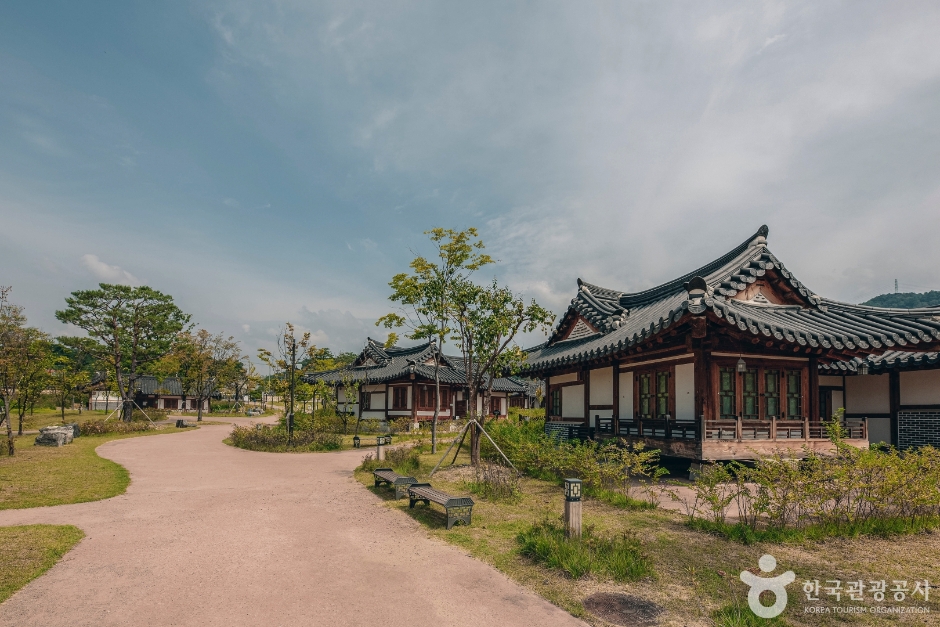
Chojeong Haenggung is a hanok stay and hanok experience center in Chojeong Culture Park, Cheongju, Chungcheongbuk-do. The house has a historic royal connection, as King Sejong stayed here for some months in 1444 while being treated for an eye problem. There are 12 guestrooms, all with an underfloor-heated ondol room and either a daecheongmaru (large wood-floored hall) or a numaru (raised wooden floor space). All rooms have a bathroom and toilet. Cooking is not possible, but there’s a microwave oven and kettle for preparation of instant meals. There are discounts for Cheongju residents.
Chojeongyaksu Mineral Spring (초정약수)
17.5Km 2022-07-29
Chojeong-ri, Cheongwon-gu, Cheongju-si, Chungcheongbuk-do
+82-43-201-2042
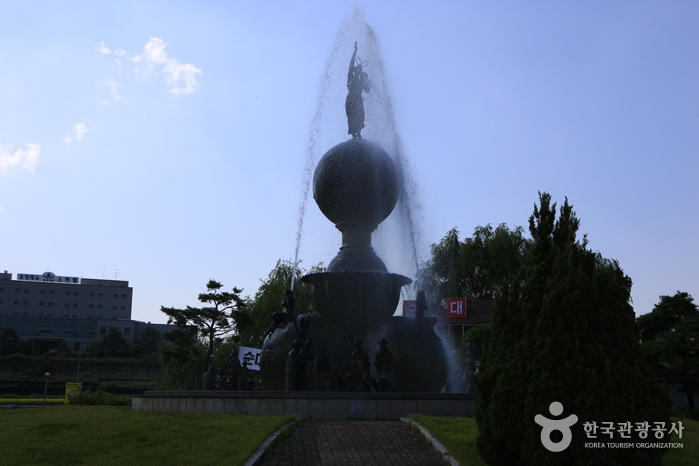
Located approximately 16 kilometers northeast of Cheongju City, Chojeongyaksu Mineral Spring is acknowledged as one of the three major mineral springs in the world. Chojeong Mineral Spring was discovered around 600 years ago and became nationally known ever since as the source of naturally carbonated water that has a piquant and cool taste. It is said that King Sejong (1397-1450, reign 1418-1450) visited the springs in 1444 and stayed here for 60 days to treat an eye infection. The daily yield of carbonated water here is 458 tons, which is used for producing natural soda drinks. There are presently two mineral water plant facilities in the area. The healing effects of Chojeongyaksu Mineral Spring are presumed to come from the abundant radium contained in the water, which is effective in treating eye infections and skin ailments.
Yahojeong (야호정)
17.6Km 2024-02-15
1869 Daecheonghosu-ro, Daedeok-gu, Daejeon
Yahojeong is a freshwater fish cuisine restaurant located near Daecheongho Lake. It offers jangeo gui (grilled eel) prepared with a special sauce and a refreshing maeuntang (spicy fish stew) made with mandarin fish, catfish, and shrimp. Situated in front of Daecheongho Lake, it allows diners to enjoy their meal accompanied by a beautiful lakeside view, making it a popular dining spot among locals.
Kong Daebak (콩대박)
17.8Km 2025-05-20
9 Daebak-gil, Geumnam-myeon, Sejong-si
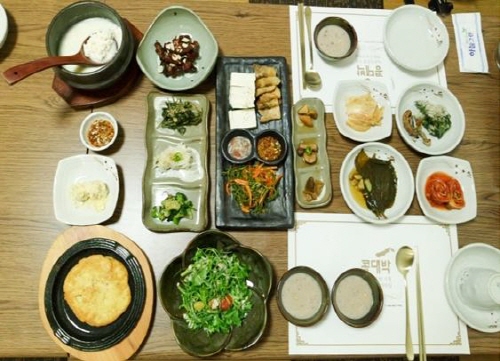
Kong Daebak is a restaurant specializing in soybean-based dishes. There are two menu options: kongseobang bapsang and konggaksi bapsang. Kongseobang bapsang includes dishes like doenjang jjigae (soybean paste jjigae), salad, kong jeon (soybean pancake), suyuk (boiled pork slices), mushroom dishes, jangajji (pickled vegetable), and dessert. Adding dishes like kkaennip jeon (pan-fried battered perilla leaves) and dubu jeongol (bean curd hot pot) turns it into konggaksi bapsang. Since the food is prepared on the same day, advance reservations are essential.
Sintan Myounog (신탄면옥)
18.4Km 2024-02-15
74 Deogambuk-ro 104beon-gil, Daedeok-gu, Daejeon
Sintan Myounog, situated near KTX Sintanjin Station, is a Korean restaurant celebrated for its Pyeongyang naengmyeon (Pyeongyang cold buckwheat noodles). This dish stands out for its unique beef broth, which is blended with dongchimi (radish water kimchi) to yield a savory umami flavor. In addition to naengmyeon, the restaurant also serves other popular Korean dishes, including dwaeji galbi (grilled pork galbi) and galbitang (galbi soup). The combination of sweet galbi with the tangy naengmyeon provides a diverse and satisfying culinary experience.
Cheongseokgul Cave (옥화1경 청석굴)
18.8Km 2025-02-04
12-16 Unam 3-gil, Miwon-myeon, Sangdang-gu, Cheongju-si, Chungcheongbuk-do
Cheongseokgul Cave is a natural cave where prehistoric humans lived, with artifacts from the Paleolithic era, such as choppers and chopping tools (hammers), points, and hand axes, discovered inside. The place stays cool even during hot summer, and is currently home to bats and golden-capped fruit bats. Nearby attractions are an artificial waterfall and a sky observatory with a valley in front of the cave available for water activities and kayaking.
Sanjang Garden (산장가든)
18.9Km 2025-05-20
1131-7 Dosingobok-ro, Yeonseo-myeon, Sejong-si
+82-44-867-3333
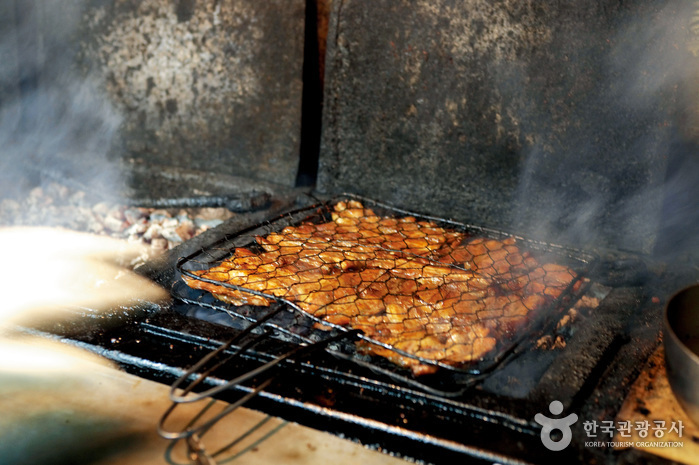
Sanjang Garden is a Korean restaurant specializing in grilling pork galbi over charcoal. In addition to pork galbi, they also serve dishes such as naengmyeon (cold buckwheat noodles), dongchimi guksu (noodles with radish water kimchi), and sujebi (hand-pulled dough soup). Surrounded by lakes and mountains, the restaurant offers a picturesque setting and has been featured multiple times on Korean television. It's approximately a 15-minute drive from Jochiwon Station by car or taxi.
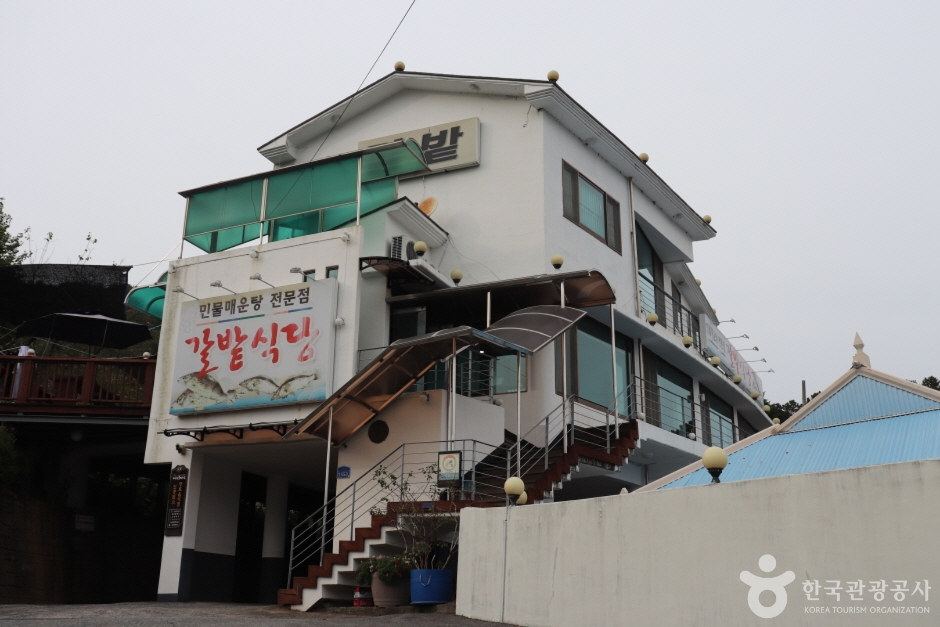
Galbat Sikdang (갈밭식당)
19.2Km 2024-02-15
1553 Daecheonghosu-ro, Daedeok-gu, Daejeon
Galbat Sikdang, situated along the shores of Daecheonghosu Lake, specializes in freshwater fish cuisine. They offer maeuntang (spicy fish stew) featuring freshwater fish such as mandarin fish, eel, trout, and catfish, along with various types of sliced raw fish and grilled fish. Maeuntang is prepared with a secret homemade sauce and a variety of vegetables, specifically chosen to neutralize the fishy taste of the freshwater fish. Visitors can enjoy their meals while taking in the scenic views of Daecheongho Lake and its surroundings.
 English
 한국어
한국어 日本語
日本語 中文(简体)
 Deutsch
 Français
 Español
 Русский


