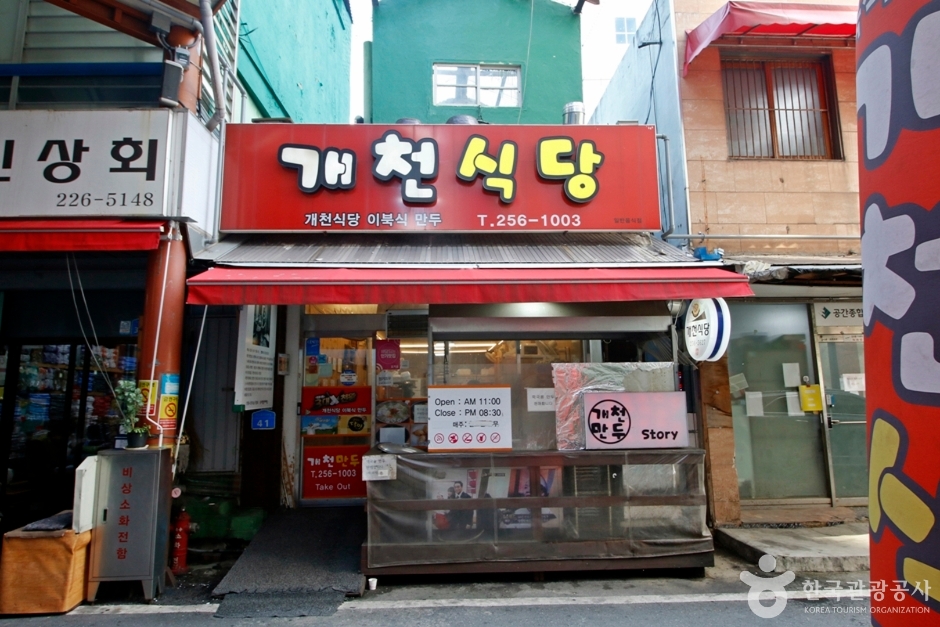
Gaecheon Sikdang (개천식당)
7.9Km 2024-02-15
41-1 Daejeon-ro 779beon-gil, Dong-gu, Daejeon
Gaecheon Sikdang, located in Daejeon Jungang Market, is a restaurant specializing in mandu. They are known for their handmade Hamgyeongdo-style mandu. The menu offers a variety of dishes including manduguk (mandu soup), gukbap (rice soup), jjinmandu (steamed mandu), and deep-fried mandu. The signature dish of the restaurant is manduguk, which is distinguished by its boiled pork slices and glass noodles, offering a hearty and flavorful experience similar to the enjoyment of galbitang (galbi soup).
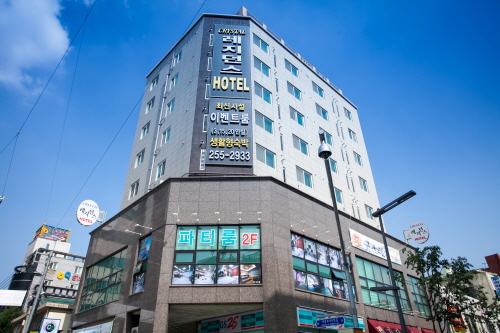
Crystal Residence Hotel / 크리스탈레지던스호텔
7.9Km 2025-03-05
38 , Daejong-ro 452beon-gil, Jung-gu, Daejeon
+82-42-255-2933
Crystal Residence Hotel stands in the original downtown of Daejeon, Chungcheongnam-do, and is a business hotel catering for travelers, foreign tourists and business travelers. The hotel offers a variety of rooms, including Korean-style, bedroom-style and party rooms. Rooms have a washing machine and cooking facilities, and for business customers there is a meeting space in the 1st floor lobby. Transport links are good, with Daejeon Station and Jungang-ro subway station nearby. Also nearby is the famous Euneungjeong Street and Sky Road shopping area.
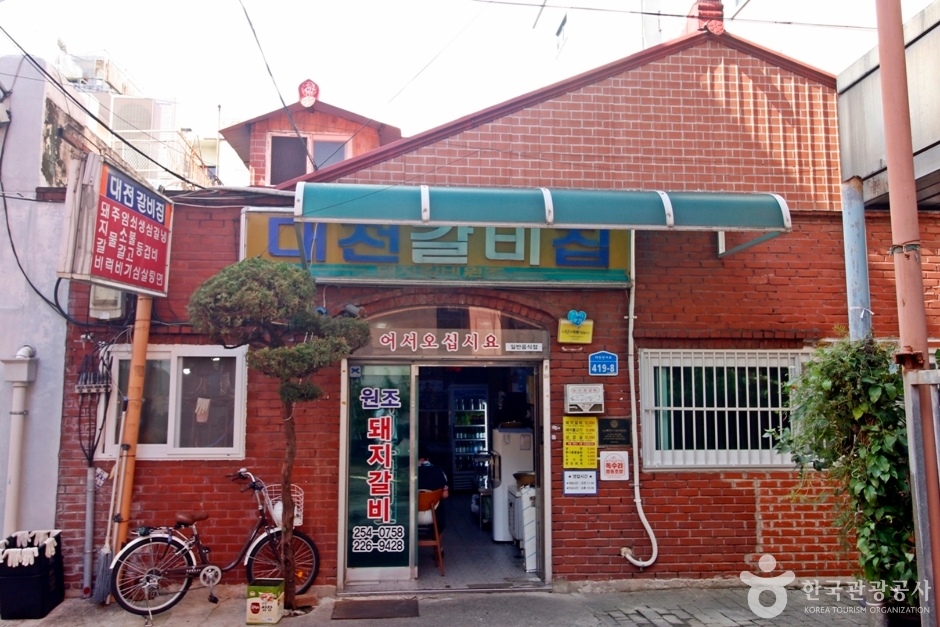
Daejeon galbijip (대전갈비집)
7.9Km 2024-02-15
28 Daeheung-ro 175beon-gil, Jung-gu, Daejeon
Daejeon galbijip is renowned for its pork galbi, with their standout dish being dwaeji galbi (grilled pork galbi). This high-quality, thick-cut meat is known for its delicate and subtle flavor. The pork ribs, cooked over charcoal, are particularly enjoyable when paired with green onion threads or the restaurant's special sauce. Standard accompaniments include yeolmu kimchi (young summer radish kimchi), a salad, and vegetables for wraps, all of which are available for refills. Pairing the tender pork with naengmyeon (cold buckwheat noodles) is recommended, as it adds a richer dimension to the flavor profile.

Baekcheonjip Sikdang (백천집식당)
8.0Km 2024-02-15
119 Junggyo-ro, Dong-gu, Daejeon
Baekcheonjip Sikdang, situated within Daejeon Jungang Market, is renowned for its sundae dishes. The standout item on their menu is sundae gukbap (sundae and rice soup), a savory and flavorful dish where sundae is presented in a broth within a hot pot, ensuring a delightful experience free from any unwanted odors. The addition of kimchi enhances the dish's overall taste. Additionally, sundae is available as a standalone menu option.
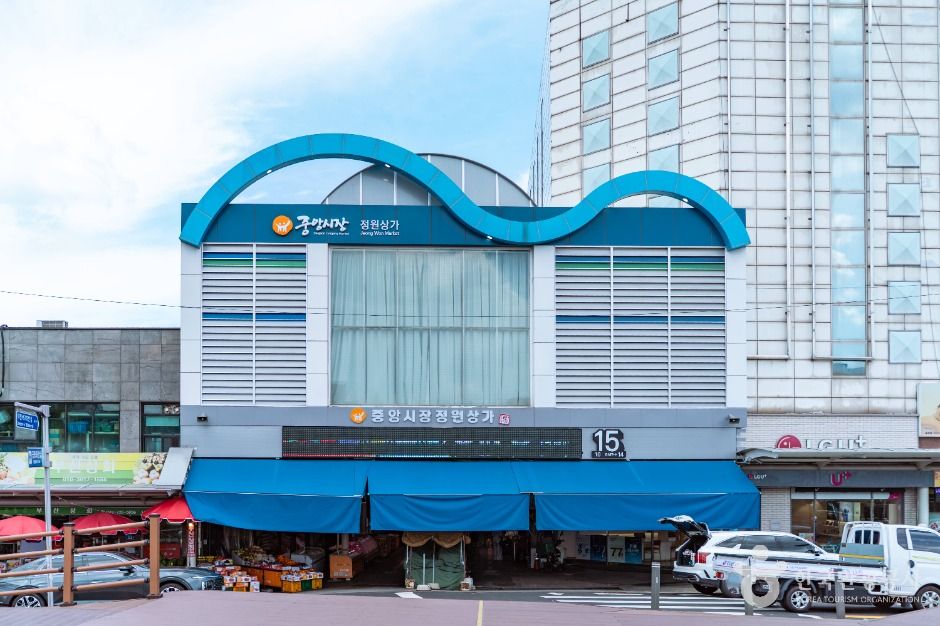
Daejeon Jungang Market (대전 중앙시장)
8.0Km 2025-10-23
783 Daejeon-ro, Dong-gu, Daejeon
+82-2-226-0319
Daejeon Jungang Market is a large comprehensive market consisting of many smaller markets including the Jungang Comprehensive Market, Jungang Arcade Market, Jayu Wholesale Market, New Jungang Market, and Jungang Wholesale Market. Daejeon Jungang Market is located in downtown Dong-gu and is one of the most famous traditional markets in the city. The market has many different sections (dried seafood street, hardware street, fish street, herbal medicine street, hanbok street, delicacy street, etc.) which stretch all the way from Daejeon Station to the banks of the Daejeoncheon Stream.
Hongkong Samgyeopsal (홍콩삼겹살)
8.0Km 2024-02-15
11 Gyejoksan-ro 81beon-gil, Daedeok-gu, Daejeon
Hongkong Samgyeopsal, situated in the Songchon-dong Food Street, is a restaurant that specializes in samgyeopsal (grilled pork belly). Their signature offering is saeng samgyeopsal, which is grilled pork belly cooked over charcoal. They pride themselves on serving unfrozen raw meat, ensuring that the samgyeopsal retains its tenderness and juiciness. Another popular dish at this restaurant is their chondwaeji jjigae, a pork jjigae prepared with kimchi.
Lien Chun (리엔춘)
8.0Km 2024-02-15
1F, 11 Gyejoksan-ro 81beon-gil, Daedeok-gu, Daejeon
Situated in the Songchon-dong Food Street of Daejeon, Lien Chun is a Chinese cuisine restaurant that has gained popularity among locals. The restaurant is particularly renowned for its tangsuyuk (deep-fried pork with sweet and sour sauce), and it offers a variety of takes on this classic dish. These include the traditional tangsuyuk, nunkkot tangsuyuk (bite-sized deep-fried pork with sweet and sour sauce), sukju tangsuyuk (deep-fried pork and mung-bean sprouts with sweet and sour sauce), and Sacheon tangsuyuk (Sichuan deep-fried pork with sweet and sour sauce). These dishes are further enhanced when enjoyed alongside other favorites like jjajangmyeon (black bean sauce noodles) and jjamppong (spicy seafood noodle soup).
Soje-dong Cafe Street (소제동 카페 거리)
8.0Km 2025-10-23
53 Suhyang-gil, Dong-gu, Daejeon
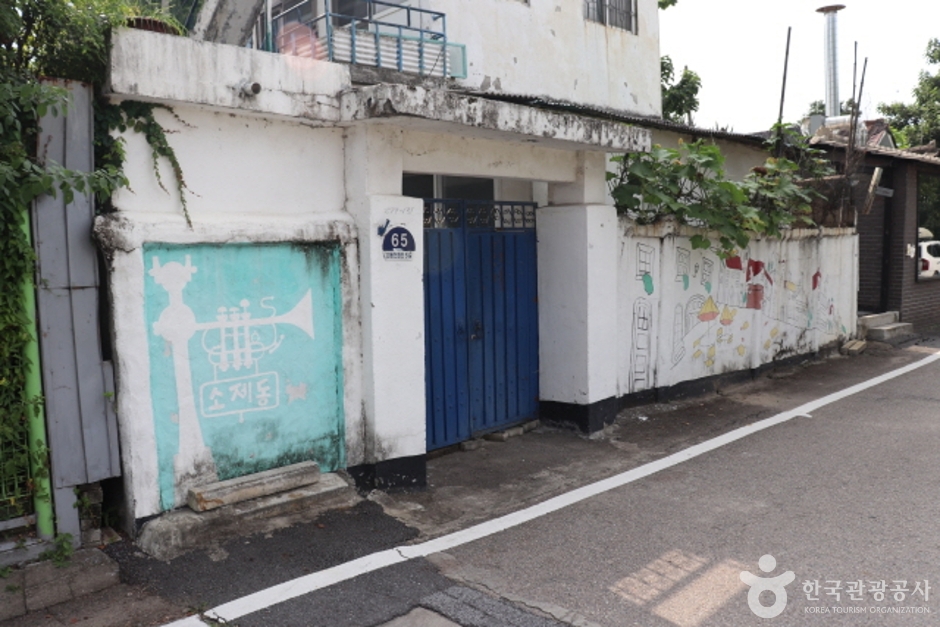
Soje-dong Cafe Street is a cafe village located in Daejeon. This area has long been neglected and underdeveloped. However, recently, various shops have opened, adding a youthful touch to the old buildings, from Italian restaurants remodeled from old buildings to unique cafes and restaurants converted from over 70-year-old buildings. With a retro sentiment that evokes nostalgia for middle-aged and older generations, it has transformed into a cafe street, attracting diverse visitors. While it's nice to choose a cafe in Soje-dong Cafe Street to enjoy tea or visit a gallery to appreciate artworks, another way to enjoy this place is to take an alley tour in Soje-dong and stroll through the cafe street to admire the murals painted on the walls. Soje-dong Cafe Street is conveniently located near Daejeon Station, making it easy for visitors to reach.
Banchan Sikdang (반찬식당)
8.1Km 2024-02-15
484 Bomunsangongwon-ro, Jung-gu, Daejeon
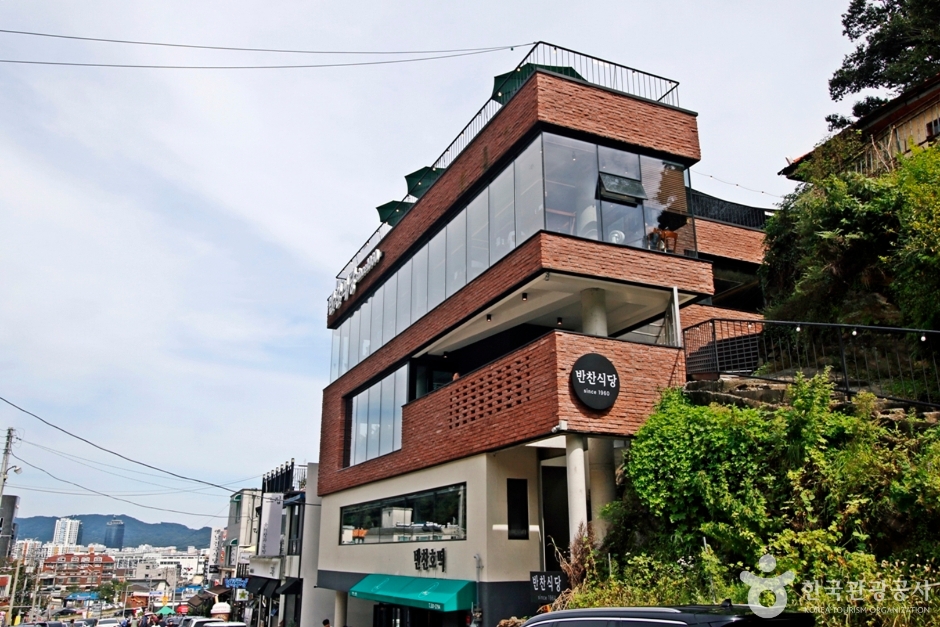
Situated at the gateway to Bomunsan Mountain, Banchan Sikdang is known for its expertise in steamed barley rice. This dish is typically presented with vegetables and red chili paste, and it's mixed with a choice of either perilla or sesame oil, enhancing its flavors. The restaurant's standard side dishes include biji jjigae (pureed soybean jjigae), doenjang jjigae (soybean paste jjigae), and gyeranjjim (steamed eggs). Additionally, their savory green onion pancake, enriched with squid and chives, is a highly recommended specialty.
Railway Residency Village (Sollangsiul-gil) (철도관사촌(솔랑시울길))
8.1Km 2025-10-23
Soje-dong, Dong-gu, Daejeon
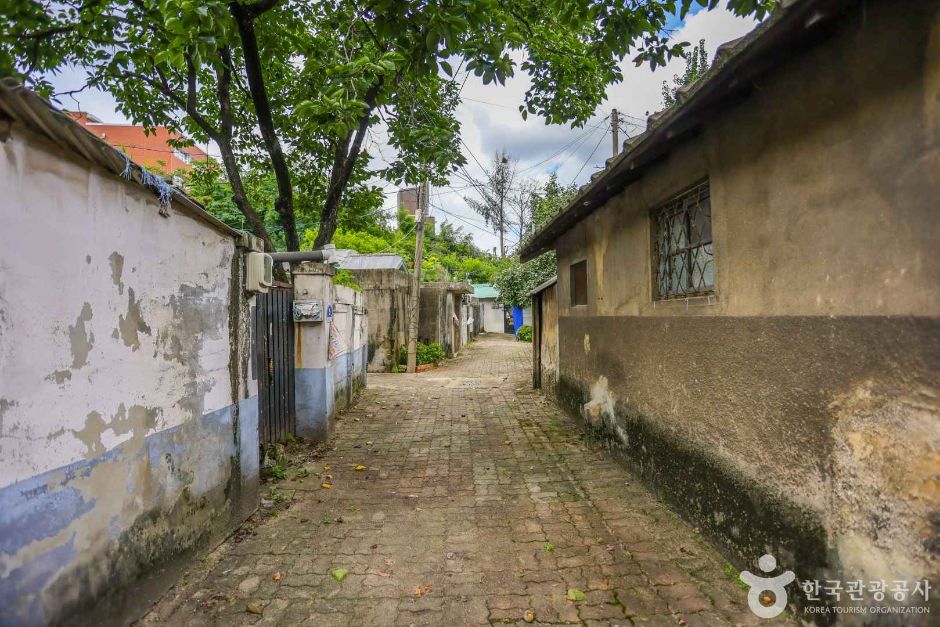
Railway Residency Village, located near Daejeon Station, retains much of its old charm, offering visitors the feeling of stepping back in time. Daejeon’s modern history is closely tied to the development of its railroads. With the opening of the Gyeongbu Line in 1905 and the Honam Line in 1911, the city emerged as a major transportation hub. As traditional villages began to disappear, people flocked to Daejeon, transforming it into a growing metropolis. During the Japanese occupation in the 1930s, the area housed many Japanese railway engineers, which is why Japanese-style architecture can still be found today. At the time, there were over 100 government buildings, though only about 40 have survived. Several of these have been recognized as Registered Cultural Properties for their historical significance. Among them, Building No. 42 now serves as a cultural space that occasionally hosts exhibitions. A stroll along the quiet Solangseoul-gil offers visitors a chance to admire charming murals adorning the walls, adding to the nostalgic atmosphere of the village.
 English
 한국어
한국어 日本語
日本語 中文(简体)
 Deutsch
 Français
 Español
 Русский


