
Hwanghae Myeonok (황해면옥)
16.0Km 2024-02-15
1 Hannam-ro 149beon-gil, Daedeok-gu, Daejeon
Hwanghae Myeonok is a Pyeongyang naengmyeon (Pyeongyang cold buckwheat noodles) specialty restaurant in Daejeon. Its signature dish is the mullaengmyeon (cold buckwheat noodles), known for its tangy umami taste, achieved by mixing meat broth with dongchimi (radish water kimchi) soup. Adding sogogi kimchi bibim (spicy beef and kimchi) to the mullaengmyeon allows diners to enjoy a spicy flavor as well. Being an established restaurant, it has many regular customers and is also a popular spot among local office workers.
CU - Woosong Center Branch [Tax Refund Shop] (cu우송센터점)
16.0Km 2024-06-27
60-4, Baengnyong-ro 11beon-gil, Dong-gu, Daejeon
-
BOK Art Center (비오케이아트센터)
16.2Km 2025-05-20
12, Gukchaegyeonguwon 3-ro, Sejong-si
+82-1877-4955
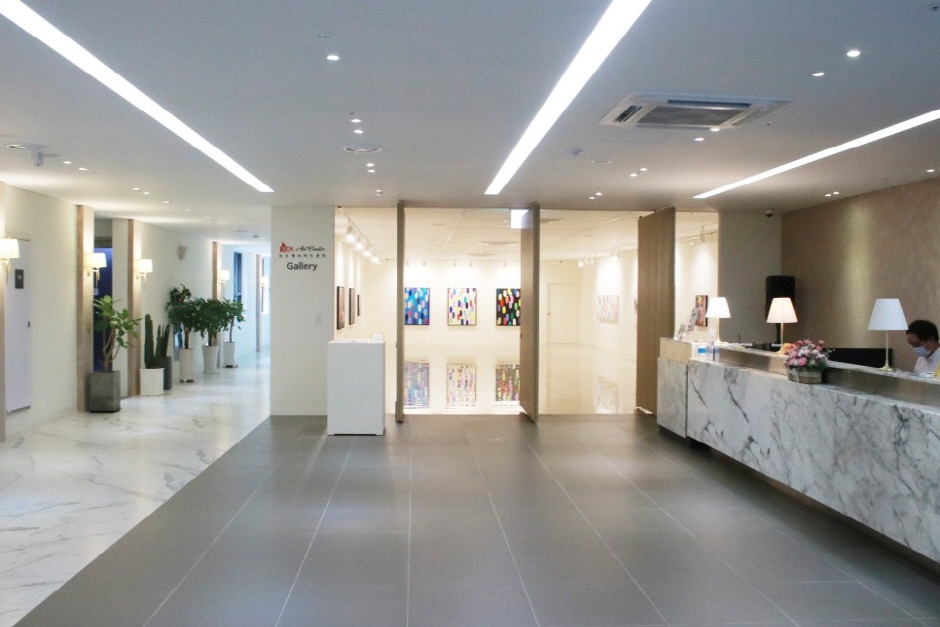
BOK Art Center is located in Bangok-dong, Sejong-si. It was opened in 2019 with the management philosophy of CEO I Gyu-sun, 'Let's create a happier living space.' The center is equipped with a performance hall where various performances are held, a gallery where various exhibitions are held, a hobby factory specialized for kidults, a Ccume Baking Class where you can enjoy baking, a bookstore, and a cafe.
OC Kalguksu (오씨칼국수)
16.2Km 2024-12-02
1F, 13 Yetsintanjin-ro, Dong-gu, Daejeon
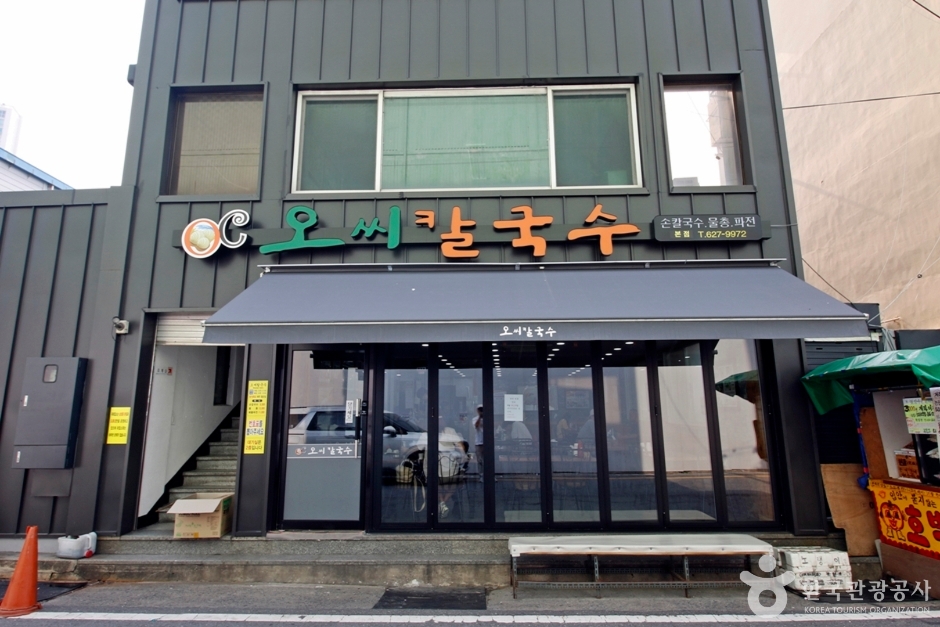
This is a specialty kalguksu restaurant known for its broth made with surf clams. When you order the mulchong, or dongjuk jogaetang (surf clam soup), you’ll be surprised by the generous amount of clams piled above the pot. The broth, made with anchovies and surf clams, is spiced to enhance its flavor, making it more flavorful and less plain.
CU - Jayang Main Branch [Tax Refund Shop] (cu자양본점)
16.2Km 2024-06-27
164, Dongdaejeon-ro, Dong-gu, Daejeon
-
Save Zone - Daejeon Branch [Tax Refund Shop] (세이브존 대전점)
16.2Km 2024-04-23
201, Dunsan-ro, Seo-gu, Daejeon
-
Railway Residency Village (Sollangsiul-gil) (철도관사촌(솔랑시울길))
16.3Km 2025-10-23
Soje-dong, Dong-gu, Daejeon
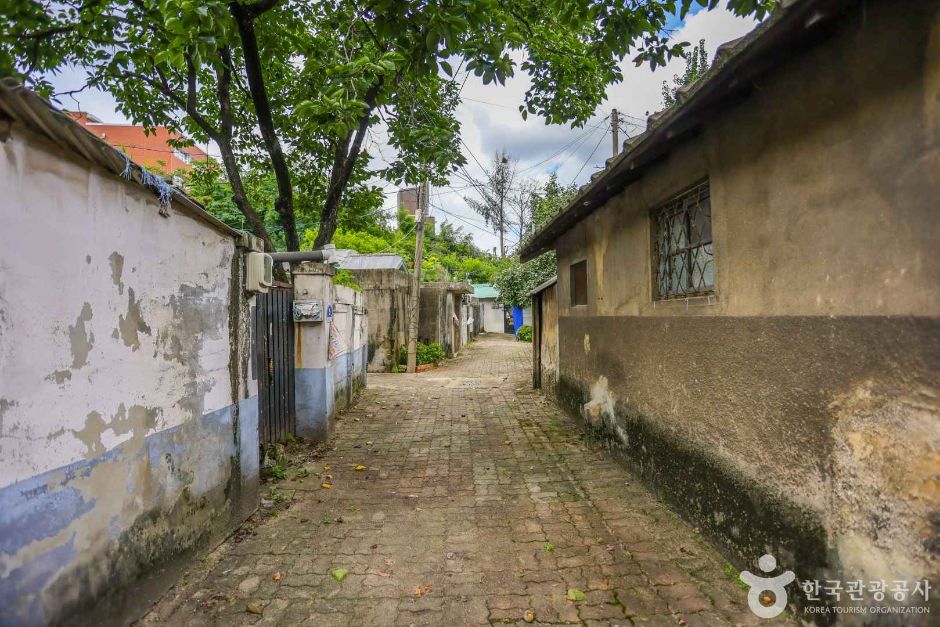
Railway Residency Village, located near Daejeon Station, retains much of its old charm, offering visitors the feeling of stepping back in time. Daejeon’s modern history is closely tied to the development of its railroads. With the opening of the Gyeongbu Line in 1905 and the Honam Line in 1911, the city emerged as a major transportation hub. As traditional villages began to disappear, people flocked to Daejeon, transforming it into a growing metropolis. During the Japanese occupation in the 1930s, the area housed many Japanese railway engineers, which is why Japanese-style architecture can still be found today. At the time, there were over 100 government buildings, though only about 40 have survived. Several of these have been recognized as Registered Cultural Properties for their historical significance. Among them, Building No. 42 now serves as a cultural space that occasionally hosts exhibitions. A stroll along the quiet Solangseoul-gil offers visitors a chance to admire charming murals adorning the walls, adding to the nostalgic atmosphere of the village.
Phil Hospital of Korean Medicine (필한방병원)
16.4Km 2025-10-23
(3rd,4th,11th Floors, Calix Building), 128 Cheongsa-ro, Seo-gu, Daejeon
Phil Hospital of Korean Medicine, located in Daejeon, is a training hospital designated by the Ministry of Health and Welfare. With 8 specialized professionals (including 2 doctors) and 70 patient beds, we offer a wide range of services. Director Yoon Je-pil, a specialist in Korean medicine rehabilitation, brings 18 years of experience from a renowned Korean medicine hospital, 7 years at our hospital, and 8 years of international experience in the United States and Africa, making him an excellent choice for international patients. Our head of internal medicine is fluent in Japanese.
We have a women-only immunization ward where we provide immune-boosting foods.
Dedicated staff for international patients and private waiting and treatment areas are also available.
Soje-dong Cafe Street (소제동 카페 거리)
16.5Km 2025-10-23
53 Suhyang-gil, Dong-gu, Daejeon
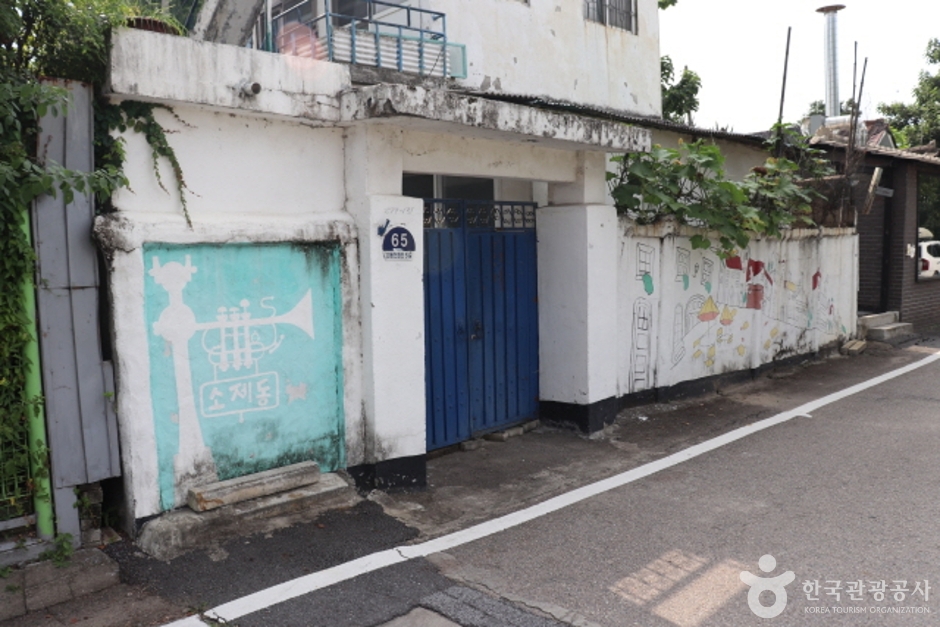
Soje-dong Cafe Street is a cafe village located in Daejeon. This area has long been neglected and underdeveloped. However, recently, various shops have opened, adding a youthful touch to the old buildings, from Italian restaurants remodeled from old buildings to unique cafes and restaurants converted from over 70-year-old buildings. With a retro sentiment that evokes nostalgia for middle-aged and older generations, it has transformed into a cafe street, attracting diverse visitors. While it's nice to choose a cafe in Soje-dong Cafe Street to enjoy tea or visit a gallery to appreciate artworks, another way to enjoy this place is to take an alley tour in Soje-dong and stroll through the cafe street to admire the murals painted on the walls. Soje-dong Cafe Street is conveniently located near Daejeon Station, making it easy for visitors to reach.
Hanbat Museum of Education (한밭교육박물관)
16.5Km 2021-04-09
96, Uam-ro, Dong-gu, Daejeon
+82-42-670-2200
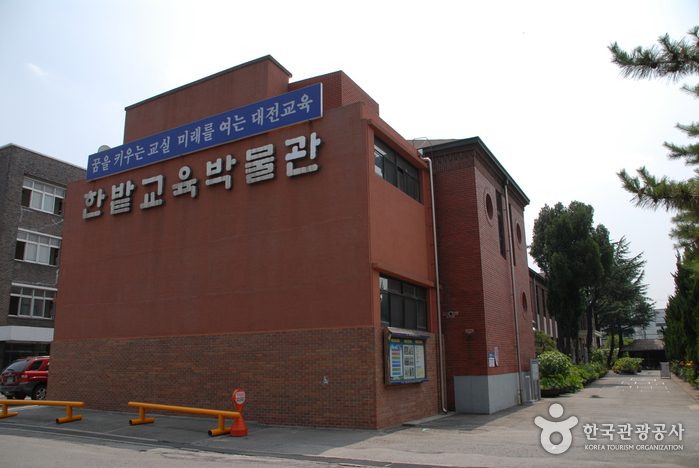
Hanbat Museum of Education, opened on July 10, 1992, is home to 9 exhibition halls, 3 smaller exhibition areas, and outdoor exhibit areas displaying a total of 27,000 education-related items such as old school textbooks, educational books, student files, stationery, and more. The museum is particularly popular as a fieldtrip destination for local students.
Exhibition chambers at the museum house documents and items that bear witness to the history of education from the olden days (i.e. village Confucian schools) to the present. Also on display are folk materials on the ancient educational institutions of the past and the daily lives of students. Thanks to the extent and variety of its documents, the museum is a great educational institution that not only preserves the history of education in Korea, but also sheds light on hundreds of years of life, tradition, and culture.
The museum building, built on June 8, 1938, is the oldest one in the city. Used as a school and later a military base for the U.N. Peace Corps and North Korean soldiers during the Korean War, the building has never been renovated and still bears the bullet holes and other marks of its tumultuous history. In recognition of its historical importance as a local structure, the museum was designated Cultural Property Material No. 50.
 English
 한국어
한국어 日本語
日本語 中文(简体)
 Deutsch
 Français
 Español
 Русский


